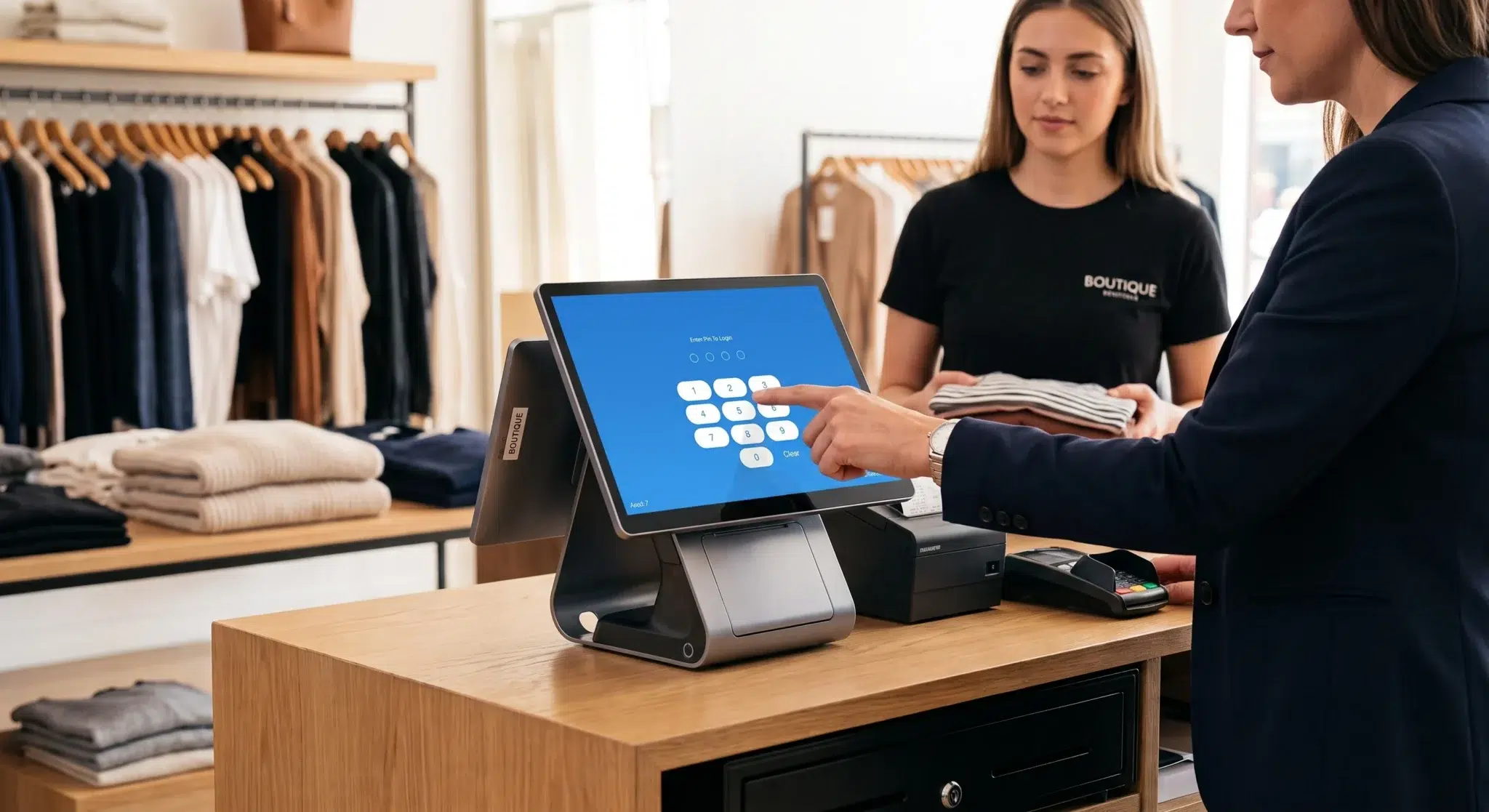
In today’s digital economy, accepting card payments is no longer optional for most businesses. Customers expect the convenience of paying with credit cards, debit cards, mobile wallets, and contactless payment methods wherever they shop. While offering these payment options can improve customer satisfaction and increase sales, processing fees can quickly become a significant business expense. Finding cheap credit card processing solutions that balance affordability, reliability, and functionality is essential for protecting profit margins and supporting long-term growth.
Credit card processing fees may seem small on individual transactions, but they can add up quickly over time. Businesses processing thousands of dollars each month often pay substantial amounts in transaction fees, monthly service charges, gateway costs, and other hidden expenses. Understanding how payment processing works and learning how to reduce unnecessary costs can help businesses keep more of their revenue.
Modern payment technology has created more options than ever before. Business owners can now choose from traditional merchant accounts, integrated POS solutions, flat-rate processors, interchange-plus pricing models, and mobile payment platforms. However, selecting the right provider requires looking beyond advertised rates and evaluating the total cost of processing.
This guide explains how cheap credit card processing works, what factors influence processing costs, how businesses can reduce fees, and what features to prioritize when selecting an affordable payment solution.
Table of Contents
- Understanding Credit Card Processing
- Benefits of Cheap Credit Card Processing
- Top Features to Look for in Affordable Solutions
- How to Lower Credit Card Processing Costs
- Choosing the Right Provider for Your Business
- How Biyo Helps Businesses Save on Credit Card Processing
- Frequently Asked Questions
Understanding Credit Card Processing
Credit card processing is the system that allows businesses to accept electronic payments from customers. Although the transaction appears nearly instantaneous, multiple parties work together behind the scenes to verify, authorize, and settle payments securely.
When a customer pays using a credit card, debit card, or digital wallet, transaction information travels through payment processors, card networks, issuing banks, and merchant accounts before funds are deposited into the business bank account. Each participant in this process receives a portion of the transaction fee.
Understanding how the payment ecosystem works helps businesses make more informed decisions when evaluating processors and pricing models.
How Credit Card Processing Works
Every card transaction follows a series of steps. First, the payment information is captured through a POS system, card reader, mobile device, or online checkout page. The payment processor then sends the information to the card network and issuing bank for authorization.
Once approved, the transaction is completed and the funds are reserved for transfer. During settlement, the payment processor facilitates the movement of funds from the customer’s account to the merchant’s account.
Although this process occurs within seconds, it involves sophisticated technology designed to protect consumers and merchants from fraud.
Why Processing Fees Exist
Credit card processing fees help cover the costs associated with maintaining secure payment networks and managing financial transactions. These fees generally consist of interchange fees, assessment fees, and processor markups.
Interchange fees represent the largest portion of the cost and are paid to the issuing bank. Assessment fees support card network operations, while processor markups compensate the payment processor for providing transaction services and infrastructure.
While interchange and assessment fees are largely fixed, processor markups often vary significantly between providers.
Understanding Common Processing Terms
Business owners evaluating payment processors frequently encounter terms such as interchange-plus pricing, payment gateway, chargeback, merchant account, and card-not-present transaction.
Interchange-plus pricing separates processor markup from underlying network fees, providing greater transparency. Payment gateways securely transmit transaction information, while chargebacks occur when customers dispute transactions through their financial institution.
Understanding these concepts helps businesses compare providers more effectively and avoid unexpected costs.

Benefits of Cheap Credit Card Processing
Reducing payment processing costs can have a meaningful impact on business profitability. While processing fees are often viewed as a necessary expense, choosing affordable payment solutions helps businesses retain more revenue from every transaction.
Even small reductions in processing rates can generate significant savings over time, especially for businesses with high transaction volumes.
Beyond cost savings, affordable processing solutions often provide operational advantages that improve overall business performance.
Lower Operating Expenses
Payment processing fees directly affect profitability. Every percentage point paid in fees reduces the amount of revenue a business ultimately retains.
Lower-cost processors help reduce ongoing expenses and improve cash flow. These savings can be redirected toward marketing, staffing, technology investments, or business expansion.
Reducing operational costs creates greater financial flexibility and supports long-term growth.
Improved Profit Margins
Many industries operate on relatively narrow profit margins, making expense management critical. Lower processing fees allow businesses to keep more of every sale without increasing prices or reducing service quality.
Over the course of a year, even modest reductions in processing costs can generate meaningful financial benefits.
Improved profit margins provide businesses with additional resources for reinvestment and growth.
Greater Competitive Flexibility
Businesses with lower operating costs often have more flexibility when developing pricing strategies, promotional campaigns, and customer loyalty initiatives.
Cost savings from payment processing can help support discounts, rewards programs, and customer acquisition efforts that strengthen competitiveness.
Managing processing costs effectively creates opportunities to invest in other areas of the business.
Top Features to Look for in Affordable Solutions
Choosing a cheap credit card processing solution should involve more than simply selecting the provider with the lowest advertised rate. Businesses should evaluate pricing transparency, technology capabilities, security features, scalability, and integration options.
The best providers combine affordability with functionality and reliability.
Transparent Pricing
Transparent pricing helps businesses understand exactly what they are paying for. Some processors advertise low transaction rates while charging additional monthly fees, statement fees, compliance fees, or termination penalties.
Clear pricing structures allow merchants to accurately forecast expenses and compare providers more effectively.
Interchange-plus pricing models are often preferred because they separate network fees from processor markups.
POS Integration
Integration between payment processing and POS systems helps streamline operations. Connected systems automatically synchronize transaction data, inventory updates, reporting information, and customer records.
This integration reduces manual work while improving accuracy and operational efficiency.
Businesses often benefit from having payment processing and POS functionality within a unified platform.
Scalability and Flexibility
As businesses grow, their payment processing needs often become more complex. A scalable solution should support multiple locations, online sales, mobile payments, and evolving operational requirements.
Flexible payment platforms help businesses adapt without requiring costly system changes.
Future-ready technology supports long-term growth and operational continuity.
How to Lower Credit Card Processing Costs
Reducing processing costs requires more than choosing a low-cost provider. Businesses can implement several strategies that help minimize expenses while maintaining payment flexibility for customers.
Negotiate Processing Rates
Many merchants are unaware that payment processing rates can often be negotiated. Businesses with consistent transaction volume may be able to secure lower processor markups by requesting competitive quotes and discussing pricing with providers.
Negotiation is especially effective for established businesses processing significant monthly revenue.
Regularly reviewing rates helps ensure businesses remain competitive and cost-efficient.
Choose the Right Pricing Model
Different pricing models affect overall processing costs in different ways. Flat-rate pricing offers simplicity, while interchange-plus pricing often provides greater transparency and potential savings for businesses with higher transaction volumes.
Understanding pricing structures helps merchants select the most cost-effective option based on their transaction patterns.
The right model can significantly reduce long-term processing expenses.
Reduce Chargebacks and Fraud
Chargebacks can create additional costs and negatively impact merchant accounts. Implementing fraud prevention measures, maintaining clear refund policies, and providing excellent customer service can help reduce disputes.
Lower chargeback rates often contribute to lower overall processing costs.
Strong risk management supports both financial performance and customer satisfaction.
Choosing the Right Provider for Your Business
Selecting the right payment processor involves evaluating much more than transaction rates. Businesses should consider reliability, customer support, integration capabilities, security standards, and overall value.
The best provider is one that aligns with the business’s operational needs and long-term goals.
Understand Your Transaction Profile
Businesses should evaluate how customers typically make payments. The percentage of in-person transactions, online sales, mobile payments, and recurring billing can all influence which provider offers the best value.
Understanding transaction patterns helps narrow the field of potential processors.
Matching payment solutions to operational needs improves efficiency and cost control.
Research Provider Reputation
Customer reviews, industry ratings, and merchant testimonials provide valuable insight into processor reliability and service quality.
Researching providers helps businesses identify potential concerns before committing to long-term agreements.
Reliable providers often deliver better service, transparency, and support.
Evaluate Customer Support
Payment disruptions can affect sales and customer experiences. Access to responsive customer support is essential when technical issues occur.
Providers offering onboarding assistance, dedicated support teams, and extended service hours often provide greater operational confidence.
Strong support contributes to a smoother payment processing experience.

How Biyo Helps Businesses Save on Credit Card Processing
Businesses looking for affordable payment processing often face a difficult tradeoff between cost and functionality. Some low-cost processors offer limited features, while more advanced platforms may introduce complex pricing structures that increase expenses over time.
Biyo helps address this challenge by combining payment processing, POS functionality, reporting tools, inventory management, and customer engagement capabilities within a unified platform. Businesses can streamline operations while maintaining visibility into sales performance, customer activity, and transaction data.
Integrated payment processing helps reduce operational complexity while supporting efficient business management. Rather than relying on multiple disconnected systems, businesses can manage payments and operations through a centralized platform.
If you’d like to explore how Biyo can support your business, you can schedule a consultation. Businesses interested in learning more can also create an account and discover how integrated payment and business management tools can support long-term growth.
Frequently Asked Questions
What is cheap credit card processing?
Cheap credit card processing refers to payment processing solutions that help businesses reduce transaction costs while maintaining secure, reliable payment acceptance capabilities.
How much do businesses typically pay in processing fees?
Most businesses pay between 1.5% and 3.5% per transaction depending on factors such as payment method, card type, transaction volume, and processor pricing structure.
Can processing rates be negotiated?
Yes. Many payment processors allow businesses to negotiate markup rates, particularly if they process consistent transaction volumes.
What is interchange-plus pricing?
Interchange-plus pricing separates card network fees from processor markup, providing greater transparency and often lower costs for businesses with moderate to high transaction volumes.
Do online payments cost more than in-person transactions?
In many cases, yes. Online and card-not-present transactions often carry higher processing fees because they involve greater fraud risk than in-person transactions.
Can businesses pass processing fees to customers?
Some businesses implement surcharges or cash discount programs to offset processing expenses. However, regulations vary by jurisdiction and card network requirements must be followed.
Why should businesses review their processing fees regularly?
Payment processing costs can change over time. Regular reviews help businesses identify savings opportunities, negotiate better rates, and ensure they are receiving the best value from their provider.