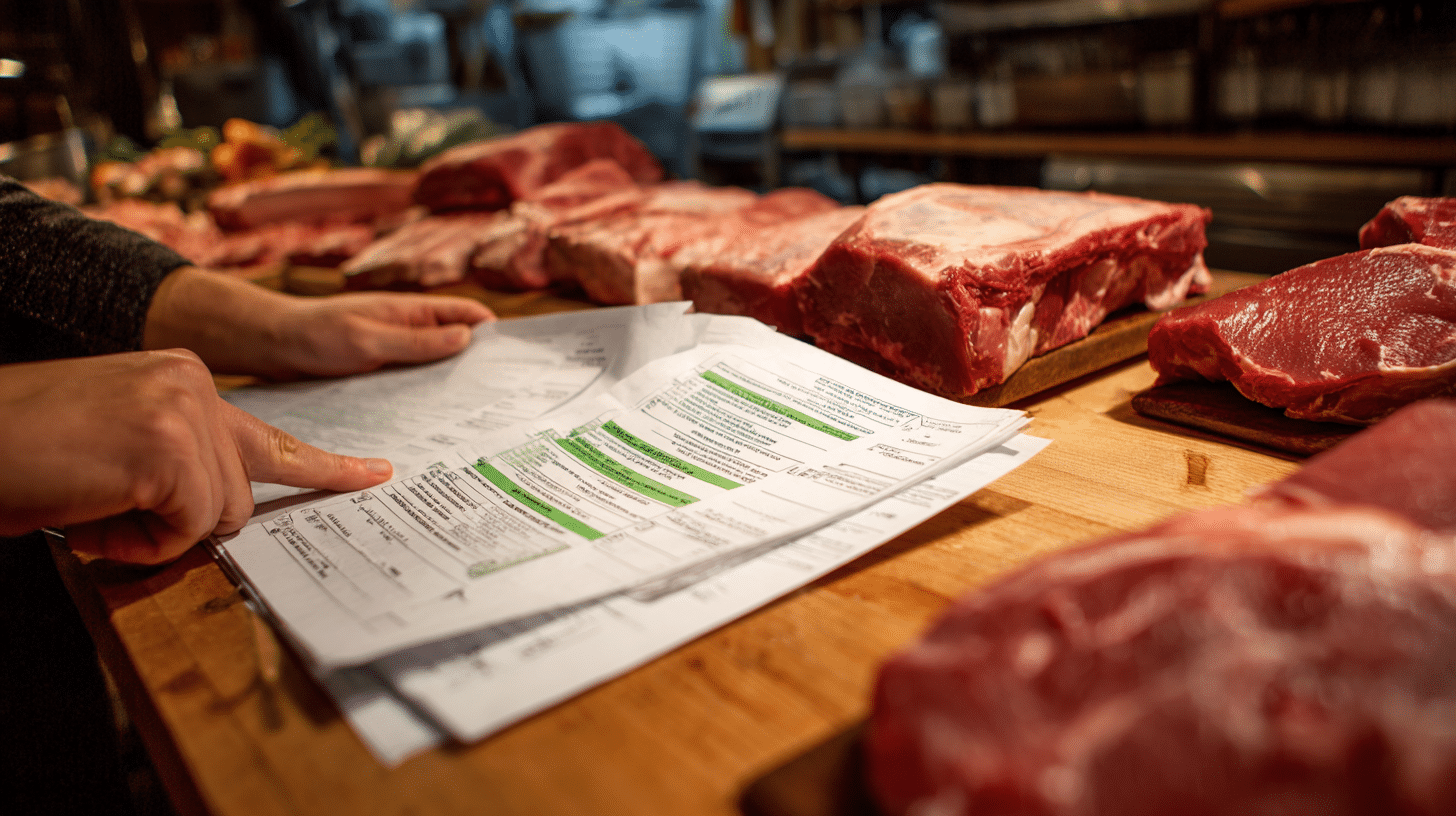
Running a profitable butcher shop requires far more than offering quality cuts of meat. Modern butcher businesses operate in an environment where food costs, labor expenses, supplier pricing, inventory shrinkage, energy consumption, and customer expectations constantly affect profitability. Without effective cost management strategies, even busy butcher shops can struggle to maintain healthy profit margins.
Today’s successful butcher shops combine traditional craftsmanship with modern operational efficiency. While customers continue valuing premium cuts, personalized service, and fresh products, business owners must simultaneously control waste, optimize inventory, improve pricing strategies, and streamline daily operations to remain competitive.
According to food retail and meat industry research, inventory waste and poor cost control remain some of the biggest challenges affecting independent butcher shops. Meat products are highly perishable, supplier costs fluctuate regularly, and inaccurate inventory management can quickly reduce profitability.
Smart butcher shop cost management focuses on improving operational efficiency while protecting product quality and customer satisfaction. From inventory tracking and portion control to supplier negotiations and POS technology, every operational decision influences long-term profitability.
This guide explores practical butcher shop cost management strategies designed to improve margins, reduce waste, optimize inventory, and strengthen business performance in a competitive retail food environment.
Table of Contents
- Why Cost Management Matters in a Butcher Shop
- Inventory Control and Meat Waste Reduction
- Supplier Relationships and Purchasing Strategies
- Smart Pricing Strategies for Better Margins
- Managing Labor Costs Efficiently
- Reducing Energy and Operational Expenses
- How Technology Improves Butcher Shop Profitability
- Customer Retention and Repeat Sales Strategies
- Future Trends in Butcher Shop Operations
- How Biyo POS Helps Butcher Shops Manage Costs
- Frequently Asked Questions
Why Cost Management Matters in a Butcher Shop
Cost management is one of the most important factors determining long-term butcher shop profitability. Unlike many retail industries, butcher shops operate with products that are highly perishable and heavily influenced by fluctuating supplier costs, transportation expenses, and changing customer demand.
Small inefficiencies in inventory handling, portioning, pricing, or labor management can significantly reduce profit margins over time. Because meat products often carry high wholesale costs, even moderate levels of waste or spoilage create substantial financial losses.
Successful butcher shops monitor expenses carefully while maintaining high product quality standards. Customers expect freshness, cleanliness, consistency, and premium service, meaning businesses cannot simply reduce quality to save money.
Instead, profitability depends on operational efficiency. Shops that manage inventory accurately, reduce shrinkage, optimize labor scheduling, and use data-driven purchasing strategies often outperform competitors even in highly competitive local markets.
Modern cost management also improves long-term sustainability. Businesses operating efficiently are generally better prepared to handle supplier price increases, economic uncertainty, and seasonal fluctuations.
Inventory Control and Meat Waste Reduction
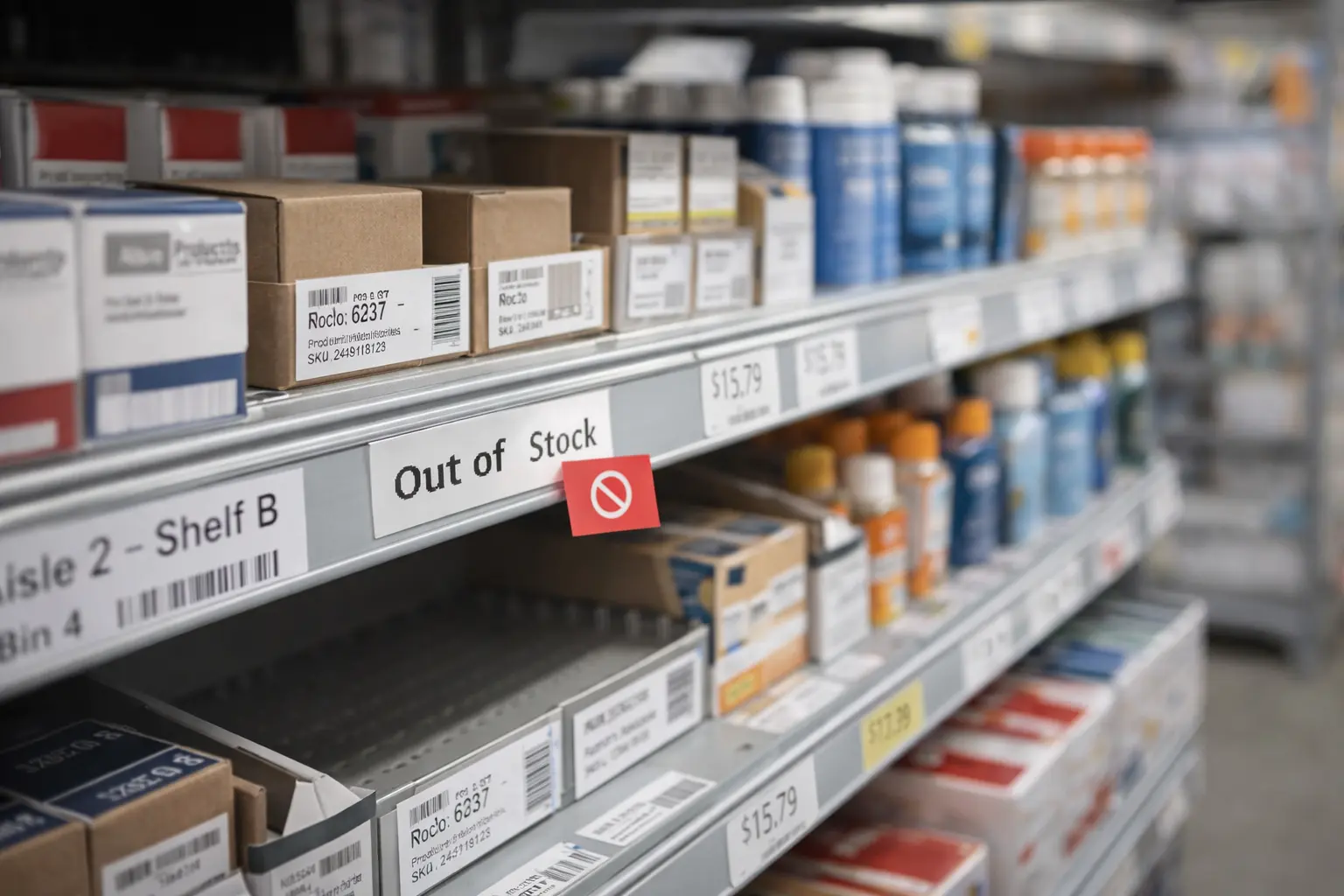
Inventory management is one of the most critical areas of butcher shop cost control because meat products have limited shelf life and require careful storage handling.
Without accurate inventory tracking, businesses often experience spoilage, overordering, stock shortages, and inconsistent product availability.
Tracking Product Movement in Real Time
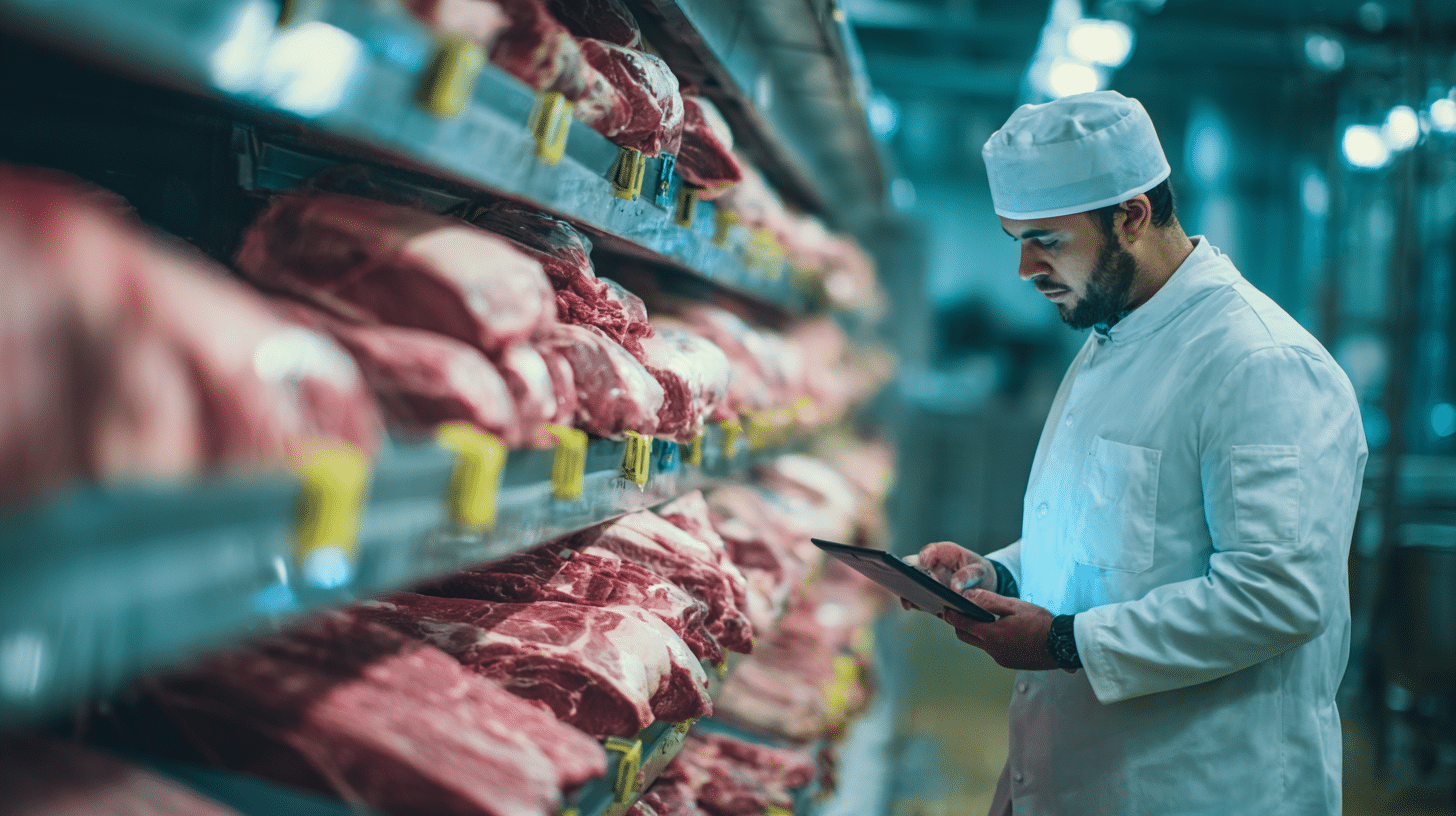
Modern inventory systems allow butcher shops to monitor stock levels continuously. Every sale, delivery, transfer, or waste adjustment updates inventory automatically, giving owners accurate visibility into current stock quantities.
Real-time tracking reduces overordering while helping businesses identify which products sell fastest and which cuts move slowly.
Inventory analytics additionally help butcher shops forecast demand more accurately based on seasonal trends and customer purchasing behavior.
Reducing Meat Waste and Spoilage
Waste reduction is essential for profitability because spoiled meat directly impacts margins. Proper rotation practices such as FIFO (First-In First-Out) help ensure older inventory sells before newer stock.
Businesses should also monitor temperature control carefully because refrigeration failures and improper storage conditions can quickly destroy valuable inventory.
Portion control additionally helps reduce trimming waste and improves consistency across products.
Using Secondary Cuts Strategically
Smart butcher shops maximize profitability by utilizing secondary cuts creatively rather than focusing only on premium products.
Ground meat, sausages, marinated products, prepared meals, and specialty items help businesses generate additional revenue from cuts that may otherwise produce lower margins.
Creative merchandising strategies also help reduce waste by promoting products approaching expiration through discounts or bundled promotions.
Businesses looking to improve inventory operations can also explore strategies related to inventory tracking POS systems.
Supplier Relationships and Purchasing Strategies
Supplier management directly affects product quality, consistency, and operating costs. Building strong supplier relationships allows butcher shops to negotiate better pricing, maintain reliable deliveries, and access higher-quality products consistently.
Negotiating Better Supplier Pricing
Wholesale meat prices fluctuate regularly due to supply chain conditions, transportation costs, feed prices, and seasonal demand. Butcher shops that maintain strong supplier relationships often receive more favorable pricing and improved purchasing flexibility.
Negotiating long-term agreements or bulk purchasing arrangements may help stabilize costs during volatile market conditions.
Diversifying Supplier Sources
Relying too heavily on a single supplier creates operational risk. Supply shortages, price spikes, or delivery disruptions can significantly impact inventory availability.
Successful butcher shops often maintain relationships with multiple suppliers to improve flexibility and reduce dependency on one source.
Prioritizing Local and Regional Suppliers
Many customers increasingly value locally sourced products because they associate local sourcing with freshness, sustainability, and higher quality.
Regional sourcing may also reduce transportation costs and shorten delivery timelines while helping butcher shops strengthen community relationships.
Smart Pricing Strategies for Better Margins
Pricing strategy plays a major role in butcher shop profitability. Pricing too low reduces margins, while pricing too aggressively may push customers toward competitors.
Successful pricing balances profitability, customer expectations, supplier costs, and local market conditions.
Understanding Product-Level Margins
Not all meat products generate equal profitability. Premium cuts may attract customers, but prepared foods, marinades, specialty products, and value-added items often produce stronger margins.
Tracking profitability at the product level helps butcher shops prioritize high-margin items while adjusting pricing where necessary.
Dynamic Pricing Based on Demand
Demand patterns often shift throughout the year due to holidays, grilling seasons, weather changes, and local events.
Dynamic pricing strategies allow butcher shops to adjust pricing based on seasonal demand while maximizing profitability during peak sales periods.
Bundling and Promotional Offers
Bundled promotions encourage larger purchases while helping businesses move inventory more efficiently.
For example, offering grilling packages, family meal bundles, or seasonal meat assortments can increase average transaction values while improving inventory turnover.
Managing Labor Costs Efficiently
Labor represents one of the largest operating expenses for most butcher shops. Skilled butchers, prep staff, cashiers, and cleaning personnel are essential for daily operations, but inefficient scheduling can increase costs unnecessarily.
Optimizing Employee Scheduling
Sales data and customer traffic reports help businesses identify peak operating hours and schedule staffing accordingly.
Proper scheduling reduces unnecessary labor expenses during slower periods while ensuring adequate staffing during busy hours.
Cross-Training Employees
Cross-training staff improves operational flexibility by allowing employees to handle multiple responsibilities such as customer service, meat preparation, inventory receiving, and checkout operations.
This flexibility helps businesses maintain productivity even during staffing shortages or unexpected absences.
Improving Workflow Efficiency
Efficient workstation layouts, organized prep areas, and streamlined operational processes reduce wasted movement and improve employee productivity.
Even small workflow improvements can significantly impact labor efficiency over time.
Reducing Energy and Operational Expenses
Butcher shops rely heavily on refrigeration systems, display cases, lighting, and food preparation equipment, making energy management an important operational consideration.
Maintaining Refrigeration Equipment
Refrigeration failures can cause catastrophic inventory losses within hours. Regular maintenance improves energy efficiency while reducing the risk of equipment breakdowns.
Energy-efficient refrigeration systems may also lower long-term utility expenses.
Managing Utility Consumption
LED lighting, efficient HVAC systems, and automated energy controls help reduce monthly operating costs without affecting customer experiences.
Monitoring utility usage patterns can additionally help identify unnecessary waste.
Reducing Packaging and Supply Waste
Packaging costs can accumulate quickly in butcher shops due to wrapping materials, trays, labels, gloves, and cleaning supplies.
Bulk purchasing, supplier negotiations, and efficient usage policies help control these operational expenses.
How Technology Improves Butcher Shop Profitability
Modern technology has become one of the most valuable tools for improving butcher shop efficiency and profitability.
Integrated POS systems help businesses automate inventory tracking, analyze sales trends, monitor employee activity, and improve operational visibility.
Inventory Tracking and Real-Time Reporting
POS systems automatically update inventory quantities with every transaction, reducing manual tracking errors and improving stock accuracy.
Managers can identify fast-selling products, monitor shrinkage, and generate detailed inventory reports from one centralized dashboard.
Sales Analytics and Forecasting
Advanced analytics tools help butcher shops identify seasonal demand patterns, best-selling products, and purchasing trends.
These insights improve inventory forecasting while supporting smarter purchasing decisions.
Integrated Customer Loyalty Programs
Loyalty programs encourage repeat business by rewarding customers with discounts, promotions, or exclusive offers.
Customer retention is especially important for butcher shops because repeat customers often generate consistent long-term revenue.
Customer Retention and Repeat Sales Strategies
Customer loyalty significantly affects butcher shop profitability because repeat customers typically spend more consistently and require lower marketing costs compared to acquiring entirely new customers.
Providing Personalized Customer Service
One advantage independent butcher shops have over large grocery chains is personalized service. Customers value recommendations, custom cuts, cooking advice, and knowledgeable staff interactions.
Building strong customer relationships encourages repeat visits and long-term loyalty.
Offering Specialty and Prepared Products
Prepared foods, marinated meats, sausages, ready-to-cook meals, and seasonal specialties create additional revenue opportunities while differentiating butcher shops from competitors.
Value-added products often carry stronger margins while improving convenience for customers.
Using Social Media and Local Marketing
Social media helps butcher shops showcase fresh products, promotions, seasonal offerings, and behind-the-scenes preparation processes.
Strong local marketing strengthens community engagement and helps businesses maintain visibility within competitive markets.
Future Trends in Butcher Shop Operations
The butcher industry continues evolving as customer expectations and food retail technology change.
Consumers increasingly prioritize sustainability, locally sourced products, transparency, and premium-quality ingredients. Butcher shops that emphasize ethical sourcing and product traceability may gain stronger customer trust moving forward.
Technology adoption will likely continue increasing through cloud-based POS systems, online ordering platforms, AI-powered forecasting, and inventory automation tools.
Prepared meals and convenience-focused products are also becoming more important because many consumers seek faster meal preparation without sacrificing quality.
Despite these changes, traditional butcher craftsmanship remains highly valuable. Businesses combining authentic expertise with operational efficiency are likely to remain highly competitive in the future.
How Biyo POS Helps Butcher Shops Manage Costs
Biyo POS helps butcher shops streamline inventory management, improve sales tracking, and reduce operational inefficiencies through one centralized platform.
The system provides real-time inventory visibility, low-stock alerts, employee management tools, sales reporting, and customer analytics designed specifically to support food retail businesses.
By integrating inventory management directly into the POS environment, butcher shops can reduce manual tracking errors while improving purchasing decisions and operational visibility.
Businesses interested in improving profitability and operational efficiency can explore the platform further through the Schedule Call option.
Butcher shop owners ready to modernize operations can also create an account through Biyo POS to explore inventory management and retail POS features designed for growing businesses.
Frequently Asked Questions
Why is inventory management important for butcher shops?
Inventory management helps butcher shops reduce spoilage, maintain accurate stock levels, improve purchasing decisions, and minimize costly waste associated with perishable meat products.
How can butcher shops reduce meat waste?
Butcher shops can reduce waste through proper inventory rotation, accurate forecasting, portion control, real-time inventory tracking, and creative use of secondary cuts.
What technology helps butcher shops improve profitability?
POS systems, inventory tracking software, sales analytics tools, and automated reporting systems help butcher shops improve operational efficiency and reduce manual errors.
How do loyalty programs benefit butcher shops?
Loyalty programs encourage repeat visits, strengthen customer relationships, and increase long-term customer retention through rewards and personalized promotions.
Why are supplier relationships important for butcher shops?
Strong supplier relationships help businesses negotiate better pricing, maintain consistent product quality, improve delivery reliability, and reduce supply chain risks.
Can butcher shops benefit from online ordering?
Yes. Online ordering improves convenience for customers while creating additional revenue opportunities for butcher shops through pickup and delivery services.
What are some high-margin products butcher shops can offer?
Prepared meals, marinated meats, sausages, specialty cuts, grilling packages, and ready-to-cook products often generate stronger profit margins compared to basic meat cuts.
How can butcher shops improve labor efficiency?
Cross-training employees, optimizing schedules, improving workstation layouts, and using operational analytics help butcher shops reduce labor inefficiencies while maintaining service quality.