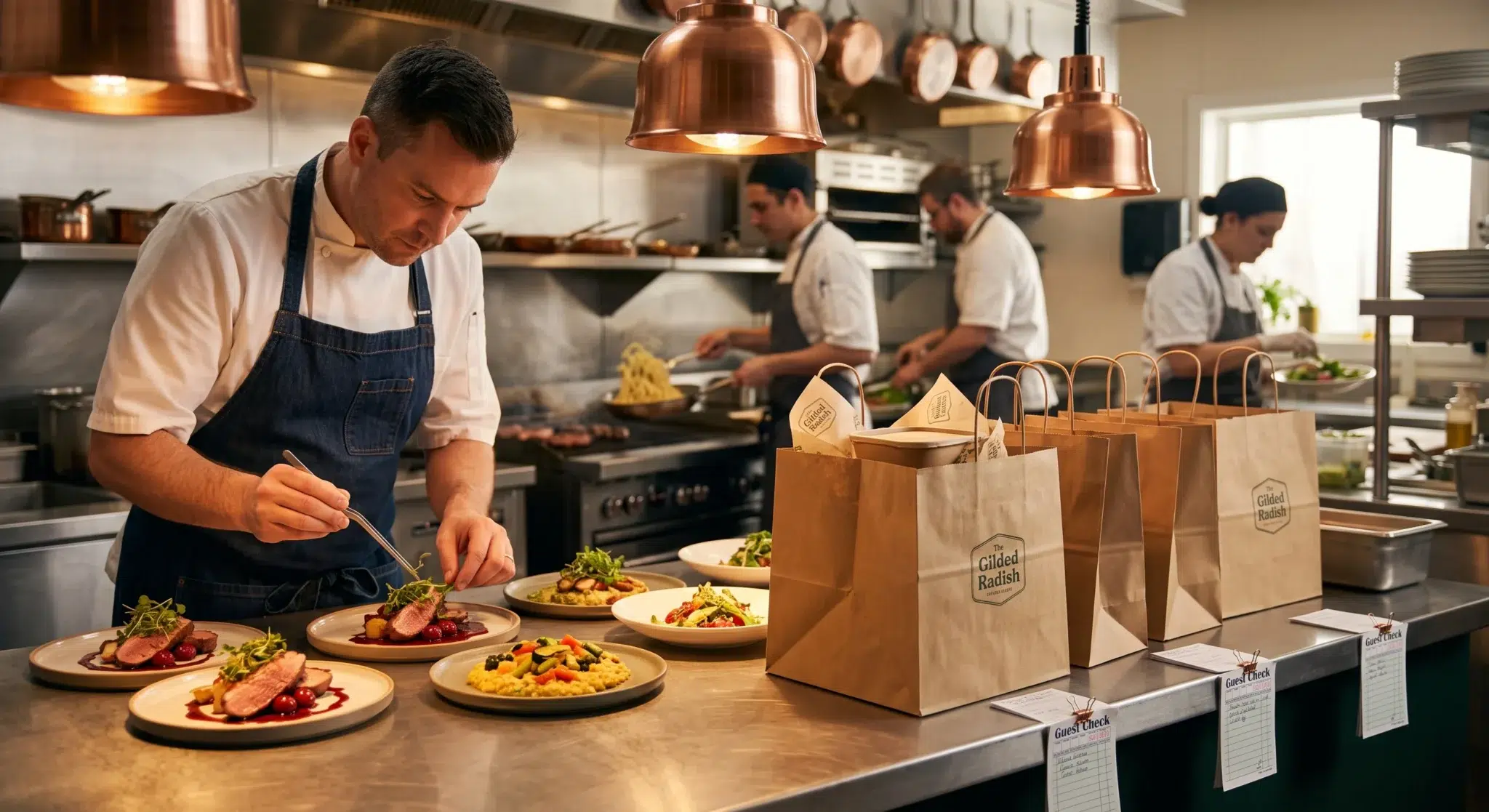
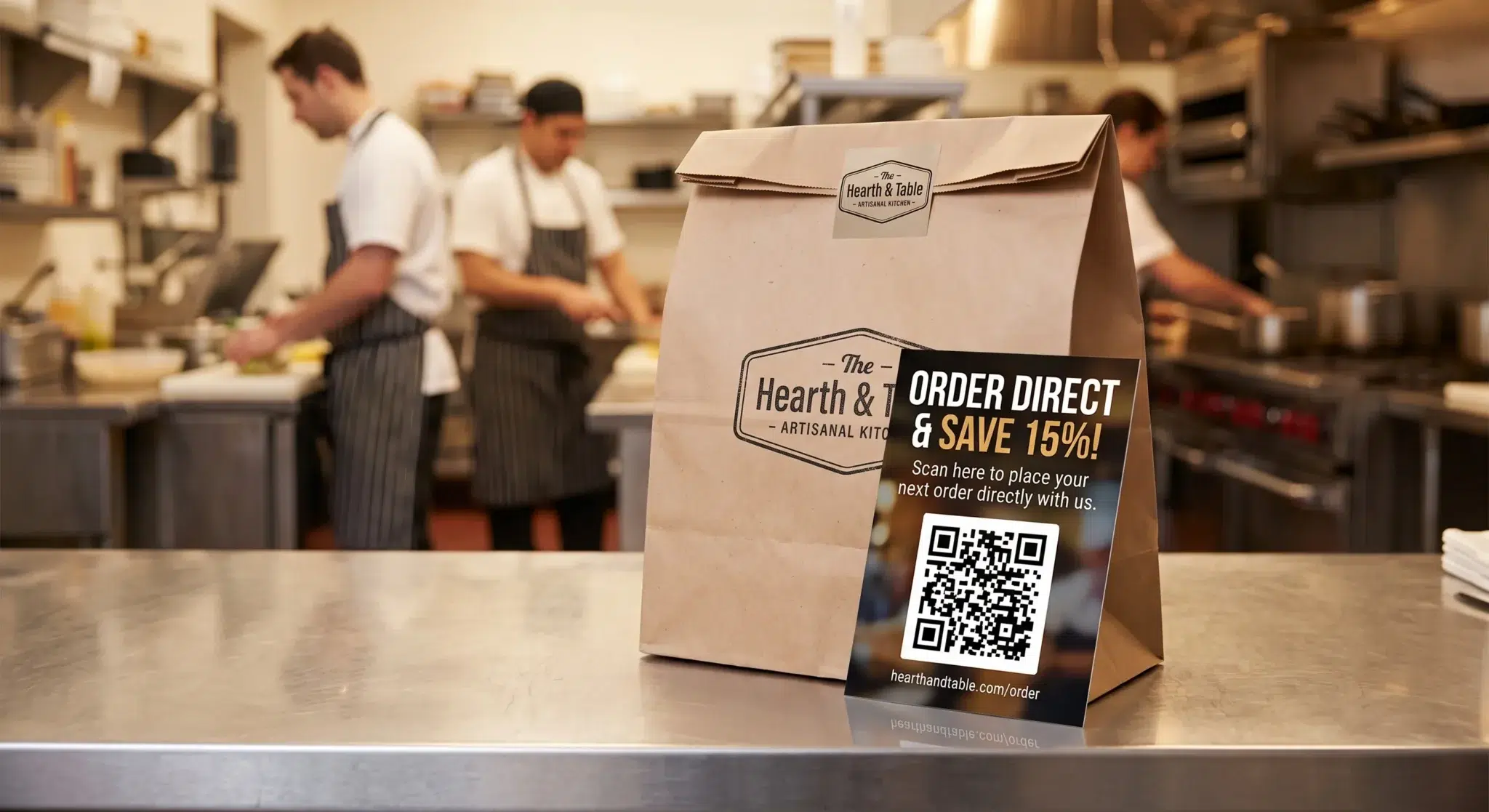
Choosing a creative restaurant name is one of the most important decisions when building a restaurant brand. Before customers taste the food, interact with the staff, or experience the atmosphere, they usually encounter the restaurant’s name first. That single detail often shapes their first impression and influences whether they become interested enough to visit.
A strong restaurant name does far more than identify the business. It communicates personality, atmosphere, cuisine style, and brand identity. In today’s competitive restaurant industry, where customers constantly discover new dining options through social media, Google searches, delivery apps, and online reviews, memorable branding has become essential.
Restaurants compete not only on food quality but also on emotional connection and customer recall. A creative and distinctive name helps restaurants stand out in crowded markets while making the business easier to remember and recommend.
The best restaurant names often create immediate associations related to:
- Dining atmosphere
- Cuisine style
- Luxury or affordability
- Comfort or excitement
- Tradition or modernity
Whether opening a modern café, upscale steakhouse, family restaurant, fusion kitchen, or fast-casual concept, choosing the right name can influence marketing success, customer perception, and long-term brand growth.
This guide explores how to create a creative restaurant name, where to find inspiration, common naming mistakes, branding strategies, legal considerations, and how restaurant technology helps modern food businesses operate more efficiently.
Table of Contents
- Why a Creative Restaurant Name Matters
- How to Choose a Creative Restaurant Name
- Creative Restaurant Name Ideas and Inspiration
- The Role of Branding in Restaurant Naming
- Common Mistakes to Avoid When Naming a Restaurant
- How Restaurant Names Influence Customer Attraction
- Legal Considerations for Restaurant Names
- Examples of Successful Restaurant Names
- How Biyo POS Supports Modern Restaurant Businesses
- Frequently Asked Questions
Why a Creative Restaurant Name Matters
A restaurant name becomes the foundation of a restaurant’s identity. Long before customers experience the menu or interior design, the name creates expectations about the dining experience.
A carefully chosen restaurant name can influence how customers perceive:
- Food quality
- Restaurant personality
- Price range
- Dining atmosphere
- Brand professionalism
For example, a restaurant called “Velvet Ember Steakhouse” creates a completely different emotional impression compared to a name like “Downtown Grill Express.”
Neither name is necessarily wrong, but each communicates a different customer experience and target audience.
Modern restaurant marketing depends heavily on memorability. Customers are more likely to recommend, search for, and revisit restaurants with names that are easy to recall and emotionally engaging.
In digital environments, discoverability matters even more. Restaurant names appear across:
- Google search results
- Food delivery apps
- Social media platforms
- Online review websites
- Maps and navigation apps
A weak or generic name can make it harder for a restaurant to stand out online, especially in highly competitive local markets.
Building Emotional Connection Through Naming
Restaurant names often create emotional associations before customers even enter the building.
Words connected to warmth, fire, nature, comfort, luxury, or freshness naturally influence perception. Names such as “Harvest Table,” “Copper Flame,” or “Hidden Garden Café” immediately create stronger mental imagery than generic business titles.
This emotional branding helps restaurants become more memorable while creating stronger customer curiosity.
Strong names also improve word-of-mouth marketing because customers can easily remember and share them with others.
Standing Out in Competitive Food Markets
The restaurant industry is one of the most competitive industries globally.
In many cities, customers can choose from hundreds or even thousands of dining options within a small geographic area.
A creative restaurant name helps businesses separate themselves from competitors while building a recognizable identity.
Distinctive branding becomes especially important for independent restaurants competing against national chains with larger marketing budgets.
A memorable name helps smaller restaurants create stronger local recognition and customer loyalty.

How to Choose a Creative Restaurant Name
Choosing a creative restaurant name requires balancing creativity with practicality.
The strongest restaurant names usually appear simple and natural, but they often result from careful strategic thinking.
Align the Name With the Restaurant Concept
A restaurant’s name should reflect its overall concept and dining experience.
Different restaurant categories often benefit from different naming styles.
For example:
- Italian restaurants may reference trattorias, vineyards, or regional culture
- Luxury steakhouses often use premium or sophisticated wording
- Modern cafés may use minimalist or trendy branding
- Family restaurants may emphasize warmth and comfort
The goal is to help customers quickly understand the restaurant’s identity through the name itself.
A mismatch between the name and the dining experience can create customer confusion.
Keep the Name Easy to Remember
Simple and memorable names usually perform better than overly complicated ones.
Restaurants benefit from names that are:
- Easy to pronounce
- Easy to spell
- Easy to search online
- Easy to recommend verbally
If customers struggle to remember or pronounce the name correctly, marketing becomes more difficult.
Shorter names also work more effectively across logos, signage, packaging, and social media handles.
Think Beyond Short-Term Trends
Some restaurant owners choose trendy names that feel modern initially but age poorly over time.
A strong restaurant name should remain flexible enough to support long-term growth and brand evolution.
Timeless branding usually outperforms names heavily tied to temporary internet trends or slang.
Restaurants planning future expansion especially benefit from names that remain adaptable and professional over time.
Creative Restaurant Name Ideas and Inspiration
Restaurant naming inspiration can come from many different sources. The goal is not simply choosing attractive words but creating meaningful brand identity.
Location-Based Restaurant Names
Many successful restaurants reference local neighborhoods, landmarks, regions, or geographic identity.
Examples may include:
- Riverstone Kitchen
- Harbor House Grill
- Maple Street Café
- Old Town Bistro
Location-inspired names often create stronger local connection and community familiarity.
Ingredient and Culinary-Inspired Names
Food-related names immediately communicate culinary identity and sensory appeal.
Examples include:
- The Rustic Olive
- Golden Basil
- Smoked & Salted
- Firewood Kitchen
These names help customers visualize flavors, cooking techniques, and atmosphere before they even see the menu.
Atmosphere and Mood-Based Naming
Some restaurants focus more heavily on emotional branding and ambiance.
Examples include:
- Velvet Ember
- Moonstone Dining
- The Hidden Garden
- Midnight Flame
These names help create mood and storytelling around the dining experience.
Emotion-driven branding often works especially well for fine dining, cocktail lounges, and boutique restaurant concepts.
The Role of Branding in Restaurant Naming
A restaurant name should work together with the entire branding strategy rather than existing independently.
The name influences:
- Logo design
- Interior décor
- Menu presentation
- Packaging
- Social media identity
- Marketing campaigns
Strong restaurant branding creates consistency across every customer interaction.
Visual Identity and Logo Compatibility
Some names naturally perform better visually than others.
Restaurant owners should consider how the name appears on:
- Storefront signage
- Menus
- Delivery packaging
- Website headers
- Mobile apps
Clean, visually balanced names often create stronger branding flexibility and easier logo development.
Digital Branding and Online Visibility
Modern restaurants rely heavily on digital marketing visibility.
Restaurant names should ideally support:
- Available domain names
- Consistent social media usernames
- Strong search engine visibility
- Brand uniqueness online
Highly generic restaurant names often struggle with SEO because they compete against broad search terms.
Distinctive names usually perform better digitally because they face less search competition.
Common Mistakes to Avoid When Naming a Restaurant
Restaurant owners frequently make avoidable naming mistakes that create long-term branding problems.
Using Overly Complicated Names
Names that are too long or difficult to pronounce reduce memorability.
Complicated names may also create challenges for:
- Online searches
- Social sharing
- Word-of-mouth marketing
- Logo design
Simple names are often more effective because they remain easier for customers to remember.
Choosing Generic Names
Names such as “City Grill Restaurant” or “Downtown Café” may describe the business but fail to create strong identity.
Generic names rarely stand out in crowded restaurant markets.
Distinctive branding helps businesses become more memorable and recognizable over time.
Ignoring Cultural and Language Meanings
Restaurant names should be researched carefully across languages and cultural contexts.
Words may carry unintended meanings or associations in different markets.
This becomes especially important for restaurants targeting international audiences or multicultural communities.
How Restaurant Names Influence Customer Attraction
Restaurant names directly affect customer psychology and marketing performance.
A strong name can increase curiosity, improve recall, and encourage social sharing.
Creating Strong Emotional Associations
Certain words naturally trigger emotional responses connected to:
- Luxury
- Comfort
- Freshness
- Warmth
- Nature
- Tradition
Words like “Oak,” “Harvest,” “Copper,” “Garden,” and “Ember” create strong sensory associations that feel visually and emotionally engaging.
These subtle psychological effects influence how customers perceive the restaurant before visiting.
Encouraging Word-of-Mouth Marketing
Restaurants with memorable names often benefit from stronger organic promotion.
Customers are more likely to:
- Recommend the restaurant
- Tag it on social media
- Mention it in reviews
- Search for it later
Strong naming improves visibility across both offline and online conversations.
Legal Considerations for Restaurant Names
Before finalizing a restaurant name, owners should carefully research trademark and legal availability.
Branding conflicts can become expensive if discovered after signage, menus, and marketing materials are already produced.
Trademark and Business Name Searches
Restaurant owners should verify that the name is not already:
- Trademarked
- Registered locally
- Used by nearby competitors
- Protected under existing business registrations
Trademark registration may also help protect the brand long term as the business grows.
Checking Digital Availability
Modern restaurant branding also requires checking:
- Website domain availability
- Instagram usernames
- TikTok handles
- Google Business compatibility
Consistent branding across platforms strengthens recognition and simplifies marketing.
Examples of Successful Restaurant Names
Many globally recognized restaurants built powerful brand identity partly through memorable naming.
Examples include:
- The Fat Duck
- Noma
- Nobu
- Momofuku
- Shake Shack
These names feel distinctive, emotionally engaging, and strongly connected to the restaurant’s personality.
Importantly, successful names work together with strong customer experience, food quality, and branding consistency.

How Biyo POS Supports Modern Restaurant Businesses
Biyo POS helps restaurants streamline operations through integrated cloud-based restaurant management technology.
The platform supports:
- Table management
- Kitchen coordination
- Inventory tracking
- Integrated payment processing
- Restaurant analytics
- Customer management
- Digital menu systems
- Multi-location support
Modern restaurants require efficient operational systems to support strong branding, smooth service, and scalable growth.
Biyo POS helps restaurants improve operational visibility while simplifying day-to-day management across both front-of-house and back-of-house operations.
If you want to modernize restaurant operations and strengthen customer experiences, you can create an account or explore how Biyo POS supports modern food businesses.
Frequently Asked Questions
Why is a creative restaurant name important?
A creative restaurant name helps businesses stand out, improve memorability, strengthen branding, and attract customer attention.
How can I make my restaurant name unique?
You can create unique restaurant names by combining meaningful words, using local inspiration, referencing ingredients, or building emotional brand associations.
What should I avoid when naming a restaurant?
Avoid names that are too long, difficult to pronounce, overly generic, culturally insensitive, or too similar to existing restaurants.
Should a restaurant name match the cuisine style?
Yes. Strong restaurant names usually align with the cuisine type, atmosphere, and customer experience the restaurant wants to deliver.
Do restaurant names affect marketing success?
Yes. Memorable restaurant names improve word-of-mouth marketing, social sharing, online visibility, and customer recall.
How does Biyo POS help restaurants?
Biyo POS helps restaurants manage payments, inventory, reporting, kitchen workflows, and customer operations through integrated cloud-based tools.
s.