
Running a restaurant is fast, exciting, and demanding. However, without strong financial control, even busy dining rooms can struggle. That is why every owner needs a clear and practical Restaurant Bookkeeping Guide. When you understand your numbers, you gain control over profit, cash flow, and long-term stability.
This Restaurant Bookkeeping Guide breaks down restaurant accounting basics in simple language. It also explains bookkeeping for restaurants step by step so you can apply it immediately. Whether you are improving systems now or preparing for restaurant bookkeeping 2026, this guide will help you build smarter restaurant financial management processes.
Table of Contents
- Building a Strong Bookkeeping Foundation
- Understanding Core Financial Statements
- Controlling Costs with Accurate Tracking
- Daily and Weekly Bookkeeping Processes
- Using Technology to Simplify Restaurant Bookkeeping
- Frequently Asked Questions
Building a Strong Bookkeeping Foundation
A strong system begins with structure. Without organization, numbers become confusing and unreliable. Therefore, this section of the Restaurant Bookkeeping Guide focuses on setting up the right foundation.
Creating a Clear Chart of Accounts
A chart of accounts organizes all financial activity. It separates income, expenses, assets, and liabilities into clean categories. As a result, reporting becomes accurate and easy to understand.
For bookkeeping for restaurants, your chart should include food sales, beverage sales, payroll, rent, utilities, marketing, and maintenance. Clear expense categorization improves visibility. Therefore, you can identify problems early.
This Restaurant Bookkeeping Guide recommends reviewing your chart quarterly. Over time, adjustments keep your financial system aligned with growth.
Once your structure is clear, the next step involves financial separation.
Separating Business and Personal Finances
Many restaurant owners mix personal and business expenses. However, this habit creates accounting confusion and tax risk. You should open a dedicated business bank account immediately.
Separate credit cards simplify expense categorization. Meanwhile, monthly reconciliations become faster and cleaner. As a result, restaurant financial management improves.
A disciplined Restaurant Bookkeeping Guide always emphasizes separation. Clean boundaries protect both your business and your peace of mind.
After separation, you must decide how transactions will be recorded.
Choosing the Right Accounting Method
Restaurants typically choose cash or accrual accounting. Cash accounting records money when received or paid. In contrast, accrual accounting records transactions when they occur.
Accrual accounting provides deeper insight. For instance, it shows unpaid invoices and outstanding bills clearly. Therefore, forecasting becomes more accurate.
This Restaurant Bookkeeping Guide suggests that growing restaurants consider accrual systems, especially when planning for restaurant bookkeeping 2026.
 Understanding Core Financial Statements
 Understanding Core Financial Statements
Financial statements tell the real story of your restaurant. Instead of guessing, you rely on data. This part of the Restaurant Bookkeeping Guide explains the most important reports.
Reading the Profit and Loss Statement
The profit and loss statement summarizes revenue and expenses over a period. It shows whether you earned or lost money. Therefore, it serves as your primary performance indicator.
This report highlights food cost accounting and payroll management clearly. For example, you can compare labor percentages month over month. As a result, cost control improves.
A complete Restaurant Bookkeeping Guide encourages weekly P&L reviews. Frequent analysis prevents surprises.
However, profit alone does not guarantee stability.
Mastering Cash Flow Tracking
Cash flow tracking monitors money entering and leaving your business. Even profitable restaurants can struggle without liquidity. Therefore, this report deserves close attention.
Rent, payroll, and supplier payments require steady cash. Meanwhile, delayed receivables can create stress. As a result, proactive monitoring reduces risk.
Every serious Restaurant Bookkeeping Guide prioritizes cash flow tracking as a core practice.
Beyond income and cash, long-term stability matters.
Analyzing the Balance Sheet
The balance sheet lists assets, liabilities, and equity. It shows what you own and what you owe. Therefore, it reflects financial strength.
Equipment, inventory, and cash count as assets. Loans and unpaid invoices appear as liabilities. Consequently, you gain a complete picture of your position.
This Restaurant Bookkeeping Guide recommends reviewing the balance sheet monthly to track long-term progress.
Controlling Costs with Accurate Tracking
Cost control protects profit. High sales cannot compensate for poor expense management. For that reason, this section of the Restaurant Bookkeeping Guide focuses on detailed tracking.
Improving Food Cost Accounting
Food cost accounting tracks ingredient purchases and usage. You calculate food cost percentage by dividing food expenses by food sales. Therefore, you see how efficiently inventory converts into revenue.
If food cost rises unexpectedly, profit shrinks quickly. For instance, portion size errors or supplier price increases can cause spikes. As a result, weekly inventory checks become essential.
This Restaurant Bookkeeping Guide recommends consistent variance analysis to reduce waste and protect margins.
Labor expenses require equal attention.
Strengthening Payroll Management
Payroll management includes wages, overtime, and benefits. Labor often represents one of the largest operating costs. Therefore, careful monitoring is critical.
Scheduling based on projected sales prevents overstaffing. Meanwhile, tracking labor cost ratios improves efficiency. As a result, profitability increases.
A modern Restaurant Bookkeeping Guide integrates payroll review into weekly reporting routines.
Other operating expenses also deserve structure.
Organizing Expense Categorization
Expense categorization groups spending into rent, utilities, insurance, marketing, and supplies. Clear categories create clean reports. Therefore, analysis becomes easier.
Monthly reviews highlight unusual patterns. For example, rising utility costs may signal equipment issues. As a result, corrective action happens sooner.
This Restaurant Bookkeeping Guide emphasizes disciplined categorization as part of restaurant accounting basics.
Daily and Weekly Bookkeeping Processes
Consistency builds financial accuracy. Small daily actions prevent large accounting problems. Therefore, this part of the Restaurant Bookkeeping Guide outlines essential routines.
Daily Sales Reconciliation
Daily reconciliation compares POS sales with bank deposits. It confirms accuracy across payment methods. As a result, discrepancies surface quickly.
Cash overages or shortages require immediate investigation. Meanwhile, early detection reduces fraud risk. Therefore, daily review becomes non-negotiable.
This Restaurant Bookkeeping Guide identifies reconciliation as a foundational practice for bookkeeping for restaurants.
Weekly reviews deepen oversight.
Weekly Expense Review
Weekly expense reviews highlight unusual spending quickly. For example, sudden supply increases appear within days. Therefore, managers can respond before costs escalate.
You compare invoices against budgeted amounts regularly. As a result, financial discipline strengthens. Short review cycles improve responsiveness.
A structured Restaurant Bookkeeping Guide ensures that no expense category goes unchecked.
Monthly reporting connects short-term data to strategy.
Monthly Financial Reporting
Monthly reporting includes P&L statements, balance sheets, and cash flow tracking summaries. Together, these reports provide a complete performance view. Therefore, strategic planning improves.
Instead of focusing on isolated numbers, owners analyze trends. As a result, they identify patterns early. Meanwhile, long-term forecasting becomes more reliable.
This Restaurant Bookkeeping Guide recommends monthly financial meetings to review results and adjust plans.
Using Technology to Simplify Restaurant Bookkeeping
Technology reduces manual errors. It also saves time and improves visibility. Therefore, this final section of the Restaurant Bookkeeping Guide explores digital tools.
Integrating POS with Accounting Software
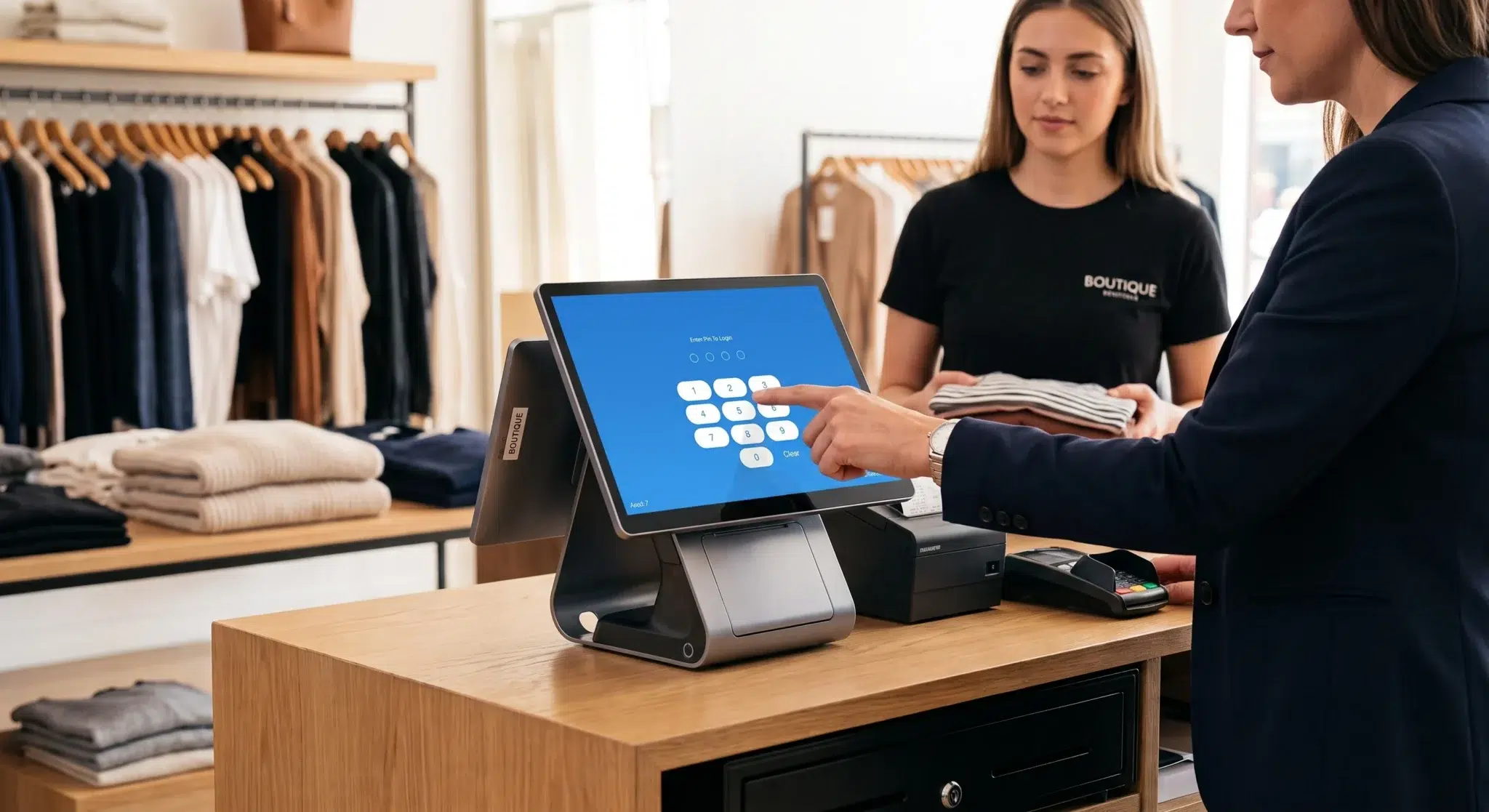
Modern POS systems sync sales data directly with accounting platforms. As a result, manual entry decreases. Accuracy improves immediately.
Automatic categorization speeds up reporting. Meanwhile, tax calculations become easier to manage. Therefore, bookkeeping for restaurants becomes less stressful.
This Restaurant Bookkeeping Guide encourages automation to prepare for restaurant bookkeeping 2026.
Live visibility strengthens decision-making.
Using Real-Time Financial Dashboards
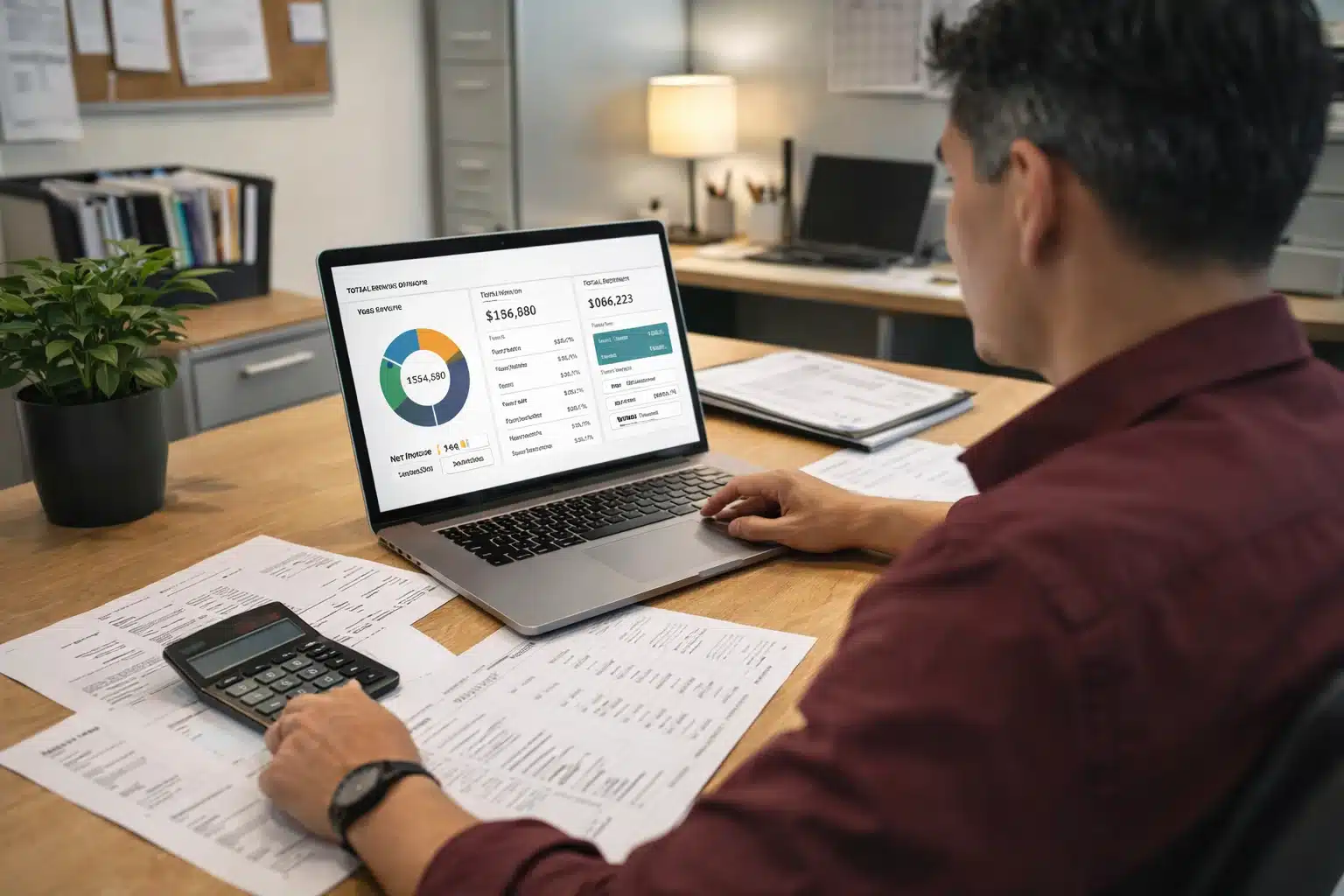
Dashboards display profit and loss statement data instantly. Owners can review key metrics daily. As a result, small issues do not grow unnoticed.
Real-time tracking improves restaurant financial management. Meanwhile, faster decisions protect margins. Therefore, proactive leadership becomes easier.
Every advanced Restaurant Bookkeeping Guide includes dashboard monitoring as a best practice.
Centralization supports growth across locations.
Centralizing Data for Multi-Location Restaurants
Multi-unit operators require unified reporting. Centralized systems combine performance data across locations. Therefore, comparisons become simple.
Standardized reporting improves consistency. Meanwhile, leadership gains a clear overview of performance. As a result, expansion becomes more manageable.
This scalable Restaurant Bookkeeping Guide supports both single-location owners and growing brands.
How Biyo POS Supports Your Restaurant Bookkeeping Guide
 How Biyo POS Supports Your Restaurant Bookkeeping Guide
Biyo POS simplifies restaurant financial management through real-time reporting, automated expense categorization, and integrated sales tracking. As a result, restaurant accounting basics become easier to manage daily. The platform supports food cost accounting, payroll visibility, and detailed cash flow tracking in one dashboard.
If you want to strengthen your Restaurant Bookkeeping Guide, Biyo POS offers the tools to make bookkeeping for restaurants more efficient. You can schedule a call here to explore features. You may also create your account directly at this signup page.
Frequently Asked Questions
Why is a Restaurant Bookkeeping Guide important?
A Restaurant Bookkeeping Guide provides structure and clarity. It ensures accurate tracking of revenue, expenses, and cash flow.
How often should restaurants review financial reports?
Restaurants should review sales daily, expenses weekly, and full financial statements monthly. Frequent reviews improve control.
What is included in restaurant accounting basics?
Restaurant accounting basics include profit and loss statements, balance sheets, cash flow tracking, payroll management, and expense categorization.
How does technology improve bookkeeping for restaurants?
Integrated POS systems automate sales reporting and financial summaries. As a result, errors decrease and efficiency improves.
What should restaurants focus on for restaurant bookkeeping 2026?
Restaurant bookkeeping 2026 will emphasize automation, real-time dashboards, and stronger restaurant financial management practices.