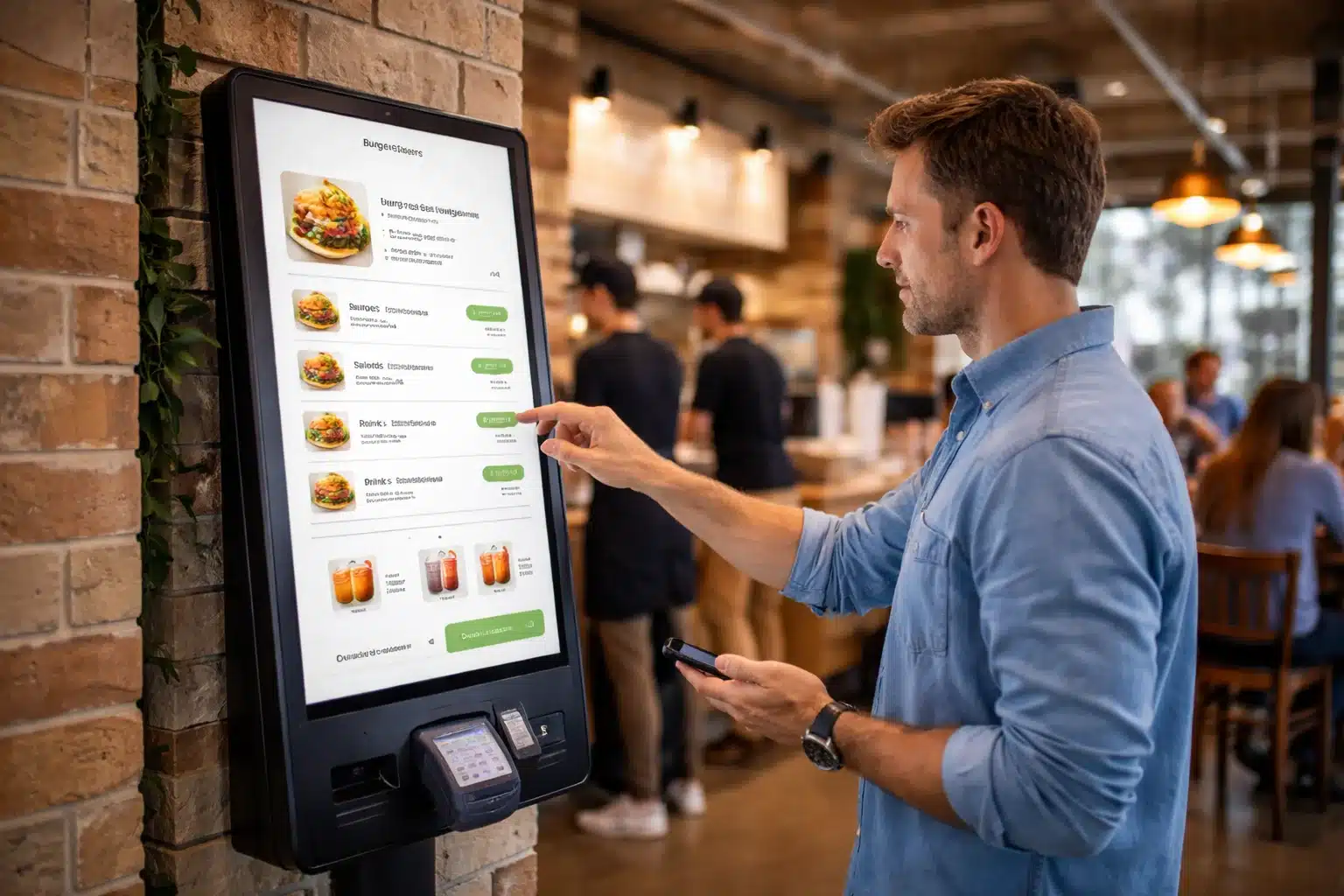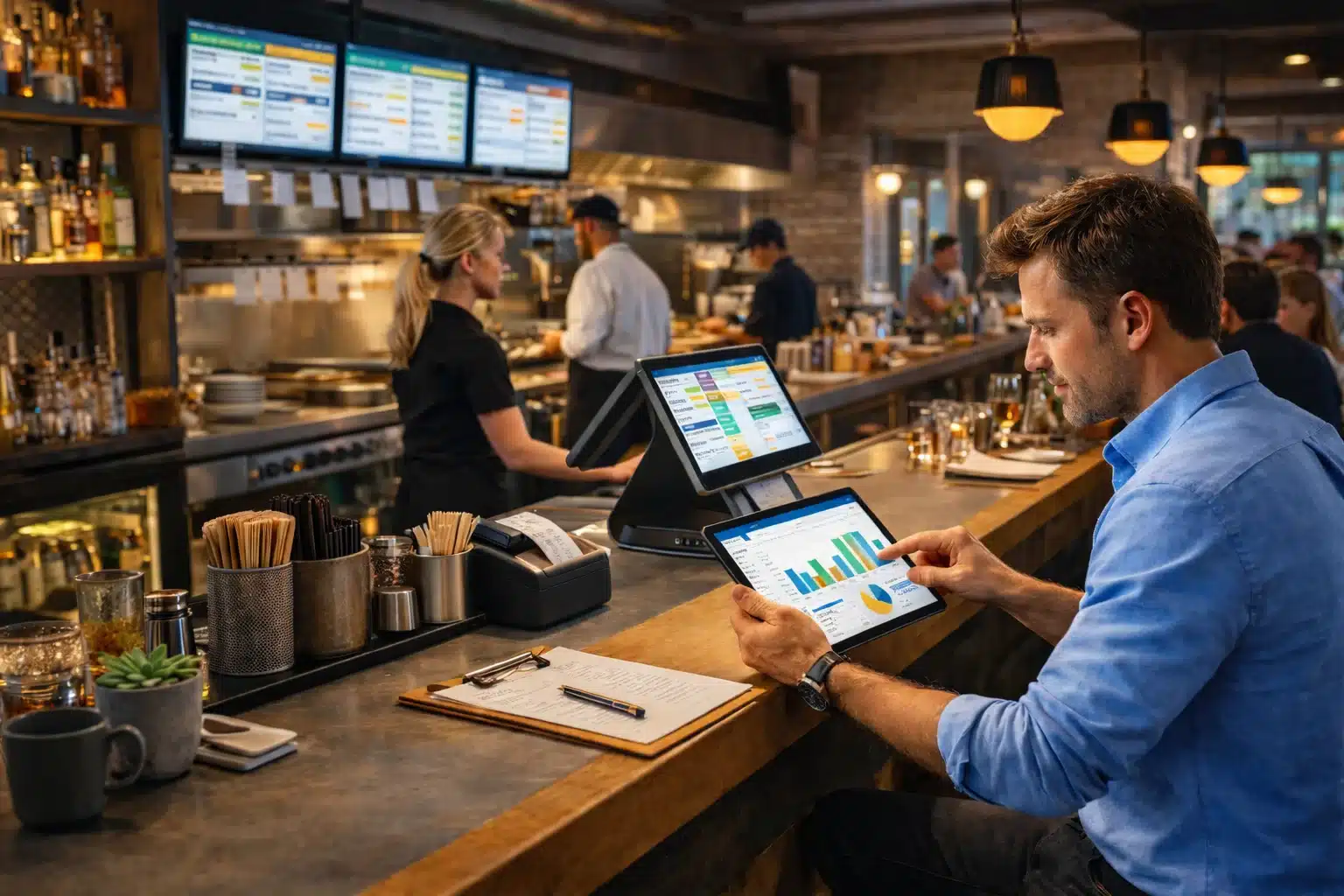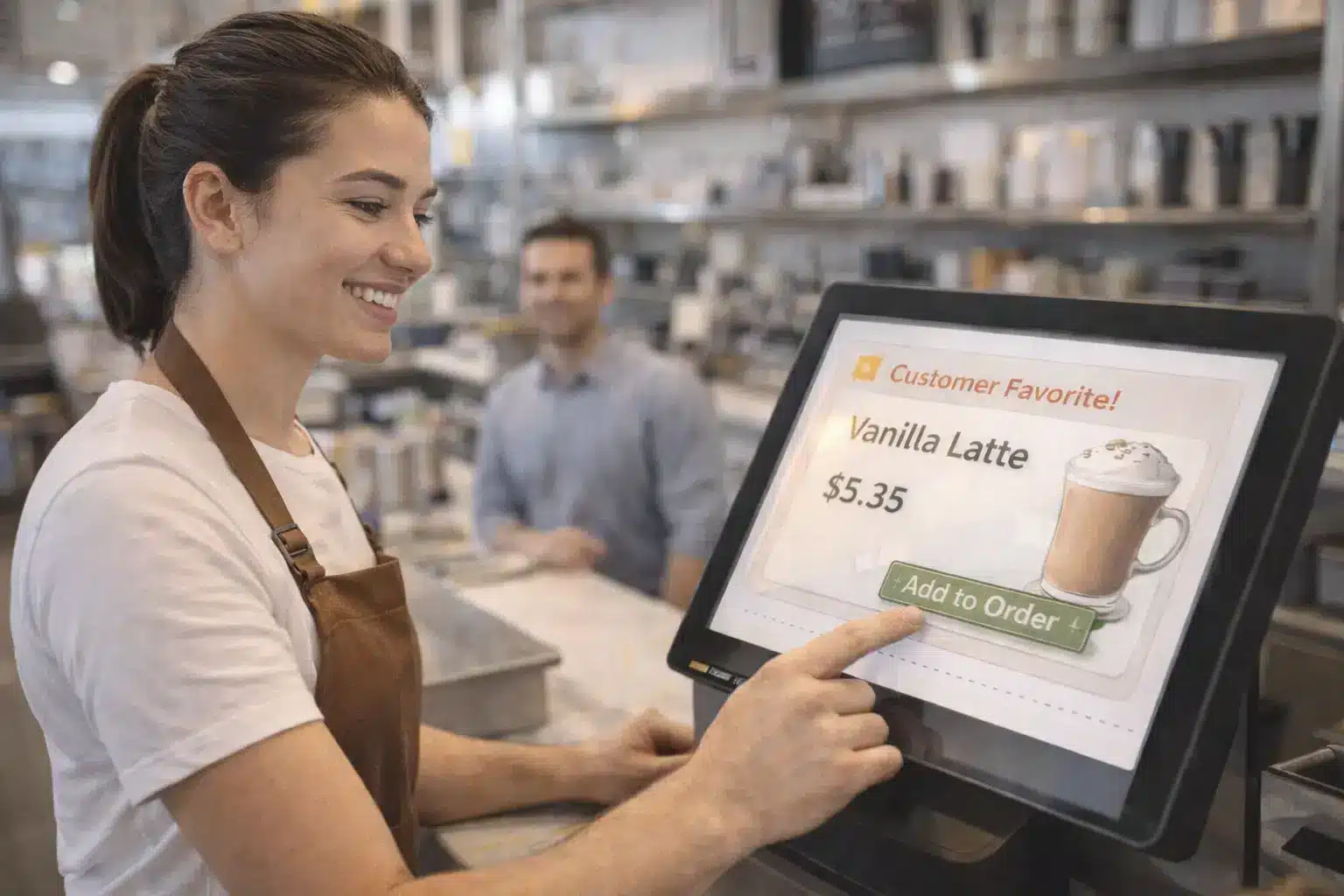

In today’s hyper-competitive market, personalization in POS has become more than a luxury—it’s a necessity. Businesses that prioritize customer experiences gain a major advantage, and point-of-sale systems play a pivotal role in enabling that. From remembering past purchases to offering tailored promotions, modern POS systems can help businesses foster loyalty, boost sales, and create lasting impressions. But how does personalization in POS actually work—and why should you care?
Table of Contents
- Why Personalization in POS Matters
- How POS Systems Enable Personalization
- Key Features of Personalized POS Systems
- Benefits of POS Personalization for Businesses
- Best Practices for Implementing Personalization
- Biyo POS and Personalized Service
- FAQ
Why Personalization in POS Matters
Personalization in POS isn’t just about marketing—it’s about relevance. Today’s customers expect businesses to know their preferences, habits, and history. When you tailor the experience to individual needs, you create stronger emotional connections and improve customer retention. Personalized POS systems allow service and retail businesses to tap into real-time customer data, offering smarter interactions and better timing.
Enhancing Customer Loyalty
Loyalty grows when customers feel seen. POS personalization lets you reward frequent purchases, acknowledge birthdays, and offer relevant deals. A smart POS system acts like a memory bank, remembering preferences to create meaningful touchpoints. This leads to more repeat business and stronger brand loyalty.
For example, imagine a salon that remembers a customer’s preferred stylist or shampoo brand. Every visit feels smoother and more personal—encouraging repeat appointments and referrals.
When customers experience tailored service, they’re more likely to spend more and return sooner. This drives lifetime value and boosts your bottom line.
Boosting Engagement with Tailored Offers
Instead of sending generic promotions, a personalized POS lets you generate offers based on purchase history. If a customer always buys gluten-free items, your system can trigger a coupon for gluten-free products. This relevance increases open rates, click-throughs, and conversion rates.
Engagement also rises when businesses acknowledge customer preferences. Segmenting by location, gender, or past spending behavior leads to campaigns that feel intentional, not intrusive.
As a result, marketing spend becomes more efficient, with higher ROI on each promotion or message delivered.
Improving Staff Efficiency
With personalization features built into your POS, staff don’t have to ask repetitive questions. A returning customer’s preferences can pop up automatically, enabling smoother service. This reduces friction and speeds up transactions.
Employees can also use this data to upsell relevant products or services, guided by past behavior rather than guesswork.
Less guesswork leads to faster service, better accuracy, and higher satisfaction—benefiting both staff and customers.
 How POS Systems Enable Personalization
 How POS Systems Enable Personalization
Modern POS platforms collect and store customer data with every transaction. From names and emails to detailed purchase history, this data forms the foundation of a more personal shopping experience. The system becomes smarter with each visit, allowing real-time personalization on the spot.
Data Collection and Integration
POS systems today are more than cash registers. They’re digital hubs that collect data from multiple channels—online orders, loyalty apps, email campaigns, and more. This integration gives a 360-degree view of each customer.
When systems integrate with CRMs or email tools, the data becomes even more actionable. You can see who hasn’t visited recently or who only shops on weekends and target them accordingly.
This seamless data flow supports personalization at every touchpoint, from marketing to the checkout counter.
Real-Time Updates and Smart Suggestions
Personalized POS systems can suggest upsells in real time based on what’s in a customer’s cart. For instance, if someone orders a burger, the system might suggest a side dish or dessert based on their past preferences.
This real-time logic improves sales without being pushy. Customers often welcome these suggestions because they feel helpful—not forced.
Plus, with instant updates, businesses can adjust offers or stock based on customer behavior without delay.
Customer Profiles and Purchase History
Each customer interaction adds to their profile. Over time, businesses can build a robust history of preferences, buying patterns, and average spend.
These profiles can be segmented for targeted campaigns. You might send a special offer to high spenders or re-engage lapsed customers with a loyalty perk.
Having this history available in the POS interface helps staff personalize service even without knowing the customer personally.
Key Features of Personalized POS Systems
Not all POS systems offer personalization. Here are key features to look for when choosing a system that supports it effectively.
Loyalty Integration
Built-in loyalty tools allow customers to earn and redeem rewards easily. These tools often automate point tracking and offer suggestions based on reward status.
Loyalty integration encourages repeat visits and allows for targeted promotions to high-value customers.
Customers also appreciate seeing their reward status in real time, which builds trust and encourages continued engagement.
Customizable Receipts and Messages
Personalized messages on receipts—like “Thanks, Alex!” or “You saved $5 today!”—go a long way. These messages feel thoughtful and relevant.
You can also include tailored promotions for the next visit, based on what was just purchased.
This simple feature reinforces brand consistency and boosts post-purchase engagement.
Dynamic Customer Segmentation
Smart POS platforms let you group customers by behavior: frequent visitors, big spenders, seasonal shoppers, etc. Then you can tailor your communication to each group.
Dynamic segmentation means you’re always marketing to the right people with the right message. It avoids spamming and increases response rates.
Better targeting means happier customers—and better results.
Benefits of POS Personalization for Businesses
The results of implementing personalization in POS go far beyond smiles at checkout. Here’s how it impacts business performance overall.
Increased Sales and Revenue
When you tailor experiences, you sell more—plain and simple. Upselling, repeat business, and loyalty rewards all contribute to higher average order values.
Customers who feel valued tend to spend more and visit more frequently.
This revenue lift happens organically, without needing costly ad campaigns or deep discounts.
Higher Customer Satisfaction
Personalized service eliminates guesswork and delivers exactly what customers want. This makes the shopping experience feel smoother and more enjoyable.
Satisfied customers are more likely to leave reviews, refer friends, and remain loyal.
This also lowers churn, reducing the cost of acquiring new customers.
Better Operational Efficiency
POS systems that automate personalization reduce the manual work for staff. Less time on repetitive tasks means more time for quality service.
Automation also reduces errors, improves accuracy, and speeds up transactions.
This leads to leaner operations and more scalable processes.
Best Practices for Implementing Personalization
Getting started with personalization in POS doesn’t have to be complicated. Here’s how to make the process smooth and effective.
Start with Clear Goals
Decide what you want personalization to achieve—higher sales, better retention, or improved satisfaction. Clear goals guide your decisions and help measure success.
Without defined goals, it’s easy to get lost in features that don’t contribute to outcomes.
Stick to KPIs that matter to your bottom line and customer experience.
Train Your Staff
The best POS tools are useless if your team doesn’t know how to use them. Train staff to recognize personalization cues, read customer data, and act on insights.
Encourage your team to use names, remember preferences, and point out loyalty rewards during checkout.
Ongoing training helps reinforce these habits and makes personalized service second nature.
Review and Optimize Regularly
Use POS analytics to see what’s working and what’s not. Which offers convert? Which segments respond best?
Adjust strategies based on real performance. Personalization isn’t one-size-fits-all—it evolves with your audience.
Quarterly reviews and A/B testing can keep your campaigns sharp and effective.
Biyo POS and Personalized Service
 Biyo POS and Personalized Service
Biyo POS offers smart tools to support personalization in POS from day one. Whether you’re running a small café or a multi-location salon, Biyo gives you customer profiles, loyalty integrations, and real-time analytics. It’s all built to enhance service, improve accuracy, and make personalization easy for your team.
Schedule a call to explore how Biyo POS fits your needs or sign up here to try it now.
FAQ
What is personalization in POS?
It refers to using customer data to tailor the shopping experience, offers, and communication based on individual preferences.
Is personalization only for large businesses?
No. Small businesses can use POS tools like Biyo POS to personalize service and compete on experience—not just price.
Does personalization affect customer privacy?
As long as data is stored securely and used ethically, personalization enhances customer trust and satisfaction.