
In today’s competitive market, businesses are no longer competing on price or product—they’re competing on experience. And that’s exactly where personalization in POS becomes a serious advantage.
Customers expect businesses to remember them. What they bought. What they like. What they don’t. If your system treats every customer the same, you’re already behind.
Modern POS systems have evolved far beyond transactions. They now act as customer intelligence engines—collecting, analyzing, and applying data in real time to deliver personalized experiences that increase loyalty, sales, and retention.
Table of Contents
- Why Personalization in POS Matters
- How POS Systems Enable Personalization
- Key Features of Personalized POS Systems
- Business Benefits of POS Personalization
- Best Practices for Implementation
- Advanced Personalization Strategies
- How Biyo POS Enables Personalization
- Frequently Asked Questions
Why Personalization in POS Matters
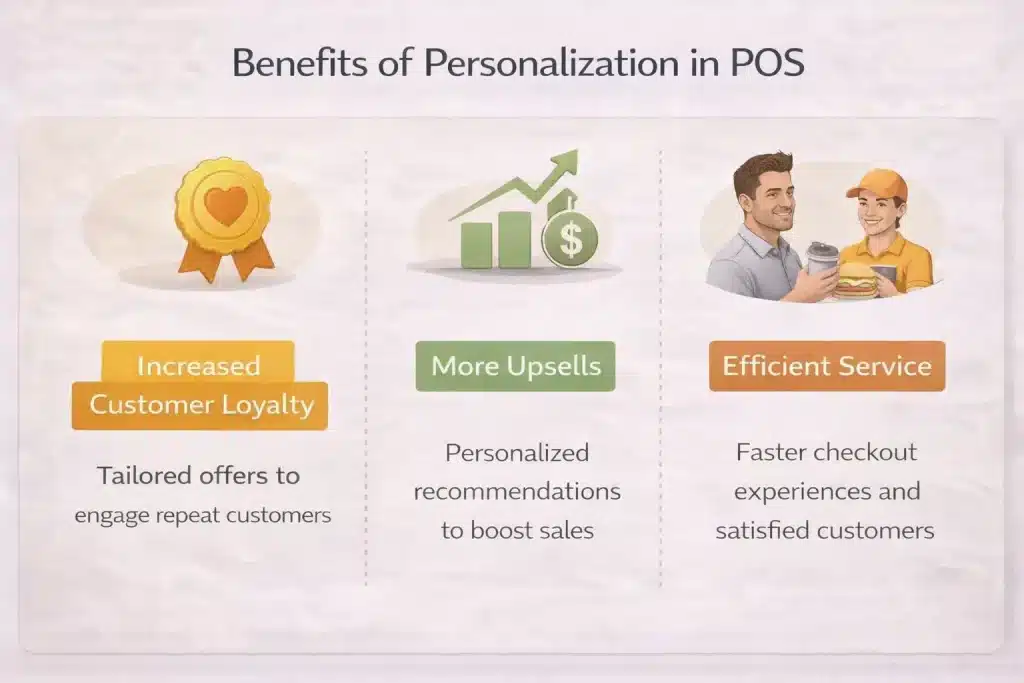
Personalization is not a feature—it’s an expectation. Customers are used to platforms like Netflix and Amazon recommending exactly what they want. When your business doesn’t do the same, it feels outdated.
Customer Loyalty Is Built on Recognition
Customers return where they feel recognized. A POS that remembers purchase history, preferences, and behavior creates a seamless experience.
Example: a café remembering a regular’s order removes friction and builds emotional connection.
Loyalty isn’t built with discounts—it’s built with consistency and familiarity.
Generic Marketing Is Dead
Mass promotions are inefficient. Personalized offers convert better because they are relevant.
Instead of blasting the same offer to everyone, a POS can target:
– frequent buyers
– high spenders
– inactive customers
Relevance increases engagement—and reduces wasted marketing spend.
Operational Efficiency Improves Automatically
When data is available instantly, staff don’t need to guess. They act faster, serve better, and reduce errors.
Less friction = better experience.

How POS Systems Enable Personalization
Personalization is powered by data—and POS systems are the primary source of that data.
Data Collection and Integration
Every transaction adds to customer intelligence.
Modern POS systems collect:
– purchase history
– visit frequency
– spending behavior
– preferences
When integrated with CRM and marketing tools, this becomes a full customer profile.
Real-Time Recommendations
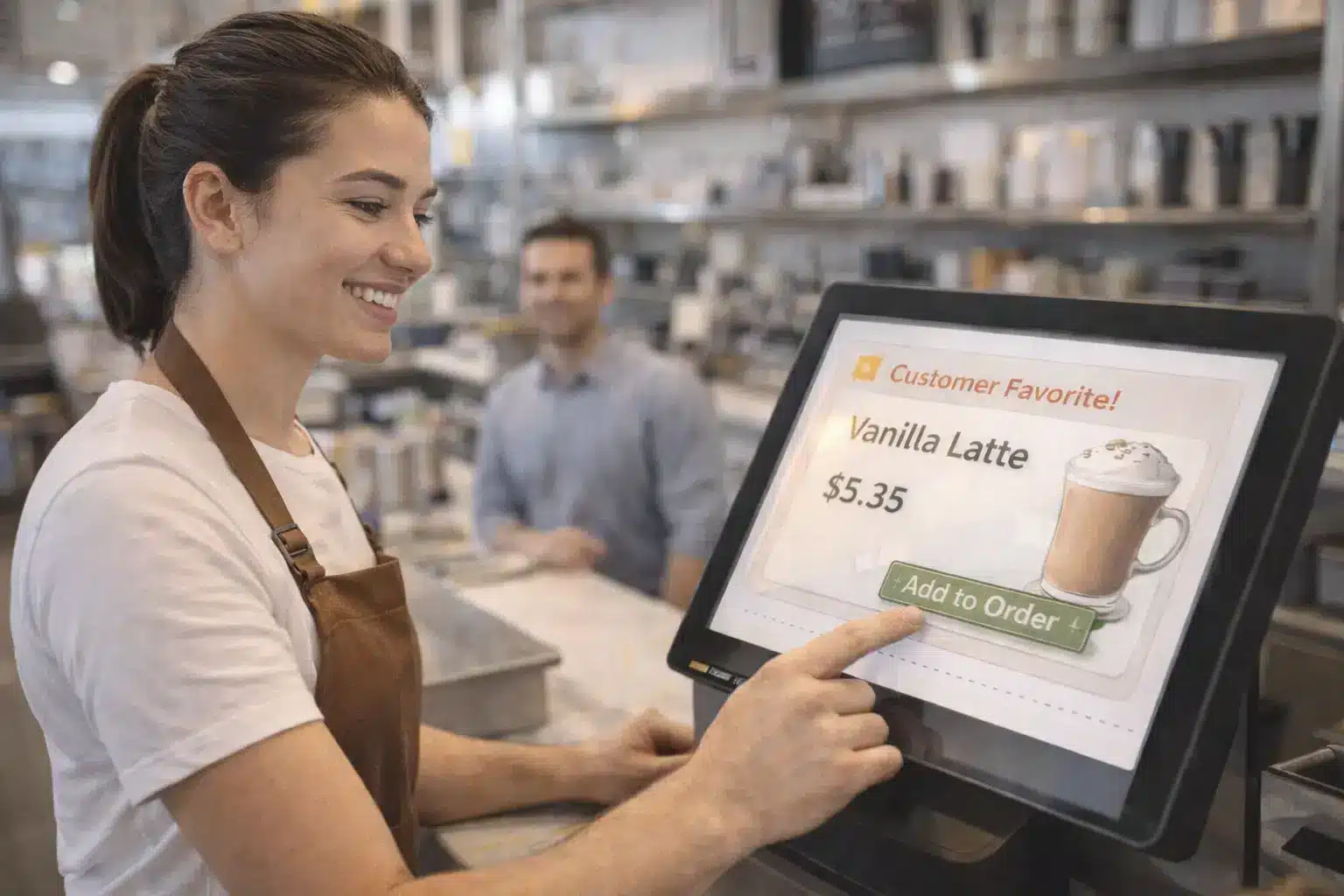
POS systems can suggest products instantly based on behavior.
Example:
– customer buys burger → suggest fries
– repeat buyer → suggest favorite item
This increases average order value without forcing sales.
Customer Profiles
Each customer becomes a data profile—not just a transaction.
Profiles allow:
– targeted campaigns
– better service
– smarter decisions
Data turns random interactions into strategic ones.
Key Features of Personalized POS Systems
Loyalty Programs
Automated rewards systems encourage repeat visits.
Customers see value instantly, which increases retention.
Custom Receipts and Messaging
Small personalization—like using names—has big impact.
Receipts can include:
– personalized offers
– savings highlights
– next-visit incentives
Customer Segmentation
Grouping customers allows targeted marketing.
Segments include:
– frequent buyers
– new customers
– high spenders
This improves campaign performance significantly.
Business Benefits of POS Personalization
Higher Revenue
Personalization increases:
– upsells
– repeat visits
– average order value
More relevance = more sales.
Better Customer Experience
Customers get what they want faster.
This leads to:
– higher satisfaction
– more referrals
– stronger loyalty
Improved Efficiency
Automation reduces manual work.
Staff spend less time asking questions and more time serving customers.
Best Practices for Implementation
Define Clear Goals
Decide what you want:
– retention
– revenue
– engagement
Without clear goals, personalization becomes random.
Train Staff Properly
Technology alone doesn’t create experience—people do.
Train staff to:
– use data
– recognize patterns
– engage customers properly
Continuously Optimize
Track what works and improve it.
Personalization is not static—it evolves.
Advanced Personalization Strategies
Behavior-Based Automation
Trigger messages based on actions, not schedules.
Example:
– no visit in 30 days → send offer
– repeat purchase → send reward
Predictive Recommendations
Use data to anticipate needs before customers ask.
Cross-Channel Personalization
Combine POS with:
– SMS
– email
– loyalty apps
This creates a unified experience.
How Biyo POS Enables Personalization
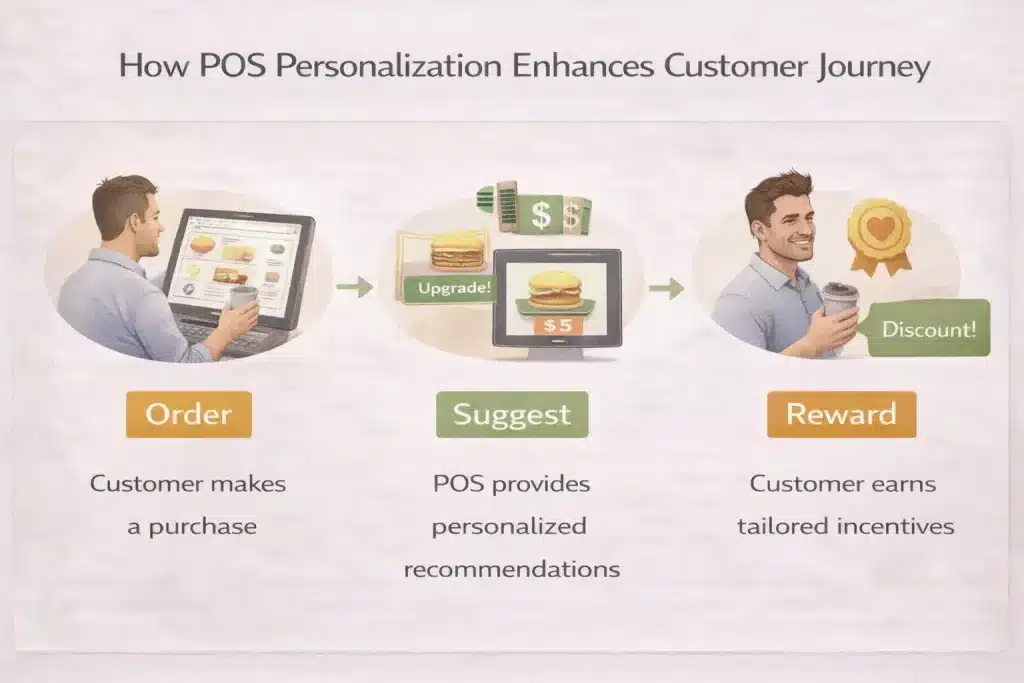
Biyo POS is built to make personalization simple, not complicated.
It provides:
– real-time customer profiles
– purchase tracking
– automated loyalty programs
– targeted promotions
Instead of guessing what customers want, you know.
You can schedule a call to see how it fits your business, or sign up and start using it immediately.
The difference isn’t just data—it’s how you use it.
Frequently Asked Questions
What is personalization in POS?
It means using customer data to customize offers, service, and communication.
Does personalization increase sales?
Yes. Relevant offers and better experiences lead to higher conversions.
Is it expensive to implement?
No. Modern