What are processed foods? This question is more complex than it seems. Processed foods include anything that has been altered from its original state for safety, convenience, or flavor. These can range from simple items like frozen vegetables to heavily altered products such as chips, candy, and instant noodles. While some processing is beneficial—helping preserve freshness and reduce waste—others introduce refined ingredients, additives, and artificial flavors that affect our nutrition and long-term health. Understanding what are processed foods is essential for making informed choices about what we eat daily.
Table of Contents
- Understanding What Processed Foods Really Are
- Different Types of Processed Foods
- Common Food Processing Methods and Their Impact
- Health Effects of Processed Foods
- How to Identify Processed Foods Through Labels
- How Biyo POS Helps Food Businesses Serve Healthier Options
- Frequently Asked Questions (FAQ)
Understanding What Processed Foods Really Are
To fully understand what are processed foods, we need to explore how processing changes the natural form of food. Food processing includes everything from washing, cutting, and freezing to adding artificial ingredients for shelf life or taste. While not all processing is harmful, the degree of alteration often determines its nutritional value. The more a food is changed, the more it drifts away from its natural nutrient profile.
What Exactly Defines Processed Foods?
When people ask, what are processed foods, they often think of fast food or snacks, but the term is much broader. Any food that has been mechanically or chemically modified from its original form qualifies. Examples include frozen meals, canned soups, refined grains, and pre-cooked meats. Even bread and cheese fall under this category, as they undergo specific processing methods before reaching store shelves.
Some processes, like pasteurization, make food safer by killing bacteria. Others, like hydrogenation or bleaching, alter the food’s natural makeup and can reduce its health benefits. The goal is to find balance: choosing foods processed for safety rather than artificial flavor or long shelf life.
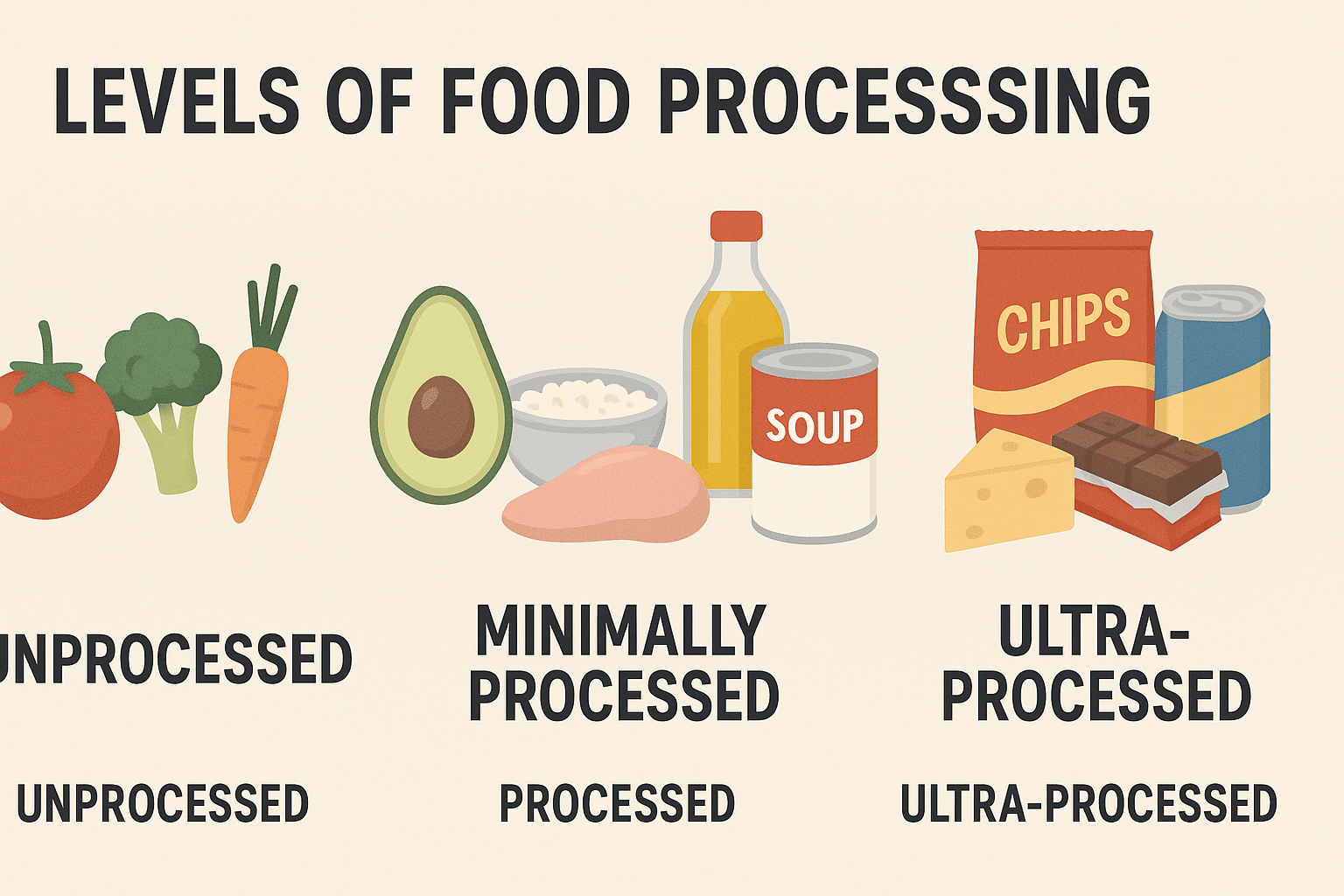
To simplify, think of processing as a spectrum. On one end are minimally processed foods that retain their nutrients; on the other end are ultra-processed foods, which often contain more additives than real food content.
Recognizing where your daily meals fall on this spectrum helps improve diet quality without completely avoiding convenience foods.
Why Does Food Processing Exist?
Food processing began as a means of survival. Before modern refrigeration, methods like salting, smoking, and fermenting kept food from spoiling. Over time, industrial processing evolved to improve convenience and profitability. However, as these methods advanced, they also introduced more artificial ingredients and refined components that made foods less nutritious.
Processing extends shelf life and enhances flavor but can also strip away fiber, vitamins and minerals. For example, white rice and flour have their bran and germ removed to increase shelf stability, but this process also removes much of their nutrients.
Today, many foods are designed for mass consumption and long transport rather than health. While processing makes food accessible worldwide, understanding its trade-offs is key to making healthier choices.
By asking yourself how far your food has traveled and how much it has been altered, you can start to see the difference between necessary and excessive processing.
Minimal vs. Ultra-Processed Foods Explained
When examining what are processed foods, it’s crucial to distinguish between minimal and ultra-processed categories. Minimally processed foods include frozen fruits, roasted nuts, and bagged spinach. These retain most nutrients while offering convenience. They often undergo simple processes like cutting, freezing, or pasteurization for safety and freshness.
Ultra-processed foods include products like instant noodles, sugary drinks and packaged pastries. These are made mostly from refined ingredients and chemical additives such as artificial sweeteners and flavor enhancers. They are designed to be hyper-palatable and shelf-stable but lack essential nutrients.
Studies show diets high in ultra-processed foods correlate with increased risks of obesity, heart disease, and diabetes. On the other hand, people who rely primarily on minimally processed foods report better energy levels and overall health.
Different Types of Processed Foods
Understanding what are processed foods also means learning their different levels. Food scientists often group them into three main categories: minimally processed, processed culinary ingredients, and ultra-processed foods. Each serves a different purpose and impacts health differently.
Minimally Processed Foods: Convenience Without Compromise
Minimally processed foods undergo basic preparation steps like cleaning, cutting, or freezing. These methods make food more convenient while keeping nutritional integrity intact. Examples include frozen berries, packaged salads, and roasted peanuts.
Such foods are essential for busy lifestyles where time is limited but health remains a priority. They help maintain dietary variety without sacrificing quality. Many consumers rely on these foods to achieve balanced diets year-round.
Because minimal processing does not remove key nutrients, these foods remain a great source of vitamins, minerals, and antioxidants. They also reduce food waste by extending shelf life safely and naturally.
So, while asking what are processed foods, remember that minimal processing can actually support a healthier lifestyle when done thoughtfully.
Processed Culinary Ingredients: Enhancing Flavor Responsibly
Processed culinary ingredients come from natural sources but are extracted or refined for cooking. These include vegetable oils, butter, sugar, and salt. They make home-cooked meals flavorful and enjoyable but should be used moderately.
While these ingredients provide essential fats and energy, overuse can lead to excess calorie intake and imbalance in diet. For instance, using too much refined sugar or oil can contribute to weight gain and metabolic issues.
Choosing high-quality versions—like cold-pressed olive oil or raw honey—can make a difference. They offer better nutrient retention and fewer additives. Understanding what are processed foods helps consumers differentiate between helpful and harmful uses of these ingredients.
Ultra-Processed Foods: The Hidden Culprit of Modern Diets
Ultra-processed foods represent the highest level of industrial alteration. They often combine refined sugars, hydrogenated oils, artificial flavors, and colorants. Common examples include chips, soft drinks, instant noodles, frozen pizza, and pre-packaged pastries.
These foods are inexpensive, long-lasting, and designed for taste addiction. However, they offer little to no fiber, vitamins, or minerals. Diets rich in ultra-processed items increase risks for chronic diseases like hypertension and diabetes.
Consuming such foods regularly can create nutrient deficiencies, especially when they replace fresh fruits, vegetables, and whole grains. That’s why nutrition experts advise limiting ultra-processed products to occasional indulgences rather than daily staples.
Understanding what are processed foods encourages people to prioritize whole and minimally processed alternatives, leading to better long-term health outcomes.
Common Food Processing Methods and Their Impact
The way food is processed directly affects its quality and nutritional value. Some methods preserve nutrients, while others degrade them. Let’s explore the most common food processing methods to better understand what are processed foods and how they’re made.
Preservation and Packaging: Extending Shelf Life Safely
Preservation techniques like canning, freezing, and vacuum sealing help prevent food spoilage. These methods control bacterial growth and maintain product freshness. For example, frozen vegetables retain most of their vitamins, while canned goods can last for years if stored correctly.
However, certain methods can alter texture and flavor. High-heat processing may destroy sensitive nutrients like vitamin C or folate. Packaging materials also play a major role in maintaining freshness and preventing contamination.
Eco-friendly packaging innovations, such as biodegradable wraps and vacuum pouches, now make it possible to preserve food with less environmental impact. Consumers can also reduce waste by choosing smaller portioned packages to minimize spoilage.
By understanding preservation and packaging, shoppers can make informed choices when selecting foods that balance safety, sustainability, and nutrition.
Additives and Preservatives: What’s Really Inside Your Food
Food additives are substances used to improve flavor, color, or texture. Common examples include citric acid, ascorbic acid, and sodium benzoate. While many are safe, overexposure to synthetic preservatives has raised health concerns.
Artificial additives can contribute to allergies, digestive issues, and hyperactivity in sensitive individuals. On the other hand, natural preservatives like vinegar, salt, and lemon juice offer safer alternatives.
Understanding what are processed foods also involves reading ingredient labels carefully. If a product has a long list of unfamiliar chemical names, it’s likely highly processed. Choosing foods with fewer additives supports cleaner eating habits and better health.
Consumers who prioritize additive-free products contribute to a positive shift in the food industry toward more transparent labeling and production practices.
How Refinement and Fortification Change Food Nutrition
Refinement removes natural components such as fiber, protein, and vitamins to improve texture or shelf life. White bread, polished rice, and refined sugar are examples of foods stripped of nutrients during processing.
Fortification, on the other hand, adds nutrients back into foods. For instance, cereals may be fortified with iron or vitamin D. While this helps restore some lost nutrients, it can never fully replace the benefits of whole foods.
Balancing refined and fortified foods is essential for a healthy diet. Too many refined foods lead to nutrient deficiencies, while relying solely on fortified products can create an illusion of health without real balance.
Understanding this duality helps consumers recognize that the best nutrition still comes from natural sources rather than synthetic restoration.
Health Effects of Processed Foods
The health impact of processed foods depends on how often and what types you consume. Regularly eating ultra-processed foods can negatively affect weight, heart health, and even mental well-being. Let’s examine how.
Impact on Nutrition and Weight Control
Ultra-processed foods are high in calories but low in nutrients. They often contain refined carbohydrates, unhealthy fats, and excessive sugar. This combination triggers hunger cycles and overeating, leading to gradual weight gain.
Because they’re easy to consume quickly, these foods can cause calorie overload before satiety signals reach the brain. Over time, this pattern contributes to obesity and metabolic disorders.
Choosing natural snacks like fruits, yogurt, or nuts instead of processed chips or candy helps manage hunger better. Maintaining awareness of what are processed foods enables you to control portions and avoid mindless eating.
Building meals around whole grains, lean proteins, and vegetables supports sustainable weight management and provides longer-lasting energy.
Effects on Heart and Digestive Health
Many processed foods contain high levels of sodium, trans fats, and preservatives that strain the cardiovascular system. Processed meats like bacon, sausage, and deli slices have been linked to increased risks of heart disease due to their saturated fat and nitrate content.
Digestive health also suffers when fiber-rich foods are replaced with refined alternatives. Fiber helps maintain bowel health, lower cholesterol, and regulate blood sugar levels. Without it, digestion slows and nutrient absorption decreases.
To improve heart and gut health, replace refined carbs with whole grains and increase the intake of fresh produce. This small change reduces sodium intake and increases dietary fiber significantly.
As you rethink what are processed foods, remember that moderation and substitution are powerful tools for long-term health.
Influence on Mental and Emotional Well-Being
Modern research shows that diet directly affects brain function. Consuming too many processed foods can lead to inflammation and hormonal imbalances, which may increase risks of depression and anxiety.
High sugar intake causes energy crashes that affect mood and focus. Conversely, whole foods like leafy greens, omega-3-rich fish, and nuts support brain health by stabilizing blood sugar and providing essential nutrients.
Eating patterns rich in fresh produce and whole foods contribute to a healthier microbiome, which plays a major role in emotional regulation. By choosing less-processed meals, individuals often report feeling more energetic and emotionally balanced.
So when wondering what are processed foods doing to your body, remember they affect not just physical health but mental clarity as well.
How to Identify Processed Foods Through Labels
Food packaging can be deceptive. Learning how to interpret labels helps consumers identify what are processed foods and make informed decisions that support better health.
Understanding Ingredient Lists Like a Pro
The ingredient list provides the clearest insight into how processed a product is. Ingredients are listed by weight, so the first few items make up most of what you’re eating.
If you see terms like hydrogenated oil, high-fructose corn syrup, or artificial colors, the food is likely ultra-processed. In contrast, short ingredient lists with recognizable items like “tomatoes, salt, olive oil” suggest minimal processing.
Checking for whole ingredients such as “whole oats” or “brown rice” ensures you’re consuming real food with natural nutrients intact. Learning to read labels transforms the way you shop and eat.
Checking Nutritional Information for Hidden Risks
The nutrition facts panel offers a snapshot of a product’s content. High sodium, sugar, or saturated fat levels indicate a heavily processed product.
For example, a single serving of instant noodles can contain over half your daily sodium limit. Processed snacks may also list several grams of added sugar under different names, such as glucose syrup or maltose.
Look for foods higher in fiber and protein, as they help balance blood sugar and keep you full longer. By staying aware of nutritional values, you can manage calories while improving overall diet quality.
Recognizing Misleading Marketing Phrases
Terms like “low-fat,” “sugar-free,” or “natural” often mislead consumers. A “low-fat” product may contain added sugars, while “natural flavor” can still mean artificial compounds derived from chemicals.
Don’t rely solely on packaging claims. Instead, check the back label for detailed ingredients and serving sizes. Some “organic” products can still be ultra-processed if they include refined oils and additives.
Understanding how marketing language works helps you stay in control of your diet. The more you learn about what are processed foods, the easier it becomes to distinguish genuine health foods from clever marketing tactics.
How Biyo POS Helps Food Businesses Serve Healthier Options
At Biyo POS, we empower grocery stores, restaurants, and cafes to offer healthier food choices. Our intelligent point-of-sale system allows businesses to manage fresh and processed products efficiently while maintaining transparent food labeling for customers.
Through advanced inventory tracking and ingredient management, business owners can monitor allergens, additives, and nutrition facts in real time. This ensures that consumers have access to accurate, up-to-date information about what are processed foods being sold.
With integrated analytics and AI insights, Biyo POS also helps identify best-selling clean-label products, enabling retailers to promote healthier inventory choices. The system supports compliance with local food regulations and streamlines reporting for health departments.
To learn how Biyo POS can help your business stand out with smart, transparent operations, schedule a call today or sign up here to start optimizing your store.
Frequently Asked Questions (FAQ)
Are all processed foods unhealthy?
No, not all processed foods are bad. Some, like frozen vegetables or pasteurized milk, retain their nutrients and ensure safety. The key is moderation and choosing minimally processed options whenever possible.
How can I reduce processed food intake?
Plan meals with fresh ingredients, cook at home, and read food labels. Gradually replacing ultra-processed snacks with fruits, nuts, or homemade alternatives is an effective way to start.
What are some examples of healthy processed foods?
Examples include canned beans, whole-grain bread, yogurt, and frozen fruits. These provide convenience while maintaining essential nutrients and fiber content.
Why are ultra-processed foods so addictive?
They are engineered for taste using a combination of sugar, fat, and salt that triggers pleasure centers in the brain. This makes them easy to overconsume.
Can food processing ever be beneficial?
Yes. Processing can increase food safety, reduce waste, and make certain nutrients more available. The key is to understand what processing has occurred and how it impacts your diet.