Teppanyaki is one of the most recognizable Japanese dining styles in the world because it combines flavorful food with live culinary performance. Unlike traditional restaurant experiences where meals are prepared out of sight in the kitchen, Teppanyaki places the cooking process directly in front of diners.
Guests gather around a large flat iron grill while skilled chefs prepare meats, seafood, vegetables, rice, and noodles using high-heat cooking techniques and theatrical presentation skills.
Understanding what is Teppanyaki goes beyond simply describing grilled food. Teppanyaki is an interactive dining experience centered around precision cooking, entertainment, social dining, and Japanese culinary craftsmanship.
The cooking style uses a flat iron griddle called a teppan, which allows chefs to sear ingredients quickly while preserving texture, flavor, and moisture. The word “Teppanyaki” itself comes from two Japanese words:
- Teppan meaning iron plate or griddle
- Yaki meaning grilled or pan-fried
Over the decades, Teppanyaki became internationally popular because it transforms dinner into a performance. Guests enjoy not only the food but also the chef’s knife skills, ingredient tossing, flame tricks, and direct interaction throughout the meal.
Today, Teppanyaki restaurants range from casual Japanese steakhouses to luxury fine dining establishments serving premium Wagyu beef, seafood platters, and gourmet tasting menus.
This guide explores the history of Teppanyaki, cooking techniques, popular dishes, dining etiquette, social atmosphere, and how modern restaurant technology supports Teppanyaki operations efficiently.
Table of Contents
- The History of Teppanyaki
- Teppanyaki Cooking Techniques
- The Interactive Teppanyaki Dining Experience
- Popular Teppanyaki Dishes
- Teppanyaki Dining Etiquette
- The Growth of Modern Teppanyaki Restaurants
- How Biyo POS Supports Teppanyaki Restaurants
- Frequently Asked Questions
The History of Teppanyaki
Teppanyaki became popular in Japan during the mid-20th century, although cooking on iron surfaces existed long before modern Teppanyaki restaurants emerged.
The dining style evolved as Japanese chefs began combining traditional grilling methods with interactive presentation techniques designed to entertain guests while preparing meals directly in front of them.
International interest in Teppanyaki expanded significantly after Japanese steakhouses opened in Western markets during the 1960s.
One of the most influential moments came with the opening of Benihana in New York City in 1964. The restaurant introduced American audiences to a dining format that combined Japanese-inspired cooking with live chef performances.
Guests were fascinated by:
- Knife tricks
- Ingredient tossing
- Flame effects
- Interactive table-side cooking
- Communal dining arrangements
Although many people confuse Teppanyaki with Hibachi cooking, the two are not identical.
Traditional Hibachi cooking uses a small charcoal grill, while Teppanyaki uses a flat iron griddle that provides more consistent temperature control and larger cooking surfaces.
Over time, Teppanyaki restaurants expanded globally and evolved into a unique dining category that blends Japanese culinary influence with entertainment-focused hospitality.

Teppanyaki Cooking Techniques
Teppanyaki cooking relies heavily on precision, timing, and high-temperature grilling techniques.
The large iron griddle allows chefs to cook multiple ingredients simultaneously while maintaining careful control over heat and texture.
Using the Teppan Grill
The teppan grill is the centerpiece of the entire cooking process.
Its flat heated surface allows chefs to sear meats, seafood, vegetables, noodles, and rice quickly while preserving natural flavor and moisture.
High temperatures help create caramelization and crisp exterior textures without overcooking the interior.
Chefs use specialized tools such as:
- Metal spatulas
- Sharp chef knives
- Tongs
- Oil squeeze bottles
- Scrapers
The cooking process often appears effortless because experienced Teppanyaki chefs develop strong coordination and timing skills through years of practice.
The sizzling sound, aroma, steam, and visual presentation all contribute to the sensory appeal of Teppanyaki dining.
Differences Between Teppanyaki and Hibachi
Although Teppanyaki and Hibachi are often used interchangeably outside Japan, their cooking methods differ significantly.
Hibachi traditionally uses a small charcoal-based grill that creates a smoky flavor profile associated with Japanese barbecue techniques.
Teppanyaki, however, focuses on cooking over a flat iron griddle that allows for:
- Faster cooking
- More precise heat control
- Large ingredient preparation
- Interactive chef performances
- Simultaneous multi-item cooking
Teppanyaki also places greater emphasis on entertainment and direct guest interaction compared to traditional Hibachi grilling.
The Role of Chef Performance
One reason Teppanyaki became globally popular is the theatrical performance element.
Chefs are trained not only in cooking techniques but also in presentation and guest engagement.
Common performance elements include:
- Knife spinning
- Ingredient tossing
- Flame effects
- Egg tricks
- Interactive food tossing games
The chef’s performance transforms the meal into a social event rather than a standard restaurant dinner.
This entertainment aspect remains one of the defining characteristics of modern Teppanyaki dining.
The Interactive Teppanyaki Dining Experience
Teppanyaki restaurants are designed around interaction and communal dining.
Unlike traditional restaurants where guests sit separately from the cooking area, Teppanyaki places diners directly around the grill.
This layout creates a more immersive and social atmosphere.
Communal Seating and Social Dining
Most Teppanyaki restaurants use large communal tables surrounding the grill.
This setup encourages conversation and shared experiences between guests, even among diners who arrive separately.
Families, coworkers, tourists, and groups celebrating special occasions often choose Teppanyaki restaurants because the environment naturally encourages interaction.
The shared dining arrangement helps create:
- Group engagement
- Conversation
- Entertainment-focused dining
- Shared anticipation during cooking
- A lively restaurant atmosphere
Many guests consider the social environment just as important as the food itself.
Entertainment Throughout the Meal
Teppanyaki chefs maintain guest engagement throughout the dining experience.
As meals progress course by course, chefs combine cooking with humor, performance, and direct interaction.
Guests often participate in activities such as:
- Catching tossed shrimp
- Watching onion volcano flame tricks
- Interacting with chef jokes and demonstrations
- Observing rapid knife skills
This continuous entertainment helps distinguish Teppanyaki from many other restaurant formats.
A Multi-Sensory Dining Experience
Teppanyaki engages multiple senses simultaneously.
Guests experience:
- The aroma of grilled ingredients
- The sound of sizzling food
- The visual excitement of chef performances
- The taste of freshly prepared meals
- The social energy of communal dining
This combination creates a memorable experience that encourages repeat visits and strong customer loyalty.
Popular Teppanyaki Dishes
Teppanyaki menus typically feature a wide range of proteins, vegetables, rice dishes, and noodles prepared directly on the griddle.
The versatility of the cooking surface allows chefs to create both simple and premium dishes efficiently.
Wagyu Beef Teppanyaki
Wagyu beef remains one of the most prized Teppanyaki ingredients.
Known for its intense marbling and tenderness, Wagyu develops a rich seared crust while remaining exceptionally juicy inside.
Chefs often enhance the flavor using:
- Garlic butter
- Soy-based sauces
- Light seasoning
- Fresh herbs
Because Wagyu contains significant intramuscular fat, the high heat of the Teppan grill helps create strong umami flavor without overcooking the meat.
Seafood Teppanyaki
Seafood is another major component of Teppanyaki cuisine.
Popular seafood options include:
- Shrimp
- Scallops
- Lobster
- Salmon
- White fish
The flat grill allows seafood to cook quickly while preserving tenderness and moisture.
Chefs often pair seafood with garlic butter sauces, citrus elements, or soy-based marinades that complement natural sweetness.
Vegetable Teppanyaki
Vegetable Teppanyaki remains popular among vegetarians and guests seeking lighter meal options.
Common vegetables include:
- Zucchini
- Mushrooms
- Onions
- Broccoli
- Carrots
- Bell peppers
The high-temperature grill preserves texture while enhancing natural sweetness through caramelization.
Vegetable dishes often accompany meat and seafood combinations but can also serve as standalone meals.

Teppanyaki Dining Etiquette
Although Teppanyaki is casual and entertaining, there are still basic etiquette expectations that help maintain a respectful dining atmosphere.
Respecting the Chef
Guests should avoid interrupting the chef during complicated cooking sequences or performance moments.
Chefs must maintain concentration while handling high temperatures, sharp knives, and fast-paced cooking tasks.
Compliments and conversation are welcome, but timing and courtesy remain important.
Communal Table Courtesy
Because Teppanyaki uses shared seating arrangements, guests should remain considerate of neighboring diners.
Moderate noise levels, respectful conversation, and awareness of shared space help maintain a comfortable atmosphere for everyone at the table.
Enjoying the Full Experience
Teppanyaki dining is designed to be experienced gradually rather than rushed.
Guests are encouraged to enjoy the performance, observe the preparation techniques, and appreciate the social environment alongside the meal itself.
The Growth of Modern Teppanyaki Restaurants
Modern Teppanyaki restaurants continue evolving beyond traditional Japanese steakhouses.
Today’s restaurants often combine Teppanyaki with:
- Luxury dining concepts
- Fusion cuisine
- Interactive hospitality experiences
- Premium ingredient sourcing
- Contemporary restaurant design
Many restaurants now focus heavily on high-end ingredients such as premium Wagyu beef, imported seafood, and curated tasting menus.
At the same time, casual Teppanyaki chains continue expanding globally because of the broad appeal of entertainment-driven dining experiences.
Social media has also contributed significantly to Teppanyaki’s popularity.
Flame tricks, ingredient tossing, and dramatic cooking presentations create visually engaging content that guests frequently share online.
How Biyo POS Supports Teppanyaki Restaurants
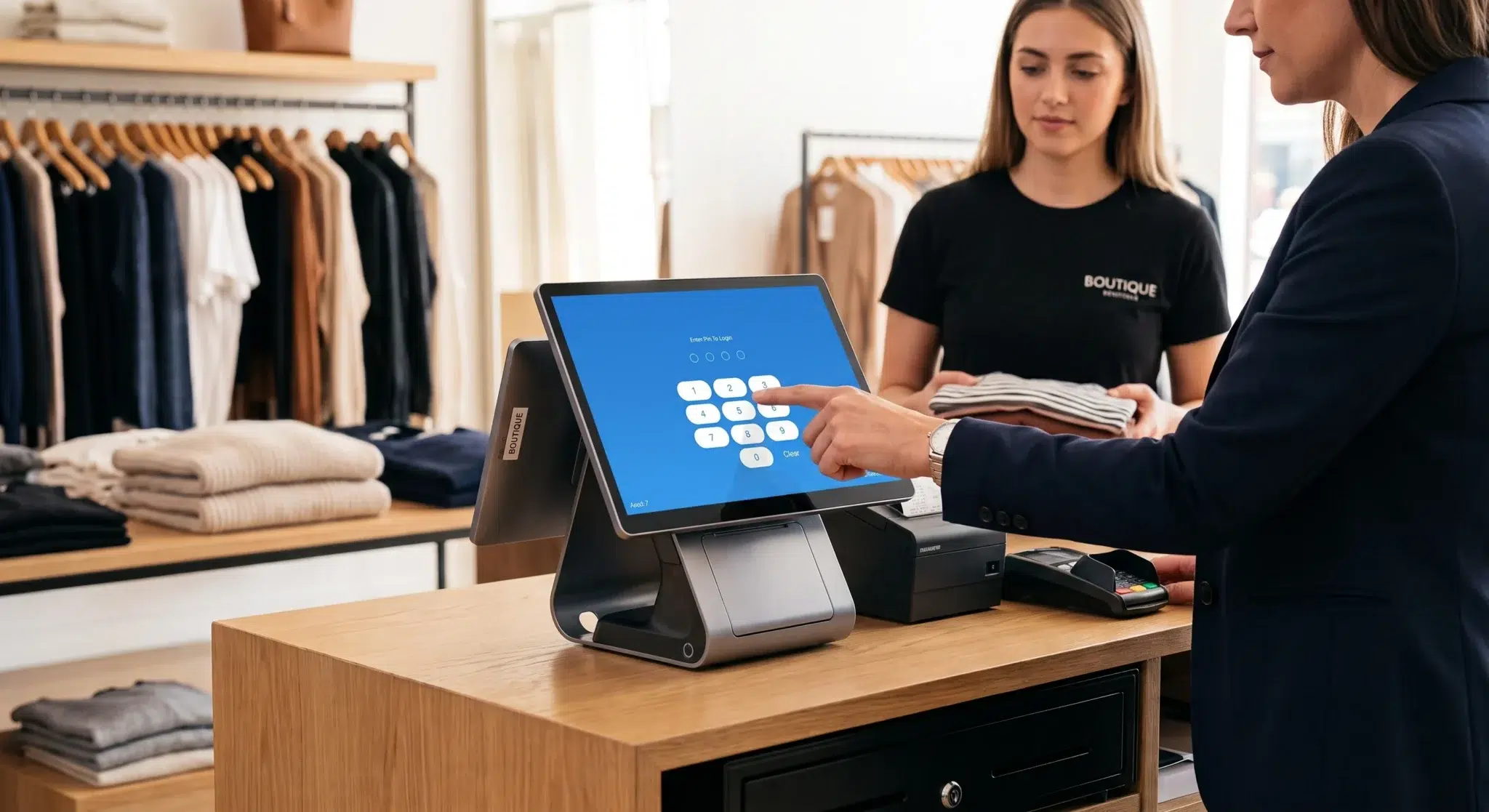
Biyo POS helps Teppanyaki restaurants streamline operations through modern cloud-based restaurant management technology.
The platform supports:
- Table-side ordering
- Real-time inventory tracking
- Kitchen coordination
- Customer management
- Multi-location restaurant support
- Integrated payment processing
- Sales reporting analytics
- Reservation management
Because Teppanyaki restaurants often operate with synchronized chef performance schedules and communal seating arrangements, efficient operational coordination becomes especially important.
Biyo POS helps restaurants improve service flow while allowing staff to focus on delivering memorable dining experiences.
If you want to modernize restaurant operations and improve customer service efficiency, you can create an account or explore how Biyo POS supports modern restaurant management.
Frequently Asked Questions
What is Teppanyaki?
Teppanyaki is a Japanese cooking style that uses a flat iron griddle to prepare meats, seafood, vegetables, noodles, and rice directly in front of diners.
What is the difference between Teppanyaki and Hibachi?
Teppanyaki uses a flat iron griddle while traditional Hibachi uses a charcoal grill. Teppanyaki also focuses more heavily on chef performances and interactive dining.
Is Teppanyaki healthy?
Teppanyaki can be a healthy dining option because ingredients are typically grilled quickly with relatively light oils and fresh vegetables.
What foods are commonly served in Teppanyaki restaurants?
Popular Teppanyaki dishes include Wagyu beef, shrimp, scallops, fried rice, noodles, grilled vegetables, chicken, and seafood combinations.
Why is Teppanyaki dining interactive?
Teppanyaki chefs cook directly in front of guests while performing knife tricks, flame demonstrations, and ingredient tossing techniques that create entertainment throughout the meal.
How does Biyo POS help Teppanyaki restaurants?
Biyo POS helps Teppanyaki restaurants manage orders, inventory, payments, reporting, reservations, and operational workflows through integrated cloud-based restaurant technology.