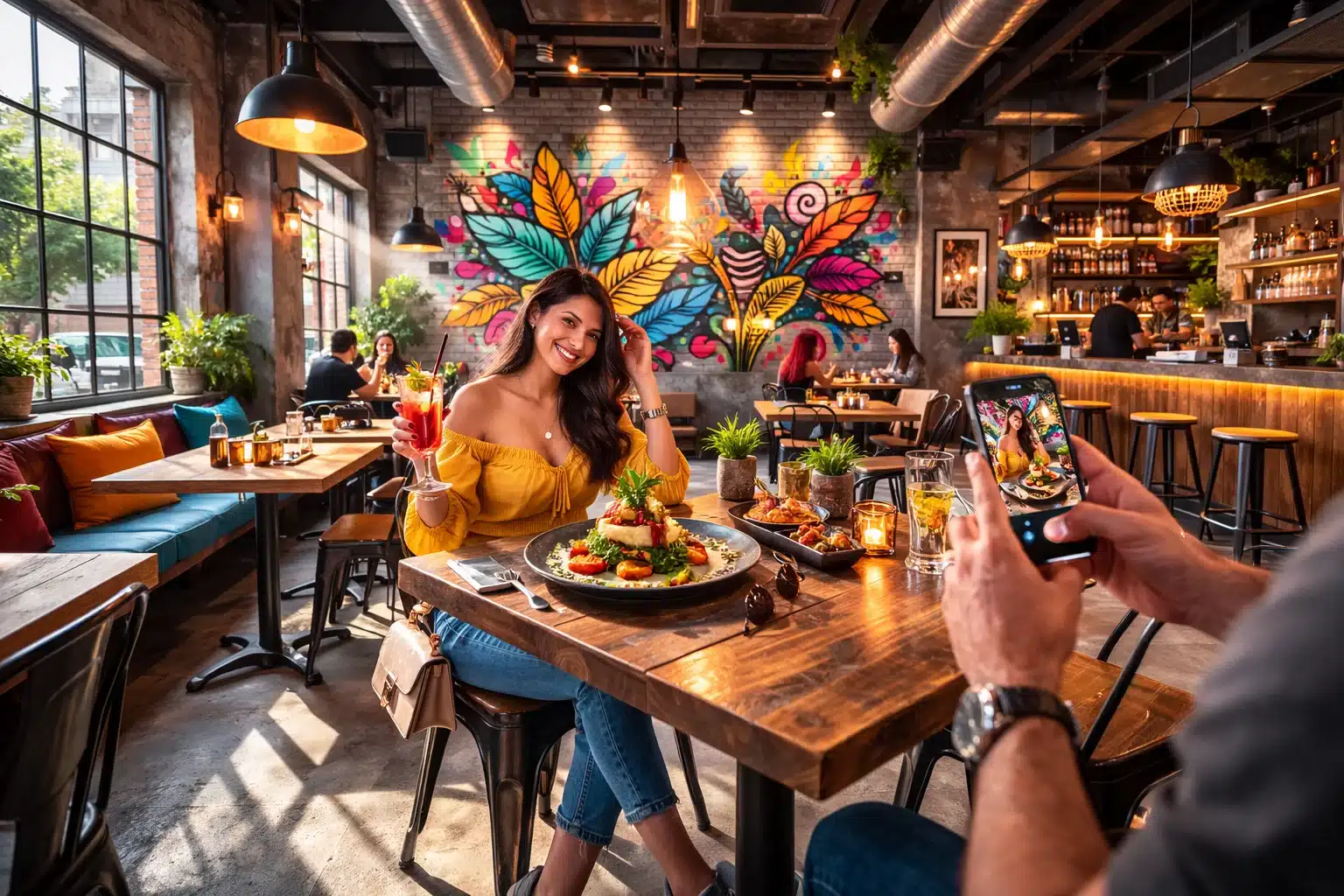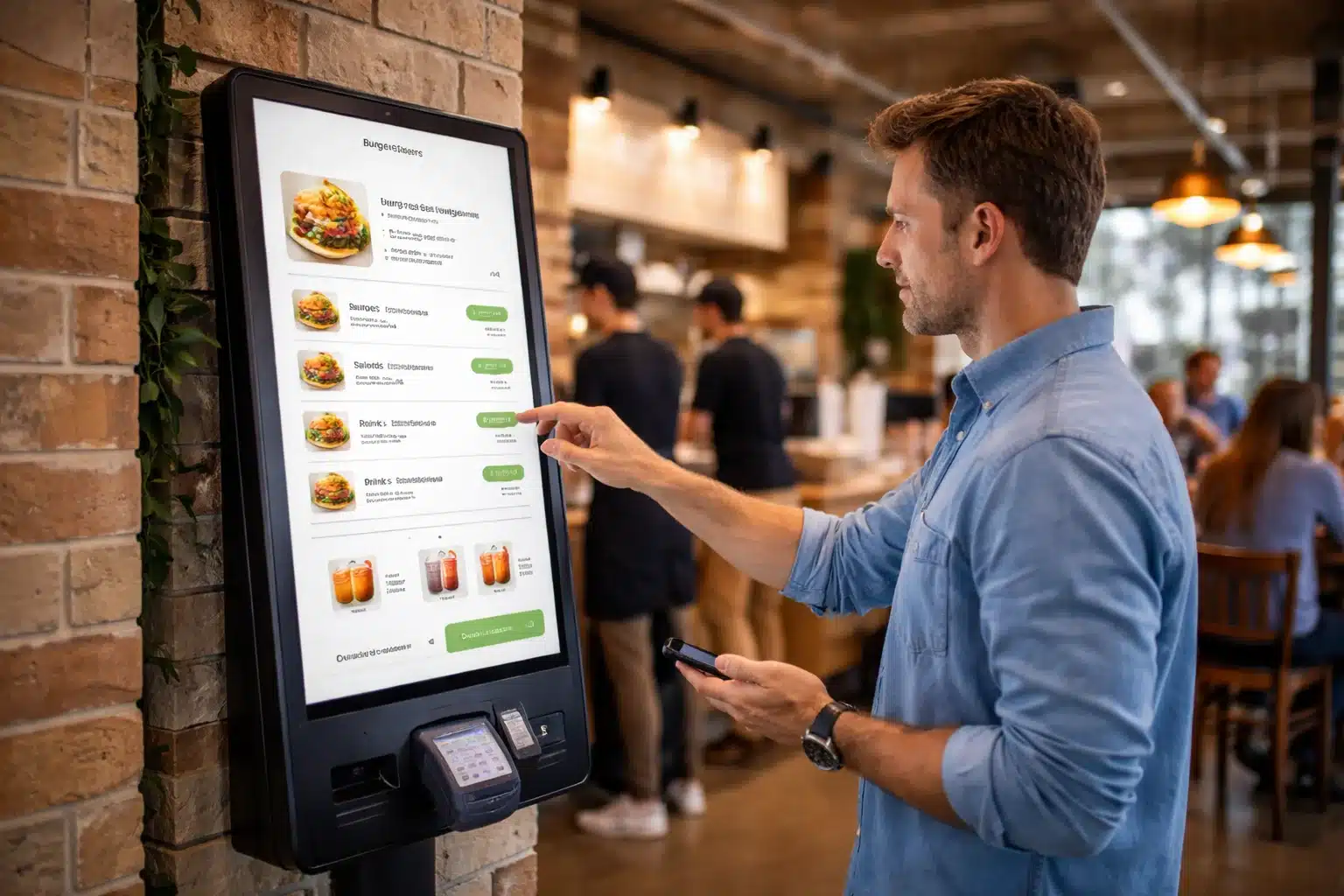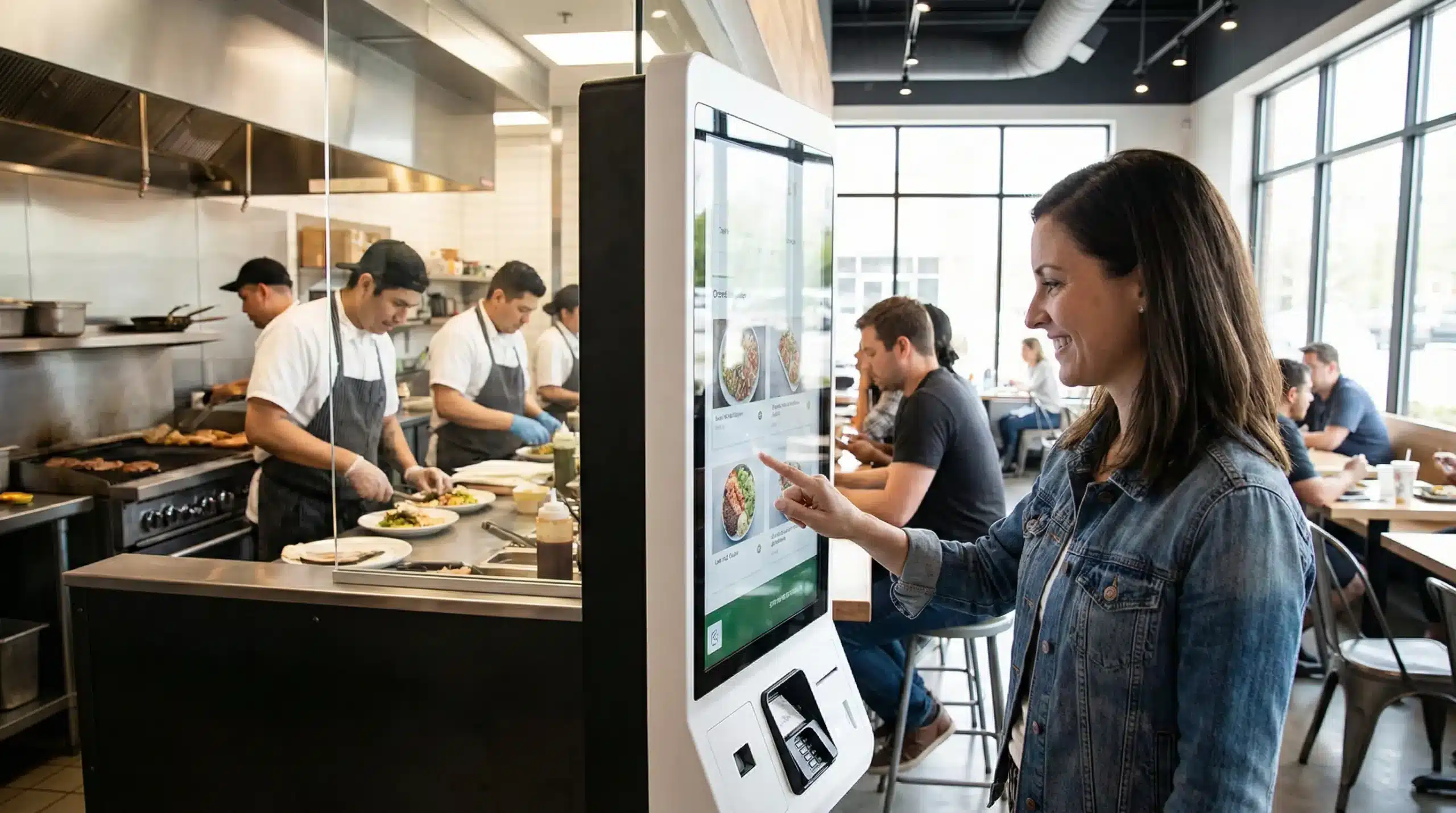

Kiosk Ordering Changes Customer Behavior in ways many restaurant owners do not fully anticipate at first. What starts as a tool to reduce lines or labor pressure quickly reshapes how guests browse menus, make decisions, and interact with staff. Self-service kiosks do more than speed up ordering. They alter habits, expectations, and even spending patterns.
As customers gain more control over the ordering process, their behavior shifts. They explore menus differently, take more time with choices, and feel less pressure to rush. Meanwhile, restaurants notice changes in order accuracy, average order value, and overall workflow.
This article explains how kiosk ordering changes customer behavior, why these shifts happen, and how restaurants can adapt their operations and technology to benefit from this change.
Table of Contents
Why Kiosk Ordering Changes Customer Behavior
Kiosk ordering changes customer behavior because it removes traditional social pressure from the ordering process. Instead of speaking to a cashier, customers interact directly with a screen. This shift creates a more private and controlled experience.
When customers feel in control, they behave differently. They slow down, explore options, and feel comfortable customizing orders. This autonomy drives noticeable changes in ordering habits.
Customer Autonomy and Control
Kiosk ordering gives customers full control over their experience. They decide what to order, how to customize items, and when to move forward.
As a result, customers feel less rushed. They no longer worry about holding up a line or feeling judged for indecision.
This sense of control leads to more thoughtful choices. Customers engage more deeply with the menu.
Autonomy also builds confidence. Customers feel empowered rather than directed.
That confidence shapes behavior over time.
Self-directed experiences become the expectation.
Reduced Social Pressure at Checkout
Traditional counter ordering involves face-to-face interaction. Some customers feel anxious or rushed in these situations.
Kiosk ordering removes that pressure. Customers interact with a screen instead of a person.
Therefore, they feel free to browse without judgment.
This freedom encourages exploration.
Exploration increases engagement.
Engagement changes ordering habits.
Comfort with Digital Ordering Experiences
Customers already use digital interfaces daily. Ordering through kiosks feels familiar.
As a result, adoption happens quickly.
Digital comfort reduces friction.
Lower friction improves satisfaction.
Satisfied customers return.
Repeat behavior reinforces the shift.
 How Kiosks Influence Ordering Decisions
 How Kiosks Influence Ordering Decisions
Kiosk Ordering Changes Customer Behavior by reshaping how decisions are made. Visual menus, guided steps, and prompts all play a role.
Instead of relying on memory or verbal explanations, customers interact with structured information.
Visual Menu Presentation
Kiosks display menus visually. High-quality images guide decisions.
Customers see items instead of imagining them.
This clarity speeds decisions.
Visual cues influence preference.
Appealing displays drive interest.
Interest leads to selection.
Guided Customization Options
Kiosk interfaces guide customers through customization.
Options appear step by step.
This structure prevents overwhelm.
Customers feel confident modifying orders.
Confidence reduces hesitation.
Hesitation often delays ordering.
Faster Ordering Decisions Over Time
Initial kiosk use may take longer.
However, repeat customers order faster.
Familiarity builds efficiency.
Customers learn the interface.
Learned behavior speeds interaction.
Speed improves throughput.
Order Accuracy and Reduced Errors
Kiosk Ordering Changes Customer Behavior by reducing miscommunication. Orders come directly from the customer.
This shift lowers the chance of mistakes.
Direct Input Reduces Miscommunication
Customers enter their own orders.
No verbal relay is required.
This eliminates interpretation errors.
Modifiers appear clearly.
Clear input improves accuracy.
Accuracy protects satisfaction.
Clear Confirmation Before Payment
Kiosks show order summaries.
Customers review items before paying.
This step catches mistakes early.
Early correction saves time.
Time savings help operations.
Operations stay smooth.
Fewer Kitchen Corrections
Accurate orders reach the kitchen.
Staff spend less time fixing issues.
Reduced corrections improve morale.
Better morale improves service.
Service quality rises.
Consistency strengthens trust.
Impact on Average Order Value and Upselling
Kiosk Ordering Changes Customer Behavior in spending patterns. Customers tend to spend more.
This change happens naturally.
Higher Average Order Value
Customers see add-ons clearly.
Upsell options feel optional, not pressured.
This reduces resistance.
Customers add items freely.
Free choice increases value.
Higher value boosts revenue.
Strategic Upsell Prompts
Kiosks suggest relevant upgrades.
Suggestions appear at the right time.
Timing improves acceptance.
Customers view suggestions as helpful.
Helpful prompts convert better.
Conversion increases average order value.
Customer Perception of Value
Customers feel in control of spending.
Control improves satisfaction.
Satisfied customers accept higher totals.
Perceived value increases.
Value perception influences loyalty.
Loyalty supports growth.
Operational Changes Restaurants Experience
Kiosk Ordering Changes Customer Behavior and staff workflows. The entire operation adapts.
These changes affect labor, speed, and consistency.
Reduced Front-of-House Pressure
Kiosks handle order intake.
Staff focus on service and fulfillment.
This shift reduces stress.
Lower stress improves performance.
Performance impacts guest experience.
Positive experiences drive retention.
Improved Order Flow Management
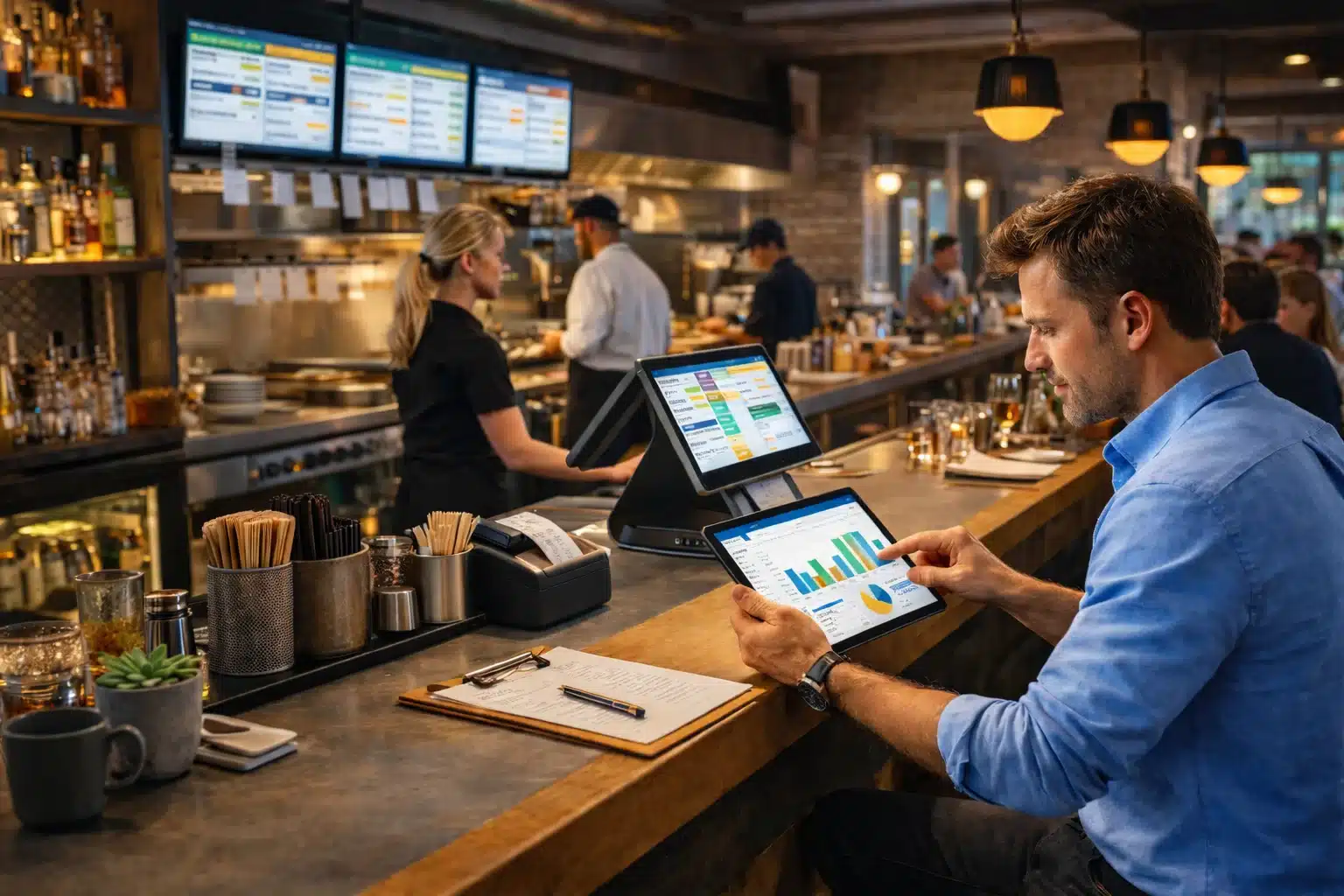
Orders flow directly to the kitchen.
No manual entry is required.
This streamlines operations.
Streamlining reduces delays.
Delays frustrate customers.
Efficiency prevents frustration.
Scalability During Peak Hours
Kiosks scale easily.
More customers order simultaneously.
Lines shrink.
Shorter lines improve perception.
Improved perception drives volume.
Volume supports profitability.
Why Restaurants Use Biyo POS for Kiosk Ordering
 Why Restaurants Use Biyo POS for Kiosk Ordering
Biyo POS supports kiosk ordering as part of an all-in-one restaurant platform. Restaurants can deploy self-service kiosks alongside counter service and dine-in workflows.
Because Biyo POS integrates kiosks directly with order management, inventory, and reporting, businesses maintain consistency across channels. Custom workflows help restaurants adapt kiosk ordering to their specific service style.
If you want to explore how kiosk ordering fits your operation, you can schedule a call with the Biyo POS team. Restaurants ready to move forward can also sign up and start optimizing the digital ordering experience.
FAQs
How does kiosk ordering change customer behavior?
Kiosk ordering gives customers more control, which leads to slower browsing, higher accuracy, and increased spending.
Do customers prefer kiosks over cashiers?
Many customers prefer kiosks for privacy and convenience, especially in fast-paced environments.
Does kiosk ordering reduce errors?
Yes. Direct input and order confirmation reduce mistakes.
Can kiosk ordering increase revenue?
Yes. Strategic upsells and higher average order value contribute to increased revenue.