Connecticut’s restaurant industry is highly competitive, shaped by affluent suburbs, tourism traffic, seasonal coastal demand, and proximity to major metro markets like New York and Boston. From New Haven pizzerias and Hartford fine dining establishments to shoreline seafood restaurants and fast-casual concepts in Stamford, operational efficiency directly determines profitability.
In this environment, a Connecticut restaurant POS system is not simply a transaction processor. It is the operational command center that controls sales reporting, labor management, inventory, customer engagement, and financial visibility. With restaurant profit margins nationally averaging between 3% and 9%, even small inefficiencies can erase profitability.
This guide explores how the right POS system can strengthen operational control, reduce waste, increase speed of service, and drive sustainable growth for Connecticut restaurants.
Table of Contents
- Benefits of a Connecticut Restaurant POS
- Essential Features of Restaurant POS Systems
- Cloud-Based POS Solutions for Connecticut Restaurants
- Inventory Tracking and Order Management
- Contactless Payments and Mobile POS Options
- Quick-Service Restaurants and Table Service Efficiency
- Enhancing Customer Loyalty Through Your POS System
- Choosing the Right POS for Your Connecticut Restaurant
- About Biyo POS
- FAQ
Benefits of a Connecticut Restaurant POS
A well-implemented Connecticut restaurant POS system drives operational precision, which directly improves margins.
Streamlined Restaurant Operations
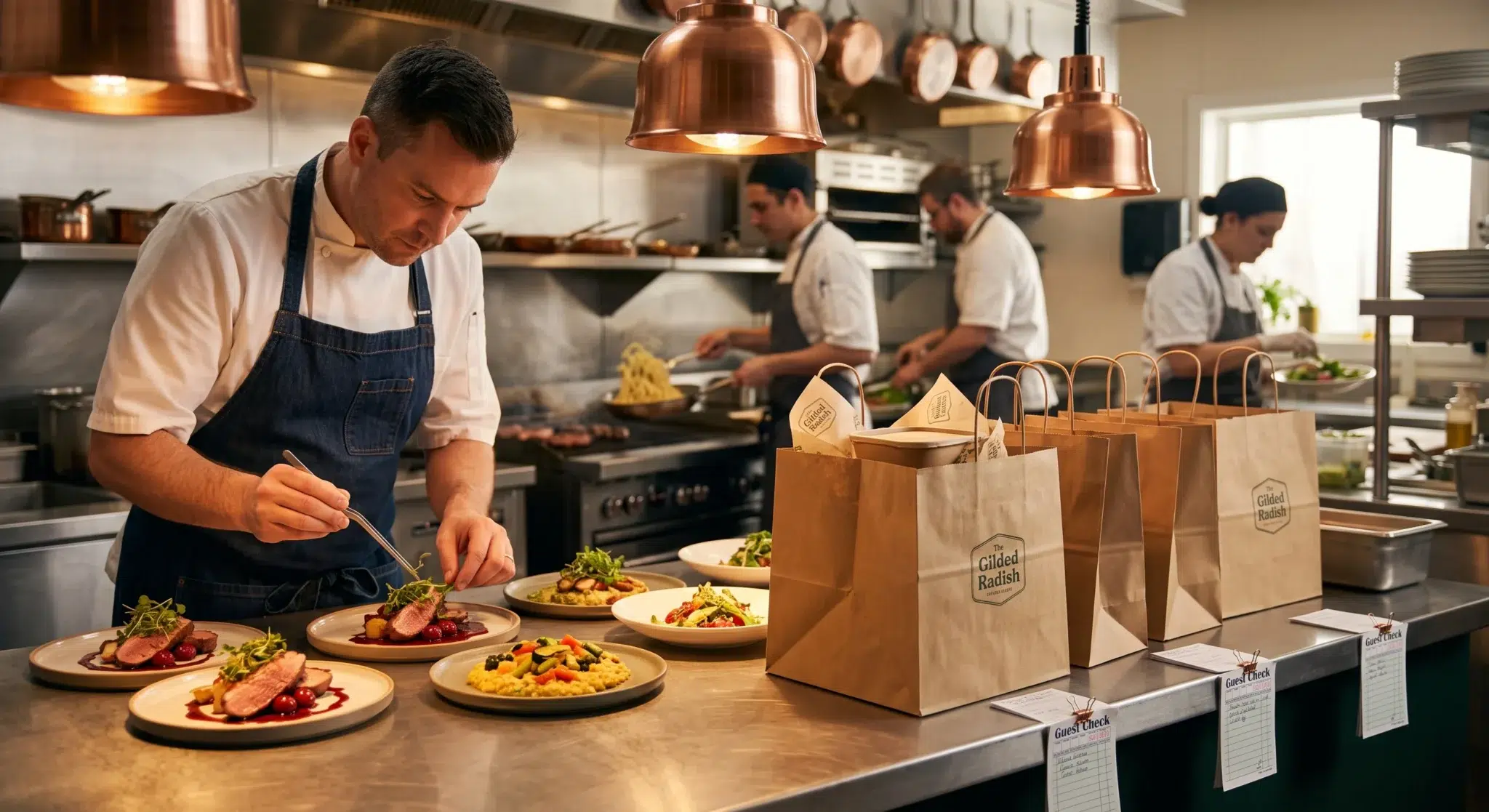
Manual workflows create bottlenecks. Order entry errors, delayed kitchen communication, and payment slowdowns reduce table turnover and increase labor costs.
An advanced POS system:
* Synchronizes front-of-house and kitchen tickets
* Reduces order errors
* Speeds up payment processing
* Improves ticket accuracy
If a restaurant increases table turnover by just one additional seating per night across 20 tables with an average check of $45, that equates to $900 in incremental nightly revenue. Over a year, that impact is significant.
Enhanced Employee Management
Labor costs typically represent 25%–35% of restaurant revenue. Integrated workforce tools inside a restaurant POS system help Connecticut operators:
* Monitor labor-to-sales ratios
* Track overtime risk
* Optimize shift scheduling
* Analyze employee productivity
Real-time labor reporting allows managers to adjust staffing dynamically during slower periods, protecting profit margins without compromising service quality.

Essential Features of Restaurant POS Systems
Choosing a Connecticut restaurant POS system requires evaluating operational depth—not just surface-level functionality.
Advanced Order Management
Effective order management ensures smooth communication between servers, kitchen staff, and bartenders.
Key capabilities include:
* Custom modifiers
* Split checks
* Multi-course sequencing
* Online and in-store order consolidation
* Kitchen display system (KDS) integration
With Connecticut restaurants increasingly relying on third-party delivery platforms, centralized order aggregation prevents missed tickets and operational confusion.
Menu Customization and Dynamic Pricing
Seasonal seafood pricing, farm-to-table offerings, and rotating specials are common in Connecticut’s dining landscape.
A flexible POS system enables:
* Instant menu updates
* Happy hour pricing automation
* Time-based promotions
* Ingredient-level costing
Dynamic pricing control helps restaurants protect margins during fluctuating supplier costs, particularly in seafood and specialty ingredients.
Cloud-Based POS Solutions for Connecticut Restaurants
Cloud-based POS systems are increasingly the standard due to their flexibility and scalability.
Remote Access and Multi-Location Oversight
Restaurant groups operating in cities such as Stamford, New Haven, or Hartford benefit from centralized dashboards that provide:
* Real-time sales reports
* Inventory levels
* Labor data
* Location comparisons
Remote management improves decision-making speed and reduces on-site micromanagement.
Automatic Updates and Data Security
Cloud infrastructure ensures:
* Automatic software updates
* Encrypted data storage
* Reduced IT maintenance costs
* Disaster recovery backup
In regions affected by seasonal storms or outages, cloud-based systems offer additional operational resilience.
Inventory Tracking and Order Management
Food waste directly erodes profits. Industry data estimates that restaurants can lose 4%–10% of food purchases due to spoilage or poor tracking.
Real-Time Inventory Monitoring
Integrated inventory tracking allows Connecticut restaurants to:
* Monitor ingredient depletion
* Forecast purchasing needs
* Calculate food cost percentages
* Identify shrinkage
If a seafood restaurant reduces spoilage by just 3%, it can recover thousands of dollars annually.
Automated Low-Stock Alerts
Low-inventory notifications prevent service disruptions during peak periods. This proactive system ensures popular menu items remain available during busy weekends or tourist seasons.
Contactless Payments and Mobile POS Options
Consumer payment preferences have evolved. Contactless and mobile payment adoption continues to grow, particularly among younger demographics.
Mobile POS for Faster Table Turnover
Mobile POS devices allow servers to:
* Take orders tableside
* Process payments immediately
* Reduce trips between table and terminal
Faster transaction completion improves guest satisfaction and shortens table cycle time.
Contactless and Digital Wallet Integration
Support for:
* Tap-to-pay cards
* Apple Pay and Google Pay
* QR-based payments
Enhances safety perception and convenience.
Restaurants offering streamlined checkout often experience higher tip percentages due to frictionless payment experiences.
Quick-Service Restaurants and Table Service Efficiency
Different restaurant models demand tailored POS functionality.
Quick-Service Restaurant (QSR) Optimization
Quick-service concepts in Connecticut require:
* Rapid order entry
* Combo automation
* Integrated drive-thru support
* Speed-of-service reporting
Reducing average transaction time by even 15 seconds during peak hours can significantly increase throughput.
Full-Service Table Management
For sit-down establishments, features such as:
* Table mapping
* Split billing
* Course pacing
* Reservation integration
Enhance guest flow and server efficiency.
Effective table management increases revenue per seat hour—a critical profitability metric.
Enhancing Customer Loyalty Through Your POS System
Customer retention is more cost-effective than acquisition. Research suggests acquiring a new customer can cost five times more than retaining an existing one.
Integrated Loyalty Programs
POS-integrated loyalty features allow Connecticut restaurants to:
* Track repeat visits
* Offer automated rewards
* Monitor customer lifetime value
Integrated customer data enables smarter promotions and targeted offers.
Personalized Marketing Campaigns
With purchase history data, restaurants can:
* Send birthday rewards
* Promote favorite menu items
* Re-engage inactive customers
Personalized campaigns often generate significantly higher response rates compared to generic promotions.
Choosing the Right POS for Your Connecticut Restaurant
Selecting the right Connecticut restaurant POS requires strategic evaluation.
Assess Operational Complexity
Consider:
* Daily transaction volume
* Menu size and variability
* Staffing structure
* Delivery integration needs
* Expansion plans
High-volume restaurants require stronger processing capabilities and deeper reporting features.
Evaluate Scalability
Scalable POS systems allow:
* Multi-location expansion
* Hardware additions
* Advanced analytics upgrades
Before committing, schedule a consultation through right POS system planning discussions to align technology with growth strategy.

About Biyo POS
Biyo POS provides a comprehensive Connecticut restaurant POS system designed to unify operations under one platform.
Key advantages include:
* Cloud-based remote access
* Real-time reporting dashboards
* Integrated inventory tracking
* Loyalty and customer management tools
* Mobile POS capabilities
* Secure contactless payment processing
Whether managing a quick-service restaurant, a full-service dining room, or multiple Connecticut locations, Biyo POS delivers operational visibility, efficiency, and scalability.
Restaurants seeking measurable improvements in profitability benefit from centralized data, automated workflows, and advanced reporting.
FAQ
What is the best POS system for restaurants in Connecticut?
The best system depends on operational needs. Restaurants should prioritize inventory control, labor management, cloud access, delivery integration, and scalability.
Why is cloud-based POS important for Connecticut restaurants?
Cloud-based systems offer remote access, automatic updates, data security, and centralized reporting, making them ideal for multi-location or growth-focused restaurants.
Can a POS system reduce food waste?
Yes. Integrated inventory tracking and real-time depletion monitoring help reduce spoilage and over-ordering.
Does mobile POS improve table turnover?
Mobile POS devices allow tableside ordering and payment processing, reducing service delays and increasing seating efficiency.
How does Biyo POS support restaurant growth?
Biyo POS integrates sales analytics, labor management, inventory tracking, customer loyalty programs, and mobile processing into a scalable platform designed to enhance operational control and long-term profitability.