Customer experience is no longer just a branding concept. It has become one of the most important drivers of business growth. Companies that deliver strong experiences consistently outperform competitors in revenue, retention, and long-term value. Those that ignore it often end up competing only on price, which reduces margins and limits growth.
At its core, customer experience is the sum of every interaction a person has with a business. From the moment someone discovers your brand to the way you handle support after a purchase, every touchpoint contributes to how customers perceive you. These perceptions shape whether they return, recommend your business, or leave for a competitor.
Businesses that understand this do not treat customer experience as a separate function. They design it intentionally across every stage of the journey.
Table of Contents
- Understanding Customer Experience
- Designing Seamless Interactions
- Using Feedback for Continuous Improvement
- Building Loyalty Through Communication
- How Technology Improves Customer Experience
- How Biyo Supports Better Customer Experience
- Frequently Asked Questions
Understanding Customer Experience
Customer experience is not limited to customer service. Service is just one part of the journey. Experience includes everything—how easy it is to find your product, how smooth the checkout process feels, how quickly issues are resolved, and how customers feel after interacting with your brand.
Every interaction contributes to a larger perception. A fast checkout can create a positive impression, but a delayed delivery can quickly undo it. Customers do not evaluate these moments separately—they combine them into a single judgment about your business.
This is why focusing on isolated improvements is not enough. Businesses need to understand the full journey and how each stage connects to the next. Without this perspective, improvements in one area can be offset by failures in another.
Emotional impact also plays a major role. Customers are more likely to return to brands that make them feel valued and understood. This is where personalization becomes important. When businesses use data to tailor recommendations and interactions, they create a sense of relevance that strengthens engagement.
Designing Seamless Interactions
Customers expect consistency across every channel. Whether they are browsing on a phone, ordering online, or visiting a physical location, the experience should feel connected. When systems are not aligned, friction appears quickly.
For example, a customer who starts browsing online should not have to repeat the same steps when switching to a mobile device or visiting in person. Disconnected systems create frustration and increase the likelihood of abandonment.
Ease of use is another critical factor. Complicated processes, unclear navigation, or slow systems all contribute to negative experiences. Even small delays or extra steps can reduce conversions and increase customer dissatisfaction.
In physical environments, speed and accuracy are just as important. A slow checkout process or frequent order errors can damage the overall experience, regardless of product quality. Efficient systems that reduce wait times and improve accuracy directly impact customer perception.
Support also plays a key role. When customers encounter problems, how quickly and effectively those issues are resolved often determines whether they stay or leave. Fast, clear, and empathetic responses can turn negative experiences into positive ones.
Using Feedback for Continuous Improvement
Customer experience is not something that can be set once and left unchanged. It requires constant improvement, and feedback is the most reliable way to identify what needs to change.
Businesses gather feedback through surveys, reviews, social media, and direct interactions. Each source provides a different perspective, helping to build a complete picture of customer sentiment.
However, collecting feedback is only the first step. The real value comes from analyzing it and taking action. Patterns in complaints or suggestions reveal where improvements are needed. Ignoring these patterns allows problems to persist and grow.
Closing the feedback loop is equally important. When customers see that their input leads to real changes, they feel heard. This increases trust and encourages future engagement.
Even small improvements can have a significant impact. Increasing retention by a small percentage often leads to a much larger increase in profitability, making feedback-driven improvements one of the most effective growth strategies.
Building Loyalty Through Communication
Communication shapes how customers feel about a brand over time. Consistent, relevant communication builds trust, while poor communication creates uncertainty.
Proactive communication is especially effective. Informing customers about order updates, service changes, or personalized offers reduces friction and keeps them engaged. It shows that the business is paying attention and values transparency.
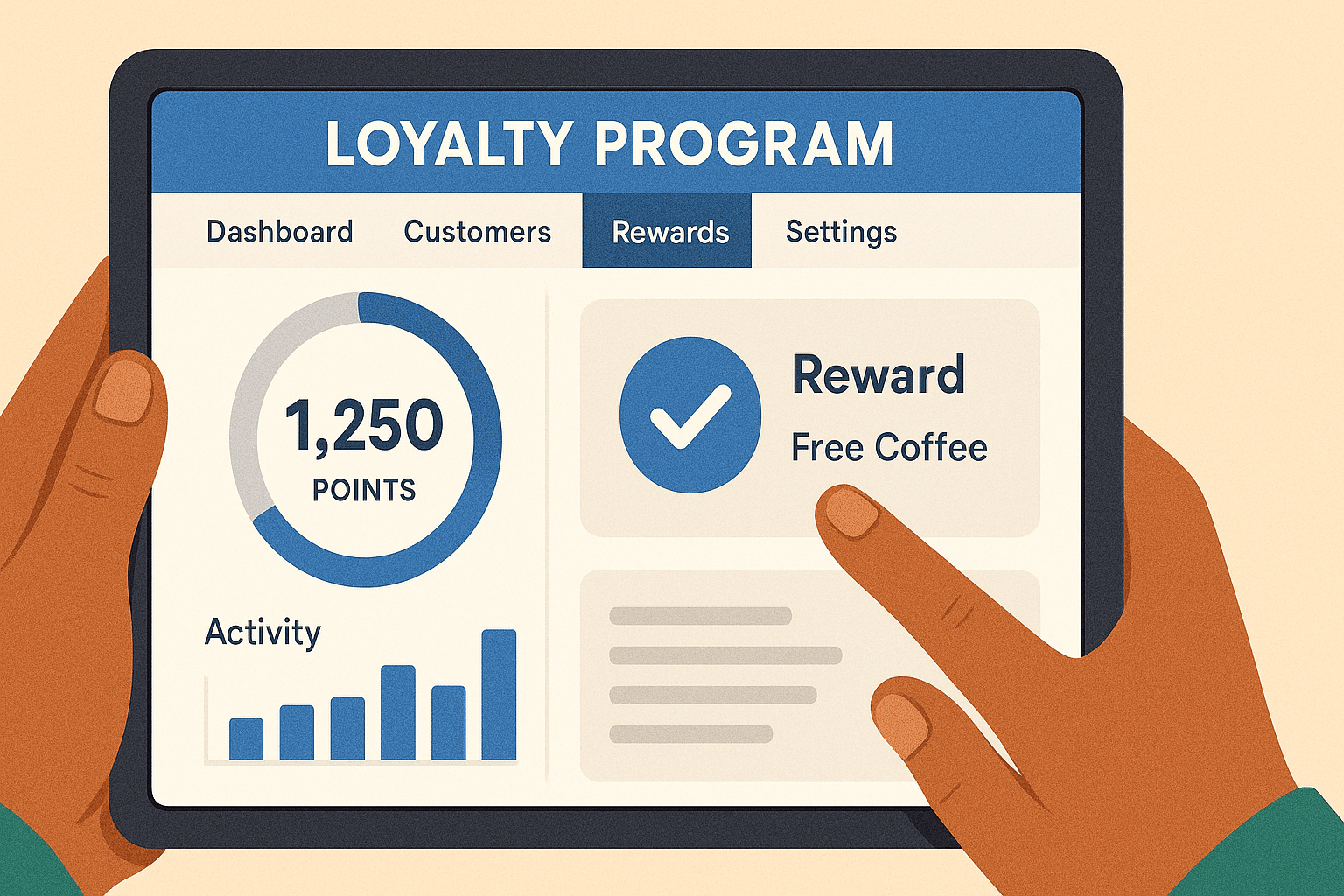
Loyalty programs also play a role in strengthening relationships. When customers receive rewards for their engagement, they are more likely to return. These programs also provide valuable data that can be used to improve personalization.
Emotional connection is what turns regular customers into loyal advocates. Simple actions such as personalized messages, recognition of milestones, or thoughtful follow-ups can create lasting impressions. Over time, these interactions build stronger relationships and increase customer lifetime value.
How Technology Improves Customer Experience
Technology enables businesses to deliver consistent and scalable experiences. Without the right systems, maintaining quality across multiple touchpoints becomes difficult.
Modern POS systems play a central role in this process. They connect transactions, inventory, and customer data into a single system, allowing businesses to operate more efficiently. This integration reduces errors, speeds up service, and provides better visibility into performance.
Analytics tools add another layer of value. By tracking customer behavior, businesses can identify patterns and predict future actions. This allows for more targeted marketing and better decision-making.
Automation further improves efficiency. Routine tasks such as data entry, reporting, and notifications can be handled automatically, freeing up staff to focus on customer interaction and strategy.
When used effectively, technology does not replace human interaction—it enhances it. It allows businesses to deliver faster, more accurate, and more personalized experiences.

How Biyo Supports Better Customer Experience
Biyo is designed to help businesses improve customer experience by connecting operations into a single, efficient system. By combining sales, inventory, and customer data, it reduces friction and improves consistency across every interaction.
This integration allows businesses to deliver faster service, reduce errors, and personalize interactions based on real data. Staff can access relevant information instantly, making it easier to meet customer expectations.
With real-time insights and streamlined workflows, businesses can focus on delivering better experiences instead of managing disconnected systems. If you want to improve how your business operates, you can schedule a call or get started through the signup page.
Frequently Asked Questions
What is customer experience?
Customer experience is the overall perception formed through every interaction a customer has with a business.
Why is customer experience important?
It directly affects retention, revenue, and long-term growth by influencing how customers feel about a brand.
How does personalization improve customer experience?
Personalization makes interactions more relevant, increasing engagement and satisfaction.
What is an omni-channel experience?
It ensures consistent interaction across all platforms without friction or repetition.
How does technology improve customer experience?
Technology enables faster service, better data integration, and more personalized interactions.