
Implementing reliable card pre-authorization for bars is the single most effective way to eliminate unpaid walkout tabs permanently. On a busy Friday night, high-volume bars and craft cocktail lounges operate in high-pressure environments. Bartenders balance drink orders, pour spirits, manage glassware, and take payments for hundreds of patrons simultaneously. In this fast-paced environment, managing open bar tabs using legacy methods creates severe financial leakage.
Traditionally, venues hold physical plastic credit cards inside alphabetical binder boxes or behind the cash register. However, this manual practice creates massive operational bottlenecks. Customers forget to close their tabs and leave their cards behind at closing time. Even worse, dishonest patrons intentionally walk out on expensive tabs, leaving the venue with uncollectible balances or fraudulent card chargebacks. In addition, bartenders waste valuable minutes searching through stacks of physical cards while thirsty guests wait for drinks.
Fortunately, modern payment architecture allows hospitality operators to protect their revenue without slowing down drink service. By implementing digital card pre-authorization for bars, bartenders tap or dip a guest’s card once at the start of service. The point-of-sale terminal verifies available funds, creates a secure payment token, and allows the bartender to return the card to the guest immediately. This comprehensive guide breaks down the cryptographic mechanics of EMV pre-auth holds, explores card brand settlement rules, and provides the exact operational blueprints required to achieve zero-walkout nights.
Table of Contents
- The High Cost of Unpaid Bar Tabs and Walkout Losses
- Standard Card Swiping vs. EMV Pre-Authorization Holding
- Setting Up Nominal Pre-Auth Hold Amounts and Fund Verification
- Speed Behind the Pine: The 1-Tap Tap-and-Return Workflow
- Legal Protections, PCI Compliance, and Chargeback Defense
- Side-by-Side Comparison
- How Biyo POS Delivers Zero-Walkout Nights with 1-Tap Pre-Auth
- Frequently Asked Questions
The High Cost of Unpaid Bar Tabs and Walkout Losses
Every bar owner knows the frustration of reviewing open tabs at 2:30 AM after the lights turn on. Unpaid tabs represent a direct, compounding loss on your venue’s prime operating margins. When a customer walks out on an eighty-dollar tab, the business absorbs the complete loss of liquor inventory, mixer costs, and bartender labor.
Consequently, failing to secure payment upfront turns busy shifts into unprofitable operations. Understanding the true economics of bar shrinkage is the first step toward modernizing your tab management procedures.
The Economics of Friday Night Walkouts and Shrinkage
In a high-volume nightlife venue, unpaid walkout tabs routinely average two to five percent of gross nightly sales. For a craft cocktail lounge generating twenty thousand dollars across a busy weekend, that variance represents four hundred to one thousand dollars in lost revenue every week. Over an annual operating cycle, uncollected walkouts drain upwards of fifty thousand dollars in pure profit.
Furthermore, recovering funds from walkout cards held behind the bar is rarely successful. When bartenders attempt to close left-behind cards at the end of the night, transactions frequently decline due to insufficient funds or frozen cards. In addition, customers who left their cards behind often initiate chargebacks the next day, claiming they never authorized the final charges. Therefore, deploying robust card pre-authorization for bars protects your business from unrecoverable revenue loss.
Why Holding Physical Credit Cards Behind the Bar Fails
Storing customer credit cards in physical organizers behind the back bar creates severe security and operational hazards:
- Speed Bottlenecks: When thirty patrons try to close tabs simultaneously at last call, bartenders spend minutes flipping through alphabetized plastic card organizers.
- Data Theft Liability: Physical cards sitting in open view invite internal employee theft or skimming, violating PCI-DSS compliance standards.
- Abandoned Card Logistics: Venues accumulate boxes of forgotten credit cards and driver’s licenses, creating administrative burdens and security liabilities.
- Card Hand-Back Errors: Fatigued bartenders frequently hand the wrong credit card back to customers with similar names, creating customer disputes and ruined guest experiences.
 Standard Card Swiping vs. EMV Pre-Authorization Holding
 Standard Card Swiping vs. EMV Pre-Authorization Holding
Securing bar tabs requires understanding the technical difference between legacy magnetic stripe swiping and modern EMV pre-authorization. Many legacy point-of-sale systems merely store unencrypted magnetic stripe track data when opening a tab. This outdated method exposes the venue to chargeback liability and processing disputes.
In contrast, modern payment systems utilize EMV contact chips and contactless NFC interfaces to execute encrypted fund verifications. Understanding this payment telemetry ensures that your venue remains fully protected against fraud.
How Legacy Magstripe Swiping Leaves Bars Exposed
Legacy point-of-sale terminals handle tab creation by swiping the magnetic stripe on the back of the payment card. The POS software saves the unencrypted cardholder name and card number locally in temporary memory. However, this swiped transaction does not verify whether the customer’s bank account contains sufficient funds to pay for the drinks.
Even worse, swiping a card without immediate network authorization provides zero cryptographic proof of card presence. Under EMV liability shift rules, if a customer later disputes a swiped transaction, card issuers rule in favor of the cardholder automatically. The bar loses the revenue, forfeits the inventory, and pays an additional twenty-five-dollar chargeback dispute fee. Legacy swiping is an unacceptable financial risk in modern hospitality.
The Cryptographic Mechanics of EMV Pre-Auth Tokenization
Modern card pre-authorization for bars utilizes advanced EMV chip cryptography to secure payment credentials instantly:
- Dynamic Cryptogram Generation: When the customer inserts their EMV chip or taps their mobile device (Apple Pay/Google Pay), the card chip generates a unique, one-time cryptographic validation code (ARQC).
- ISO 8583 Authorization Request: The POS terminal transmits an ISO 8583 message type 0100 authorization request directly to the card issuing bank via secure payment gateways.
- Real-Time Fund Verification: The issuing bank verifies that the account is active, checks for available balance, and places a temporary hold on the customer’s credit line.
- Payment Tokenization: The gateway returns an authorization approval code alongside an encrypted payment token. The POS links this secure token to the digital bar tab, allowing staff to add drinks throughout the night without holding the physical card.
Setting Up Nominal Pre-Auth Hold Amounts and Fund Verification
Determining the exact dollar amount for your initial pre-authorization hold is a crucial operational decision. If your pre-authorization amount is configured too low, customer tabs quickly exceed the authorized hold limit. Conversely, if your hold amount is set too high, customer cards may decline unnecessarily during their first drink order.
Consequently, bar managers must balance fund verification security against guest ordering friction. Establishing dynamic pre-authorization rules ensures complete financial protection across all guest spending tiers.
Determining the Optimal Authorization Floor ($25 vs. $50 Holds)
The optimal pre-authorization hold amount depends directly on your venue’s average ticket size and beverage pricing:
- Neighborhood Pubs & Craft Breweries ($25.00 Baseline Hold): In venues where pints cost seven to nine dollars, a twenty-five-dollar authorization verifies sufficient funds for two to three rounds. This low threshold minimizes overdraft friction for casual drinkers.
- High-End Cocktail Lounges & Nightclubs ($50.00 – $100.00 Hold): In venues where craft cocktails cost eighteen dollars and premium spirits exceed twenty-five dollars, a fifty-to-one-hundred-dollar pre-auth hold is mandatory. A single round of drinks frequently exceeds forty dollars.
- VIP Bottle Service ($250.00+ Tiered Hold): For premium lounge tables and VIP reservations, configure tiered pre-authorization rules that verify substantial credit lines before delivering premium bottle inventory.
Real-Time Balance Verification and Handling Declined Pre-Auths
Executing an EMV pre-auth hold immediately identifies invalid payment methods before drinks are poured. If a customer presents a maxed-out credit card, an expired debit card, or a frozen account, the terminal alerts the bartender in less than two seconds.
The bartender can politely request an alternative payment method before pouring top-shelf liquor or delivering signature cocktails. In addition, modern POS software can execute incremental authorizations behind the scenes. When a guest’s running tab balance crosses eighty percent of the initial hold amount, the system automatically requests an additional incremental hold from the issuing bank, ensuring the tab remains fully covered all night.
Speed Behind the Pine: The 1-Tap Tap-and-Return Workflow
Speed of service is the primary metric governing bar profitability. If a payment security workflow adds ten seconds of friction to every drink order, it slows down bartenders and reduces total drink sales.
The modern “Tap-and-Return” workflow streamlines the entire tab creation process into a single, fluid motion that takes less than three seconds behind the pine.
Automatic Name Ingestion and Digital Tab Assignment
With advanced point-of-sale software, opening a digital bar tab requires zero manual keyboard data entry:
- The guest orders their first round of drinks at the bar counter.
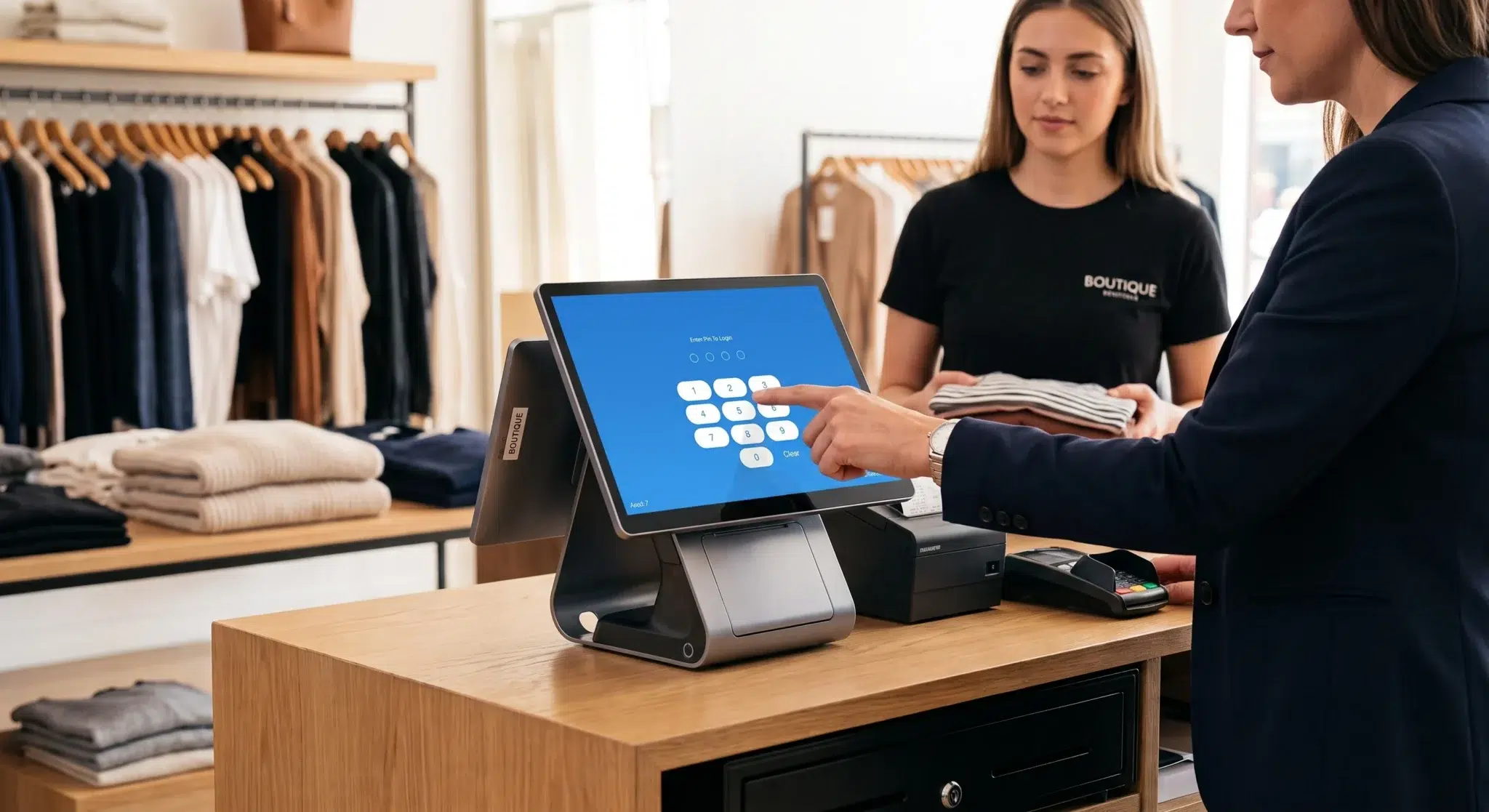
- The bartender taps “Open Tab” on the POS register and presents the customer-facing card reader.
- The customer taps their contactless card or smartphone against the NFC sensor.
- The POS terminal captures the cardholder’s legal name directly from the EMV chip data and creates a named digital tab (e.g., “Tab: John Miller”) automatically.
- The bartender hands the credit card back to the customer immediately, keeping the transaction fast and friction-free.
Eliminating End-of-Night Checkout Lines and Forgotten Cards
The Tap-and-Return workflow completely transforms the closing routine for both staff and guests. At the end of the evening, customers have total flexibility regarding how they close their tab:
- Standard Walk-Up Close: The customer tells the bartender their name, reviews their digital itemized receipt on the terminal screen, adds a tip, and signs.
- Frictionless Auto-Close: If a customer walks out of the venue without manually signing their receipt, the bar suffers zero loss. At closing time, the manager clicks “Close All Open Tabs.” The system captures the full tab balance against the saved EMV token, applies the venue’s standard house gratuity policy (e.g., 20%), and settles the funds automatically.
- Zero Lost Property: Because customers retain physical possession of their cards from the very first drink, your bar never deals with abandoned cards or morning phone calls looking for lost IDs.
Legal Protections, PCI Compliance, and Chargeback Defense
Operating an open tab system requires strict adherence to payment card industry standards and commercial banking laws. Handling payment tokens properly eliminates data breach liabilities while providing ironclad legal protection against customer payment disputes.
Understanding the legal and technical safeguards of tokenized pre-authorization protects your merchant processing account and preserves your cash flow.
Shifting Liability Away from the Venue with EMV Compliance
Under the global EMV compliance mandate, liability for fraudulent card transactions falls on whichever party possesses the lesser payment security technology. If a merchant swipes a counterfeit EMV card on a magnetic reader, the merchant absorbs one hundred percent of the financial liability for the fraud.
However, when your bar executes an initial EMV chip or contactless NFC pre-authorization, the liability shifts entirely to the card-issuing bank. The bank’s authorization response confirms that the physical card was present and validated with a cryptographic key. If the customer subsequently attempts to file a “friendly fraud” dispute claiming they were never at your venue, your point of sale generates an indisputable digital audit trail containing the EMV authorization code, time stamps, and itemized drink logs, defeating chargebacks automatically.
Managing Tips, Batch Adjustments, and Card Brand Settlement Rules
Processing pre-authorized bar tabs involves two distinct transaction phases: the Authorization phase and the Capture Settlement phase. Managing this timing correctly ensures compliance with Visa, Mastercard, and American Express settlement frameworks:
- Authorization Hold Window: A standard pre-auth hold remains active on a customer’s card account for up to seven days, although bars settle transactions within twelve to twenty-four hours.
- Post-Authorization Tip Adjustments: Card network rules permit hospitality merchants to adjust the final settlement amount up to twenty percent above the authorized hold to account for gratuities without requiring a second card read.
- Daily Batch Capture: At the end of the business day, your POS platform consolidates all settled tabs, compiles the final sales and tip totals, and submits the batch to your processor for overnight deposit.
Side-by-Side Comparison
| Operational Dimension | Holding Physical Cards Behind Bar | 1-Tap EMV Pre-Authorization (Biyo POS) |
|---|---|---|
| Walkout Revenue Loss | High (2% – 5% of gross sales lost to walkouts) | 0% (Funds verified & tokenized upfront) |
| Tab Creation Speed | Slow (Requires filing cards into organizers) | Instant (1-tap NFC read creates named tab) |
| Card Security & PCI Risk | High liability (Cards exposed to theft & skimming) | Zero liability (Card handed back; tokens encrypted) |
| End-of-Night Bottlenecks | Severe (30+ patrons waiting for cards at last call) | Frictionless (Tabs can auto-close with gratuity) |
| Chargeback Defense | Weak (Swiped cards lose fraud disputes) | Ironclad (EMV cryptogram shifts liability to bank) |
| Declined Payment Detection | Discovered at 2:00 AM after drinks are consumed | Discovered in 2 seconds before drinks are poured |
| Lost Property Management | Boxes of forgotten cards and IDs every weekend | Eliminated completely; guests keep their cards |
| Bartender Efficiency | Wastes 20+ minutes per shift hunting for cards | Staff focused 100% on drink production & service |
How Biyo POS Delivers Zero-Walkout Nights with 1-Tap Pre-Auth
 How Biyo POS Delivers Zero-Walkout Nights with 1-Tap Pre-Auth
Biyo POS delivers a specialized cloud point-of-sale and beverage management platform engineered specifically to handle the intense speed and security demands of high-volume bars, nightclubs, and craft cocktail lounges. Operating natively inside the Google Chrome browser on any PC, Mac, iPad, or Android tablet, Biyo provides enterprise-grade bar management tools without requiring expensive proprietary hardware lock-in.
With Biyo’s lightning-fast Pre-Auth Tab workflow, mastering card pre-authorization for bars is effortless. Bartenders simply tap or dip a customer’s payment card on an integrated EMV terminal. Biyo instantly verifies available funds, captures the customer’s legal name from the chip, and creates an organized digital tab automatically. The bartender returns the card to the guest immediately. Throughout the night, staff add craft cocktails, draft beers, and food items to the open tab across any station in the venue. If a patron walks out without signing at the end of the night, Biyo’s 1-click batch capture processes the full balance and applies house gratuity rules automatically, dropping walkout losses to zero percent.
Furthermore, Biyo connects your front-of-house bar stations directly with back-of-house kitchen and beverage operations. Route complex food and drink tickets to preparation lines via the Biyo Kitchen Display (KDS) app available on Google Play, perform rapid bottle-level liquor inventory audits using the Biyo Inventory Scanner app on the Apple App Store, and consolidate multi-room sales through Kitchen Hub. With Biyo’s true offline transaction mode, your bar registers continue opening tabs, printing drink chits, and pouring drinks seamlessly even during complete internet outages.
To discover how easily your venue can eliminate walkouts, protect your profit margins, and deploy 1-tap card pre-authorization, you can schedule a live demo with a bar systems consultant or create your account today on the Biyo signup page.
Frequently Asked Questions
What is card pre-authorization for bars?
Card pre-authorization for bars is a payment process where a bartender dips or taps a customer’s credit card to verify available funds and place a temporary hold on their account, creating a secure digital tab while returning the physical card to the guest immediately.
How does 1-tap pre-authorization stop bar walkouts?
Pre-authorization verifies available account balances upfront and stores an encrypted payment token in the POS software, allowing the bar to charge the customer’s account for the full balance plus standard gratuity even if they walk out without signing.
How much money is placed on hold during a bar pre-authorization?
Venues typically configure a nominal pre-auth hold amount between $25.00 and $50.00 for standard bar service, or up to $100.00+ for premium cocktail lounges and VIP table reservations.
Is it legal to hold physical credit cards behind a bar?
While not strictly illegal in all jurisdictions, holding physical credit cards behind a bar creates massive PCI-DSS compliance risks, increases data theft liability, and leaves the business completely unprotected against fraud chargebacks.
How does pre-authorization protect bars against credit card chargebacks?
Pre-authorization utilizes EMV chip and contactless NFC technology to generate dynamic cryptograms that prove card presence, shifting financial fraud liability away from the bar and onto the card-issuing bank.
How does Biyo POS name digital bar tabs automatically?
When a card is tapped or dipped on the connected payment terminal, Biyo POS extracts the cardholder’s legal name directly from the EMV chip data and creates a named digital tab in under two seconds with zero manual typing.