Whether you’re a professional chef or a home cook, the right chef knife can make a significant difference in the kitchen. A chef knife is a versatile tool designed to handle various cutting tasks, from chopping vegetables to slicing meats. In this guide, we’ll explore the different types of chef knives, their features, and how to choose the perfect one for your cooking needs. With the right knowledge, you can elevate your culinary skills and create delicious meals with ease.
Table of Contents
- Types of Chef Knives
- How to Choose a Chef Knife
- Chef Knife Materials
- Chef Knife Maintenance
- Top Chef Knife Brands
- Biyo POS and Your Kitchen
- Frequently Asked Questions
Types of Chef Knives
Chef knives come in various shapes, sizes, and designs, each suited to different kitchen tasks. Understanding the types of chef knives available can help you make the right choice for your culinary needs.
Traditional Chef Knives
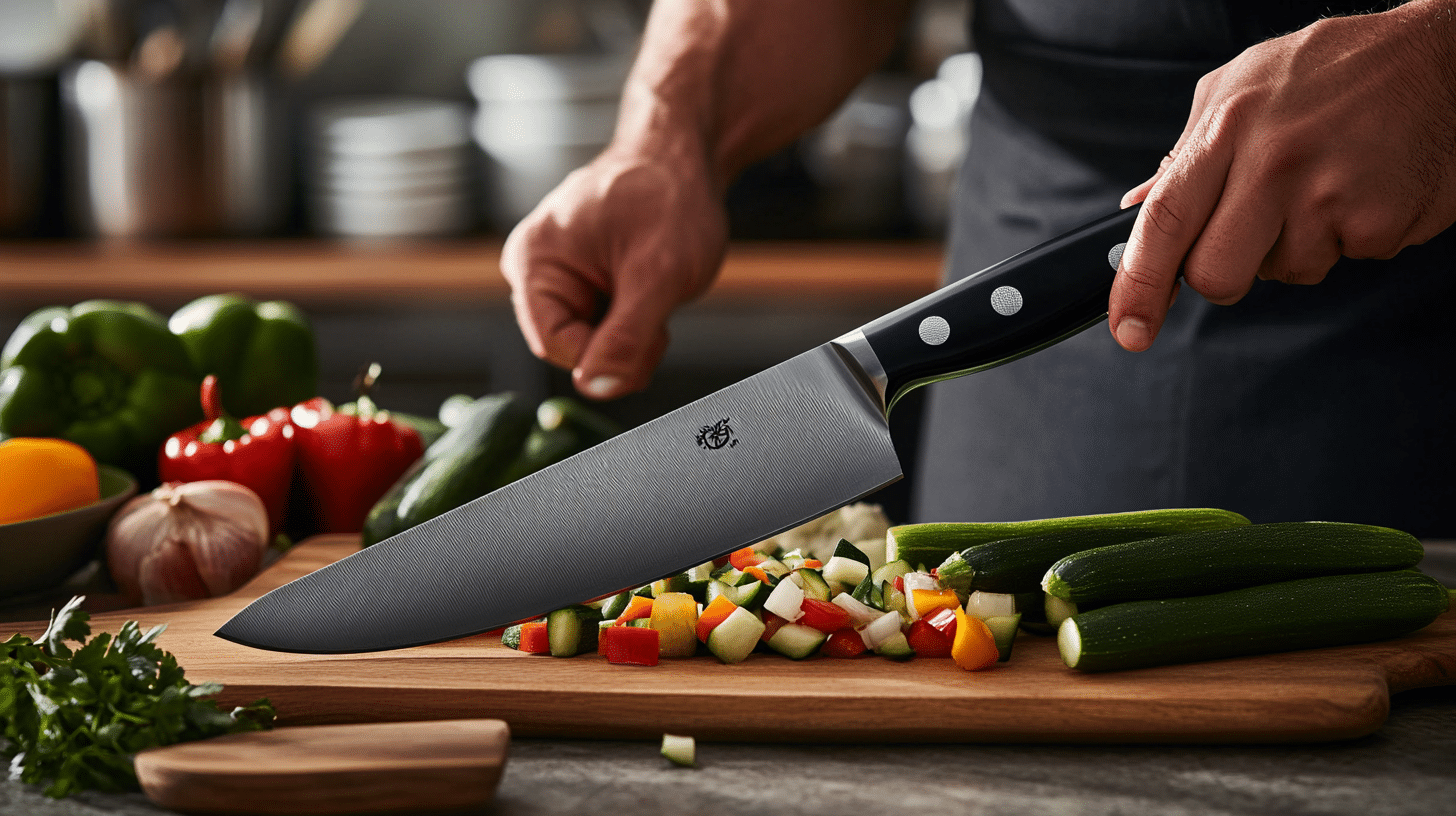
Traditional chef knives are characterized by a broad blade that tapers to a point, making them ideal for slicing, dicing, chopping, and mincing. These knives are typically 8 to 10 inches in length, with a curved blade that allows for a rocking motion during cutting. This versatility makes the traditional chef knife a must-have in every kitchen, whether you’re preparing vegetables, meats, or herbs.
The traditional chef knife is known for its durability and precision, offering a balanced feel in the hand. The long, slightly curved blade enables the user to execute quick, clean cuts with minimal effort. The broad shape provides stability, which allows for a steady grip, especially when cutting through larger items such as melons or butternut squash. For those who appreciate a knife that offers all-around utility, the traditional chef knife is the top choice. Its reliable performance in many tasks makes it a kitchen essential.
Santoku Knives
Santoku knives are a popular alternative to the traditional chef knife, especially in Japanese cuisine. These knives feature a shorter, wider blade with a flat edge, making them perfect for chopping, dicing, and mincing. Santoku knives typically range from 5 to 7 inches in length, offering greater control for delicate tasks such as slicing fish or cutting small vegetables. The Santoku knife is often known for its versatility in preparing smaller and more intricate cuts.
One of the most distinguishing features of a Santoku knife is its “granton” edge, which is a series of shallow grooves along the blade that reduce friction. These grooves prevent food from sticking to the blade, making cutting smoother and faster. The Santoku’s flat profile also makes it more efficient for chopping in a straight-down motion. It’s an excellent choice for anyone looking for a high-performance knife that allows for precision and control, particularly in delicate preparations such as sushi or finely sliced vegetables.
Utility Knives
While not technically a chef knife, utility knives can serve as a perfect complement to a full set of kitchen knives. These knives are smaller, with a blade length ranging from 4 to 7 inches. They are designed for precise, small-scale tasks like trimming meats, peeling fruits, and cutting sandwiches or small vegetables. Utility knives are particularly useful when you need a nimble knife that can handle a wide range of tasks without being too large or too small.
Although utility knives are not as versatile as traditional chef knives, their compact size makes them an essential tool for specific tasks where precision is key. The slim design makes them easy to maneuver, especially for jobs like cutting thin slices of meat, julienning vegetables, or opening food packages. If you need to perform delicate cuts or handle small ingredients, a utility knife should be part of your kitchen arsenal. They provide excellent control, making them perfect for those looking to complete small, detailed tasks quickly and efficiently.

How to Choose a Chef Knife
Choosing the right chef knife requires consideration of several factors, from the knife’s material to its size and design. Below, we break down the important aspects to consider when selecting a chef knife.
Knife Length
The length of the chef knife is an essential factor that affects both precision and versatility. A longer blade, typically around 8 to 10 inches, offers more cutting surface, making it ideal for larger ingredients and tasks. A longer knife can slice through thick meats or large vegetables with ease, providing more control during cuts. On the other hand, a shorter blade provides better control for detailed work and is easier to maneuver in tight spaces. Shorter knives, typically around 6 inches, are perfect for tasks like coring tomatoes or slicing smaller fruits and vegetables.
When choosing the right length, consider the types of tasks you perform most often in the kitchen. A longer knife is perfect for general tasks, while a shorter knife may be more suited for intricate cuts or smaller kitchen spaces. It’s also important to think about the type of food you frequently prepare. If you often work with large roasts or heavy vegetables, a longer blade may offer better performance. Conversely, if you specialize in smaller cuts or delicate foods, a shorter knife will give you the control and precision you need.
Blade Material
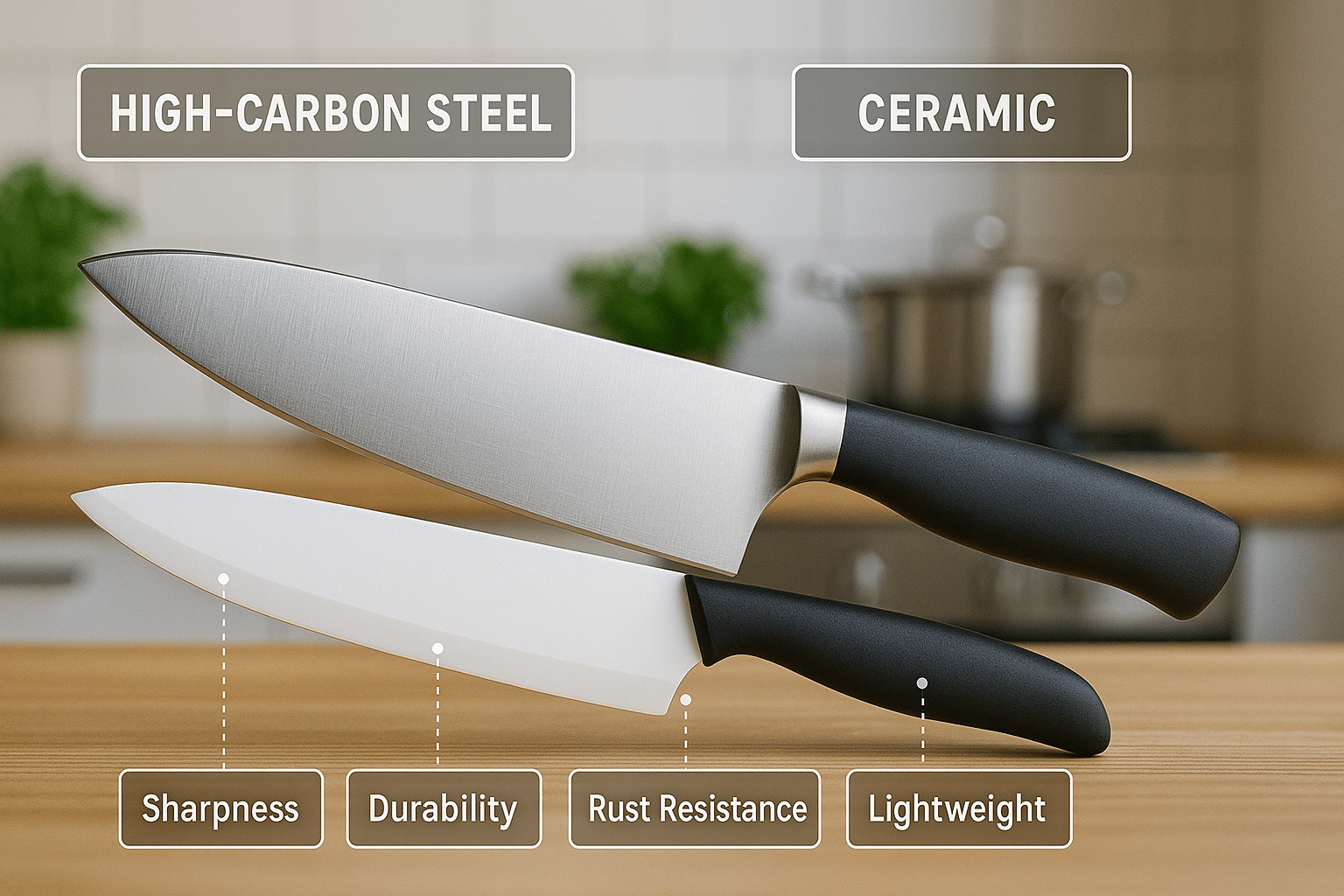
Chef knife blades are made from various materials, each offering distinct benefits and trade-offs. The most common materials include stainless steel, high-carbon steel, and ceramic. Stainless steel is durable, resistant to rust, and easy to maintain, making it a popular choice for general-purpose knives. It’s known for providing a good balance between sharpness, longevity, and ease of care. High-carbon steel blades are sharper and retain their edge longer but require more care to avoid rusting. They are ideal for people who value precision and long-lasting sharpness.
Ceramic blades, while incredibly sharp and lightweight, can be prone to chipping if not handled carefully. They retain their sharpness longer than metal knives but are more delicate and less versatile when it comes to cutting hard materials such as bones or frozen foods. When choosing the material of your knife, consider your cooking style and maintenance preferences. Stainless steel is the go-to for everyday tasks, while high-carbon steel or ceramic may be better suited to chefs who require extreme sharpness for fine tasks.
Handle Design
The handle of a chef knife is just as important as the blade itself. A well-designed handle improves comfort and control, reducing fatigue during prolonged use. Handles can be made from materials like wood, plastic, or composite materials, each offering unique benefits. Wood handles, for example, provide a classic aesthetic and a natural feel, while composite handles are often more durable and resistant to moisture. Choosing a handle with the right material can make a noticeable difference in the comfort and usability of your knife, especially when preparing large quantities of food.
When selecting a chef knife, choose a handle that fits comfortably in your hand and allows for a secure grip. A well-balanced knife with an ergonomic handle will reduce strain and provide greater precision when cutting. Consider the size of your hand and whether you prefer a heavier or lighter knife. A knife with a handle that feels secure and balanced will enhance your ability to cut confidently and safely. For a knife that can handle long prep sessions without causing hand strain, ergonomic design and a secure grip are key elements to keep in mind.
Chef Knife Materials
The material of a chef knife’s blade plays a crucial role in its performance, durability, and ease of maintenance. Understanding the different materials available can help you make an informed decision when selecting the perfect knife for your kitchen.
Stainless Steel
Stainless steel is the most common material used for chef knives due to its resistance to rust, corrosion, and staining. It is also relatively easy to sharpen and maintain. Stainless steel blades typically have a balance between sharpness and durability, making them suitable for a wide range of kitchen tasks. The material also holds an edge longer than other types of steel, making it an excellent choice for home cooks who need a reliable knife. One of the biggest advantages of stainless steel knives is their resistance to corrosion, which makes them low-maintenance and long-lasting with proper care.
However, stainless steel knives can sometimes be more prone to dulling over time compared to high-carbon steel blades. While they don’t require frequent sharpening, regular honing helps maintain the edge for more consistent results. Additionally, stainless steel knives are available in various grades, with higher-end versions offering enhanced performance, especially in terms of edge retention and durability. If you’re looking for a knife that offers an excellent balance of performance and low maintenance, stainless steel is an ideal choice.
High-Carbon Steel
High-carbon steel blades are prized for their exceptional sharpness and ability to retain an edge. These knives are often favored by professional chefs for their precision and performance. The blade material is typically harder, which allows it to maintain a sharp edge for a longer time than stainless steel. A high-carbon steel knife can cut through tough materials effortlessly, making it a favorite among those who value sharpness above all else. However, they do require more maintenance than stainless steel knives, as they are more prone to rust and corrosion.
To maintain the quality of a high-carbon steel knife, you must regularly clean and oil the blade. Despite the additional care required, many chefs swear by high-carbon steel knives for their superior cutting performance. These knives are perfect for those who are willing to put in the effort to maintain them. With proper care, a high-carbon steel chef knife can deliver unmatched sharpness and precision, making it a valuable tool for any kitchen.
Ceramic Blades
Ceramic knives are made from a hard, non-metallic material that is incredibly sharp and lightweight. These knives are resistant to rust, stains, and corrosion, making them low-maintenance and highly durable. The ceramic blade holds its edge for an extended period, so you won’t need to sharpen it as often as metal knives. Ceramic knives are ideal for slicing delicate items, such as fruits, vegetables, and boneless meats. Their lightweight nature allows for effortless, precise cuts that require less force compared to metal knives.
However, ceramic knives can be prone to chipping or breaking if dropped or used on hard surfaces. They are best suited for cutting fruits, vegetables, and boneless meats, and are not ideal for tasks that require a lot of force, such as cutting through bones or frozen foods. If you prefer a low-maintenance, sharp, and lightweight knife, a ceramic blade may be a perfect addition to your kitchen. Just be cautious with handling and storage to avoid damaging the blade.
Chef Knife Maintenance
To ensure the longevity and optimal performance of your chef knife, proper maintenance is essential. Regular care can help keep the blade sharp, prevent corrosion, and maintain the knife’s overall condition. Below, we’ll discuss essential maintenance practices to keep your chef knife in top shape for years to come.
Sharpening Your Knife
Sharp knives are safer and more efficient to use, making it important to regularly sharpen your chef knife. There are several methods for sharpening, including using a honing rod, sharpening stone, or electric knife sharpener. While honing rods can maintain a blade’s edge, sharpening stones and electric sharpeners are ideal for restoring a dull edge. When sharpening your knife, you should apply consistent pressure along the blade and use the right angle to ensure an even edge.
How often you need to sharpen your knife depends on the frequency of use and the material of the blade. For professional chefs or heavy users, sharpening every few weeks is recommended, while home cooks may only need to sharpen their knives a few times per year. If you use your knife frequently, sharpening can help keep it performing optimally. For best results, it’s also a good idea to use a professional sharpening service when necessary, especially for high-end or specialty knives.
Cleaning and Drying
After each use, it’s important to clean and dry your chef knife properly to avoid damage. Hand wash the knife with mild soap and warm water, ensuring that it is completely dry before storing it. Avoid putting your chef knife in the dishwasher, as the high heat and harsh detergents can damage the blade and handle. Gently clean the knife with a soft cloth or sponge to avoid scratching or dulling the surface.
Proper cleaning not only helps preserve the knife’s appearance but also prevents rust and corrosion. By taking a few extra minutes to clean your knife thoroughly, you can keep it in excellent condition for years to come. If your knife is made from high-carbon steel, drying it immediately after washing is crucial to prevent rust. For stainless steel knives, while they are more resistant to rust, it’s still important to dry them to maintain their finish and performance.
Storage Solutions
To prevent damage to the blade, store your chef knife in a safe and secure place. A knife block is a great option for storing multiple knives, as it helps protect the blade from contact with other utensils. Alternatively, a magnetic knife strip or a knife sheath can be used for single knives. Knife blocks also keep knives organized, allowing easy access while preventing accidental damage when reaching for a knife.
Proper storage helps prevent dulling, chipping, and other forms of damage, ensuring that your chef knife remains functional and aesthetically pleasing. Storing knives in a drawer without protection can lead to them becoming dull or damaged from contact with other items. For safety, always store knives in a way that the blade is not exposed or susceptible to accidental contact with other objects or hands.
Top Chef Knife Brands
When it comes to high-quality chef knives, several brands have built a reputation for producing some of the best knives in the industry. These brands offer various options in terms of blade material, design, and price points, allowing you to find the perfect knife for your needs. Here are a few top chef knife brands that are well-known for their superior craftsmanship and performance.
Wüsthof
Wüsthof is a renowned German brand known for producing high-quality knives with exceptional craftsmanship. Their chef knives are made from high-carbon stainless steel, offering a perfect balance of sharpness, durability, and ease of maintenance. Wüsthof knives are favored by many professional chefs for their precision and reliable performance. The company’s rigorous manufacturing process ensures that each knife is of the highest quality, capable of performing in the most demanding kitchen environments.
Wüsthof chef knives are typically well-balanced, making them easy to handle for both beginners and professionals. Their traditional and sleek designs are not only visually appealing but also functional. Whether you are chopping vegetables or slicing meat, Wüsthof knives are built to withstand constant use, offering reliable cutting performance. If you’re looking for a knife that blends aesthetics with high performance, Wüsthof is a great choice.
Global
Global knives are made in Japan and are known for their lightweight design and sharpness. These knives feature a unique, one-piece construction, providing added strength and durability. The seamless construction of Global knives ensures there are no rivets or joints, which makes cleaning easier and minimizes the risk of bacteria buildup. Global chef knives are well-balanced, allowing for comfortable handling during prolonged use, and their sharp edge is perfect for precision cutting.
What sets Global apart from other brands is its commitment to using high-quality materials, such as Cromova 18 stainless steel, which is resistant to corrosion and stains. This makes Global knives ideal for chefs looking for a sharp, low-maintenance knife that performs exceptionally well in any kitchen setting. The lightweight nature of these knives reduces hand fatigue, making them ideal for chefs who spend long hours preparing food.
Shun
Shun is another top Japanese brand that produces chef knives known for their beauty and performance. Made from high-carbon stainless steel, Shun knives are incredibly sharp and hold an edge for an extended period. The knives’ traditional craftsmanship combined with modern technology makes them an excellent choice for home cooks and professional chefs alike. Shun blades are renowned for their hardness, which helps them stay sharp longer than other knives.
Shun knives feature a sleek and elegant design, with a handle made from high-quality materials like Pakkawood or resin, ensuring a comfortable grip. These knives are not only sharp but also exceptionally durable, providing a perfect balance between function and aesthetics. Shun’s craftsmanship shines through in its attention to detail, from the Damascus-patterned blades to the precision honing that makes each knife a work of art. If you’re looking for a high-end, performance-driven knife that offers both style and substance, Shun is an excellent brand to consider.
Pirge (Bursa, Turkey)
Pirge is a well-established Turkish brand that has gained recognition for producing high-quality, handcrafted knives. With a rich history of knife-making in the city of Bursa, Turkey, Pirge is known for its meticulous craftsmanship and attention to detail. Their chef knives are made using high-carbon stainless steel, offering an excellent balance between sharpness, durability, and ease of maintenance. Pirge knives are highly regarded for their ergonomic handles and traditional design, which provide exceptional control and comfort during use.
The brand has a long-standing tradition of producing knives that cater to both professional chefs and home cooks. Pirge’s commitment to quality is evident in each blade, with a focus on delivering top-tier performance and precision. Whether you’re preparing a meal for your family or running a commercial kitchen, Pirge knives offer reliability and craftsmanship that you can trust. For anyone looking for an expertly crafted knife from Turkey, Pirge is a brand worth considering.
Biyo POS and Your Kitchen
At Biyo POS, we understand the importance of having the right tools in your kitchen. Whether you’re running a restaurant, a food truck, or a catering business, Biyo POS provides cutting-edge technology to help streamline operations, manage inventory, and improve customer service. With our intuitive POS system, you can stay on top of your orders, track your inventory, and optimize your workflow in the kitchen.
Our POS system integrates seamlessly with your kitchen, ensuring that you can focus on what matters most: preparing delicious food. The ability to track ingredient usage and manage stock helps prevent waste and ensures that you always have the supplies needed to create your signature dishes. With Biyo POS, your kitchen operations will run smoothly, allowing you to deliver excellent meals with efficiency and ease.

Frequently Asked Questions
How often should I sharpen my chef knife?
It depends on how often you use it. For heavy use, sharpen your knife every few weeks. For lighter use, sharpening once or twice a year may suffice. Regular honing helps maintain the edge. However, if your knife feels dull and doesn’t cut efficiently, it may be time for sharpening, regardless of the schedule.
Can I put my chef knife in the dishwasher?
No, it’s best to hand wash your chef knife with mild soap and warm water to avoid damage. The high heat and harsh detergents in dishwashers can weaken the blade and handle. To maintain the integrity of the knife, always dry it immediately after washing.
What’s the best material for a chef knife blade?
It depends on your preferences. Stainless steel is durable and low-maintenance, while high-carbon steel offers superior sharpness and edge retention. Ceramic knives are lightweight and stay sharp longer, but they require more careful handling. Each material offers unique benefits, so consider your needs when choosing the right blade for your kitchen.