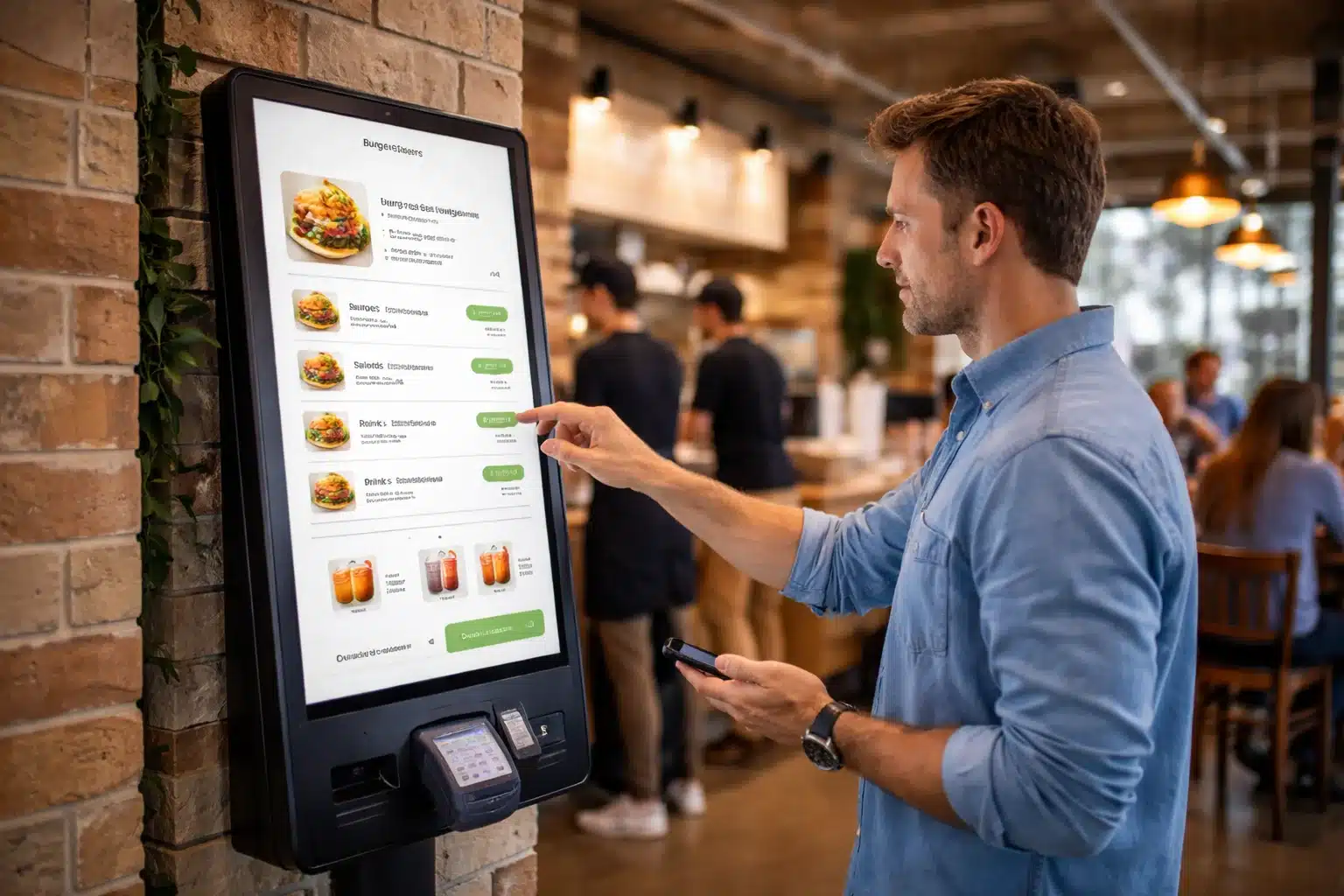
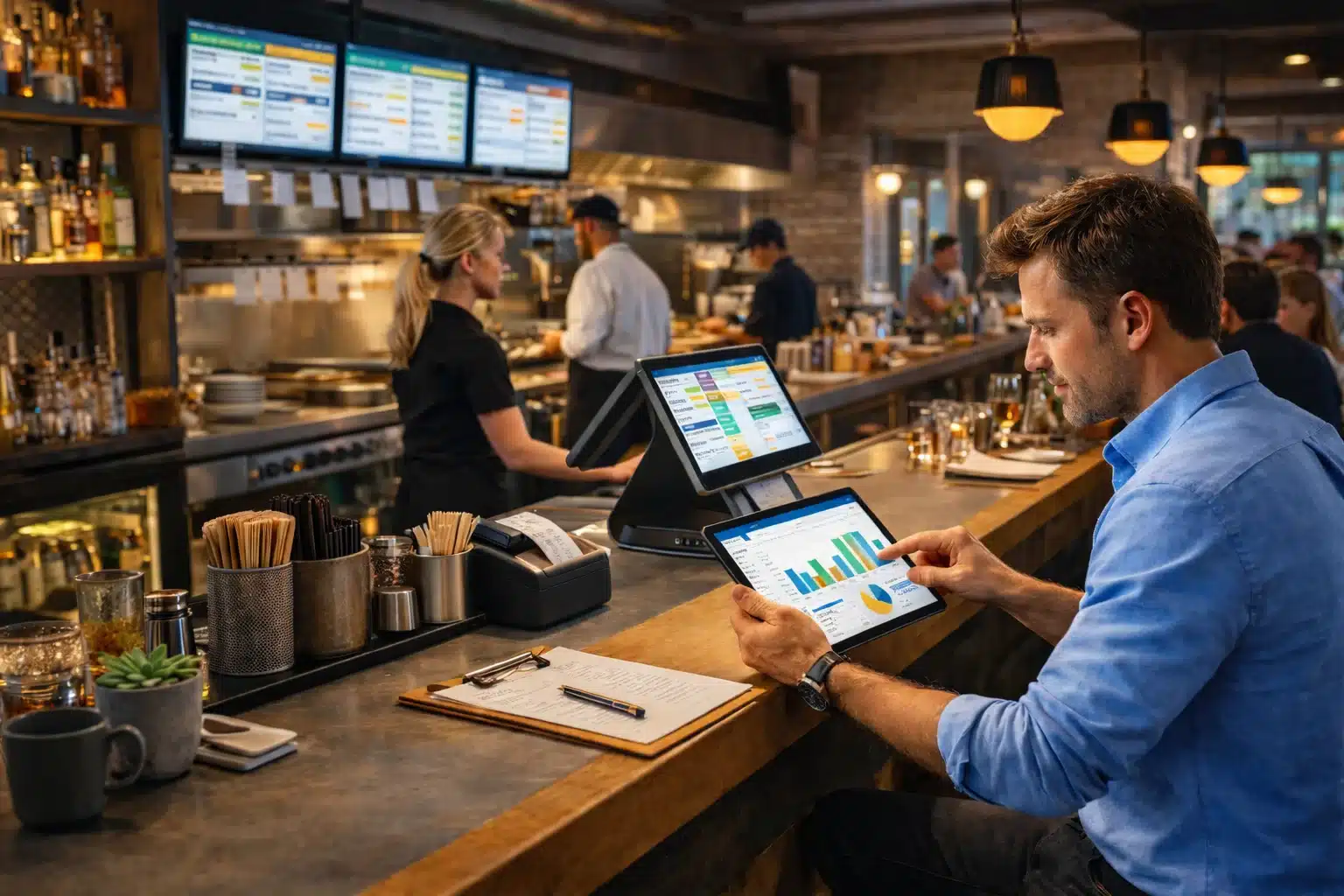
In the fast-paced world of Wisconsin’s dining industry, having an efficient and reliable restaurant POS system can make all the difference. Whether you run a cozy café in Madison or a bustling eatery in Milwaukee, the right Wisconsin restaurant POS streamlines operations, improves order accuracy, and enhances customer experience. With advances in technology such as cloud-based platforms, mobile POS, and real-time analytics, these systems have evolved beyond simple cash registers to powerful tools that drive profitability and compliance with Wisconsin food service regulations.
Choosing the perfect POS tailored for Wisconsin restaurants demands understanding key features like payment processing, inventory tracking, kitchen display integration, and table management. This article dives deep into what makes Wisconsin restaurant POS solutions stand out, providing restaurateurs with insights to optimize their business with cutting-edge technology.
Table of Contents
- Key Features of Wisconsin Restaurant POS Systems
- Benefits of Implementing a Wisconsin Restaurant POS
- Navigating Wisconsin Food Service Regulations with POS
- Emerging Technology Trends in Wisconsin Restaurant POS
- How to Choose the Best Wisconsin Restaurant POS
- Biyo POS: A Tailored Solution for Wisconsin Restaurants
- Frequently Asked Questions
Key Features of Wisconsin Restaurant POS Systems
Understanding the essential components of a Wisconsin restaurant POS helps owners identify what suits their business best. Each feature contributes to smooth operations, from order taking to payment processing and beyond.
Point of Sale and Payment Processing
At its core, the point of sale function is the heartbeat of any restaurant operation. Wisconsin restaurant POS systems are designed to handle a variety of payment types swiftly and securely. This includes cash, credit and debit cards, mobile wallets such as Apple Pay or Google Wallet, and contactless payments that have grown increasingly popular. The integration with trusted payment processors ensures that transactions are encrypted and protected from fraud, giving both the restaurant and customers peace of mind.
For instance, imagine a busy Saturday evening at a popular Wisconsin steakhouse. The POS must handle dozens of orders, often with special requests and split bills. A system with a streamlined payment processing module not only speeds up checkout but reduces errors caused by manual entry. This means guests spend less time waiting, which in turn boosts turnover and revenue.
Furthermore, modern POS solutions now seamlessly connect with online ordering platforms, facilitating omnichannel sales management. As many Wisconsin restaurants expand their takeout and delivery options, the ability to process payments smoothly across channels becomes critical. This integration helps reduce discrepancies and improves the overall customer experience by providing reliable payment handling whether the order is in-house or online.
Order Management and Kitchen Display Systems
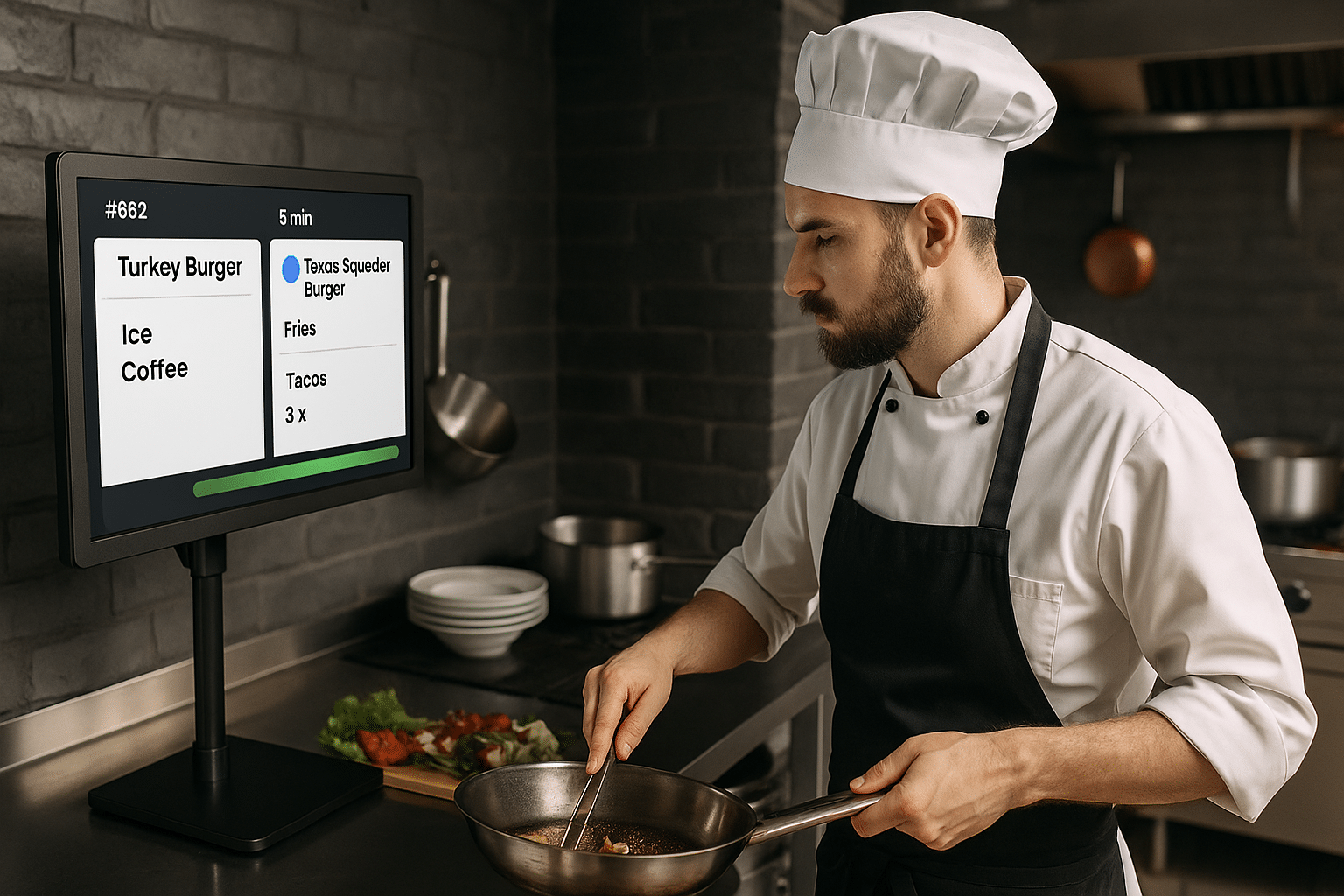
Efficient order management is fundamental to restaurant success, and Wisconsin restaurant POS systems excel by linking front-of-house and kitchen operations. Instead of relying on handwritten tickets, which can be lost or misread, orders entered into the POS automatically transmit to kitchen display systems (KDS). These digital screens present each order clearly, showing item details, modifiers, and any special requests, reducing the chances of mistakes.
For example, in a Wisconsin café serving many dietary-conscious customers, an order flagged as “gluten-free” or “nut allergy” must be conveyed precisely to kitchen staff. The KDS highlights these specifications, ensuring the meal preparation follows safety protocols and customer expectations. This digital communication eliminates confusion and enhances kitchen efficiency.
Moreover, the kitchen display system helps prioritize orders based on timing and complexity. The ability to see all active orders in real time means chefs can better organize their workflow, reducing wait times and keeping food quality high. Ultimately, this seamless coordination between servers and kitchen staff elevates service speed and accuracy, critical factors in the competitive Wisconsin restaurant market.
Table Management and Mobile POS
Table management features within Wisconsin restaurant POS systems provide hosts and managers with a visual layout of the dining area, allowing them to track table availability, reservations, and guest preferences efficiently. This is especially valuable for busy Wisconsin restaurants during peak hours or special events where effective seating can reduce wait times and improve customer satisfaction.
Mobile POS capabilities add a new dimension to service by enabling waitstaff to take orders and process payments directly at the table using handheld devices or tablets. This flexibility eliminates the need for customers to queue at a stationary register, which can enhance the overall dining experience. For instance, in a Wisconsin brewpub with large group gatherings, servers equipped with mobile POS can rapidly input drink orders or split bills without delays.
Additionally, mobile POS supports contactless payments and digital receipts, aligning with current health and safety trends. Customers appreciate this level of convenience, which also reduces the handling of cash or paper. By combining table management with mobile POS, Wisconsin restaurants can optimize floor operations, increase table turnover, and offer personalized, efficient service that keeps patrons coming back.
Benefits of Implementing a Wisconsin Restaurant POS
Investing in a tailored Wisconsin restaurant POS yields significant benefits that impact both day-to-day operations and long-term growth potential. These systems provide comprehensive solutions to common challenges faced by restaurateurs across the state.
Streamlined Inventory Tracking and Sales Reporting
One of the standout advantages of a Wisconsin restaurant POS is its ability to track inventory in real time. Every time an item is sold or used, the system automatically updates stock levels. This precise tracking helps restaurant managers avoid overordering ingredients that can spoil or underordering items that could lead to menu shortages, which may frustrate customers and harm reputation.
Imagine a farm-to-table restaurant in Wisconsin that focuses on seasonal produce. By utilizing POS-based inventory management, the owner can monitor supply fluctuations closely and adjust menu offerings accordingly. This level of control supports cost savings by reducing waste and maximizing ingredient freshness.
Alongside inventory management, sales reporting tools generate detailed analytics on daily revenue, popular menu items, and peak business hours. Managers can leverage this data to identify trends and plan marketing strategies. For instance, if a certain Wisconsin cheese platter sells exceptionally well, the restaurant may promote it more heavily or bundle it with local wine for special events. These insights empower restaurants to make data-driven decisions that fuel profitability and customer engagement.
Enhancing Customer Loyalty and Staff Scheduling
Customer loyalty programs integrated with Wisconsin restaurant POS systems allow businesses to reward repeat patrons with points, discounts, or exclusive offers. This personalization fosters a deeper connection with customers and encourages frequent visits, which is essential in a competitive marketplace.
For example, a Wisconsin deli might use POS data to identify loyal customers and send them targeted promotions on their favorite sandwiches or beverages. Such tailored marketing helps build community and strengthens brand affinity.
In addition, POS systems simplify employee scheduling by offering tools that balance labor costs with staffing needs. Managers can create, modify, and communicate shift schedules easily, reducing conflicts and absenteeism. This ensures that during busy periods, such as Wisconsin’s popular summer festivals or holiday seasons, restaurants have sufficient staff on hand to maintain high service standards.
Boosting Operational Efficiency and Security
With user-friendly touch screen interfaces, Wisconsin restaurant POS systems reduce errors in order entry and payment processing. This efficiency allows staff to focus more on customer interaction and less on administrative tasks, enhancing the overall dining experience.
Security is a paramount concern in any payment system. Wisconsin restaurant POS solutions incorporate advanced encryption and compliance measures that protect sensitive customer data and prevent fraud. These safeguards not only protect businesses from financial loss but also build customer trust in handling their payments securely.
Additionally, many POS platforms operate on cloud infrastructure, providing remote access for owners and managers. This capability enables business leaders to monitor sales, inventory, and staff performance from anywhere, empowering proactive management. In turn, this reduces downtime and ensures smooth restaurant operations, even when owners are off-site.
Navigating Wisconsin Food Service Regulations with POS
Wisconsin restaurants must adhere to specific food service regulations to ensure safety, transparency, and quality. A Wisconsin restaurant POS system is a critical ally in maintaining compliance while facilitating smooth operations.
Tracking Health and Safety Compliance
Many Wisconsin restaurant POS systems now include modules designed to help businesses log and track health and safety protocols. These features enable staff to record temperature checks for refrigeration units, sanitation routines for equipment, and employee food safety certifications. Accurate documentation of these practices is vital during health inspections conducted by local authorities.
For example, a Wisconsin family-owned diner might use its POS system to schedule and remind staff of cleaning duties, ensuring that sanitation standards are consistently met. This automation reduces the risk of oversight, which could lead to penalties or even temporary closures.
Furthermore, some POS platforms provide digital checklists and alerts that prompt managers to complete required safety tasks. By integrating compliance monitoring within daily operations, Wisconsin restaurants can maintain a higher standard of hygiene effortlessly and confidently.
Menu Customization for Dietary Regulations
Wisconsin’s diverse dining population expects restaurants to offer options accommodating allergies, dietary restrictions, and personal preferences. POS systems with customizable menus allow restaurants to clearly indicate allergen information, gluten-free dishes, vegan selections, and other modifications right at the point of order.
This functionality helps restaurants comply with labeling requirements and reduces the risk of cross-contamination. For instance, a Wisconsin bistro serving a “Build Your Own Salad” menu can easily program its POS to flag nut allergies or dairy restrictions, alerting kitchen staff immediately.
Transparent menu customization also enhances customer trust and satisfaction, as diners feel confident their needs are understood and respected. This attention to detail can differentiate Wisconsin restaurants in a crowded marketplace and support positive reviews and word-of-mouth referrals.
Accurate Tax Calculation and Reporting
Wisconsin imposes specific sales tax rules on food and beverages, which vary depending on the type of product and location. Manually calculating these taxes can be complicated and prone to error. Fortunately, advanced Wisconsin restaurant POS systems automatically apply the correct tax rates during each transaction based on current regulations.
This automation ensures accuracy in daily sales records and streamlines the preparation of tax filings. Restaurant owners no longer need to worry about under- or over-collecting taxes, which can lead to audits or financial penalties.
Moreover, POS-generated reports provide detailed tax breakdowns that assist accountants in compiling precise returns. This efficiency saves time and reduces stress, allowing restaurateurs to focus on growing their business instead of tax compliance intricacies.
Emerging Technology Trends in Wisconsin Restaurant POS
The restaurant industry is evolving rapidly, and Wisconsin restaurants are embracing new POS technologies to stay competitive, meet customer expectations, and streamline operations.
Cloud-Based POS Systems
Cloud-based POS platforms have become increasingly popular among Wisconsin restaurants due to their flexibility and scalability. Unlike traditional on-premise systems, cloud POS does not require extensive hardware installations. Instead, data is stored securely online, allowing for automatic software updates and backups without interrupting service.
This technology is especially beneficial for Wisconsin restaurant owners managing multiple locations, as it enables centralized control over sales data, inventory, and employee scheduling. Managers can access real-time insights from any internet-connected device, facilitating timely decision-making.
Furthermore, cloud POS systems often integrate easily with other business software such as accounting programs and marketing tools, creating a cohesive technology ecosystem that supports growth and innovation.
Integration of Online Ordering and Contactless Payments
Customer preferences have shifted towards convenience and safety, driving Wisconsin restaurants to adopt online ordering and contactless payment methods. Modern POS systems support these features natively or via seamless integrations.
For instance, many Wisconsin eateries now offer customers the ability to place orders through branded websites or third-party platforms, with orders flowing directly into the POS system for processing. This reduces manual entry errors and accelerates fulfillment.
Contactless payments via NFC technology or mobile wallets reduce physical contact at checkout, addressing health concerns and speeding up transactions. By embracing these innovations, Wisconsin restaurants enhance customer experience while adhering to current safety protocols.
Real-Time Analytics and AI Assistance
Artificial intelligence and real-time data analytics are transforming how Wisconsin restaurants manage their operations. Advanced POS systems use AI to analyze sales patterns, predict busy periods, and suggest optimal staffing levels.
This intelligence helps restaurant owners avoid overstaffing or understaffing, which can impact profitability and service quality. For example, if the POS detects an increase in lunch orders on certain days, it can recommend scheduling more kitchen and floor staff during those times.
Additionally, AI-driven insights can guide menu engineering by identifying high-margin or popular items to promote. These capabilities allow Wisconsin restaurateurs to make smarter decisions backed by data, leading to increased efficiency and customer satisfaction.
How to Choose the Best Wisconsin Restaurant POS
Selecting the ideal POS system for your Wisconsin restaurant requires a careful evaluation of your operational needs, budget, and desired features.
Assessing Your Restaurant’s Operational Needs
Begin by analyzing your restaurant’s size, service style, and customer volume. Quick-service establishments may prioritize fast checkout and mobile POS, while fine dining venues might need sophisticated table management and customizable menu options.
Consider your current challenges and goals. Do you want to improve order accuracy, streamline inventory management, or enhance customer loyalty programs? Identifying these priorities will help filter POS providers to those offering relevant solutions.
Additionally, think about your future growth plans. Choose a system that can scale with your business and adapt to new trends in the Wisconsin hospitality industry.
Evaluating Features and Customizability
Compare POS systems based on the depth and flexibility of their features. Key areas to examine include payment processing options, order management, kitchen display compatibility, inventory tracking, and reporting capabilities.
Customizability is crucial to align the system with your unique menu items, pricing structures, and service workflows. For example, a Wisconsin pizzeria might need a POS that supports complex modifiers for toppings and sizes, while a coffee shop requires quick beverage ordering.
Request demos or trial periods to experience the user interface and functionality firsthand. Gathering feedback from your staff during this phase can prevent costly mistakes after implementation.
Considering Support and Cost Factors
Reliable customer support is vital for resolving technical issues and minimizing downtime. Investigate the vendor’s support channels, availability hours, and responsiveness before committing.
Analyze the total cost of ownership, including upfront hardware, software licenses or subscriptions, transaction fees, and potential upgrade costs. While it’s tempting to opt for the cheapest solution, prioritize systems offering strong value, reliability, and scalability.
Also, factor in training resources and ease of use to reduce onboarding time and accelerate staff adoption. A well-supported POS will be an asset, not a burden, to your Wisconsin restaurant’s success.

Biyo POS: A Tailored Solution for Wisconsin Restaurants
Biyo POS delivers a comprehensive restaurant POS solution engineered to address the specific needs of Wisconsin’s diverse dining establishments. Its cloud-based platform offers unmatched flexibility, allowing seamless management of multiple locations and easy software updates without disrupting service.
Featuring intuitive touch screen interfaces and mobile POS capabilities, Biyo POS empowers servers to take orders and process payments anywhere on the floor, enhancing speed and customer satisfaction. Integration with kitchen display systems ensures flawless communication between front-of-house and kitchen staff, improving order accuracy and delivery times.
Biyo POS also prioritizes compliance by incorporating inventory tracking, automated tax calculations aligned with Wisconsin regulations, and health safety documentation tools. The system’s real-time analytics provide actionable insights, enabling restaurant owners to optimize menus, staffing, and promotions effectively. Backed by dedicated customer support, Biyo POS stands as an ideal partner for Wisconsin restaurants seeking growth and operational excellence.
Frequently Asked Questions
What makes a Wisconsin restaurant POS different from other POS systems?
Wisconsin restaurant POS systems are uniquely tailored to comply with state-specific food service regulations, tax codes, and hospitality industry standards. They often incorporate local supplier integration, tax automation reflecting Wisconsin’s sales tax laws, and tools to support health and safety compliance as mandated by Wisconsin authorities. These features distinguish them from generic POS solutions and help local eateries operate smoothly within legal frameworks.
Can I integrate my Wisconsin restaurant POS with online ordering platforms?
Absolutely. Modern Wisconsin restaurant POS solutions support native or third-party integrations with popular online ordering platforms. This means orders placed through your website or delivery apps flow directly into the POS system, eliminating manual entry errors and streamlining fulfillment. Such integrations are vital as many Wisconsin restaurants expand their takeout and delivery services to meet evolving customer preferences.
Is mobile POS important for Wisconsin restaurants?
Mobile POS is increasingly important in Wisconsin restaurants as it enhances flexibility and customer service. With mobile POS, servers can take orders and process payments tableside, reducing wait times and improving accuracy. This technology is especially valuable in establishments with large dining areas or during busy events. Additionally, mobile POS supports contactless payments and digital receipts, aligning with modern health and convenience expectations.
How does a Wisconsin restaurant POS help with inventory management?
A Wisconsin restaurant POS system tracks inventory usage automatically by recording every sale and ingredient deduction. This real-time monitoring allows managers to know exactly when to reorder supplies, minimizing waste and preventing stockouts. For example, a Wisconsin brewery using fresh local hops can ensure sufficient supply during peak brewing seasons by relying on POS-driven inventory alerts, thus maintaining consistent product availability.
Does Biyo POS support compliance with Wisconsin tax laws?
Yes, Biyo POS includes automated tax calculation features that account for Wisconsin state and local tax regulations. The system updates tax rates as laws change, ensuring that your restaurant collects accurate sales taxes and simplifies reporting. This automation helps prevent errors and potential penalties, allowing you to focus on running your business confidently and compliantly.