
In today’s competitive restaurant industry, making data-driven decisions is no longer a luxury but a necessity. Restaurant data analytics tools are empowering business owners to make informed decisions that drive profitability, optimize operations, and enhance customer experiences. From tracking sales to predicting customer preferences, these tools offer invaluable insights. In this article, we’ll explore how these tools are transforming the way restaurants operate and the key functionalities they provide.
- The Importance of Restaurant Data Analytics
- Key Features of Restaurant Data Analytics Tools
- How Restaurant Data Analytics Tools Enhance Operational Efficiency
- The Role of Predictive Analytics in Restaurant Management
- The Future of Restaurant Data Analytics
- Biyo POS: A Leader in Restaurant Data Analytics
- FAQs
The Importance of Restaurant Data Analytics
Data has become the backbone of every thriving restaurant business. With the rise of big data, restaurants now have access to a wealth of information that can help them improve their operations, customer service, and revenue streams. Restaurant data analytics tools provide the means to collect, analyze, and visualize this data in ways that were not possible before.
Understanding Customer Behavior with Analytics
Customer behavior analytics is one of the most powerful uses of restaurant data analytics tools. By analyzing purchasing patterns, time-of-day preferences, and menu item popularity, restaurants can gain a deep understanding of what their customers enjoy and when. This allows restaurants to tailor their offerings to meet customer demands, resulting in higher sales and customer satisfaction.
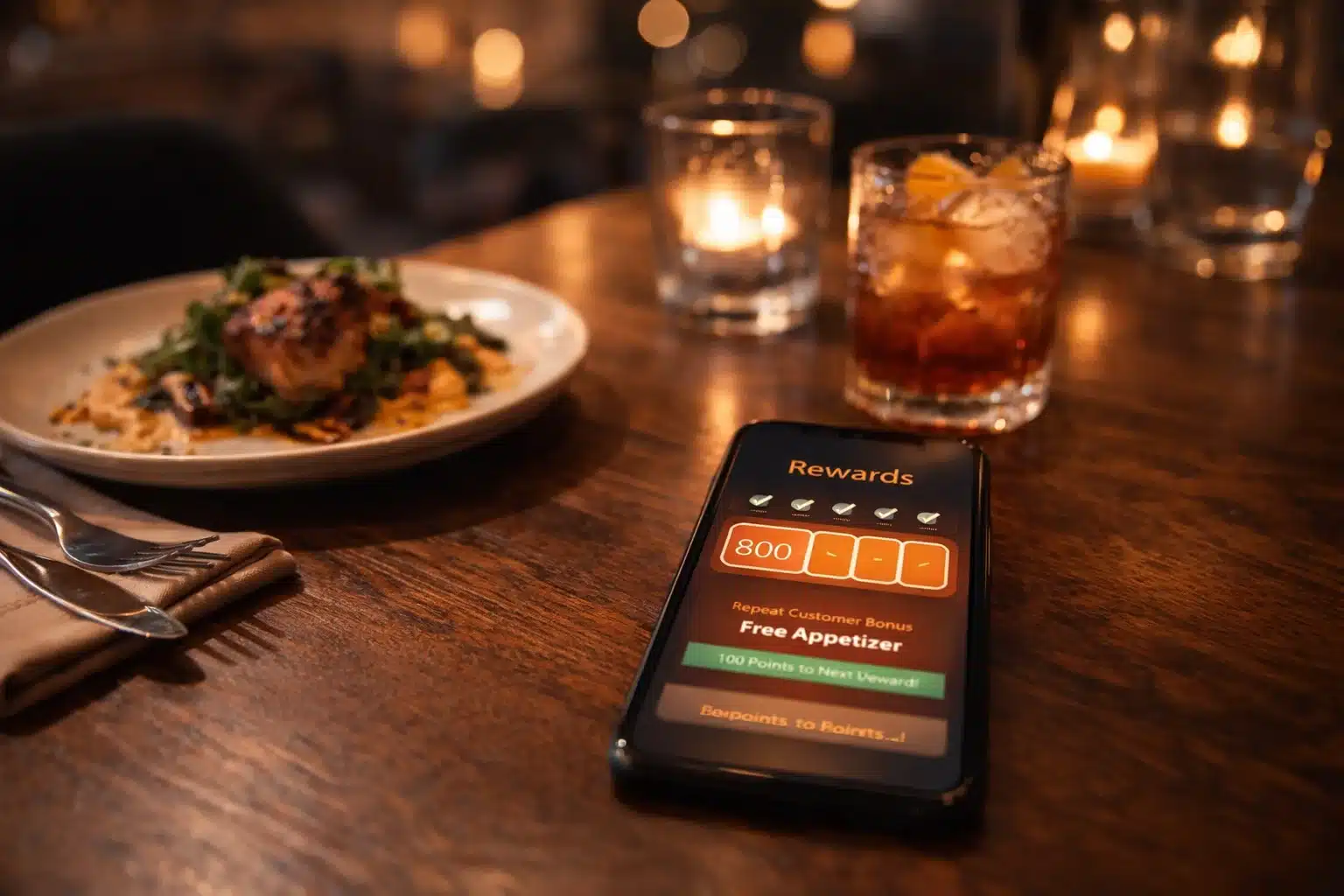
Additionally, the integration of customer relationship management (CRM) systems with analytics tools allows restaurants to segment their customers effectively. By tracking individual customer behavior, restaurants can create targeted marketing campaigns, personalized offers, and loyalty programs that resonate with their customer base, leading to higher engagement and retention. For example, offering a personalized discount based on customer purchase history can encourage repeat visits, boosting customer loyalty.
Optimizing Inventory Management
Inventory analytics is another critical function of restaurant data analytics tools. With the ability to track inventory levels in real-time, restaurants can reduce food waste, streamline ordering processes, and optimize stock levels based on sales trends and seasonality. This helps reduce both operational costs and the risk of running out of key ingredients during peak periods, ensuring that the restaurant can always meet customer demand.
Moreover, real-time inventory tracking can help identify inefficiencies in the supply chain, allowing managers to make data-driven decisions about supplier relationships and purchasing strategies. For example, if a restaurant consistently runs out of a particular ingredient, the system can suggest an increase in order quantities to prevent shortages. This proactive approach to inventory management ensures smooth operations and reduces unnecessary costs related to last-minute orders or overstocking.
Maximizing Revenue with POS Analytics Tools
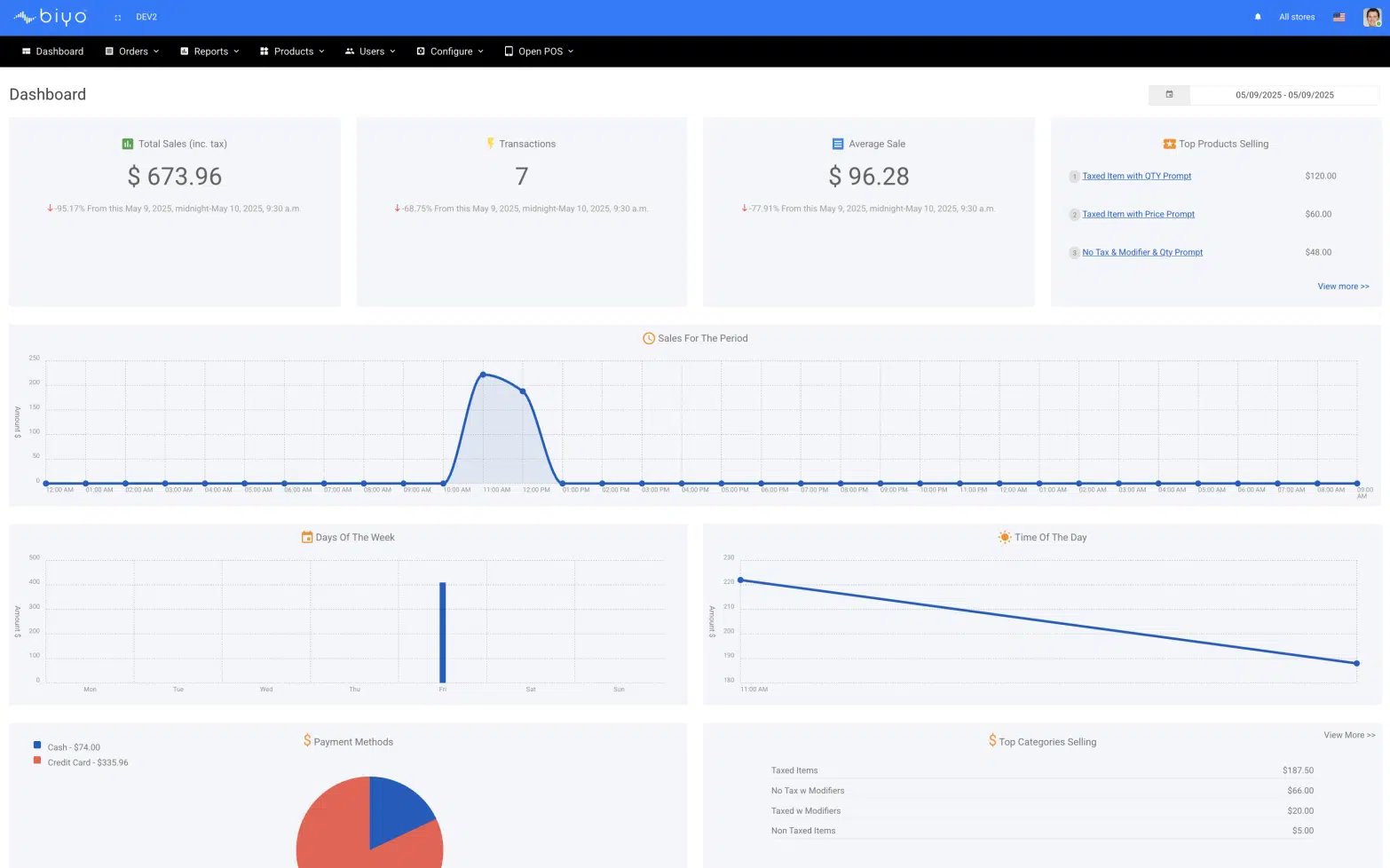
Point of Sale (POS) analytics tools are an integral part of restaurant data analytics. These tools collect valuable data directly from transactions, enabling restaurant managers to analyze sales, payment methods, and transaction volume. This data helps businesses understand revenue streams, identify high-performing products, and adjust pricing strategies accordingly to maximize profitability.
POS data can also reveal patterns in peak sales periods, helping restaurants schedule staff efficiently and ensure that they are fully prepared during busy times. Additionally, by analyzing customer tips, average check size, and order frequency, managers can make adjustments to improve both revenue and customer satisfaction. For instance, a restaurant may find that during certain times, customers tend to spend more on appetizers or drinks, which can lead to targeted promotions or menu adjustments during those peak periods.
Key Features of Restaurant Data Analytics Tools
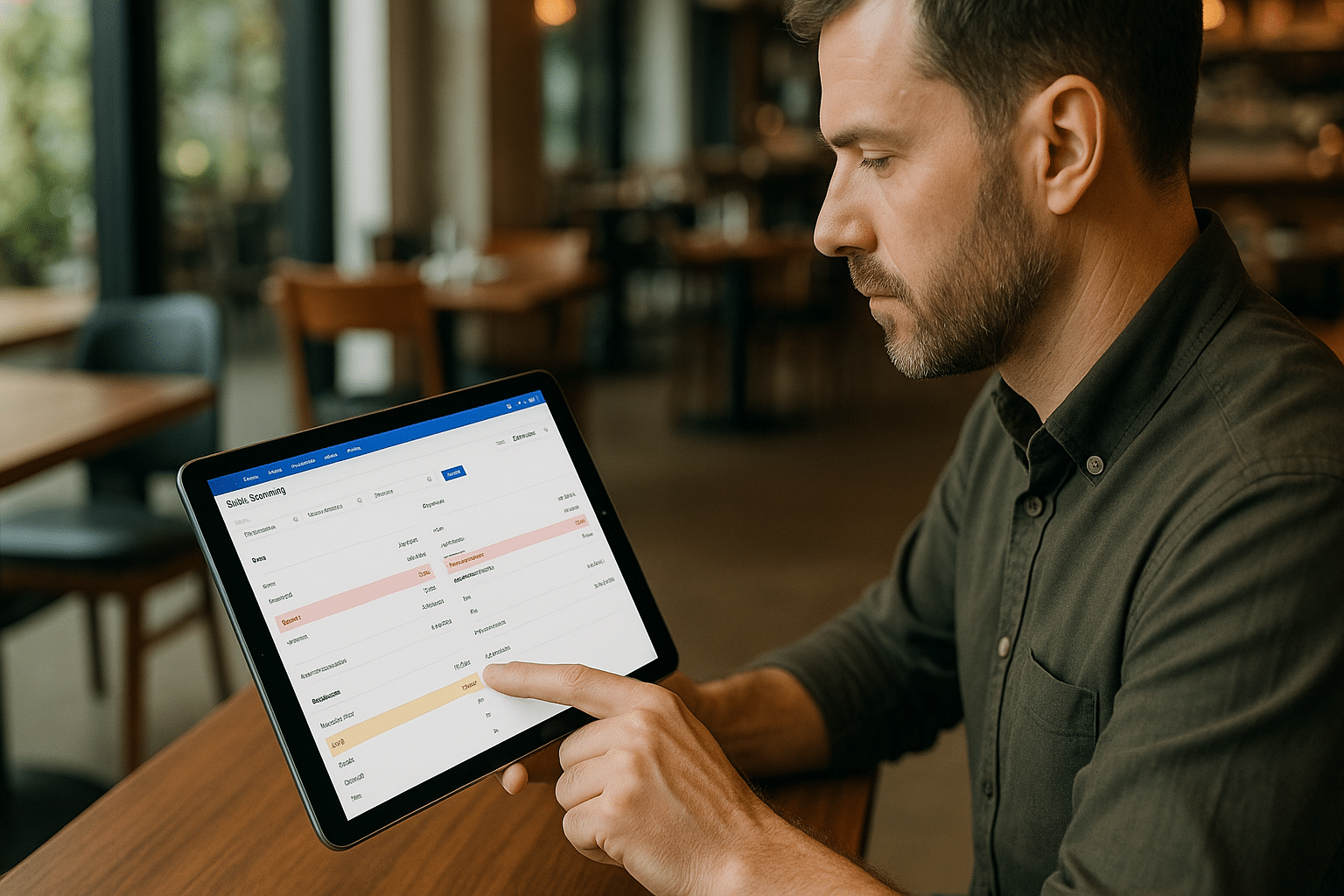
Restaurant data analytics tools offer a wide range of features that can transform the way restaurants operate. From inventory management to sales forecasting, these tools provide actionable insights that empower business owners to make informed decisions. Let’s take a closer look at some of the most important features of these tools.
Operational KPI Dashboards
One of the standout features of restaurant data analytics tools is the ability to track key performance indicators (KPIs) in real-time. Operational KPI dashboards provide an overview of a restaurant’s performance, displaying metrics such as sales, labor costs, and customer satisfaction. These dashboards allow restaurant managers to quickly identify areas that need improvement and make adjustments on the fly. For example, if sales are falling below expectations, managers can see this immediately and make quick decisions to address the issue.
For example, if a restaurant’s labor costs are higher than expected, the dashboard will alert the manager, allowing them to adjust schedules or optimize staffing levels to reduce expenses. This real-time reporting enables managers to take immediate action, improving efficiency and profitability. Similarly, customer satisfaction metrics on the dashboard can help managers address negative feedback quickly, ensuring that customer experience remains a top priority in the restaurant’s daily operations.
Menu Performance Analysis
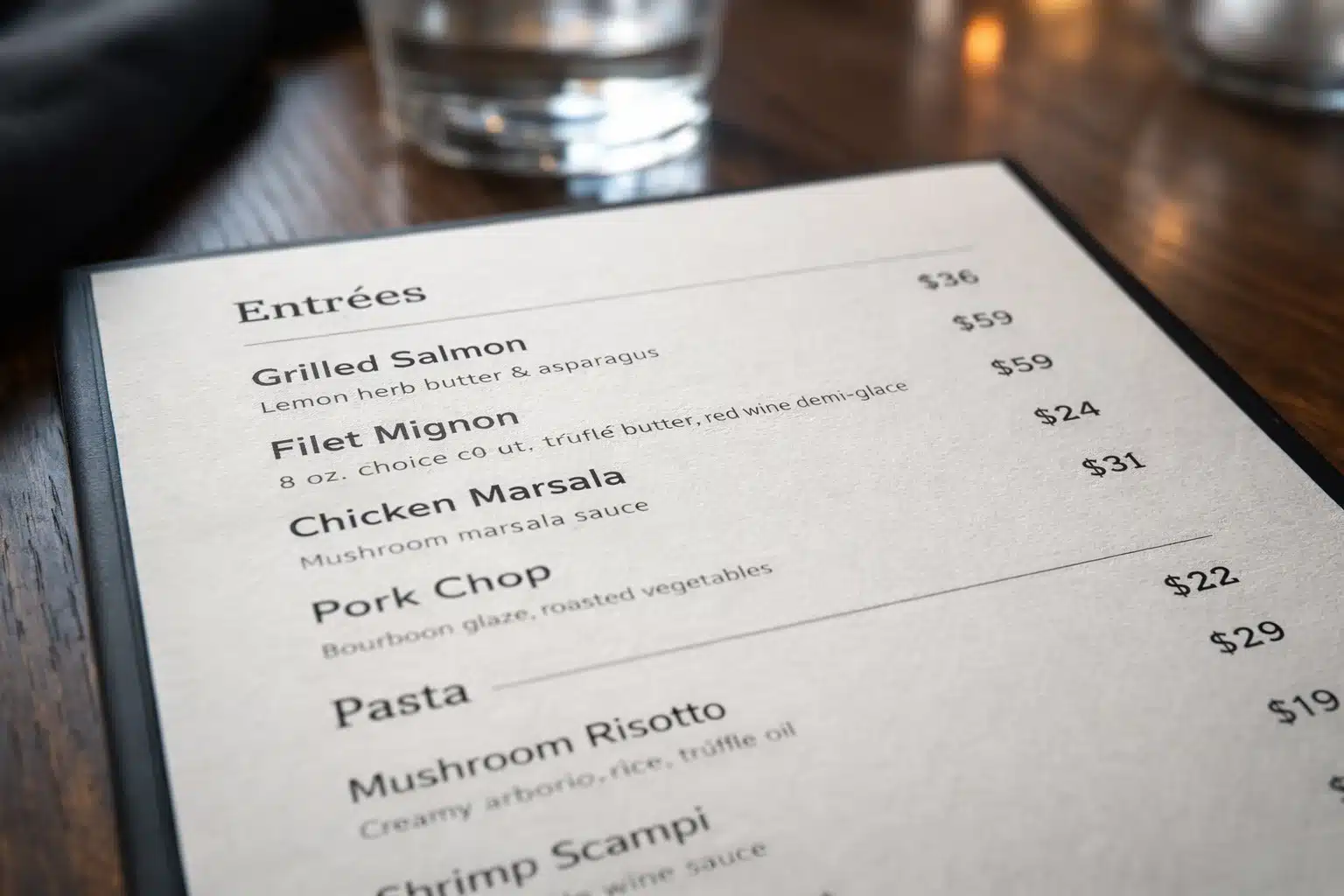
Menu performance analysis tools are designed to assess the popularity and profitability of menu items. By tracking sales data, customer preferences, and ingredient costs, restaurants can identify which dishes are driving revenue and which ones are underperforming. This analysis provides valuable insights that can guide menu revisions, price adjustments, and promotional strategies.
This analysis helps restaurants make data-driven decisions about menu design. If a particular dish isn’t selling well, the restaurant may consider revising the recipe, offering promotions, or removing it entirely. Conversely, high-performing dishes can be highlighted on the menu or promoted through marketing campaigns to increase their visibility and sales. By continually analyzing menu performance, restaurants can adapt to changing customer preferences and trends, keeping their offerings fresh and appealing to customers.
Predictive Forecasting Tools
Predictive forecasting tools are another key feature of restaurant data analytics systems. These tools use historical data to predict future trends, such as sales, customer traffic, and inventory needs. This allows restaurants to anticipate demand and make proactive decisions to ensure they have the right amount of staff, inventory, and ingredients at the right time. For example, predictive analytics can help restaurants forecast a higher number of customers on weekends or during holidays, allowing them to prepare accordingly.
Predictive forecasting also plays a crucial role in inventory management. By analyzing past sales data, these tools can predict the amount of each ingredient needed during a particular period, reducing the risk of food spoilage or shortages. This proactive approach allows restaurants to make better purchasing decisions and avoid costly mistakes. By leveraging predictive analytics, restaurant owners can ensure they are always prepared for fluctuations in demand, making their operations more efficient and cost-effective.
How Restaurant Data Analytics Tools Enhance Operational Efficiency
Operational efficiency is critical for any restaurant, as it directly impacts profitability. Restaurant data analytics tools help businesses streamline their operations, reduce costs, and improve service delivery. Let’s look at how these tools contribute to a smoother, more efficient operation.
Labor Cost Analytics
Labor costs are often one of the largest expenses for restaurants. Managing labor efficiently is essential to maintaining profitability. Labor cost analytics tools help restaurant managers track employee hours, labor utilization, and payroll expenses. By analyzing staffing levels in relation to sales data, these tools can identify overstaffing or understaffing during certain shifts, helping managers make data-driven staffing decisions that optimize labor costs without compromising service quality.
By integrating these tools with scheduling software, managers can ensure that they have the right number of staff during peak hours and avoid overstaffing during slower periods. This balance helps restaurants control labor costs while ensuring high levels of service during busy times. For example, during slow periods, restaurants can reduce staff numbers, while ensuring that they still have enough employees to meet customer demand during busy periods. This optimization of labor results in higher profitability and better service quality.
Table-Turn Optimization Tools
Table-turn optimization tools analyze seating arrangements and customer flow to maximize the number of guests served. These tools track average dining times, helping managers determine the optimal seating capacity and improve table turnover rates. By adjusting the seating layout or modifying service flow, restaurants can increase efficiency and accommodate more guests without compromising the dining experience.
For instance, these tools can suggest how to optimize seating arrangements during peak times, such as grouping tables together or using high-top seating to accommodate more customers. They also help managers identify patterns in customer dining behavior, such as average dining times for lunch or dinner, enabling them to make adjustments accordingly. This maximization of table turnover directly increases revenue by serving more customers within the same timeframe.
Real-Time Reporting and Decision Making
Real-time reporting is a key advantage of restaurant data analytics tools. These tools provide instant access to critical data, allowing restaurant owners and managers to make informed decisions quickly. Whether it’s adjusting inventory levels, optimizing staff schedules, or reviewing sales trends, real-time data empowers restaurants to react swiftly to changing conditions. This is especially useful during peak times when decisions need to be made quickly to maintain smooth operations.
This capability is particularly valuable during busy shifts when quick decisions can make the difference between a smooth service and a chaotic one. For example, if a restaurant is running low on a popular menu item during dinner rush, real-time reporting can alert the manager so they can adjust orders or temporarily remove the item from the menu. By having real-time access to data, restaurants can stay ahead of issues and continuously improve their operations.
The Role of Predictive Analytics in Restaurant Management
Predictive analytics is an essential component of modern restaurant management. By leveraging historical data and advanced algorithms, these tools forecast future trends with a high degree of accuracy. This enables restaurants to anticipate changes in customer behavior, demand, and operational needs.
Revenue Management Software
Revenue management software uses predictive analytics to optimize pricing strategies and maximize profits. By analyzing customer demand, competitor pricing, and external factors like holidays or weather conditions, these tools help restaurants set dynamic pricing that aligns with demand patterns. For instance, during periods of high demand, such as weekends or holidays, prices may be adjusted upward, while during slower periods, special promotions or discounts can be offered to attract more customers.
This dynamic pricing approach helps restaurants maximize their revenue potential, ensuring they are capturing as much revenue as possible during busy times while remaining competitive during slower periods. By forecasting demand and adjusting prices accordingly, restaurants can ensure they are making the most of every opportunity to generate revenue. This data-driven approach to pricing ensures that restaurants remain profitable, even in highly competitive markets.
Sales Trend Visualization
Sales trend visualization tools allow restaurants to identify patterns in sales data over time. By examining these trends, restaurants can make more informed decisions about staffing, inventory, and marketing strategies. For example, if sales consistently spike on certain days of the week, restaurants can prepare by scheduling additional staff or offering special promotions to capture this demand.
These visual tools make it easier for restaurant managers to understand complex data, allowing them to act quickly and strategically. By spotting sales trends early, restaurants can optimize their operations and stay ahead of the competition. For example, if a restaurant notices a trend of increased demand for a specific dish during certain months, it can adjust inventory and marketing strategies to capitalize on this trend.
Social Media Sentiment Analysis
Social media sentiment analysis tools analyze customer feedback and reviews across various platforms like Twitter, Instagram, and Yelp. By tracking customer sentiment, restaurants can gain valuable insights into their reputation and identify areas for improvement. These tools help restaurants understand public opinion, whether positive or negative, and take proactive steps to address concerns.
For example, if a restaurant receives negative feedback about its service or food quality, sentiment analysis tools can help pinpoint the root cause. This allows restaurants to address issues promptly, enhance customer satisfaction, and improve their overall service offering. Positive feedback, on the other hand, can be leveraged in marketing campaigns or shared on social media to build the restaurant’s reputation and attract more customers.
The Future of Restaurant Data Analytics
The future of restaurant data analytics is bright, with advancements in artificial intelligence, machine learning, and big data driving innovation. As technology continues to evolve, restaurants will have access to even more sophisticated tools that provide deeper insights into customer preferences, operational efficiency, and profitability.
AI-Driven Data Analysis
AI-driven data analysis will enable restaurants to automate many aspects of decision-making. For example, AI tools can analyze vast amounts of data to predict customer preferences and recommend menu changes, staff schedules, and inventory orders. This will reduce the need for manual analysis and allow restaurants to operate more efficiently. AI can also help detect patterns that human analysts may overlook, providing restaurants with a competitive edge in understanding consumer behavior.
Integration with Emerging Technologies
Emerging technologies like the Internet of Things (IoT) and cloud computing will continue to enhance the functionality of restaurant data analytics tools. IoT sensors can monitor everything from kitchen equipment performance to customer flow, providing real-time data that feeds directly into analytics platforms. Cloud computing will enable restaurants to access data from anywhere, allowing managers to make decisions on the go. This seamless integration of emerging technologies will improve operational efficiency and provide greater flexibility for restaurant management teams.
Personalized Customer Experiences
As restaurant data analytics tools evolve, restaurants will be able to create even more personalized customer experiences. By combining data from CRM systems, POS systems, and social media platforms, restaurants can offer tailored promotions, loyalty rewards, and personalized menus that appeal to individual preferences. This level of customization will help restaurants stand out in an increasingly competitive market, ensuring that customers feel valued and are more likely to return.

Biyo POS: A Leader in Restaurant Data Analytics
Biyo POS offers a comprehensive suite of restaurant data analytics tools designed to streamline operations and drive profitability. With advanced features like real-time reporting, sales trend visualization, and inventory analytics, Biyo POS empowers restaurant owners and managers to make data-driven decisions that lead to success. Its seamless integration with CRM systems and mobile apps ensures that you have all the tools you need at your fingertips, no matter where you are.
FAQs
What are restaurant data analytics tools?
Restaurant data analytics tools are software solutions designed to help restaurants collect, analyze, and visualize data to make informed decisions. These tools track key metrics like sales, customer behavior, inventory levels, and employee performance to optimize operations and drive profitability.
How do predictive analytics help restaurants?
Predictive analytics tools help restaurants forecast future trends, such as sales volume, customer demand, and inventory needs. By using historical data, these tools enable restaurants to plan ahead and make proactive decisions to optimize staffing, inventory, and pricing strategies.
Can restaurant data analytics improve customer experience?
Yes, restaurant data analytics tools can improve customer experience by helping restaurants understand customer preferences, personalize marketing efforts, and optimize menu offerings. By using insights from data, restaurants can deliver better service and create a more enjoyable dining experience for customers.