Creating a successful restaurant is no easy feat. It requires a unique blend of strategic planning, creativity, and operational excellence. For those looking to carve out a niche in the highly competitive food industry, understanding the key components of a successful restaurant is crucial. In this article, we will delve into the essential strategies and factors that contribute to restaurant success, from crafting an innovative menu to mastering customer service and managing finances effectively. Whether you’re just starting or seeking to improve your existing business, this guide will provide valuable insights to help your restaurant thrive.
Table of Contents
- Restaurant Success Strategies
- Innovative Menu Design
- Customer Satisfaction
- Effective Leadership
- Cost Control Strategies
- Strategic Marketing for Restaurants
- Achieving Operational Excellence
- How Biyo Helps Restaurants Operate Efficiently
- Frequently Asked Questions
Restaurant Success Strategies
The journey to building a successful restaurant starts with defining your success strategy. This plan should be comprehensive, addressing all key aspects of restaurant management, from the menu to marketing, finances, and customer service. Developing a roadmap for growth and regularly assessing your restaurant’s performance is essential for staying on track.
Define Your Brand and Target Market
To ensure your restaurant’s success, begin by defining your brand. A strong brand helps differentiate your business in a crowded marketplace and creates a loyal customer base. Consider your restaurant’s concept, target demographic, and unique selling points. Are you offering fine dining or casual comfort food? Is your target audience locals, tourists, or business professionals? Understanding your customers and catering to their needs is key to creating a successful restaurant.
Once you’ve determined your concept, focus on crafting a unique dining experience. This can include ambiance, design, service, and menu offerings. For instance, a family-friendly restaurant might emphasize affordability and a warm, inviting atmosphere, while a fine dining establishment might focus on sophistication, premium ingredients, and impeccable service.
Location is also an essential element of your brand and target market. Opt for a location that aligns with your target customer base and business goals. Whether you choose a bustling downtown area or a quiet neighborhood, your restaurant’s location will significantly impact its success.
Build a Strong Team
The strength of your team is fundamental to running a successful restaurant. From chefs to servers, every employee plays a pivotal role in creating a seamless and memorable dining experience for your guests. Hire individuals who share your vision and are passionate about providing excellent service.
Investing in training and development is another key to success. A well-trained staff can increase efficiency, reduce mistakes, and provide exceptional customer service. Ensure that your team is familiar with your restaurant’s values and understands the importance of maintaining high standards in all areas of service.
Effective leadership is crucial for motivating your team and creating a positive work culture. Lead by example, communicate effectively, and foster a collaborative environment. This will help reduce turnover and create a dedicated team that contributes to the overall success of the restaurant.
Monitor Financial Performance
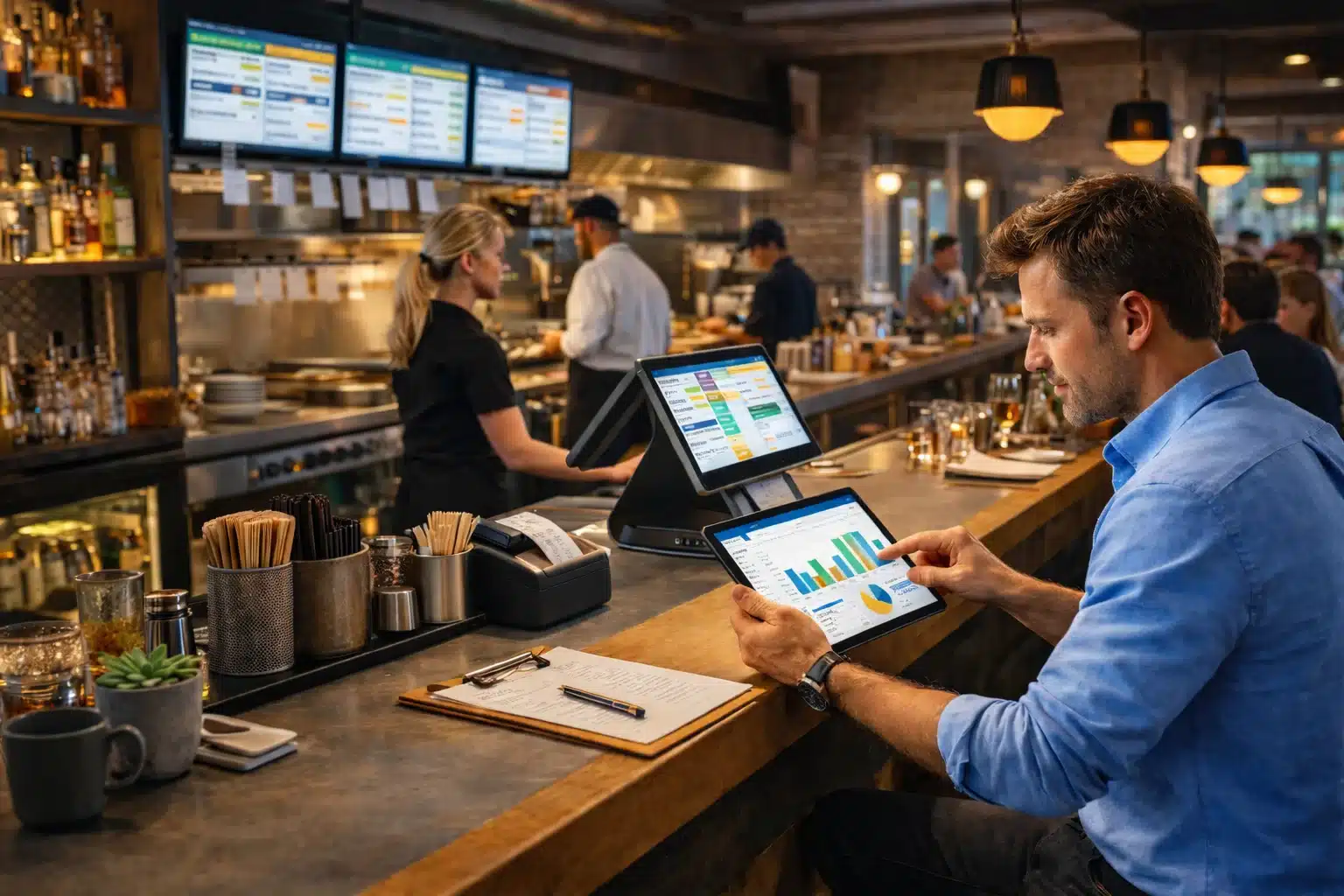
Keeping a close eye on your restaurant’s finances is essential to long-term success. Regularly monitor key performance indicators (KPIs) such as food costs, labor costs, and profit margins. Set financial goals and track your progress to ensure your restaurant remains profitable.
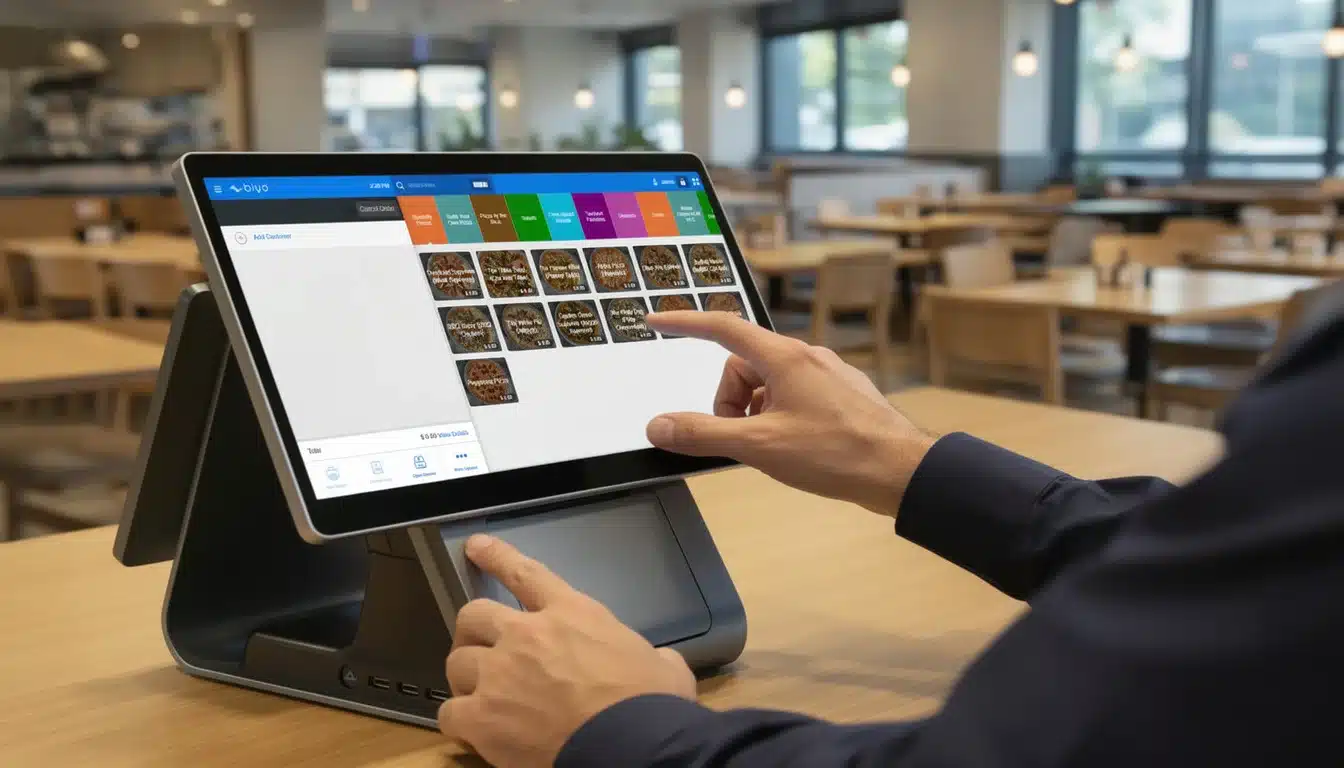
Utilize tools such as point-of-sale (POS) systems to streamline financial tracking and reporting. Modern POS systems, like Biyo POS, offer detailed financial insights that can help you manage your cash flow, track inventory, and optimize pricing strategies.
Additionally, budgeting is vital. Create a realistic budget that accounts for all expenses, from food and beverage costs to labor, utilities, and marketing. Make adjustments as necessary to maintain profitability while still delivering a quality dining experience.
Innovative Menu Design
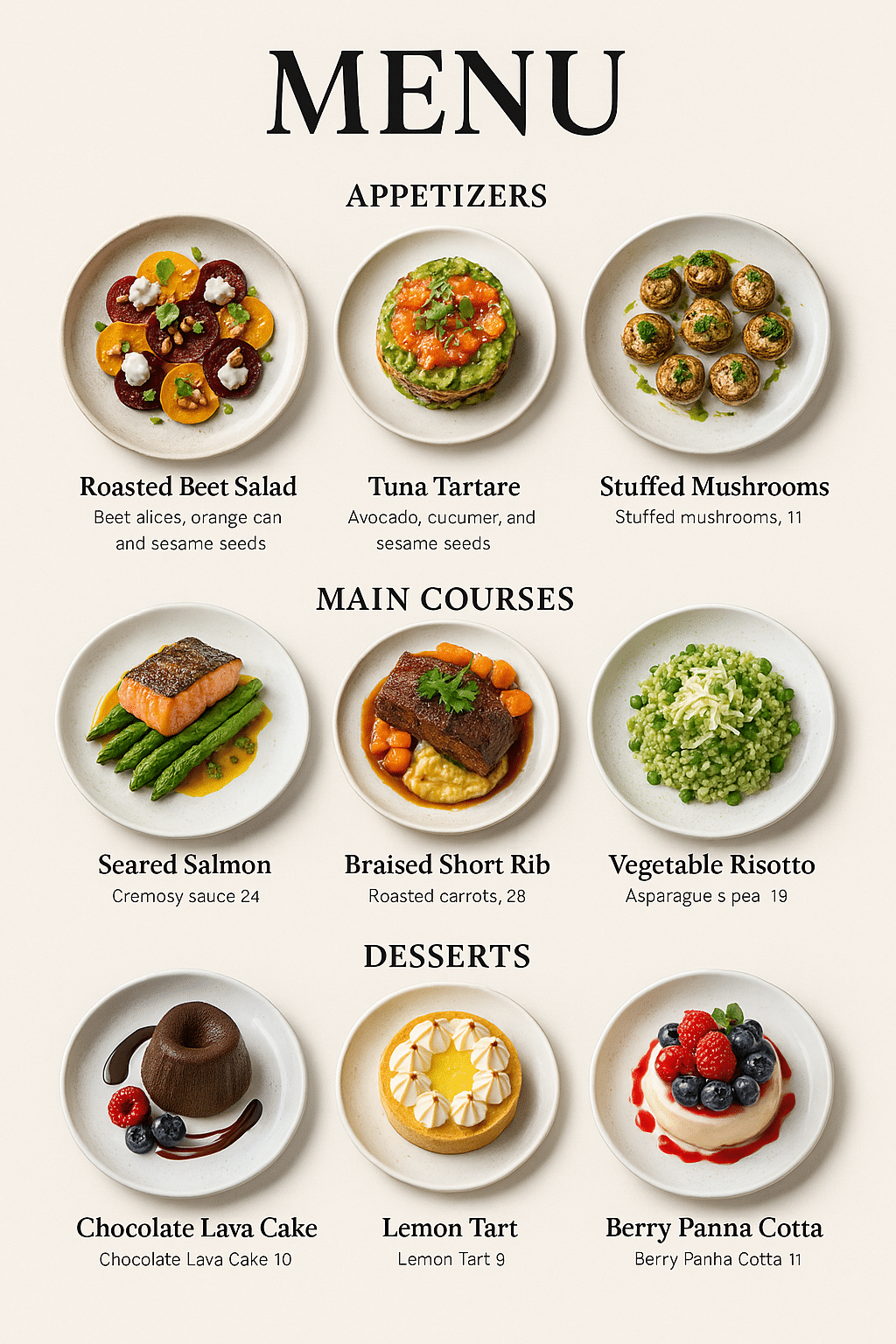
One of the core components of a successful restaurant is the menu. An innovative menu that caters to your target market while offering unique and high-quality dishes will set you apart from the competition. Menu design is not only about food variety but also about pricing, presentation, and how the menu aligns with the overall brand identity of your restaurant.
Balance Creativity with Customer Preferences
When designing your menu, it’s important to strike a balance between creativity and customer preferences. Innovation is key to standing out, but it must also appeal to the tastes of your target audience. Experiment with new dishes or unique ingredients, but ensure that they complement the dining experience you’re offering.
Customer feedback plays a crucial role in refining your menu. Regularly gather input from diners to understand which dishes resonate and which might need improvement. Adjusting your offerings based on customer preferences can help ensure that your menu remains both fresh and profitable.
Incorporating seasonal ingredients into your menu can also enhance its appeal. Seasonal menus not only offer variety but also promote the use of fresh, local ingredients, which can elevate the dining experience.
Consider Pricing and Profit Margins
Pricing is a critical aspect of menu design. Setting the right price point is essential to maintaining profitability while still offering value to customers. Conduct a thorough analysis of your food costs and market prices to determine competitive yet profitable pricing strategies.
Be mindful of your food costs when creating your menu. Items with high food costs should be balanced with lower-cost options to maintain profitability. Additionally, consider using pricing psychology by offering a variety of price points, with premium dishes complemented by more affordable options.
Menu engineering techniques, such as highlighting high-margin items or utilizing descriptive language, can further enhance the perceived value of certain dishes and drive higher sales.
Streamline Menu for Efficiency
A successful restaurant menu isn’t just about offering variety; it’s also about efficiency. A menu that’s too long can overwhelm customers and complicate kitchen operations. Streamline your offerings by focusing on a core set of dishes that are both popular and easy to prepare.
Efficient menu design also includes considering preparation time and kitchen workflow. Ensure that your kitchen can handle the volume and complexity of the dishes you offer, especially during peak times. A simplified menu can reduce waste, improve food quality, and increase profitability.
Customer Satisfaction
Customer satisfaction is the cornerstone of a successful restaurant. Happy customers are more likely to return and recommend your restaurant to others, driving repeat business and word-of-mouth referrals. Delivering an exceptional guest experience goes beyond serving delicious food; it encompasses service quality, ambiance, and attention to detail.
Provide Outstanding Service
Top-tier service is a major factor in building a loyal customer base. Train your staff to provide attentive, friendly, and efficient service that makes customers feel valued. Ensure they are knowledgeable about the menu and can offer personalized recommendations based on customer preferences.
In addition to attentive service, it’s important to respond quickly to customer complaints or issues. Handling concerns promptly and professionally can turn a negative experience into a positive one and show your commitment to customer satisfaction.
Maintain Cleanliness and Ambiance
Cleanliness plays a significant role in customer satisfaction. A clean and inviting environment enhances the dining experience and creates a sense of professionalism and attention to detail. Regularly inspect dining areas, kitchens, restrooms, and other facilities to ensure cleanliness standards are met.
The ambiance of your restaurant should reflect your brand and target market. Whether it’s a cozy, intimate setting or a vibrant, bustling atmosphere, the right ambiance helps set the mood for a memorable dining experience.
Leverage Customer Feedback
Listening to your customers is essential for continuous improvement. Encourage feedback through comment cards, online surveys, or social media. This not only shows that you value their opinions but also helps identify areas where you can improve.
Achieving Operational Excellence
Operational excellence is the backbone of a successful restaurant. Streamlining operations improves efficiency, reduces waste, and enhances the overall customer experience.

How Biyo Helps Restaurants Operate Efficiently
Biyo POS is designed to help restaurants improve efficiency and gain deeper insights into their operations. The platform includes powerful features such as order management, inventory tracking, sales reporting, and real-time analytics.
By using Biyo POS, restaurant owners can streamline workflows, monitor financial performance, reduce operational errors, and deliver faster service to guests. These capabilities help restaurants maintain operational excellence while improving profitability and customer satisfaction.
Frequently Asked Questions
What are the key factors for running a successful restaurant?
The key factors include strong leadership, efficient operations, an innovative menu, excellent customer service, effective marketing strategies, and careful financial management.
How important is customer satisfaction for restaurant success?
Customer satisfaction is essential because happy customers are more likely to return and recommend the restaurant to others.
How can restaurants control operational costs?
Restaurants can control costs by optimizing inventory management, managing labor schedules efficiently, and using POS systems to track expenses and performance.
What role does leadership play in restaurant success?
Effective leadership helps motivate staff, maintain service quality, and ensure smooth daily operations.
How does Biyo POS help restaurant owners?
Biyo POS provides tools for order management, inventory tracking, financial reporting, and operational analytics, helping restaurants operate more efficiently.