Instagram has become one of the most powerful marketing platforms for restaurants. With its visual-first design and massive user base, Instagram allows restaurants to showcase their dishes, atmosphere, and brand personality in ways that traditional marketing cannot match.
Effective Instagram marketing for restaurants goes far beyond posting photos of meals. It involves building a recognizable brand identity, engaging with customers, and encouraging diners to share their experiences online. When used strategically, Instagram can help restaurants attract new customers, strengthen relationships with existing guests, and increase overall visibility.
This guide explains how restaurants can build a successful Instagram marketing strategy, create engaging content, collaborate with influencers, and measure performance to continuously improve results.
Table of Contents
- Why Instagram Marketing Matters for Restaurants
- Developing a Winning Social Media Strategy
- The Power of Visual Marketing
- Collaborating with Influencers
- Leveraging Instagram Advertising
- Enhancing Customer Engagement
- Optimizing Your Hashtag Strategy
- Measuring Success and Adjusting Your Strategy
- Frequently Asked Questions
Why Instagram Marketing Matters for Restaurants
Instagram marketing plays a major role in modern restaurant promotion. With more than one billion active users worldwide, the platform provides restaurants with a powerful opportunity to reach potential customers and build brand recognition.
Restaurants benefit especially from Instagram because food and dining experiences are naturally visual. High-quality photos and videos can highlight signature dishes, showcase the restaurant environment, and give customers a preview of the dining experience.
Beyond attracting new guests, Instagram also helps restaurants maintain relationships with existing customers. Regular updates, stories, and engagement create a sense of community that encourages repeat visits and long-term loyalty.

Developing a Winning Social Media Strategy
A clear social media strategy is essential for successful Instagram marketing. Without a plan, content becomes inconsistent and results are difficult to measure.
The first step is defining your target audience. Restaurants should identify the demographics, interests, and dining preferences of their ideal customers. Understanding the audience helps determine what type of content will resonate most effectively.
Next, create a content calendar that outlines posting frequency and content themes. Consistent posting keeps your restaurant visible in followers’ feeds while maintaining engagement. While many restaurants post daily, quality content is far more important than quantity.
Content should include a balanced mix of food photography, behind-the-scenes moments, customer experiences, and special promotions. This variety keeps the feed interesting and reinforces the restaurant’s brand identity.
The Power of Visual Marketing
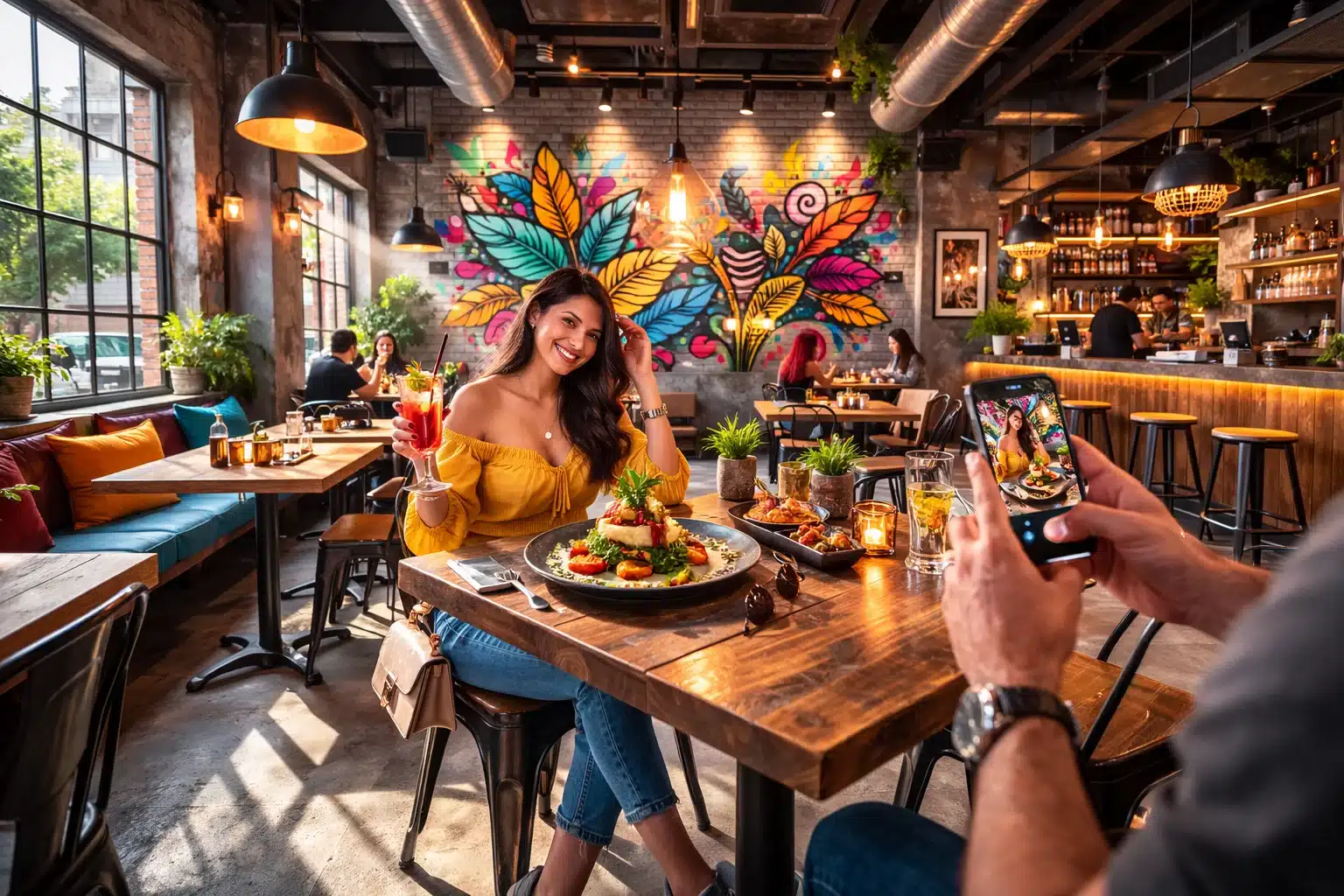
Instagram is fundamentally a visual platform, making high-quality imagery essential. Restaurants should prioritize clear lighting, appealing composition, and consistent branding across their posts.
Professional photography can elevate the visual appeal of menu items, but modern smartphones are also capable of producing excellent results when used with proper lighting and staging.
Restaurants should also use visuals to tell their brand story. For example, farm-to-table restaurants can highlight fresh ingredients and local suppliers, while casual dining spots may focus on atmosphere and community interaction.
Instagram Stories and Reels provide additional opportunities for visual storytelling. Stories are ideal for daily updates such as specials or limited-time offers, while Reels allow restaurants to share short videos that demonstrate recipes, cooking techniques, or customer experiences.
Collaborating with Influencers
Influencer marketing can significantly increase a restaurant’s visibility. Local food bloggers and social media influencers often have loyal audiences who trust their recommendations.
By partnering with influencers whose followers match the restaurant’s target audience, businesses can expand their reach and attract new diners.
Successful influencer partnerships should feel authentic. Restaurants may invite influencers for tasting events, provide complimentary meals, or collaborate on promotional campaigns that showcase menu items.
Because influencer recommendations function similarly to word-of-mouth marketing, they can strongly influence customer decisions and increase restaurant awareness.
Leveraging Instagram Advertising
Organic reach on Instagram is valuable, but advertising can significantly accelerate growth. Instagram ads allow restaurants to target specific audiences based on location, interests, and behavior.
Restaurants can promote popular posts, advertise limited-time offers, highlight new menu items, or promote upcoming events. Well-designed ads combine strong visuals with concise messaging to capture attention quickly.
When used strategically, paid advertising can complement organic content and help restaurants reach potential customers who may not yet follow their account.
Enhancing Customer Engagement
Engagement is one of the most important elements of Instagram marketing. Restaurants should actively interact with their followers by responding to comments, liking customer posts, and sharing user-generated content.
Encouraging customers to tag the restaurant in their posts or use a branded hashtag can significantly increase visibility. User-generated content also serves as social proof that enhances the restaurant’s credibility.
Behind-the-scenes content is another effective engagement strategy. Showing food preparation, introducing staff members, or previewing new menu items helps humanize the brand and strengthens connections with customers.
Restaurants can also increase engagement through contests, giveaways, or polls in Instagram Stories.
Optimizing Your Hashtag Strategy
Hashtags help Instagram categorize content and increase discoverability. Restaurants should use a combination of popular and niche hashtags to reach both broad and targeted audiences.
General hashtags such as #foodie or #restaurant can increase exposure, while location-based hashtags like #NYCfood or #ChicagoEats help attract local customers.
Creating a unique branded hashtag encourages customers to share their experiences and makes it easier for restaurants to track user-generated content.

Measuring Success and Adjusting Your Strategy
Measuring performance is essential for improving any marketing strategy. Instagram provides built-in analytics tools that allow restaurants to track engagement, follower growth, reach, and post performance.
Analyzing these metrics helps identify which content resonates most with the audience. Restaurants can then focus on producing more of the content that drives engagement and visibility.
For example, if behind-the-scenes kitchen videos generate higher engagement than static food photos, restaurants may shift their strategy toward more video content.
Continuous testing and adjustment allow restaurants to refine their Instagram marketing strategy over time.
Frequently Asked Questions
What is the best time to post on Instagram for restaurants?
Late mornings and early evenings often perform well because users are thinking about meals. However, restaurants should analyze their own audience insights to determine optimal posting times.
How can restaurants increase their Instagram followers?
Consistent posting, engaging with followers, using relevant hashtags, and collaborating with influencers are effective ways to grow a restaurant’s Instagram audience.
Is Instagram advertising effective for restaurants?
Yes. Instagram advertising allows restaurants to target local audiences and promote events, menu items, or special offers to potential customers.
What type of content performs best for restaurant Instagram accounts?
High-quality food photography, behind-the-scenes content, customer experiences, and short video clips typically generate strong engagement.
How Biyo Helps Restaurants Manage Marketing Insights
Successful marketing strategies rely on accurate business data. Biyo provides an integrated POS system that connects restaurant operations, sales data, and performance insights into one platform.
With centralized reporting and analytics tools, restaurant owners can track sales trends, monitor customer behavior, and evaluate how promotions or marketing campaigns affect revenue.
These insights help restaurants make smarter marketing decisions while improving operational efficiency.
If you want to see how these tools work in practice, you can schedule a quick demo with the Biyo team. Restaurants ready to get started can also create a Biyo account here and explore the platform’s features.