
Window treatments and upholstery do more than enhance a room’s appearance—they shape how a space functions, feels, and performs. Curtains soften natural light, blinds improve privacy, shades increase energy efficiency, and custom upholstery extends the life of furniture while complementing an interior’s overall design. Whether furnishing a new home, renovating a commercial property, or refreshing an existing space, customers often rely on specialized retailers for products that combine aesthetics with practical performance.
Businesses specializing in these products are commonly classified under Merchant Category Code (MCC) 5714. Payment processors, acquiring banks, and major card networks use this Merchant Category Code to identify merchants whose primary business involves selling draperies, window coverings, upholstery materials, and related interior textile products. Although customers rarely notice this classification, it plays an important role in payment processing, merchant reporting, transaction categorization, fraud monitoring, and certain credit card rewards programs.
This guide explains what MCC 5714 covers, the businesses that typically qualify, the products commonly sold, why proper merchant classification matters, and how modern retail technology helps specialty home furnishing retailers manage inventory, coordinate custom orders, and deliver exceptional customer experiences.
Table of Contents
Understanding MCC 5714
What Is Merchant Category Code 5714?
MCC 5714 is the Merchant Category Code assigned to businesses that primarily sell draperies, window coverings, upholstery materials, and related interior furnishing products. Unlike general home furnishing stores, these retailers specialize in products that improve privacy, light control, insulation, comfort, and interior design through customized textile and window treatment solutions.
Many businesses in this category offer personalized consultations, in-home measurements, product customization, and installation services, making them an important resource for homeowners, interior designers, architects, and commercial property managers seeking tailored interior solutions.
How Payment Networks Use MCC 5714
Whenever a customer completes a card transaction, the payment includes a Merchant Category Code that identifies the merchant’s primary business activity. Payment processors, banks, and card networks use MCC 5714 to classify window covering and upholstery retailers for transaction processing, merchant reporting, fraud prevention, payment analytics, and certain cardholder rewards programs.
This standardized classification helps financial institutions maintain consistent merchant records while supporting efficient electronic payment processing across the retail industry.
Why Correct Merchant Classification Matters
Accurate Merchant Category Codes ensure businesses are properly categorized within payment systems. Retailers whose primary business involves draperies, blinds, shades, shutters, upholstery fabrics, or custom window treatments generally qualify under MCC 5714, while businesses primarily selling furniture, flooring, or general home décor typically fall under different Merchant Category Codes.
 Businesses Classified Under MCC 5714
 Businesses Classified Under MCC 5714
Window Treatment Retailers
Many businesses classified under MCC 5714 specialize in window treatments such as curtains, draperies, blinds, roller shades, Roman shades, vertical blinds, cellular shades, and plantation shutters. These retailers often provide consultation services to help customers select products that complement both the architectural style and functional requirements of a space.
Custom Upholstery Shops
Businesses offering upholstery fabrics and furniture reupholstery services also commonly fall within MCC 5714. These retailers help customers restore sofas, dining chairs, headboards, ottomans, and other upholstered furniture by replacing worn fabrics, foam, springs, or cushioning while preserving the original frame and craftsmanship.
Interior Textile Specialists
Some retailers focus on decorative fabrics and interior textile products used in residential and commercial design projects. Their inventory may include designer fabrics, curtain hardware, decorative trims, valances, cushions, upholstery supplies, and custom textile solutions tailored to individual client preferences.
Products Commonly Sold
Window Coverings
Retailers operating under MCC 5714 typically sell curtains, draperies, blinds, roller shades, Roman shades, woven wood shades, plantation shutters, blackout curtains, motorized window treatments, and other products designed to improve privacy, light control, and energy efficiency.
Upholstery Materials
Many businesses offer upholstery fabrics, leather, vinyl, foam cushions, batting, springs, decorative trim, buttons, zippers, webbing, and sewing materials used for furniture restoration and custom upholstery projects. These materials are available in numerous colors, textures, patterns, and performance grades to suit different design preferences and functional needs.
Installation Accessories and Decorative Hardware
In addition to fabrics and window coverings, retailers often stock curtain rods, brackets, finials, tracks, tiebacks, mounting hardware, motorization components, and other accessories required for professional installation and long-term performance.
Why MCC 5714 Matters
Supports Accurate Payment Processing
Merchant Category Codes allow payment processors to consistently identify merchants based on their primary business activity. Using MCC 5714 helps ensure drapery, window covering, and upholstery retailers are accurately classified for transaction processing and merchant reporting.
Improves Business Reporting
Proper merchant classification contributes to organized accounting, payment analytics, transaction categorization, and financial reporting. Consistent Merchant Category Codes improve the quality of business data used by both retailers and financial institutions.
May Influence Credit Card Rewards
Some credit card issuers use Merchant Category Codes when determining cashback categories or promotional rewards. Depending on the issuer’s program, purchases made at businesses classified under MCC 5714 may qualify differently than purchases made at general home improvement or furniture retailers.
MCC 5714 Comparison Table
| Category | MCC 5714 Drapery, Window Covering, and Upholstery Stores |
|---|---|
| Primary Business | Retail sale of window treatments, upholstery materials, and interior textiles |
| Typical Customers | Homeowners, interior designers, decorators, contractors, and commercial property managers |
| Common Products | Draperies, blinds, shades, shutters, upholstery fabrics, curtain hardware, and installation accessories |
| Sales Channels | Specialty showrooms, design studios, retail stores, and online retailers |
| Inventory Characteristics | Fabric collections, custom-order products, sample books, and installation components |
| Peak Seasons | Home renovations, new construction, remodeling projects, and seasonal interior updates |
| Operational Priorities | Custom measurements, order accuracy, supplier coordination, and installation scheduling |
Industry Operations
Managing Custom Orders from Consultation to Installation
Unlike many retail purchases, window coverings and upholstery products are often made to order. The sales process usually begins with a consultation where customers discuss their design preferences, functional requirements, room dimensions, and budget. Retailers then recommend suitable fabrics, materials, operating systems, and finishes before preparing quotations and coordinating production. Because many products are custom manufactured, precision at every stage is essential to avoid costly delays or remakes.
Once an order is confirmed, retailers frequently coordinate measurements, fabrication, delivery, and installation to ensure every product fits correctly and performs as expected.
Helping Customers Visualize Interior Designs
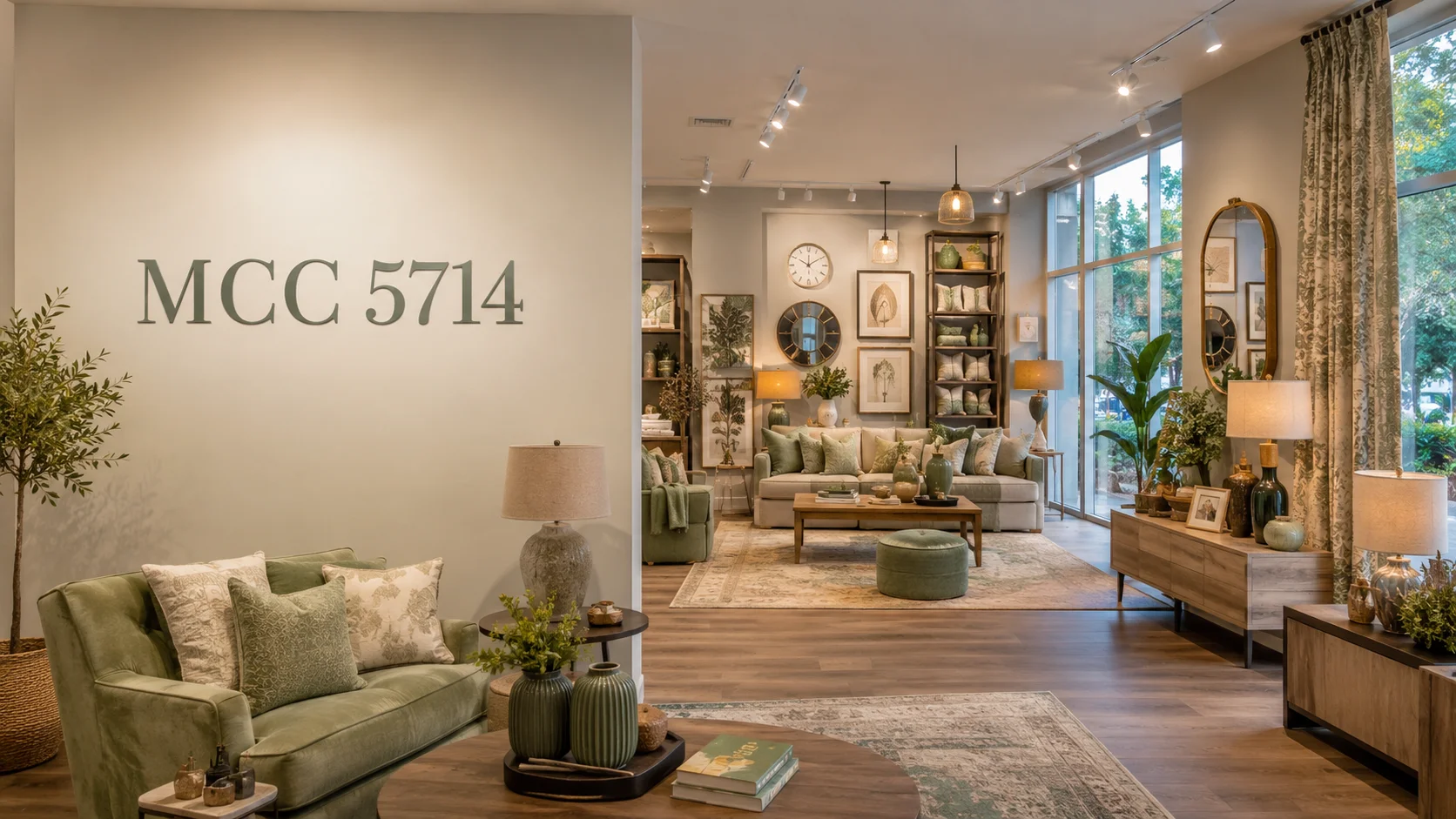
Choosing window treatments or upholstery materials involves more than selecting a color or pattern. Customers often compare fabric textures, light-filtering capabilities, durability ratings, insulation performance, and decorative styles before making a decision. To simplify this process, retailers maintain showrooms featuring full-size displays, fabric sample books, operating demonstrations, and complete room settings that help customers visualize the finished result.
Experienced consultants also work closely with homeowners, interior designers, architects, and decorators to recommend products that complement flooring, furniture, paint colors, and overall interior design themes.
Working with Designers, Builders, and Contractors
Many businesses operating under MCC 5714 generate a significant portion of their revenue through professional partnerships rather than walk-in retail traffic alone. Interior designers, custom home builders, remodeling contractors, hospitality businesses, and commercial property managers regularly rely on specialty retailers for coordinated window treatment and upholstery solutions. Managing these relationships requires accurate project scheduling, dependable supplier communication, and timely order fulfillment across multiple job sites.
Inventory and Operational Challenges
Managing Thousands of Fabric Options
Unlike standard retail inventory, upholstery and window treatment businesses often maintain extensive fabric libraries instead of stocking finished products. Each fabric may be available in numerous colors, patterns, widths, performance grades, and manufacturer collections. Organizing these samples while tracking discontinued materials and supplier updates requires disciplined inventory management and accurate product records.
Reducing Measurement Errors
Custom window coverings are manufactured according to precise measurements. Even small inaccuracies can result in products that fail to fit properly, leading to expensive replacements, installation delays, and dissatisfied customers. Successful retailers implement careful measurement procedures, verification processes, and quality checks before submitting custom orders for production.
Managing Supplier Lead Times
Many specialty fabrics, custom blinds, shutters, and upholstery materials are manufactured only after an order is placed. Production schedules, international shipping, and material availability can all influence delivery timelines. Retailers must communicate realistic expectations, monitor supplier progress, and coordinate installations carefully to keep renovation and construction projects on schedule.
Industry Trends
Motorized Window Treatments Are Becoming Mainstream
Smart home technology continues to reshape the window covering industry. Motorized blinds, automated shades, and programmable curtain systems are becoming increasingly popular in both residential and commercial spaces, offering greater convenience, improved energy efficiency, and seamless integration with home automation platforms.
Sustainable Fabrics Are Driving Customer Interest
Consumers are increasingly choosing upholstery fabrics and window treatments made from recycled materials, responsibly sourced natural fibers, and low-impact manufacturing processes. Durability, easy maintenance, and environmental responsibility have become important purchasing considerations alongside appearance and price.
Digital Design Tools Improve the Buying Experience
Many specialty retailers now use digital visualization software that allows customers to preview fabrics, blinds, and curtains within photographs of their own rooms. Combined with cloud-based POS systems, inventory management, and customer order tracking, these technologies improve project planning, reduce purchasing uncertainty, and create a more personalized shopping experience.
How Biyo Helps Drapery, Window Covering, and Upholstery Stores
 How Biyo Helps Drapery, Window Covering, and Upholstery Stores
Managing custom orders, supplier lead times, and diverse product collections requires accurate inventory and reliable sales management. Biyo POS helps specialty retailers streamline daily operations with real-time inventory tracking, barcode scanning, and centralized reporting, making it easier to manage products and monitor business performance.
Whether operating a single showroom or multiple locations, Biyo keeps inventory synchronized while providing valuable insights into sales trends and inventory movement. You can sign up for Biyo POS or schedule a personalized demo to learn how it can support your home furnishing business.
Frequently Asked Questions
What is MCC 5714?
MCC 5714 is the Merchant Category Code assigned to businesses that primarily sell draperies, window coverings, upholstery materials, and related interior textile products.
Which businesses qualify for MCC 5714?
Window treatment retailers, blind and shade stores, upholstery shops, drapery specialists, and businesses focused on interior textile products generally qualify under MCC 5714.
What products are commonly sold under MCC 5714?
Common products include curtains, draperies, blinds, shades, shutters, upholstery fabrics, decorative hardware, foam, leather, trim, and installation accessories.
Does MCC 5714 affect credit card rewards?
It may. Some credit card issuers use Merchant Category Codes to determine cashback categories or promotional rewards. Eligibility depends on the issuer’s rewards program.
Why is Merchant Category Code 5714 important?
MCC 5714 helps payment processors and financial institutions accurately classify merchants for payment processing, transaction reporting, fraud monitoring, and merchant analytics.
How can window covering and upholstery stores improve inventory management?
Using a cloud-based POS system with real-time inventory tracking, barcode scanning, sales reporting, and centralized inventory management helps retailers manage custom orders, monitor stock, and improve operational efficiency.