In the fast-paced world of quick service restaurants, menu engineering strategies for fast food have become a vital tool for increasing profitability, streamlining operations, and improving customer satisfaction. By analyzing item profitability, sales mix, and customer preferences, restaurant owners can design menus that drive both sales and efficiency. Successful fast food chains understand that a well-optimized menu is not just a list of items—it’s a strategic roadmap to higher margins and happier customers.
Table of Contents
- Menu Analysis: Understanding What Drives Profitability
- Strategic Pricing and Profit Maximization
- Optimizing Menu Layout and Design for Fast Decision Making
- Combo Meals and Upselling Techniques That Work
- Data-Driven Menu Performance Tracking and Continuous Improvement
- How Biyo POS Helps Fast Food Restaurants Master Menu Engineering
- FAQ
Menu Analysis: Understanding What Drives Profitability
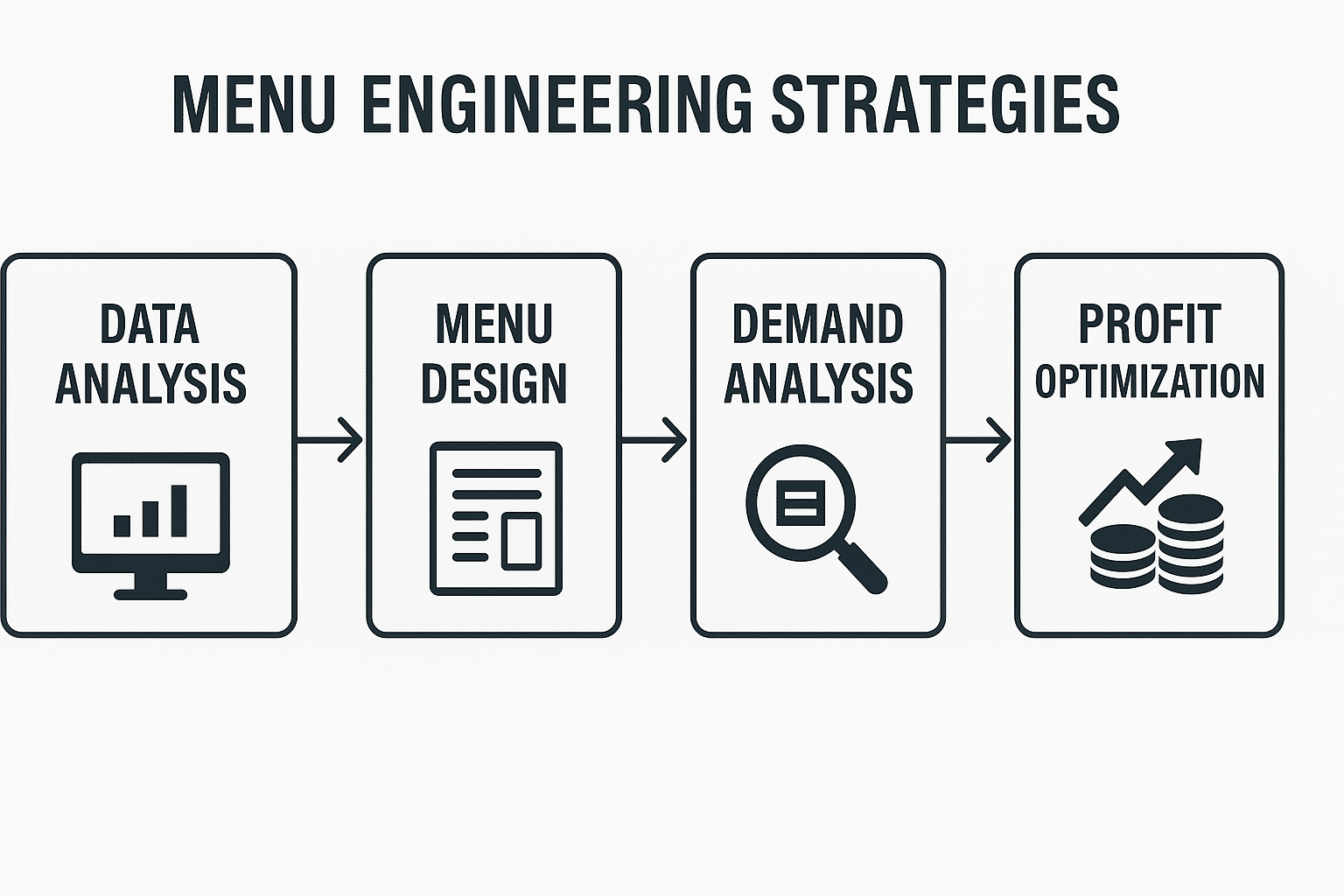
Effective menu engineering strategies for fast food start with understanding which items contribute most to your bottom line. Menu analysis helps restaurant owners distinguish between high-margin and low-margin items while evaluating how often each item sells. This process uses data to balance popularity and profitability for maximum performance.
Sales Mix Analysis and Profit Contribution
The foundation of menu engineering lies in a clear sales mix analysis. This involves tracking how many times each menu item is sold over a given period and comparing that against its profitability. Items that sell frequently but yield low profits can still play a strategic role if they drive traffic or complement higher-margin items. On the other hand, premium items with high profit margins should be highlighted to capture attention and increase average ticket size.
Restaurants often categorize items into four types: Stars (popular and profitable), Plowhorses (popular but low profit), Puzzles (profitable but less popular), and Dogs (low profit and low popularity). Understanding this classification enables fast food managers to make informed decisions about promotions, layout, and pricing.
For example, a burger that sells 1,000 units a month at a high contribution margin might be your “Star,” while a side dish that rarely sells could be a “Dog.” Tracking these patterns regularly is key to maintaining profitability and adjusting menu offerings based on evolving consumer behavior.
Evaluating Contribution Margin and Item Profitability
The contribution margin is the difference between an item’s selling price and its variable cost. By focusing on contribution margin rather than just sales volume, you can determine which items truly drive profit. For instance, an item with a $2 profit margin that sells 500 units contributes more to your bottom line than an item with a $5 margin that sells only 50 units.
Smart menu engineering strategies for fast food always prioritize high-contribution items without alienating the customer base. You can do this by repositioning them in more visible parts of the menu, using enticing descriptions, or pairing them in combo meals. This data-driven approach helps ensure that pricing and promotion align with financial goals.
Analyzing contribution margins also allows you to identify cost inefficiencies. If ingredient prices fluctuate, the data reveals whether certain items need price adjustments or recipe modifications to stay profitable.
Identifying Customer Preferences Through Data
Customer preferences play a major role in shaping menu performance. By analyzing order history, demographics, and seasonal patterns, fast food operators can predict which items will perform best in different scenarios. For example, cold beverages may spike in summer, while hearty meals perform better in winter.
With the right technology, such as a POS system that supports advanced analytics, restaurants can see what customers truly crave. They can then adjust inventory, pricing, and promotions accordingly. This combination of data and psychology is at the heart of effective menu engineering strategies for fast food.
Understanding preferences also helps in forecasting demand accurately, minimizing waste, and improving portion management. When customers consistently find their favorites, satisfaction and loyalty rise—creating a win-win situation for both guests and owners.
Strategic Pricing and Profit Maximization
Pricing can make or break a fast food menu. It must strike the perfect balance between perceived value and actual profitability. When done correctly, pricing helps you capture more value from every sale without discouraging customers.
Psychological Pricing in Fast Food
Menu psychology is a subtle yet powerful factor in menu engineering strategies for fast food. Using techniques like charm pricing (e.g., $4.99 instead of $5.00) or strategic placement of premium items can influence customer decisions. Customers often perceive prices ending in .99 as cheaper, even if the difference is just one cent.
Restaurants also use price anchors by placing high-priced items near standard ones, making the latter appear more affordable. These methods guide choices without customers realizing they’re being influenced, enhancing average spend without increasing menu fatigue.
Fast food chains can further use price bundling to present value deals while maintaining profit margins. By grouping popular and high-margin items together, perceived value increases while cost remains controlled.
Dynamic Pricing and Seasonal Adjustments
Dynamic pricing allows restaurants to adjust prices based on demand, cost fluctuations, or special events. For instance, a fast food chain might introduce premium pricing for limited-time offers during peak seasons. Meanwhile, discounts on slower days can help maintain steady traffic.
Modern POS systems like Biyo POS make implementing such pricing strategies simple. They allow owners to track real-time performance, adjust prices instantly, and measure outcomes across multiple locations. This flexibility ensures consistent profitability even when market conditions change.
When integrated with sales data, dynamic pricing becomes a key part of cost control and customer engagement, ensuring both short-term gains and long-term loyalty.
Portion Management and Cost Control
Portion management directly impacts both profitability and customer satisfaction. Over-serving increases food cost, while under-serving risks disappointing customers. Finding the perfect balance ensures consistent quality and stable contribution margins.
To optimize portions, restaurants often use digital kitchen scales, pre-measured packaging, or smart kitchen systems connected to their POS. When properly implemented, this strategy minimizes waste and enhances predictability in food costs.
Accurate portioning also improves cost forecasting, enabling operators to plan promotions or combo meals without unexpected losses. Combined with menu engineering strategies for fast food, portion management becomes a core driver of efficiency and success.
Optimizing Menu Layout and Design for Fast Decision Making
The way a menu is structured and presented dramatically affects buying behavior. Effective layout design helps guide customer attention toward profitable and popular items within seconds.
Menu Layout Design Principles
Fast food menus must be visually clear and easy to navigate. Eye-tracking studies show that customers tend to look at specific “sweet spots,” usually the upper-right or center areas of a menu. Placing profitable items in these areas increases the likelihood of selection.
Typography, colors, and visuals all play a role in customer decision-making. High-contrast colors, clean fonts, and appetizing photos create a sense of quality and urgency. Every visual element should lead the eye naturally to high-margin items.
To make these adjustments, restaurants can use data analytics tools integrated with their POS to see which design variations perform best. This continuous improvement approach is essential for modern menu engineering strategies for fast food.
Item Categorization and Product Placement
Grouping items by category—like burgers, sides, desserts, and beverages—simplifies the ordering process. Within each category, highlight high-margin items by using icons, frames, or limited-time tags. This not only improves readability but also encourages impulse decisions.
For example, adding “Chef’s Pick” or “Most Popular” beside profitable items subtly validates customer choices. These psychological triggers often increase conversion without changing pricing. Positioning combo deals near premium items also drives upselling naturally.
When supported by analytics, effective categorization can transform your menu from a simple list into a persuasive selling tool that aligns with customer behavior.
Using Visual Appeal and Promotions
Visual elements such as icons, colors, and food photography play a powerful role in fast food marketing. High-quality images make dishes appear fresher, more flavorful, and worth their price. It’s not just about presentation—it’s about storytelling that matches brand identity.
Incorporating limited-time offers (LTOs) or seasonal visuals keeps the menu exciting. Customers are drawn to novelty, and featuring “new” or “exclusive” items triggers curiosity and urgency. This tactic is a proven winner in menu engineering strategies for fast food.
Pairing promotional visuals with data-backed placement ensures that creativity serves a purpose. The result is a visually compelling menu that drives both emotional and rational buying decisions.
Combo Meals and Upselling Techniques That Work
Fast food thrives on convenience and perceived value. Combo meals and upselling techniques are key tools to increase average order value while delivering satisfaction.
Designing Profitable Combo Meals
Combo meal design is a strategic art. Combining high-margin items with popular low-margin staples balances both profitability and value perception. For example, pairing fries and a drink with a burger helps move sides that have excellent profit margins.
Successful combos are simple, visually appealing, and positioned as cost-saving bundles. This encourages customers to choose larger meals while feeling they’re getting a deal. The key is ensuring combo pricing still maintains your contribution margin goals.
These combos also simplify the ordering process and speed up decision-making—both essential advantages in fast food operations.
Upselling and Cross-Selling Techniques
Upselling focuses on encouraging customers to purchase a more expensive version of an item, while cross-selling suggests complementary products. Both techniques work best when integrated seamlessly into your menu and employee scripts.
For instance, promoting a “double cheeseburger upgrade” or suggesting a “combo add-on” is a subtle way to increase revenue. Digital displays or AI voice-ordering systems like Biyo POS AI can automatically recommend upgrades based on purchase behavior.
Training staff to use suggestive language such as “Would you like to make it a combo?” can also improve conversion. When backed by analytics, these methods become a consistent source of profit growth.
Leveraging Limited-Time Offers and Promotions
Limited-time offers (LTOs) create urgency and excitement. Whether it’s a seasonal flavor, a new combo, or a special discount, these promotions spark curiosity and repeat visits. Customers feel compelled to act before the offer disappears.
Fast food brands can use their POS data to identify slow-selling items and reintroduce them as LTOs under new branding. This not only reduces waste but also increases menu variety without increasing inventory costs.
When integrated with targeted marketing, LTOs become a core tactic in menu engineering strategies for fast food, enhancing engagement while maintaining operational efficiency.
Data-Driven Menu Performance Tracking and Continuous Improvement
The most successful fast food brands rely on ongoing menu performance tracking to make data-driven decisions. Continuous analysis ensures that strategies stay relevant as customer behavior evolves.
Menu Performance Tracking Through POS Analytics
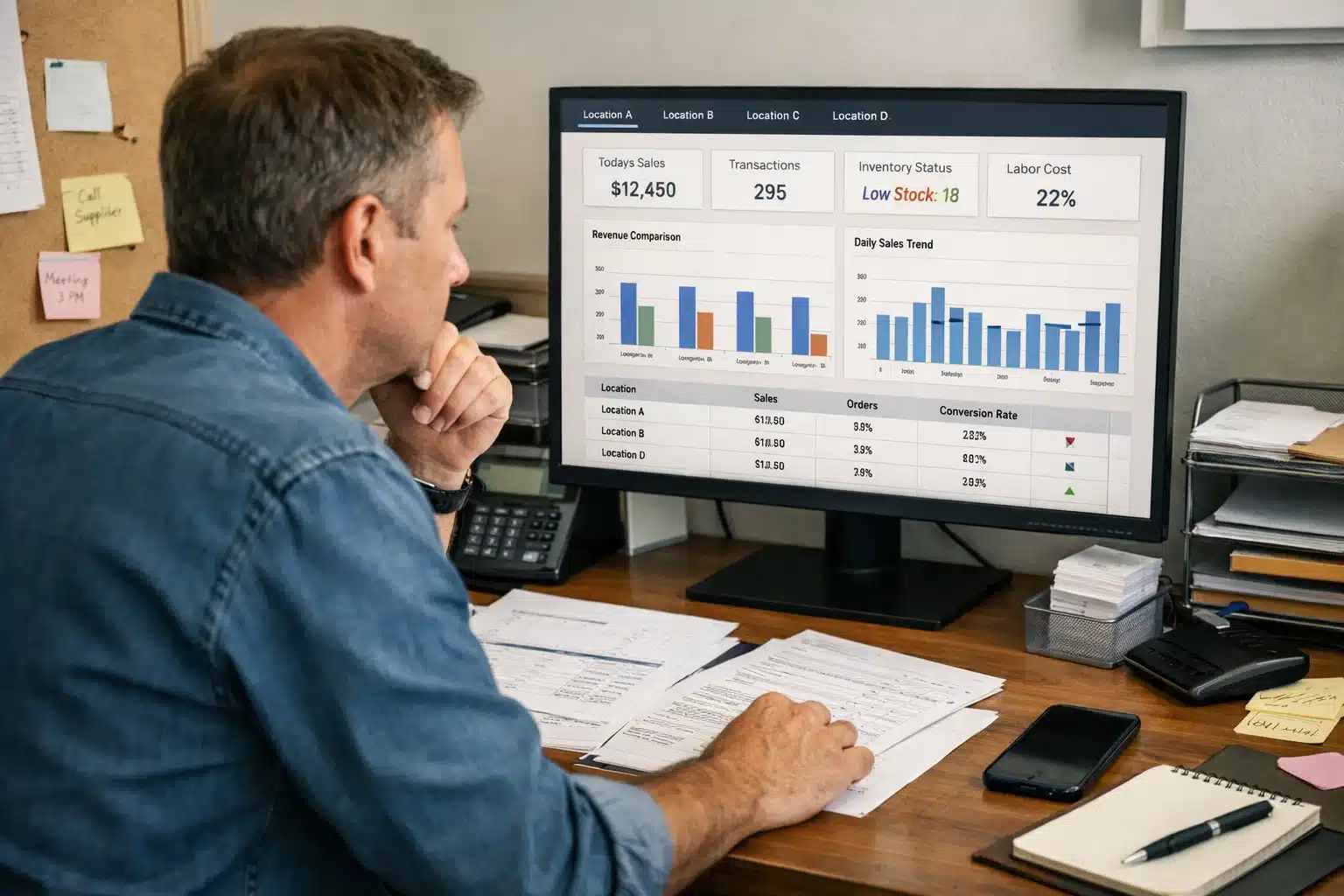
Modern POS systems like Biyo POS provide real-time sales and profitability reports. These insights reveal trends across locations, peak sales hours, and customer preferences. Owners can see at a glance which items are performing well and which need attention.
With these reports, you can test new menu layouts, promotional offers, or pricing models to measure their impact. This ongoing experimentation keeps your business agile and competitive in a changing market.
Tracking metrics like average order value, contribution margin, and item popularity transforms your menu into a living tool for continuous improvement.
Forecasting Demand and Reducing Waste
Accurate demand forecasting prevents overstocking and understocking, both of which eat into profits. By analyzing historical data, weather trends, and special events, fast food managers can anticipate spikes in demand and adjust procurement accordingly.
When combined with portion management, forecasting ensures that each item contributes positively to the menu’s financial health. It also enhances sustainability, a growing priority in today’s restaurant landscape.
Predictive analytics integrated into Biyo POS help operators anticipate patterns, optimize staffing, and align promotions with customer demand in real time.
Using Feedback and Data for Menu Innovation
Customer feedback is one of the most valuable assets for any restaurant. By collecting reviews, surveys, and purchase data, you can identify trends that inform future menu innovations. Maybe customers love a spicy sauce—so you add a “spicy edition” burger next month.
Using this feedback loop encourages experimentation while minimizing risk. You can test new products as limited-time offers before committing to permanent menu additions. This aligns perfectly with menu engineering strategies for fast food that emphasize flexibility and precision.
Regular updates keep your menu fresh and your brand top-of-mind. Consistent data analysis and adaptation turn good menus into great ones that evolve with the market.
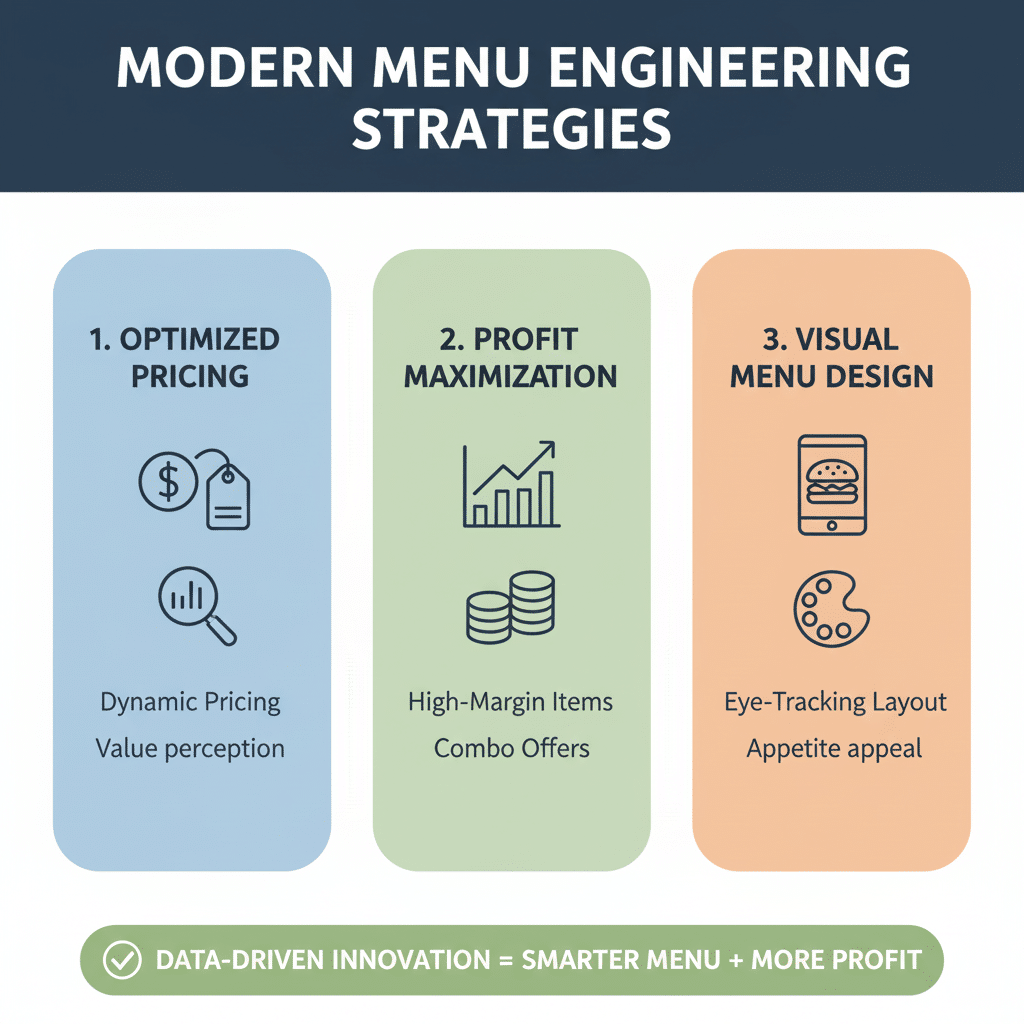
How Biyo POS Helps Fast Food Restaurants Master Menu Engineering
Biyo POS is a comprehensive, cloud-based point-of-sale system designed to simplify menu engineering, pricing, and performance tracking for fast food operators. With real-time sales analytics, customizable dashboards, and AI-powered insights, it enables restaurant owners to make smarter, data-driven decisions.
Biyo POS supports menu engineering strategies for fast food by integrating tools for sales mix analysis, combo meal tracking, and automated profitability reports. Whether you manage one store or a multi-location chain, Biyo POS ensures that your data stays synchronized and actionable.
To see how Biyo POS can transform your fast food operations, schedule a free demo or sign up today. There’s nothing to lose—only smarter profits to gain.
FAQ
What is menu engineering in fast food?
Menu engineering is the process of analyzing the performance and profitability of menu items to optimize pricing, layout, and design for maximum profit and customer satisfaction.
How can fast food restaurants increase profit using menu engineering?
By analyzing sales data, highlighting high-margin items, managing portions, and designing combo meals strategically, fast food restaurants can significantly boost revenue while controlling costs.
Why is menu layout important in fast food?
A well-structured menu layout guides customer attention toward profitable items, simplifies choices, and improves order speed—all of which increase efficiency and sales.
How does Biyo POS help with menu optimization?
Biyo POS offers real-time reporting, sales analytics, and customizable dashboards, helping fast food operators make quick, informed adjustments to pricing, promotions, and menu design.
What are the key benefits of data-driven menu engineering?
Data-driven menu engineering ensures every decision—pricing, design, or promotion—is based on measurable insights. This reduces waste, increases profitability, and keeps your restaurant agile and competitive.