Menu Synchronization: The Key to Streamlined Restaurant Operations

Menu Synchronization: The Key to Streamlined Restaurant Operations

In today’s fast-paced restaurant and retail environments, keeping menus up-to-date and consistent across multiple platforms is critical. Menu synchronization offers businesses a powerful way to manage their menus seamlessly, eliminating errors and improving customer satisfaction. Whether you operate a single location or a chain of eateries, real-time updates and centralized control can transform how you present your offerings to guests. Let’s dive deep into the world of menu synchronization and explore why it has become essential for modern businesses.

Table of Contents

Why Menu Synchronization Matters

Before diving into the technical aspects, it’s important to understand why menu synchronization is a game-changer for businesses. Inconsistent menus across locations or platforms can lead to customer frustration, incorrect orders, and lost revenue. Synchronization ensures that all devices, digital boards, and ordering platforms display the exact same menu, updated instantly.

Maintaining Multi-Location Consistency

For businesses with multiple locations, managing menus manually at each outlet often causes discrepancies that can confuse customers and hurt brand reputation. Imagine a popular burger chain where one location has removed a particular burger due to supply issues, but other locations still advertise it. Customers visiting the first location will be disappointed when they can’t order it, potentially affecting their overall experience negatively. Menu synchronization solves this problem by connecting all locations to a central menu database. Whenever a change occurs—be it a price update, a new dish introduction, or a temporary item removal—these adjustments automatically reflect across every single branch without delay.

This level of control not only prevents menu inconsistencies but also saves countless hours that staff would otherwise spend manually updating each menu. It ensures a cohesive brand identity, where every customer sees the same offerings and pricing, regardless of location. Moreover, chains can introduce seasonal menus or local specials while keeping core items synchronized across all stores. This balance of uniformity and flexibility is key to scaling operations without sacrificing quality or customer trust.

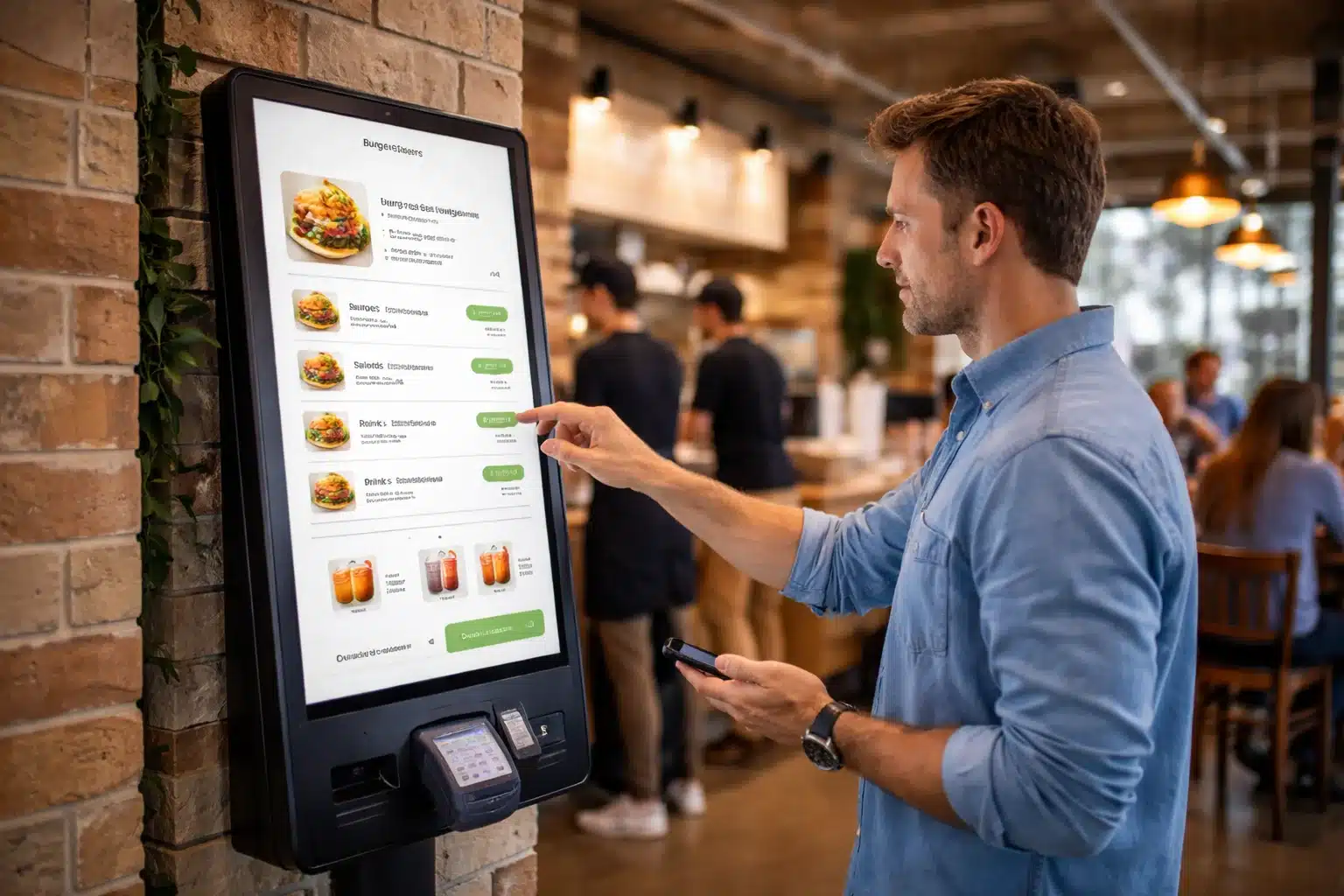
For instance, a chain rolling out a nationwide summer special can rely on menu synchronization to ensure it appears on all digital menus, mobile apps, and ordering kiosks simultaneously. This coordination maximizes marketing impact and delivers a seamless experience to customers everywhere.

Improving Customer Experience and Satisfaction

Menu synchronization directly influences how customers perceive a business. Customers expect accurate menus when ordering, whether they are browsing online, checking in-store digital displays, or using a mobile app. If menus are out-of-date or inconsistent, customers might attempt to order items that are no longer available, causing frustration and delays. This can quickly turn a pleasant dining experience into a source of dissatisfaction. With menu synchronization, restaurants and retailers can provide real-time accuracy across all touchpoints, building customer confidence in their service.

Moreover, synchronized menus allow businesses to introduce promotions and special offers instantly, providing dynamic and engaging experiences for customers. For example, a café running a happy hour special can update all menus to reflect discounted prices and limited-time offers without worrying about discrepancies between online and physical menus. This immediacy helps businesses capture customer interest at the right moment and encourages repeat visits.

When customers encounter consistent and reliable menus, they are more likely to place orders smoothly and recommend the business to others. This trust also reduces errors at the point of sale, enhancing overall satisfaction. Ultimately, menu synchronization helps businesses build lasting relationships by meeting customer expectations consistently.

Reducing Operational Errors and Inefficiencies

Manual menu updates are often fraught with risks. Human errors such as entering incorrect prices, forgetting to remove unavailable items, or failing to update promotional details can cascade across ordering platforms, leading to lost revenue and operational headaches. Menu synchronization drastically reduces these issues by automating updates across all connected systems. When the kitchen updates ingredient availability, the change reflects instantly in the menu, preventing orders of out-of-stock dishes.

Automation also eliminates redundant tasks for staff, freeing them to focus on higher-value activities like customer service and food preparation. In addition, synchronization enhances accuracy by linking menus directly with inventory and POS systems, which continuously monitor stock levels. This connection ensures that menus adapt in real time to changing inventory, so customers only see options that are truly available.

For example, if a restaurant runs out of a popular soup, the menu will immediately reflect its absence, preventing disappointed customers and order cancellations. This synchronization not only improves operational efficiency but also enhances reputation by reducing mistakes and delays that frustrate both staff and patrons.

Core Components of Menu Synchronization

To implement an effective menu synchronization system, businesses need to understand its core components. These include centralized management, real-time updates, and smooth integration with existing tools such as POS systems and digital displays. Each component plays a crucial role in creating a seamless, error-free menu experience across channels.

Centralized Menu Management

Centralized menu management forms the backbone of menu synchronization. It provides a single dashboard or platform where managers can create, modify, and organize menu items. Instead of handling menus separately for each location or platform, all data is stored and controlled from one place, ensuring consistency and ease of updates. This central hub enables efficient menu version control, where businesses can track changes, revert to previous versions if needed, and manage multiple menu variants tailored for specific locations or customer segments.

With centralized management, businesses can design modular menus that accommodate seasonal specials, regional preferences, or dietary options while maintaining core menu integrity. For example, a restaurant might offer a vegan section only in urban locations while keeping the standard menu elsewhere. The system handles these variations intelligently, ensuring synchronization does not mean uniformity in all cases but rather coordinated flexibility.

Furthermore, centralized platforms often provide user role management, allowing different team members to have access according to their responsibilities. This security layer prevents unauthorized changes while streamlining collaboration. The result is a well-organized menu management process that reduces confusion and supports growth.

Real-Time Updates and Automatic Syncing

Real-time updates represent a critical advantage of menu synchronization technology. Once a change is made in the centralized system—whether adding a new dish, adjusting a price, or toggling item availability—it automatically syncs across every connected platform and device without delay. This instant propagation removes the risk of outdated menus being displayed to customers, which is especially important in busy or multi-location environments.

Automatic syncing means that restaurant managers no longer need to manually update each digital menu board, mobile app, or online ordering platform. This efficiency is a game changer during high-volume times or when quick responses are necessary, such as reacting to supply shortages or introducing time-sensitive promotions. For instance, if a sudden price increase on an ingredient forces a menu price change, the update reflects everywhere immediately, ensuring pricing integrity and avoiding customer disputes.

Moreover, real-time syncing supports dynamic menu customization based on data feeds from inventory or sales trends. This capability enables smart menus that adapt to what is available, popular, or profitable, providing an optimized ordering experience for customers and boosting operational performance for businesses.

Seamless Integration with POS and Digital Displays

Effective menu synchronization requires strong integration with Point of Sale (POS) systems and digital display technologies. This integration creates a synchronized ecosystem where menus, pricing, inventory, and orders flow together in harmony. The POS system communicates inventory levels and sales data, which in turn influences menu availability and updates.

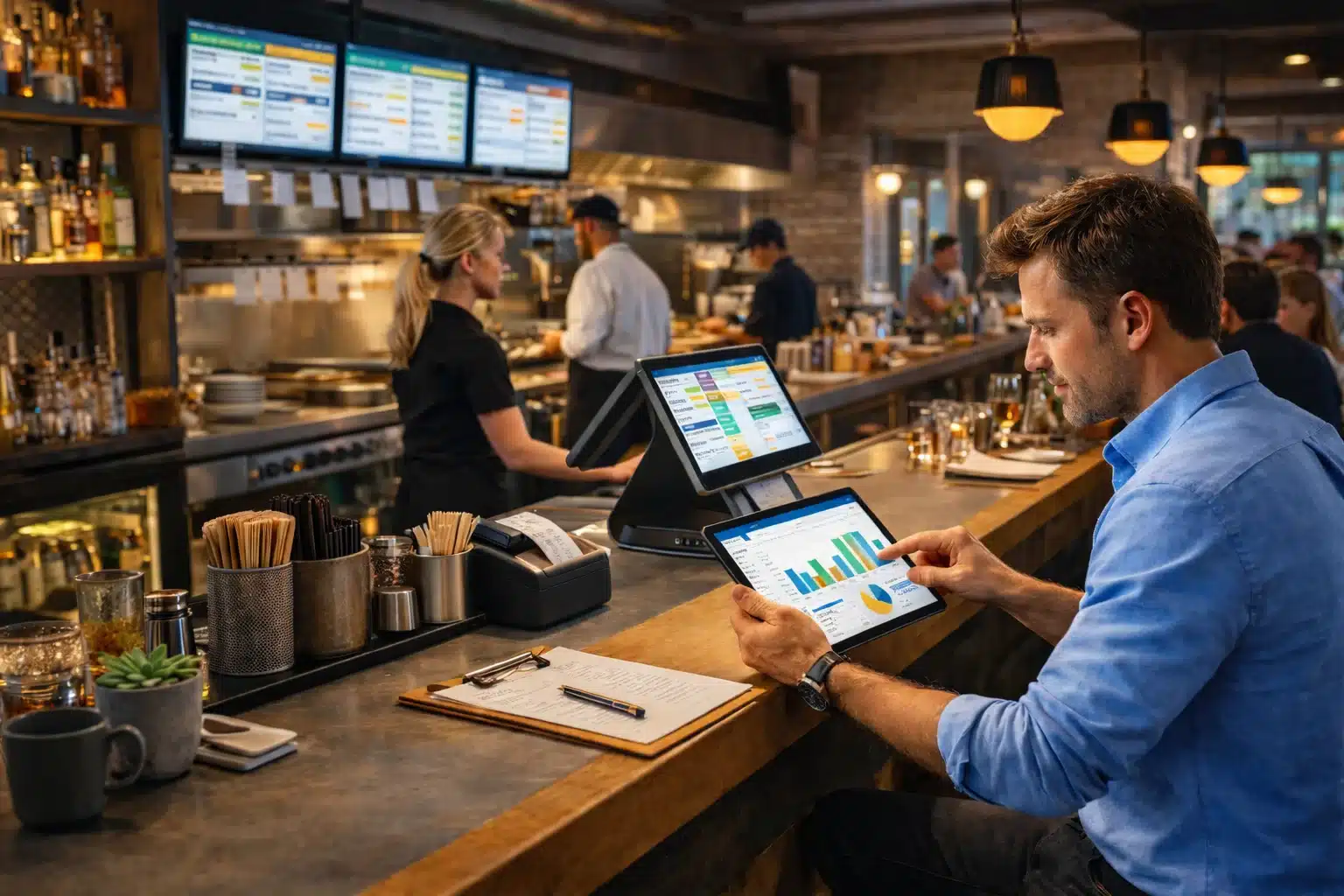
Digital menu boards benefit from this integration by displaying the latest menu versions, prices, and promotions in real time. Customers see accurate information whether they look at a screen in-store or place an order on a mobile device. This cross-device synchronization removes confusion and accelerates service.

For example, if an item is marked as sold out in the POS, the digital menu board will immediately reflect this change by graying out or removing the item. This responsiveness enhances customer experience and streamlines kitchen workflow by reducing orders for unavailable items. The integration also facilitates promotional campaigns, where discounts or limited-time offers can be pushed simultaneously to all sales channels, maximizing reach and impact.

Benefits of Real-Time Menu Updates

Real-time menu updates through synchronization deliver significant advantages in agility, customer engagement, and operational control. Exploring these benefits helps businesses appreciate the transformative power of menu synchronization in everyday operations.

Enhanced Agility and Responsiveness

In today’s competitive hospitality market, the ability to adapt quickly is vital. Real-time menu updates give businesses the agility to react instantly to changing conditions—whether that means adjusting to supply disruptions, launching flash promotions, or responding to customer feedback. This speed allows restaurants to minimize downtime of popular items, reduce waste, and seize sales opportunities effectively.

For instance, if a supplier unexpectedly delivers fewer ingredients, the restaurant can remove affected dishes from menus immediately across all platforms, avoiding customer disappointment. Alternatively, during slow hours, they could activate special pricing or combo deals that automatically appear on digital menus and online ordering apps. This nimbleness helps maintain profitability and relevance in a fast-moving market.

Moreover, such responsiveness builds customer loyalty, as patrons recognize the business’s commitment to accuracy and timely communication. They also feel valued when offers and menus reflect their needs and preferences in real time.

Consistent Pricing and Promotions Across Channels

One major challenge restaurants face is maintaining consistent pricing and promotions across different sales channels, such as dine-in, takeout, delivery apps, and online ordering websites. Inconsistencies can confuse customers, cause disputes, and damage trust. Menu synchronization solves this by automatically aligning prices and promotional offers across all platforms in real time.

This uniformity means customers can expect the same price whether they order at the counter, via a mobile app, or through a delivery service. It also simplifies staff training and reduces conflicts during checkout. For example, a restaurant running a weekend discount can ensure that the special price appears on all menus, preventing misunderstandings and enhancing marketing effectiveness.

Consistent pricing also helps businesses maintain profitability by reducing unauthorized discounts or pricing errors. Overall, synchronized menus create a unified brand experience that strengthens customer satisfaction and loyalty.

Improved Inventory Management

Inventory management is closely linked to menu availability. When inventory levels drop, it is essential that menus reflect these changes instantly to avoid orders of unavailable items. Real-time menu synchronization integrated with inventory systems enables automatic updates of item availability based on stock levels.

This integration reduces waste by preventing over-ordering and minimizes customer disappointment by showing only available dishes. For example, if a restaurant is running low on salmon, the menu can temporarily remove or grey out salmon-based dishes until new stock arrives. This automated adjustment saves time and reduces human error.

Additionally, data collected from synchronized menus and sales helps businesses forecast demand better, optimize purchasing, and plan menus strategically. This holistic approach enhances both operational efficiency and customer satisfaction.

Challenges and Solutions in Menu Synchronization

Implementing menu synchronization can present hurdles. However, understanding these challenges and adopting effective solutions ensures smooth deployment and operation.

Handling Menu Complexity and Customization

Many businesses offer complex menus with multiple options, dietary accommodations, and regional variations. Synchronizing such menus across platforms requires systems capable of managing modular menu design and version control. This means the system must allow for both core menu consistency and customized local or seasonal offerings without causing confusion or data conflicts.

Advanced menu synchronization solutions enable centralized management that supports menu branching, where specific items or categories appear only for certain locations or customer segments. For example, a bakery might offer gluten-free breads in urban stores but not in rural ones due to demand differences. The system handles these nuances while keeping the rest of the menu synchronized, ensuring a smooth customer experience everywhere.

Moreover, solutions that provide detailed change logs and rollback options help manage complexity by allowing quick corrections if errors arise. Businesses benefit from clear visibility and control over all menu versions, improving quality and consistency.

Ensuring Cross-Platform and Device Compatibility

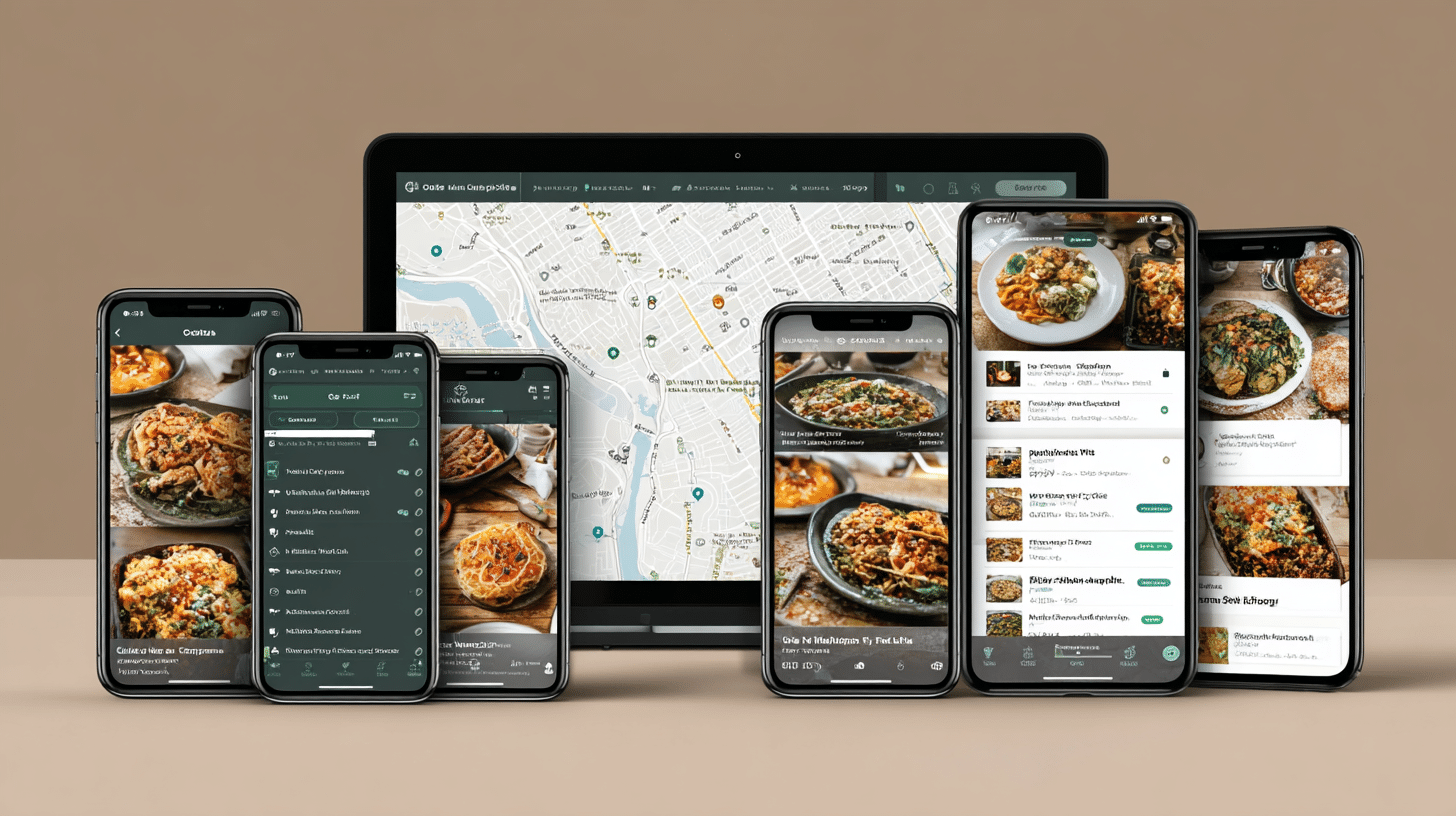
Menus today appear on a variety of platforms—mobile phones, tablets, desktop websites, kiosks, and digital displays—all with different technical specifications. Ensuring that synchronized menus render correctly and update instantly across all devices is a major challenge. Incompatibilities can cause display glitches, delayed updates, or inconsistent information.

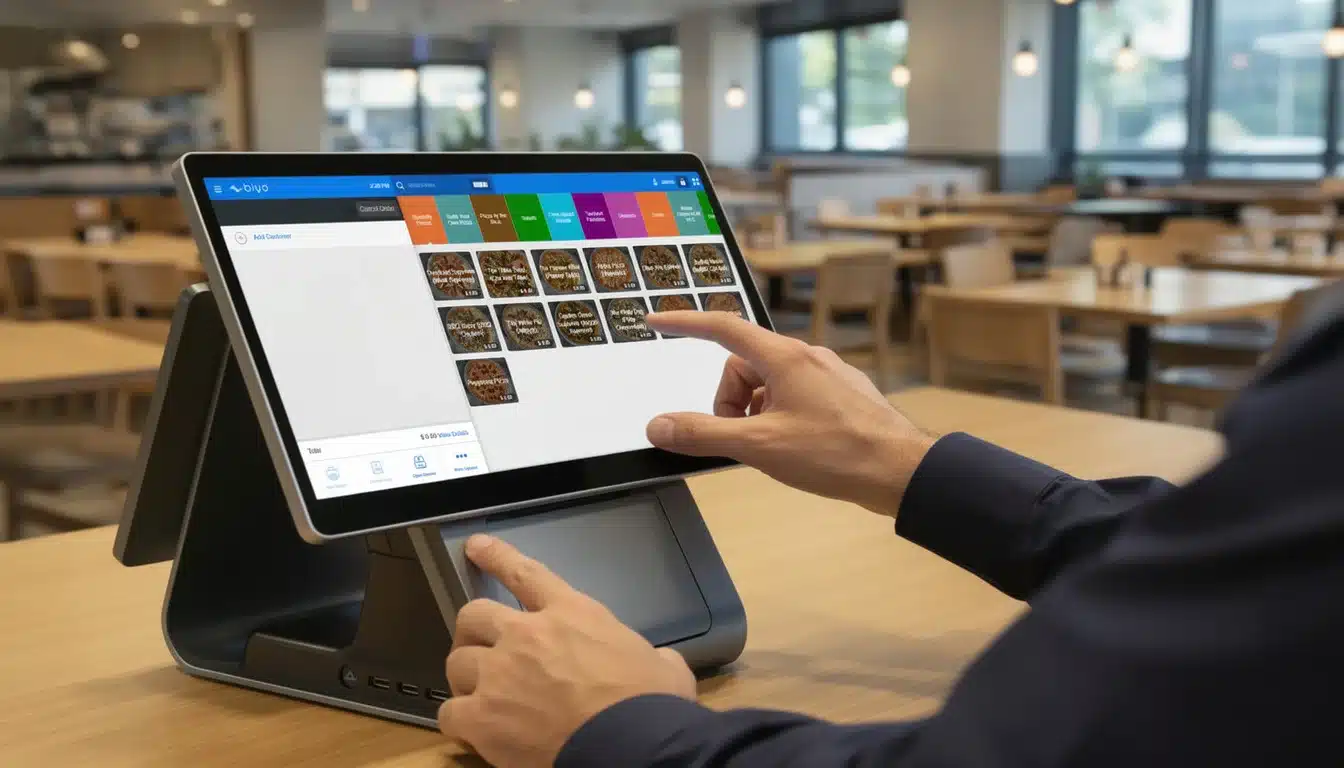
Choosing cloud-based, API-driven solutions with responsive design and platform-agnostic technology addresses these issues effectively. Such systems push updates instantly to every device type and screen size, guaranteeing a uniform look and feel. For example, Biyo POS’s menu synchronization supports mobile menu updates, online ordering sync, and digital menu boards, providing seamless experiences for customers regardless of the platform they use.

Testing and continuous monitoring are also essential to detect and resolve issues quickly. By investing in robust technical infrastructure and ongoing support, businesses ensure menus stay accurate and appealing on every channel.

Managing Data Accuracy and Error Reduction

Menu synchronization depends heavily on precise, accurate data. Errors in menu item descriptions, pricing, or availability can multiply quickly across all synchronized platforms, causing customer frustration and operational inefficiencies. Maintaining high data quality requires automated validation, user permissions, and rigorous workflows.

Automation tools can flag inconsistent or incomplete data, prompting corrections before changes go live. Role-based access restricts menu editing to trained personnel, reducing accidental errors. For example, only a manager might have rights to change prices, while staff can update item availability based on stock. This separation of duties strengthens accuracy and accountability.

Integration with POS and inventory systems further reduces errors by automatically syncing data and providing real-time feedback. Together, these measures create a reliable, error-resistant menu synchronization environment that supports smooth business operations and exceptional customer service.

How Biyo POS Supports Menu Synchronization

Biyo POS offers a comprehensive solution designed to meet the complex demands of modern businesses seeking efficient menu synchronization. Their platform combines powerful features and user-friendly tools to deliver seamless menu coordination across all sales channels.

Centralized Cloud-Based Menu Management

Biyo POS’s cloud-based centralized menu management system allows businesses to control menus from a single dashboard, ensuring all locations and platforms stay perfectly aligned. This approach supports multi-location consistency while enabling easy customization for regional or seasonal offerings. Users can effortlessly create menu versions, schedule updates, and track changes, all within an intuitive interface.

Thanks to cloud infrastructure, menu changes push instantly to all connected devices, including digital displays, mobile apps, and online ordering portals. This ensures menus stay fresh and accurate at all times, reducing manual work and operational errors. For example, a restaurant chain can launch a new menu item or adjust prices chain-wide within minutes, improving responsiveness and marketing effectiveness.

Additionally, Biyo POS offers user role management and audit logs, providing control over who can make changes and enabling quick rollback if necessary. This security feature protects data integrity while fostering collaboration.

Seamless POS Integration and Inventory Linkage

Biyo POS tightly integrates menu synchronization with its point of sale and inventory management systems. This integration links menu availability directly to stock levels and sales data, allowing automatic menu updates based on real-time inventory changes. As a result, menus dynamically reflect what is truly available, preventing customer disappointment and operational disruptions.

Pricing synchronization is another core feature, ensuring consistent pricing across all sales channels. This helps avoid pricing conflicts and builds customer trust. Biyo POS also supports promotional updates that automatically appear on all menus, maximizing marketing reach and simplifying campaign management.

By connecting menus to POS and inventory systems, Biyo POS helps businesses optimize purchasing, reduce waste, and enhance service quality. Staff benefit from accurate, up-to-date information that streamlines order processing and improves customer interactions.

Multi-Device and Platform Compatibility

Biyo POS’s menu synchronization supports a wide range of devices and platforms, from in-store digital menu boards to mobile ordering apps and online websites. This flexibility ensures customers experience consistent menus no matter how they interact with the business. Real-time syncing guarantees all channels display the same offerings, prices, and promotions instantly.

The platform also supports timely promotional updates and customized menu options tailored to specific locations or customer segments, providing both uniformity and personalization. For example, a coffee shop can highlight a regional specialty on local menus while maintaining core offerings elsewhere.

With this broad compatibility, businesses can confidently expand their presence across multiple platforms, knowing their menus remain accurate, attractive, and synchronized. Biyo POS empowers businesses to deliver a future-ready experience that drives customer satisfaction and operational excellence.

Biyo POS empowers businesses with a robust menu synchronization solution that enhances operational efficiency and delivers a seamless experience to customers across every platform and location. Its advanced integration, centralized control, and real-time syncing make it an essential tool for restaurants and retailers aiming to stay competitive and responsive in today’s dynamic market.

Frequently Asked Questions

What is menu synchronization?

Menu synchronization is the process of updating and managing menus consistently across all platforms and devices in real time, ensuring uniformity in items, prices, and availability. It eliminates discrepancies and improves order accuracy by centralizing menu control.

Why is menu synchronization important for restaurants?

It helps prevent ordering errors, improves customer satisfaction, and ensures pricing and promotions are consistent across all locations and channels. This uniformity builds trust and streamlines operations, leading to better business performance.

Can menu synchronization work with multiple restaurant locations?

Yes, centralized menu management allows multi-location businesses to keep their menus consistent while supporting local customizations where necessary. This balances brand cohesion with flexibility to meet regional preferences.

How does menu synchronization integrate with POS systems?

It connects menu items with inventory and sales data, allowing automatic updates and real-time syncing of prices, availability, and promotions directly through the POS. This integration enhances accuracy and efficiency in order processing.

Does Biyo POS offer menu synchronization features?

Yes, Biyo POS provides a cloud-based menu synchronization system integrated with its POS and inventory tools, supporting multi-device compatibility and real-time updates. Their platform is designed to simplify menu management and improve customer experience.

Related Posts