Ever noticed an extra fee on a receipt and wondered why it was added separately instead of being included in the original price? In many cases, that additional cost is what businesses call a pass through charge.
A pass through charge is a fee a business pays to a third party and then transfers directly to the customer without adding additional profit.
Rather than absorbing the expense internally, the business isolates the cost and applies it specifically to the customer transaction that triggered it.
This pricing approach has become increasingly common across:
- Retail businesses
- Restaurants
- eCommerce stores
- Shipping companies
- Utility providers
- Event venues
- Payment processing systems
Pass through charges help businesses maintain stable base pricing while remaining transparent about fluctuating external costs they cannot fully control.
For example, when a customer pays using a credit card, the merchant often pays processing fees to banks and card networks. Instead of increasing prices for every customer, some businesses apply a separate credit card surcharge only to transactions using that payment method.
The same concept applies to:
fuel surcharges, import tariffs, freight adjustments, utility costs, and facility fees.
However, pass through charges can also create confusion and frustration if businesses fail to communicate them properly.
Customers often dislike unexpected fees, especially when they appear late in the checkout process.
That is why transparency, legal compliance, and proper POS configuration are critical.
In this guide, we’ll explain what pass through charges are, how they work, the most common examples businesses use, the pros and cons of applying them, important compliance rules, best practices for customer communication, and how modern POS systems help businesses manage these charges accurately.
Table of Contents
- What Is a Pass Through Charge?
- Common Types of Pass Through Charges
- Why Businesses Use Pass Through Charges
- Advantages and Disadvantages of Pass Through Charges
- Credit Card Surcharging and Payment Processing Fees
- Legal and Compliance Rules for Pass Through Charges
- How Businesses Should Communicate Pass Through Charges
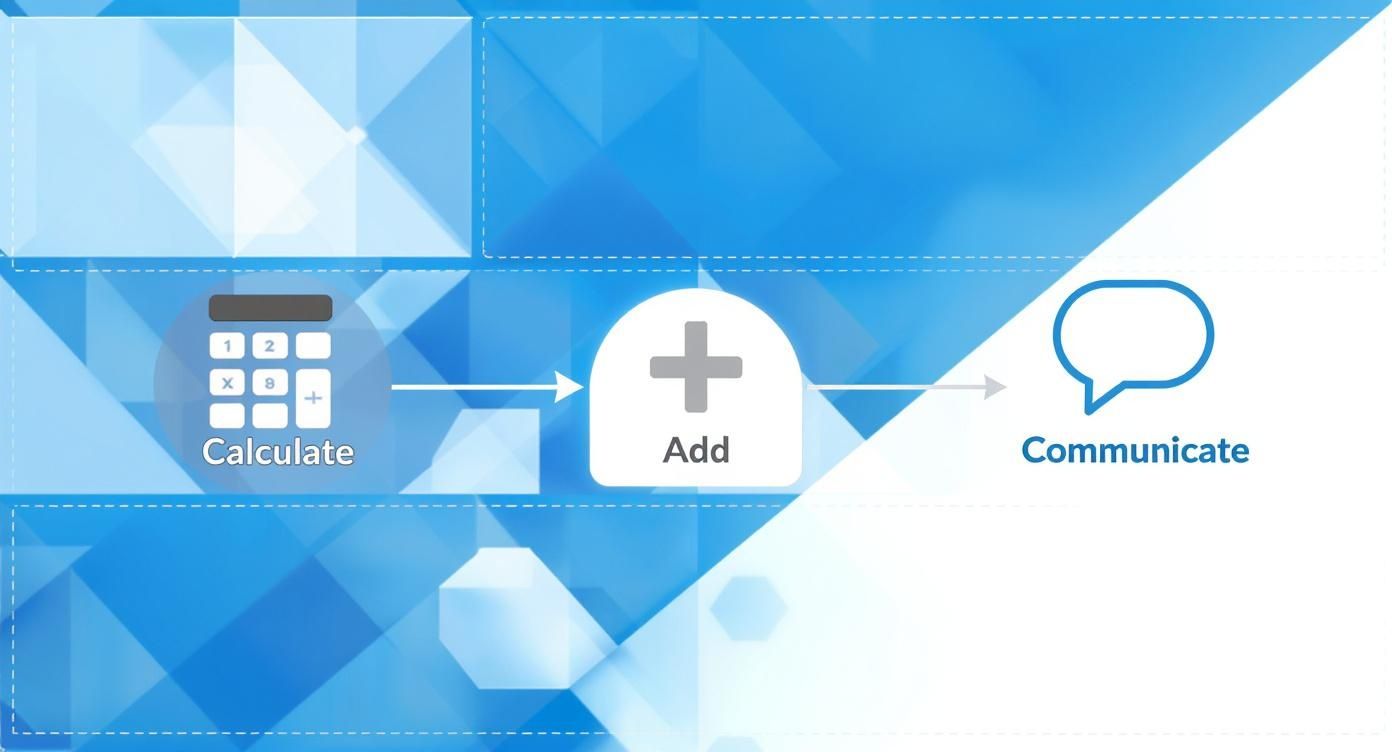
- How to Calculate Pass Through Charges Properly
- Setting Up Pass Through Charges in a POS System
- Why Transparent Pricing Matters More Than Ever
- How Biyo POS Helps Businesses Manage Pass Through Charges
- Frequently Asked Questions
What Is a Pass Through Charge?
A pass through charge is a cost imposed by a third party that a business transfers directly to the customer without markup.
The business itself does not profit from the fee.
Instead, it simply recovers an external expense tied directly to a specific transaction.
These charges are usually itemized separately on receipts or invoices to improve transparency.
Several characteristics define a true pass through charge:
- No additional markup or profit
- Originates from a third-party expense
- Connected directly to a customer transaction
- Displayed separately for transparency
For example, imagine a concert venue that must pay a mandatory facility fee for every ticket sold.
Instead of increasing ticket prices broadly, the venue may add a separate:
“facility fee” line item to each ticket purchase.
This allows customers to see exactly what portion of the total payment relates to external operational costs rather than the event itself.
Pass through charges are commonly used when businesses face fluctuating operational costs they cannot easily predict or absorb consistently.

Common Types of Pass Through Charges
Pass through charges appear across many industries because businesses frequently encounter external operational costs.
Some of the most common examples include:
- Credit card processing fees
- Fuel surcharges
- Import tariffs and duties
- Shipping and freight adjustments
- Utility surcharges
- Facility or venue fees
- Government regulatory fees
Credit Card Processing Fees
One of the most common pass through charges involves credit card processing.
Whenever customers pay using credit cards, merchants pay:
interchange fees, assessment fees, and payment processing charges to banks and card networks.
Some businesses pass these costs directly to customers through:
credit card surcharges.
This helps businesses avoid raising prices universally for all customers, including those paying with cash.
Import Tariffs and Duties
Businesses importing products internationally may face:
government tariffs, customs duties, and import taxes.
Instead of hiding these expenses within product pricing, some businesses display them separately as pass through charges.
This improves transparency by showing customers exactly why costs increased.
Fuel and Freight Surcharges
Shipping companies often use pass through charges to handle fluctuating fuel costs.
Rather than constantly renegotiating contracts or raising shipping rates universally, carriers apply:
temporary fuel surcharges tied directly to transportation costs.
Utility companies use similar systems through:
fuel adjustment charges or energy surcharges.
Why Businesses Use Pass Through Charges
The primary reason businesses use pass through charges is to protect profit margins against variable external costs.
Operational expenses such as:
payment processing fees, fuel prices, shipping costs, tariffs, and government charges can fluctuate significantly over time.
If businesses absorb all of these expenses internally, profitability may become unstable.
Pass through charges allow businesses to:
- Maintain more stable pricing
- Protect operating margins
- Avoid broad price increases
- Improve cost transparency
- Keep base product prices competitive
Instead of increasing prices for all customers, businesses apply the fee only to transactions directly creating the expense.
This targeted approach is often viewed as more financially fair.
For example:
a customer paying cash does not generate credit card processing fees, so the surcharge applies only to credit card transactions.
Pass through charges also help businesses communicate external market conditions more clearly.
Rather than appearing to raise prices arbitrarily, businesses can explain:
fuel increases, tariffs, or processing fees separately.
Advantages and Disadvantages of Pass Through Charges
While pass through charges offer important financial benefits, they also create potential customer experience challenges.
Advantages
One major advantage is margin protection.
Businesses can recover external costs directly rather than allowing fluctuating expenses to reduce profitability.
Pass through charges also improve:
pricing transparency and operational flexibility.
Instead of increasing all product prices permanently, businesses can adjust charges dynamically based on actual external costs.
Another advantage is competitive pricing.
Businesses may advertise lower base prices because certain variable costs are separated from core product pricing.
Disadvantages
The biggest disadvantage is customer frustration.
Unexpected fees often create negative emotional reactions, especially if customers discover them late during checkout.
Some customers view separate charges as:
confusing, excessive, or deceptive.
Businesses also face additional administrative complexity.
They must:
- Track external fees accurately
- Configure POS systems correctly
- Maintain compliance with regulations
- Communicate charges clearly
- Avoid accidental overcharging
Poorly implemented pass through charges can damage customer trust quickly.
Credit Card Surcharging and Payment Processing Fees
Credit card surcharging is one of the most widely discussed forms of pass through charging.
Every time a merchant accepts a credit card payment, the business pays fees to:
card networks, issuing banks, and payment processors.
These costs often range between:
2% and 4% per transaction depending on card type and processing arrangements.
Some businesses choose to recover these costs by adding:
credit card surcharges to applicable transactions.
However, important restrictions apply.
Businesses generally:
- Can surcharge credit cards
- Cannot surcharge debit cards
- Must disclose charges clearly
- Must follow card network rules
- Cannot exceed maximum surcharge limits
Most card networks require businesses to notify processors and provide visible customer disclosure before implementing surcharges.
Compliance is extremely important because violations can result in:
fines, processing restrictions, or account termination.
Legal and Compliance Rules for Pass Through Charges
Businesses cannot implement pass through charges arbitrarily.
Legal compliance depends on:
- State laws
- Card network regulations
- Consumer protection requirements
- Industry-specific rules
Card Network Requirements
Visa, Mastercard, and other major card networks impose specific rules regarding:
credit card surcharging.
Typical requirements include:
- Providing customer disclosure signage
- Separating fees clearly on receipts
- Limiting surcharge percentages
- Giving advance notification to processors
- Avoiding surcharges on debit cards
State-Level Restrictions
Some U.S. states impose additional restrictions or limitations on surcharge practices.
Businesses should always review:
local consumer protection laws and payment regulations before implementing pass through charges.
Failure to comply properly may create:
legal exposure, fines, customer disputes, or processing violations.
How Businesses Should Communicate Pass Through Charges
Customer communication is one of the most important parts of successful pass through charging.
Even legitimate fees create frustration when customers encounter them unexpectedly.
Businesses should prioritize:
- Clear signage
- Transparent checkout disclosures
- Simple explanations
- Consistent receipt labeling
- Visible online notices
For example, a restaurant adding a credit card surcharge should display notices:
at entrances, checkout counters, and payment terminals.
Online businesses should explain fees before final checkout rather than surprising customers afterward.
Using simple language matters too.
Instead of technical financial terminology, businesses should explain:
that the fee covers direct external processing or operational costs.
Transparency improves customer acceptance significantly.
How to Calculate Pass Through Charges Properly
Pass through charges should reflect actual external costs accurately without markup.
For example, if a payment processor charges:
3% per credit card transaction, the business should apply exactly 3% rather than increasing the fee arbitrarily.
Here’s a simple example:
- Customer purchase: $100
- Processing fee rate: 3%
- Pass through charge: $3
- Total transaction: $103
Businesses should avoid:
- Rounding excessively
- Applying hidden markups
- Charging beyond actual costs
- Using inconsistent fee structures
Proper documentation and system configuration are important for maintaining compliance and financial accuracy.
Setting Up Pass Through Charges in a POS System
Modern POS systems allow businesses to automate pass through charges accurately and transparently.
Typical POS setup involves:
- Creating surcharge rules
- Defining fee percentages or flat amounts
- Linking fees to payment methods
- Separating charges on receipts
- Configuring compliance settings
For example, businesses may configure a POS system to:
apply a surcharge automatically only when customers choose credit card payments.
The system then calculates the fee instantly and displays it separately during checkout.
This automation reduces:
manual errors, inconsistent calculations, and compliance problems.
Accurate POS configuration is especially important for businesses processing high transaction volumes daily.
Why Transparent Pricing Matters More Than Ever
Modern consumers are increasingly sensitive to pricing transparency.
Unexpected charges during checkout often lead to:
cart abandonment, negative reviews, customer complaints, and reduced trust.
At the same time, businesses face growing operational pressures from:
inflation, payment processing costs, shipping volatility, tariffs, and regulatory fees.
This creates tension between:
maintaining profitability and preserving customer satisfaction.
Businesses that communicate pass through charges honestly and clearly are more likely to maintain customer trust while protecting financial stability.
Transparency is no longer optional.
Customers increasingly expect businesses to explain exactly what they are paying for and why.
How Biyo POS Helps Businesses Manage Pass Through Charges
Biyo POS helps businesses manage pass through charges accurately through integrated cloud-based payment and operational tools.
The platform supports:
surcharge configuration, payment processing controls, automated fee calculations, transparent receipt generation, reporting analytics, and compliance-friendly transaction management.
Businesses can configure:
percentage-based surcharges, payment-specific fee rules, and transparent checkout workflows directly within the POS system.
Biyo POS also helps businesses reduce operational errors while improving pricing visibility and transaction accuracy.
If you want to modernize your payment operations and simplify surcharge management, you can explore the platform directly through the Biyo POS signup page.
Frequently Asked Questions
What is a pass through charge?
A pass through charge is a third-party cost transferred directly from a business to the customer without markup or additional profit.
Are pass through charges legal?
Yes, but businesses must follow state laws, card network rules, and consumer disclosure requirements depending on the type of charge involved.
What is the difference between a surcharge and a pass through charge?
A surcharge often refers specifically to payment-related fees, while a pass through charge is a broader category covering many external operational expenses.
Can businesses surcharge debit card transactions?
No. Major card network rules generally prohibit surcharges on debit and prepaid card transactions.
Why do businesses use pass through charges?
Businesses use pass through charges to recover external costs, protect profit margins, maintain competitive pricing, and improve pricing transparency.
How does Biyo POS help manage pass through charges?
Biyo POS helps businesses automate surcharge calculations, configure payment-specific fee rules, generate transparent receipts, and simplify compliance management.