There’s no denying it — the poke bowl craze has swept the globe, offering a vibrant, fresh, and delicious way to enjoy seafood and vegetables in one colorful dish. Originally a Hawaiian food tradition, the poke bowl has evolved into a versatile protein bowl loved by many who crave a quick lunch or a nutritious dinner. Combining elements like raw fish, rice, tropical fruits, and signature poke sauce, this dish is a shining example of how Asian cuisine influences global palates. Whether you’re a sushi enthusiast or simply seeking a fresh fish and avocado rice bowl, poke bowls deliver a unique balance of flavors and textures that is hard to beat.
Table of Contents
- The History and Origin of the Poke Bowl
- Key Ingredients and Flavor Profiles
- Health Benefits of Poke Bowls
- How to Make the Perfect Poke Bowl at Home
- Where to Find the Best Poke Bowls Near You
- Biyo POS: Empowering Poke Bowl Businesses
- Frequently Asked Questions
The History and Origin of the Poke Bowl
Before diving into the delicious world of poke bowls, it’s important to understand where this dish comes from and how it rose to international fame. The poke bowl is a classic dish rooted in Hawaiian cuisine, which reflects the island’s rich blend of cultural influences.
Roots in Hawaiian Cuisine
Poke, which means “to slice” or “cut crosswise into pieces” in Hawaiian, traditionally refers to diced raw fish tossed with simple seasonings. Locals used freshly caught ahi tuna or octopus, marinated with sea salt, seaweed, and sometimes kukui nut oil. This raw fish salad was a staple on Hawaiian tables, highlighting the islanders’ connection to the ocean and fresh seafood.
Over time, poke evolved into a more complex dish with varied toppings and sauces, often enjoyed as a quick, healthy meal. Its foundation in fresh fish and native Hawaiian ingredients keeps it authentic while offering room for innovation.
Interestingly, poke’s roots mirror other raw fish dishes found in Asian cuisine, such as Japanese sushi and sashimi. This crossover helped poke transition from a local Hawaiian favorite to a global sensation.
The Rise of Poke Bowls in Modern Food Culture
The transformation of poke from a simple salad to a fully loaded rice bowl began as Hawaiian food trucks and restaurants started adding rice, vegetables, and creative toppings. This fusion style caught the attention of food lovers across the United States and beyond, especially in urban areas with a growing demand for quick lunch options that are also healthy.
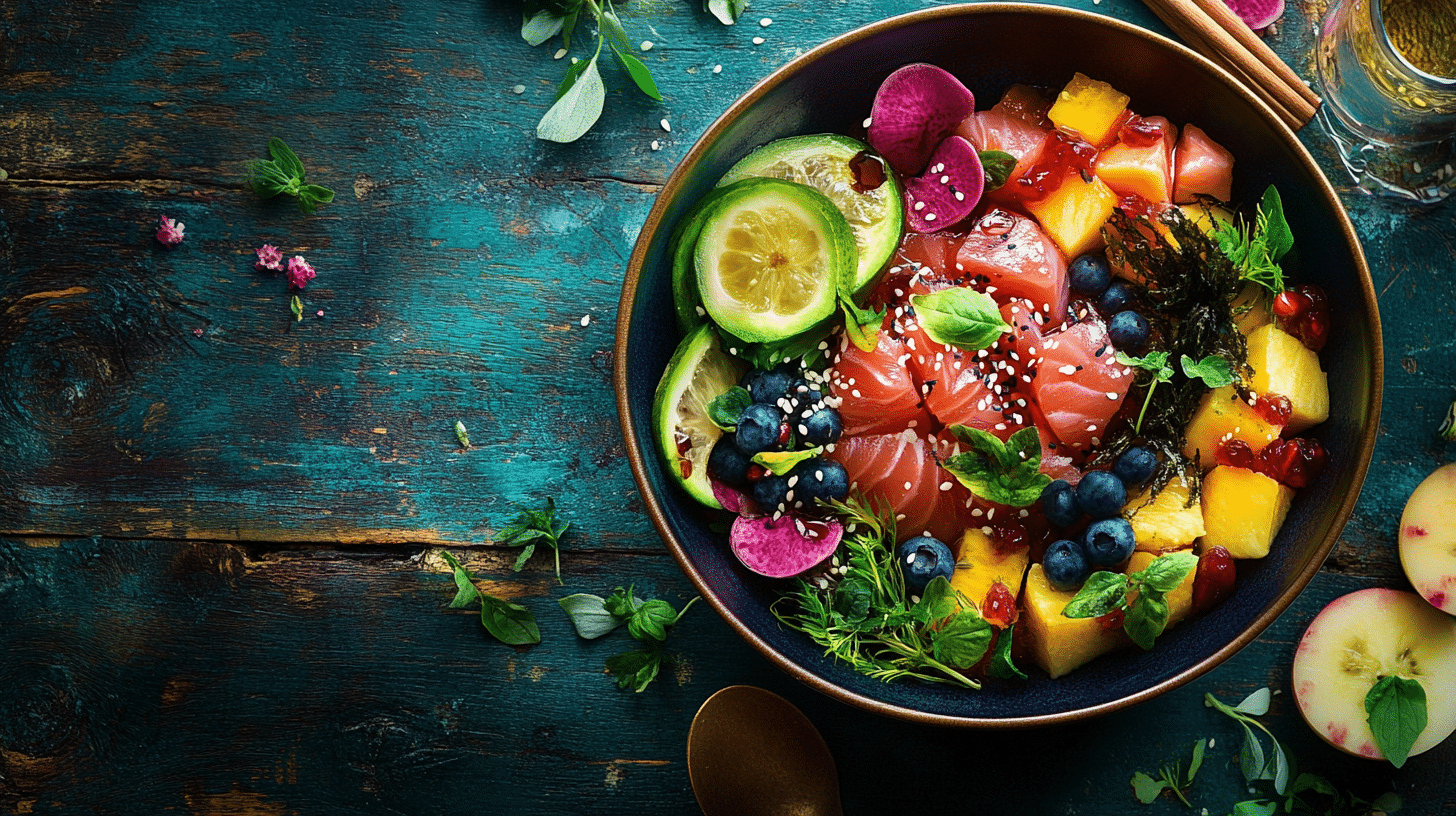
The rise of poke bowls coincided with increased interest in fresh fish, sushi, and protein bowls. As a result, many poke shops began experimenting with sauces like wasabi mayo, soy sauce blends, and poke sauce that add layers of flavor. Sesame seeds, seaweed, and tropical fruits also found their way into these bowls, turning them into a delicious mix of textures and tastes.
Today, poke bowls are more than a Hawaiian food trend; they represent a vibrant fusion of Asian cuisine and tropical flavors that cater to health-conscious consumers worldwide.
Poke Bowl vs. Sushi: What’s the Difference?
At first glance, poke bowls and sushi may seem similar because both feature raw fish and rice. However, there are clear distinctions between these two dishes. Sushi involves vinegared rice paired with raw or cooked seafood, often rolled or shaped with seaweed, and accompanied by wasabi and pickled ginger.
In contrast, a poke bowl typically starts with a base of plain rice or greens and features cubed raw fish mixed with a variety of seasonings and toppings. Unlike sushi, poke is served deconstructed in a bowl, offering a casual and customizable experience.
While both dishes celebrate fresh fish and Asian flavors, poke bowls emphasize simplicity and bold marinades, whereas sushi often focuses on presentation and subtle, refined tastes.
Key Ingredients and Flavor Profiles
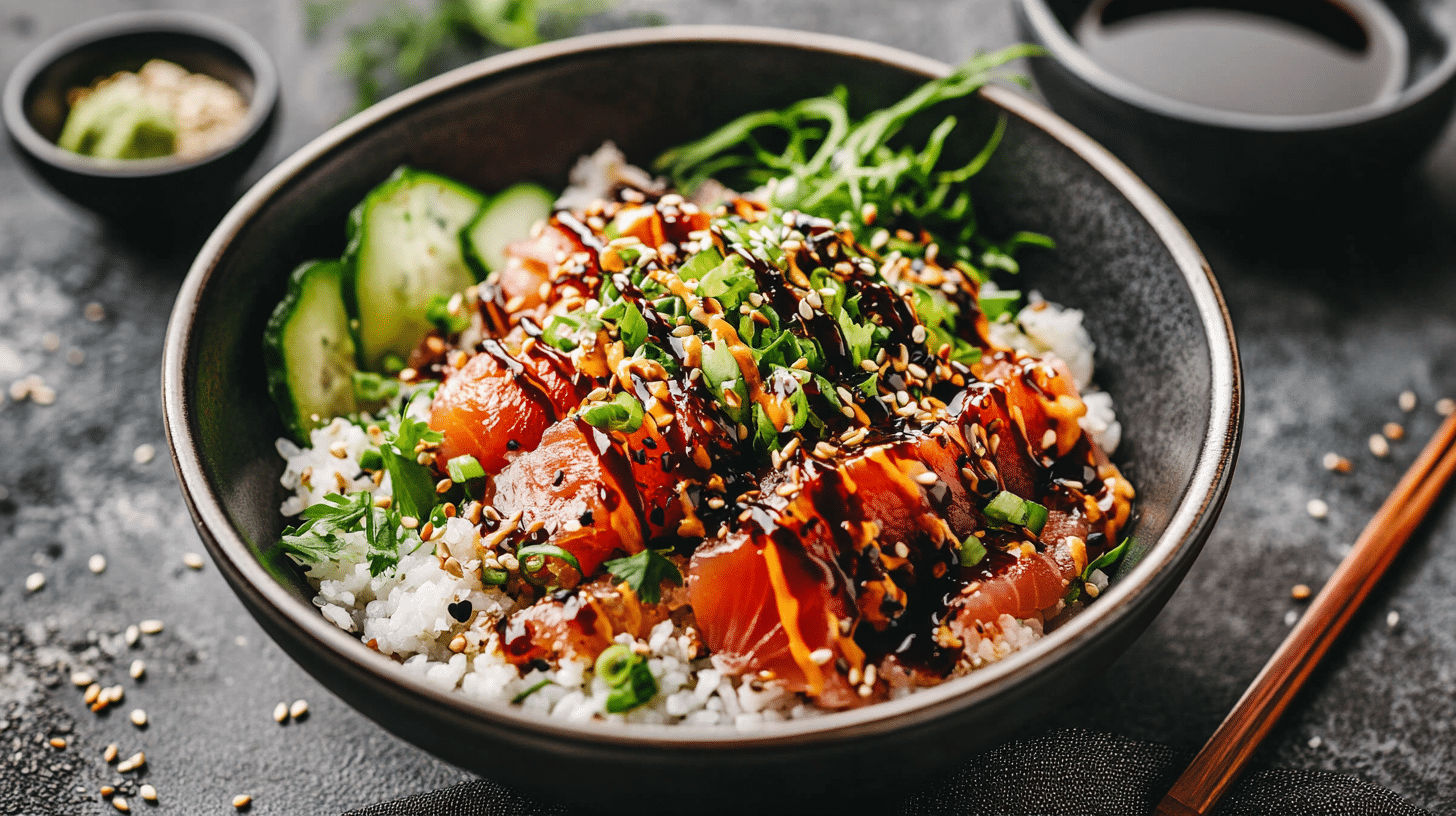
A poke bowl’s charm lies in its harmonious blend of fresh, vibrant ingredients that come together in a balanced flavor profile. From the essential rice bowl base to the delicate addition of tropical fruits, every component plays a crucial role.
Fresh Fish and Seafood
At the heart of any poke bowl is fresh fish, often ahi tuna or salmon. The quality of the seafood is paramount because it’s usually served raw. This makes poke bowls a favorite for those who appreciate sushi-grade fish without the formal setting of a sushi restaurant.
Aside from ahi tuna poke, poke bowls may also include other seafood like octopus or shrimp, offering variety and texture. These ingredients bring rich protein content and an oceanic freshness that complements the other elements.
Some variations even feature cooked seafood or a mix of raw and cooked options, appealing to a broader audience while maintaining the essence of a seafood bowl.
Rice and Base Ingredients
The traditional poke bowl starts with a base of white or brown rice, providing a neutral canvas that absorbs the flavors of the toppings and sauces. Rice is not only filling but also balances the boldness of wasabi or poke sauce.
For those seeking a lighter option, poke bowls can use greens like spinach or kale instead of rice, transforming the dish into a protein bowl that’s both nutritious and satisfying.
The rice bowl base helps turn poke into a hearty meal, perfect for a quick lunch or a healthy dinner.
Toppings and Sauces: The Finishing Touches
The vibrant toppings are what set each poke bowl apart. Common additions include creamy avocado, crunchy cucumber, edamame, and pickled ginger. These ingredients provide texture contrasts that make every bite exciting.
Sesame seeds and seaweed flakes add an umami-rich crunch, while tropical fruits like mango or pineapple introduce a sweet and tangy note that balances the savory fish and salty soy sauce.
Poke sauce, often a mix of soy sauce, sesame oil, and other seasonings, ties the bowl together. Wasabi and ginger serve as traditional accompaniments, adding spice and cleansing the palate.
Health Benefits of Poke Bowls
Poke bowls are much more than just tasty—they offer a range of health benefits that have contributed to their global popularity. Let’s explore how this dish fits into a healthy lifestyle.
High in Protein and Omega-3 Fatty Acids
Raw fish like ahi tuna and salmon are excellent sources of lean protein and omega-3 fatty acids. These nutrients support heart health, brain function, and muscle repair. Poke bowls provide a substantial protein boost without the added fats and calories found in some cooked seafood dishes.
For active individuals or those seeking a balanced diet, poke bowls serve as a natural protein bowl that fuels the body efficiently.
In addition to fish, edamame and other plant-based toppings contribute plant protein, making the dish even more nutritious.
Rich in Vitamins and Minerals
Vegetables like cucumber, seaweed, and avocado add a wealth of vitamins such as A, C, and E, along with essential minerals like potassium and magnesium. These nutrients support immune function and overall wellbeing.
Furthermore, tropical fruits like mango and pineapple offer antioxidants and enzymes that aid digestion and reduce inflammation.
The diverse ingredients make poke bowls a balanced meal that nourishes the body with essential micronutrients.
Low in Calories and Perfect for Weight Management
Because poke bowls rely on fresh ingredients and minimal processing, they tend to be lower in calories than many fast food options. Using lean fish and fresh vegetables instead of fried components makes it a smart choice for those watching their weight.
Additionally, the dish is filling due to the protein and fiber content, which helps control appetite and reduces unhealthy snacking.
Choosing poke bowls as a regular meal option can support healthy eating habits without sacrificing flavor or satisfaction.
How to Make the Perfect Poke Bowl at Home
Creating your own poke bowl can be fun and rewarding, allowing you to customize flavors and ingredients to suit your taste and dietary needs.
Selecting and Preparing Fresh Fish
Start by sourcing sushi-grade fish from a trusted supplier. Freshness is key for both flavor and safety. Cut the fish into bite-sized cubes, similar to sashimi, and keep it chilled until you’re ready to assemble the bowl.
Marinate the fish briefly with soy sauce, sesame oil, and a touch of poke sauce or wasabi mayo for extra flavor. This helps infuse the fish with delicious seasonings while maintaining its delicate texture.
If raw fish isn’t your preference, cooked shrimp or tofu can be excellent substitutes without losing the essence of the poke experience.
Preparing the Base and Toppings
Cook your rice according to package instructions, preferably sushi or short-grain rice for the best texture. Let it cool slightly before adding to your bowl.
Slice avocado, cucumber, and any other vegetables or fruits you want to include. Rinse and drain edamame or seaweed salad for added freshness and nutrients.
Don’t forget garnishes like sesame seeds and pickled ginger, which enhance flavor and presentation.
Assembling and Serving Your Poke Bowl
Start with a generous scoop of rice or greens as your base. Layer the marinated fish on top, then arrange your toppings artfully around it. Drizzle poke sauce or soy sauce as desired.
Adding wasabi or fresh ginger on the side offers guests the option to spice up their bowls.
This DIY approach not only lets you control ingredients but also makes for a quick lunch or dinner that feels fresh and satisfying every time.
Where to Find the Best Poke Bowls Near You
If cooking isn’t in the cards today, many restaurants and poke shops offer high-quality poke bowls made fresh daily. Here are some tips to find the best options.
Popular Poke Bowl Chains and Local Eateries
National chains have capitalized on the poke bowl trend by offering customizable menus with a wide variety of toppings and sauces. These places are convenient and often use fresh, responsibly sourced fish.
Local poke shops may focus on authenticity, incorporating Hawaiian flavors and traditional ingredients, giving you a more genuine experience.
Whether you prefer fast-casual or sit-down dining, there’s likely a poke bowl spot nearby catering to every budget and taste.
What to Look for in a Quality Poke Bowl
The freshness of fish is the most critical factor. Choose places that advertise sushi-grade seafood and prepare their bowls on-site. A vibrant variety of toppings and homemade poke sauce are also good indicators of quality.
Cleanliness, ingredient transparency, and positive reviews can help ensure you’re ordering a healthy and delicious meal.
Additionally, some spots offer vegan or cooked options, making poke bowls accessible to different dietary preferences.
Enhancing Your Poke Experience with Biyo POS
Restaurants specializing in poke bowls can streamline operations and improve customer satisfaction with Biyo POS. This powerful point-of-sale system offers inventory management, quick ordering, and customer insights tailored for fast-paced eateries.
By using Biyo POS, poke bowl vendors can focus on serving fresh, flavorful bowls without worrying about operational bottlenecks. The system’s ease of use and flexible features help maintain quality and speed, essential for any successful poke bowl business.
Biyo POS: Empowering Poke Bowl Businesses
Biyo POS is designed to meet the unique needs of fast-casual and specialty food vendors, including those serving poke bowls. Its intuitive interface and robust features enable quick transactions, manage inventory in real-time, and support customizable menus perfect for poke bowl shops.
With Biyo POS, restaurant owners can easily track ingredient usage, manage multiple locations, and integrate loyalty programs to keep customers coming back. This makes it an indispensable tool for businesses aiming to capitalize on the poke bowl trend while maintaining efficiency and high-quality service.
Whether you’re a poke bowl startup or an established chain, Biyo POS offers the flexibility and power you need to succeed in today’s competitive food industry.
Frequently Asked Questions
What is a poke bowl?
A poke bowl is a Hawaiian-inspired dish featuring diced raw fish served over a base such as rice or greens, topped with vegetables, sauces, and garnishes like sesame seeds and seaweed. It’s a customizable and healthy meal option that blends flavors from Hawaiian and Asian cuisine.
Is poke bowl healthy?
Yes, poke bowls are generally healthy because they use fresh fish rich in protein and omega-3 fatty acids, combined with vegetables and rice or greens. They provide essential nutrients while being low in calories and fat when prepared with fresh ingredients and minimal processed additives.
Can I make a poke bowl without raw fish?
Absolutely! While raw fish is traditional, many people make poke bowls with cooked seafood like shrimp or tofu for a vegetarian option. This keeps the bowl flavorful and nutritious without raw ingredients.
What sauces are typically used in poke bowls?
Poke bowls often include soy sauce, poke sauce (a mix of soy, sesame oil, and spices), wasabi mayo, and sometimes spicy sriracha. These sauces add depth and heat, enhancing the overall taste.
Where can I find the best poke bowls near me?
Check out local Hawaiian or Asian cuisine restaurants and specialized poke shops. Look for places that offer fresh, sushi-grade fish, a variety of toppings, and positive customer reviews. Many cities now have fast-casual poke chains that provide quality poke bowls quickly and conveniently.
Experience the fresh, delicious, and healthy allure of poke bowls yourself, and if you’re in the business, empower your operations with Biyo POS to serve these vibrant meals efficiently every day.