Your doorway tells a story before a host says hello. When you apply the right restaurant entrance ideas, people slow down, glance twice, and step inside with confidence. In this guide, you’ll learn how curb appeal, signage design, welcoming design choices, and outdoor lighting combine to create a welcoming restaurant front that boosts conversion from sidewalk to seat. Because every detail matters at the threshold, these restaurant entrance ideas offer step-by-step examples you can deploy this week, backed by practical checklists you can hand to your team.
Curb Appeal and Exterior Aesthetics That Stop Foot Traffic
Strong restaurant entrance ideas begin on the sidewalk. People scan the block in seconds, so your façade design, entry landscaping, and seasonal decorations must communicate comfort and quality fast. With clear lines, tidy finishes, and friendly color, your restaurant exterior design invites guests to cross the threshold and start a great night.
Entry Landscaping That Frames a Welcoming Design
Landscaping acts like a picture frame for your door. Choose planters that match your brand: rosemary, thyme, and olive for Mediterranean freshness; glossy evergreens for a sleek steakhouse; or native grasses for a farm-to-table vibe. Because scale matters, pair two tall planters to “goalpost” the entry and use low blooms to guide feet toward the mat. These simple restaurant entrance ideas increase visibility and create instant restaurant curb appeal.
Keep a maintenance routine. Water on schedule, snip brown leaves, and wipe container rims during pre-shift. When crews own the care calendar, exterior aesthetics stay crisp and never slip into “almost nice.” As a result, your restaurant entrance ideas deliver the same pride guests will find on the plate.
Offer sensory hints with edible herbs or citrus trees. Guests catch a faint aroma as they pass, which primes appetite without a word. For quick wins, rotate seasonal color—pansies in spring, marigolds in summer, mums in fall—so your restaurant entrance ideas feel alive every month.
Façade Design, Glass Doors, and Clean Lines
Façade design sets the tone at a glance. Brick conveys hearty and historic; charred wood cladding signals modern craft; painted metal with clean reveals suggests cool minimalism. Repeat one interior finish—tile, timber, or brass—at the door for continuity. This echo reassures first-timers and strengthens your restaurant entrance ideas with a cohesive look.
Glass doors invite curiosity. People want to see smiling staff, glowing ambient lighting, and a lively bar. Manage glare with a soft window film if sunsets blast the entrance, and place a dark interior mat for contrast so the door reads clearly from the street. These refinements make your restaurant entrance ideas both beautiful and practical.
Keep surfaces spotless. Power-wash masonry, polish handles, and clean glass edges where fingerprints gather. A tidy threshold telegraphs discipline in the kitchen. Therefore, walkers upgrade you in their minds before they read the menu.
Seasonal Decorations and Themed Entrance Moments
Seasonality turns your entrance into a rotating micro-campaign. In spring, hang woven baskets with herbs and lemons. In autumn, stack small gourds near a chalk sign that teases a cinnamon-spiced special. These restaurant entrance ideas deliver novelty while keeping your brand voice steady.
Build a simple theme grid with three decisions: a color palette, a texture, and one hero prop. For a coastal bistro, think navy and cream, rope and weathered wood, plus a single ship’s lantern. For a ramen bar, consider scarlet and black, matte tile, and a bold noren curtain. With one hero per season, your entrance aesthetics read clear from twenty paces.
Track impact in a lightweight way. Count passerby glances for ten minutes at lunch and again at dusk; log photo-taking moments; and ask new guests, “What caught your eye?” Because you measure, you can double down on decorations that convert views into seats.
Signage Design and Menu Display That Sell While You Smile
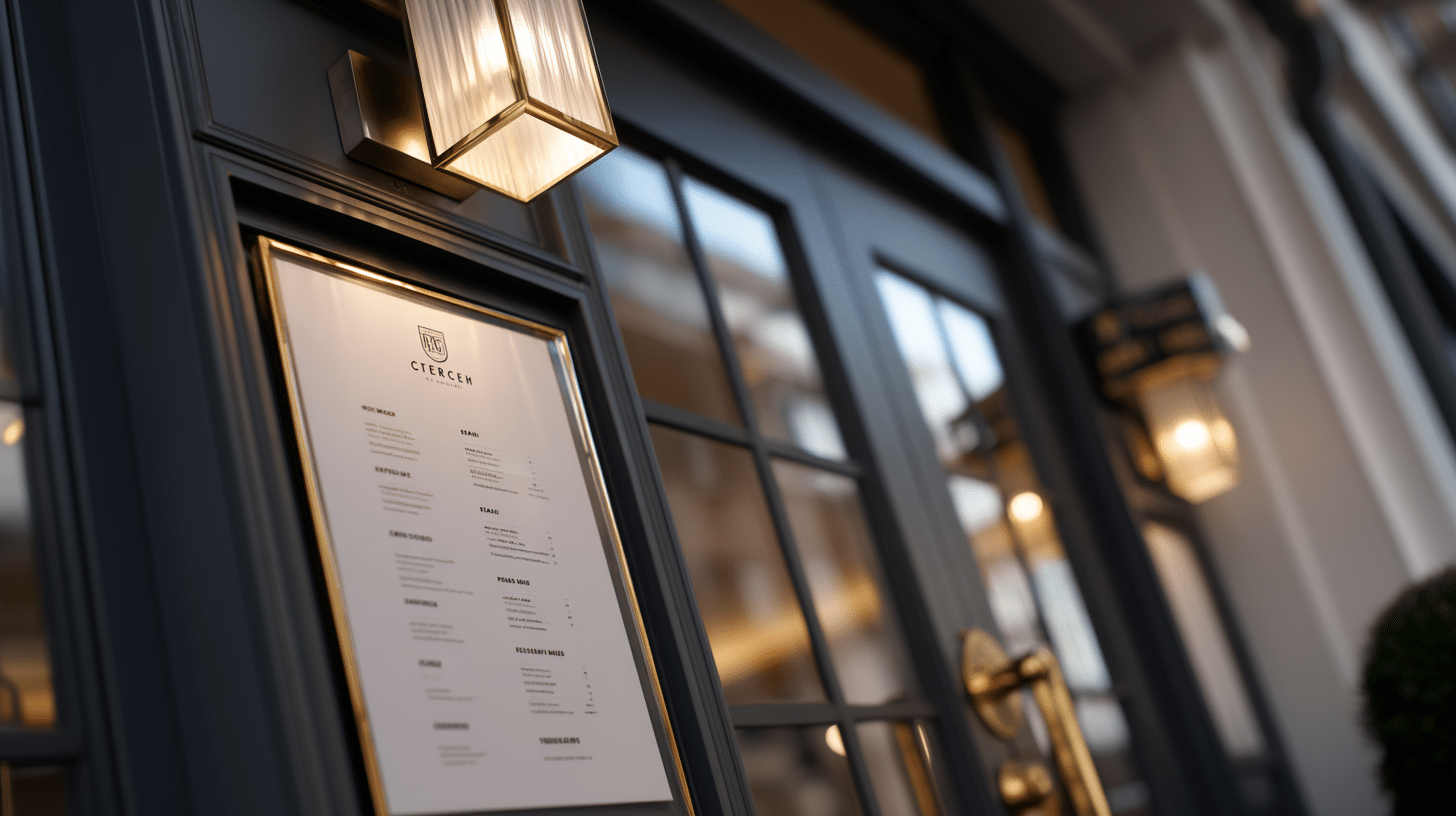
People decide fast, so signage design must be legible, well-lit, and tidy. Clear door signage, a glare-free menu display, and a branded entrance panel reduce friction. When guests get the key facts—name, hours, price signals—your restaurant entrance ideas convert curiosity into confident entry.
Door Signage and Menu Display That Convert Walkers
Place core info at eye level near the handle: name, hours, and a three-word promise such as “Wood-fired, local, late.” Use high-contrast type that guests can read from a moving car. These restaurant entrance ideas boost recognition during commutes and make your welcoming restaurant front easy to choose.
Design the menu case like a product shelf. Use a narrow border, anti-glare cover, and one top-down sconce. Place crowd-pleasers where eyes land first: top left for signature dishes and bottom right for desserts. Because layout nudges attention, your case silently supports the host.
Keep the paper fresh. Print short runs, update prices when vendors change, and stamp the date in the footer. Nothing erodes trust faster than scratched-out items. With a clean case, your restaurant entrance ideas feel reliable and inviting.
- Readable fonts at 18–22 pt for menu snippets
- One highlight box for “Tonight’s Special”
- QR code that opens a mobile-friendly menu
Outdoor Lighting and Ambient Lighting for Visibility
Light is a sales tool at the door. Warm LEDs (around 2700–3000K) flatter faces and food, while a gentle halo on your logo improves recall. When you layer backlit signage, a focused sconce for the menu, and soft ambient lighting for the threshold, your restaurant entrance ideas work after sunset as well as at noon.
Test visibility from three distances: across the street, half a block, and inside a car at 30 km/h. If guests can read with a glance, you’ve nailed it. Because you will replace bulbs, keep spare lamps labeled and stored at the host stand to avoid dark gaps.
Hide wiring and pick weather-rated fixtures. Use matte finishes to reduce glare on glass doors. Clean lenses during pre-shift like you wipe wine glasses. With consistent shine, your restaurant entrance ideas feel premium every night.
Branded Entrance Consistency From Street to Seat
Brand repetition builds trust. Echo your palette on door mats, repeat a pattern on the frame, and add a discreet logo decal at eye level. These restaurant entrance ideas tie the exterior to the dining room, so guests feel oriented and calm.
Match tone to concept. A playful brunch spot might use hand-drawn arrows and quirky icons, while a fine dining room relies on etched brass and linen-white enamel. Because contrast aids legibility, test every color pair in daylight and at dusk before final install.
Document your rules in a short brand kit for the host team: placement diagrams, type sizes, cleaning cadence, and a seasonal swap checklist. When every shift follows the same play, your welcoming design never drifts.
Welcoming Design From Threshold to Hostess Station
The first ten feet can make or break a visit. Effective restaurant entrance ideas reduce confusion, set tempo, and offer small comforts. When the entryway décor, waiting area design, and hostess station work as one, the greeting feels effortless.
Entryway Décor and Waiting Area Design That Calm the Rush
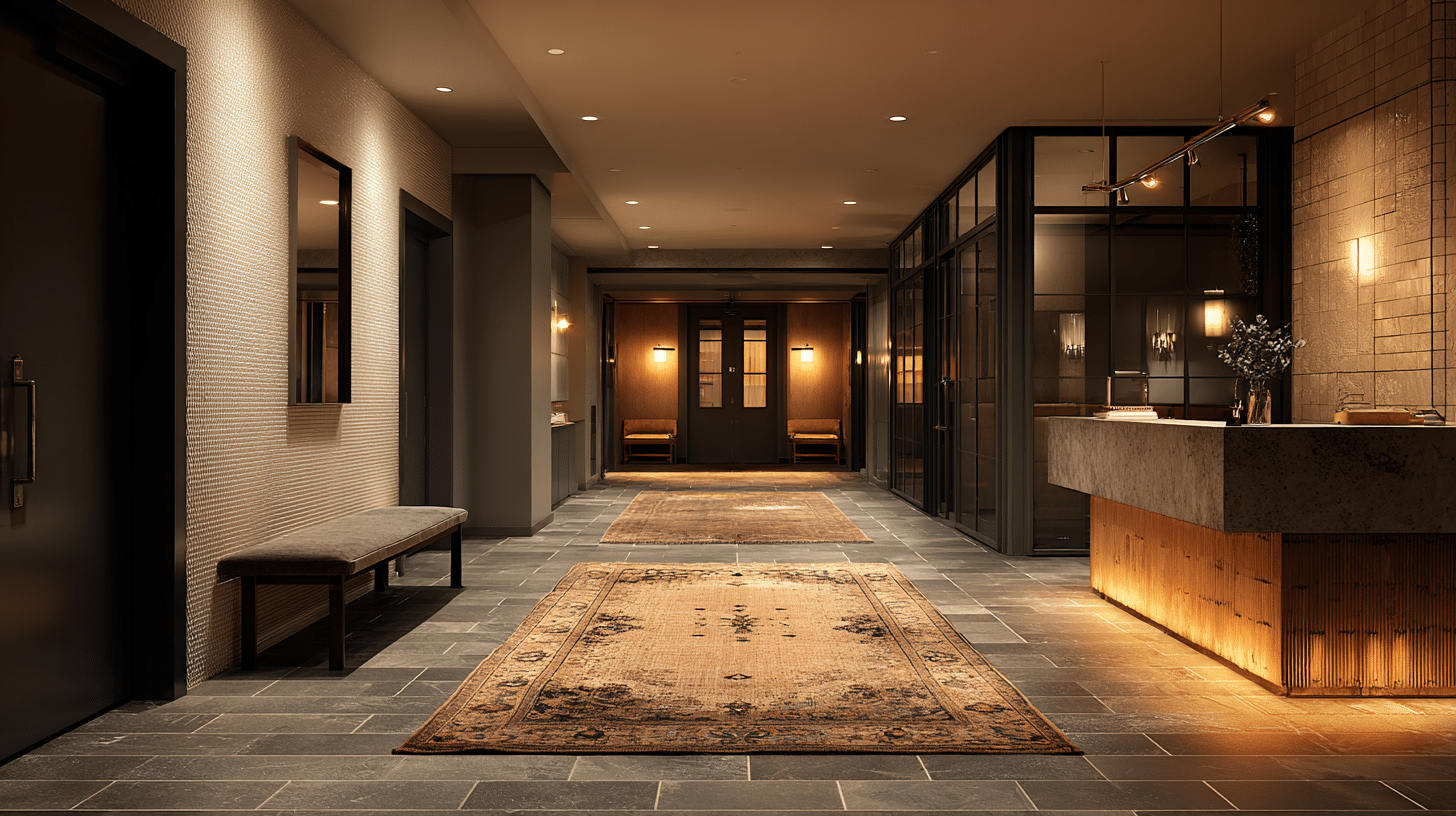
Treat the entry like a decompression zone. Lay a warm rug, hang one focal art piece, and add a slim bench. These restaurant entrance ideas encourage guests to pause, breathe, and switch into dining mode.
Offer tiny comforts that punch above their size. Place an umbrella stand, a tidy coat rail, and a carafe of water with cups. Because you remove small hassles, guests feel cared for long before they see their table.
Design a compact waiting nook that doubles as a pre-order zone. Mount a framed QR code near eye level, and keep a small console with menus and mints. With this setup, your restaurant entrance ideas turn waiting into anticipation, not frustration.
- Seat-height bench: 45–48 cm
- Clear path width: 90 cm minimum
- Non-slip rug pad under the entry mat
Hostess Station Placement, Scripts, and Flow
Place the station in a direct sightline from the door. A small lamp, a smile, and a clean counter communicate order. Because guests crave clarity, these restaurant entrance ideas cut wandering and speed up greetings.
Keep tools minimal and ready: a tablet with the waitlist, two pens, reservation cards, and a handheld POS for deposits on large parties. Label drawers so even new staff find items in seconds. As a result, the line moves even during a surprise surge.
Use simple scripts to set expectations and reduce repeat questions. Try: “Welcome in! Name or walk-in? Current wait is 15 minutes. Would you like to scan the menu while we prepare your table?” With short, warm prompts, your restaurant entrance ideas feel human and precise.
Accessibility Features That Serve Everyone
Inclusive design earns loyalty. Install a ramp at the right slope, use lever-style handles, and bevel the threshold. These restaurant entrance ideas help guests roll, stroll, and step through the door with confidence.
Boost navigation with contrast and texture. Mark edges with tone changes, print signs in high-contrast fonts, and lay a textured mat before the hostess station. Because wayfinding reduces stress, the whole room feels friendlier.
Train the team. Offer help, wait for consent, and follow the guest’s lead. Keep one low table in the plan for mobility devices. When design and behavior align, your welcoming design turns first-time visitors into regulars.
Traffic Flow, Safety, and Sensory Cues at the Door
Great restaurant entrance ideas guide people without signs shouting at them. Use subtle barriers, smart mats, and sensory cues so guests know where to queue and where to step. When movement feels obvious, stress melts and hospitality rises.
Queue Management and Clear Sightlines
Define the line with planters, rope stanchions, or a row of contrasting tiles. Bend the queue so waiting guests see the bar or a peek at the kitchen—visual entertainment shortens perceived time. With clear lines, your restaurant entrance ideas keep the door free and the vibe upbeat.
Give the host a clear view of the sidewalk and the last table in the first row. Avoid tall displays near the station that block eye contact. Because you protect sightlines, handoffs happen fast and smiles travel farther.
Add a small monitor by the door that shows the live waitlist and quoted times. Guests check once and relax. As a result, your team answers fewer “How much longer?” questions and maintains calm energy.
Weather Protection, Mats, and Slip Safety
Comfort starts outside. Install an awning or canopy to shade summer heat and shed winter rain. Print a small logo on the valance to extend your branded entrance. These restaurant entrance ideas protect guests and protect floors.
Use a two-mat system: a scraper mat outside to catch grit and a plush absorbent mat inside to grab moisture. Swap and vacuum on a schedule. Because dry floors prevent slips, you reduce incidents and keep energy high.
Stage a discreet “wet floor” sign only when needed, and store mops and a fan within reach of the threshold. Quick response beats big warnings. With this kit ready, your restaurant entrance ideas stay safe without feeling clinical.
Music, Scent, and Ambient Lighting Cues
Sound shapes pace. Use a lively playlist before the rush to keep lines moving and a warmer tempo later to invite lingering. Because tempo nudges behavior, these restaurant entrance ideas help the room breathe with service waves.
Keep scent honest and subtle. Let real cooking lead: citrus at brunch, toasted spice by a tandoor window, or grill smoke on burger night. Avoid heavy sprays that feel artificial. When aroma whispers rather than shouts, guests lean in.
Match ambient lighting to the moment. Brighter for lunch, softer for dinner, with no harsh glare on glass doors. Clean lenses and dimmers nightly. With the senses aligned, your welcoming design feels intentional and kind.
Patio Seating and Streetfront Experiences That Attract
Sidewalk tables act like live ads. Happy faces, clinking glasses, and quick service sell the experience better than any poster. When you plan patio seating with comfort and flow, your restaurant entrance ideas turn passersby into guests.
Patio Zoning, Barriers, and Server Efficiency
Divide the patio into zones: an entry lane, a two-top row, and one flexible table for six. This layout keeps servers moving smoothly without bumping chairs. With clear routes, your restaurant entrance ideas protect both vibe and velocity.
Choose barriers that feel friendly. Low planters, wind screens, or half-rails create a boundary without boxing people in. Add rubber feet to chairs to reduce scraping noise and to protect concrete. Because comfort includes sound, the patio reads relaxed.
Set a small side-stand outside with water, napkins, and a handheld POS. Guests get refills and checks faster, and servers save steps. As a result, the patio feels looked-after, and your restaurant entrance ideas convert browsers into fans.
Heat, Shade, and All-Season Comfort
Provide layered shade with retractable umbrellas or a pergola. Angle coverage to block afternoon sun without killing sky views. These restaurant entrance ideas keep tables in play during hot spells.
Use radiant heaters in cool months, mounted safely and spaced evenly. Store clean lap blankets in a basket with a “Freshly Laundered” tag to remove hesitation. When guests stay warm, they stay for dessert.
Add misting fans on the hottest days and a “cool corner” sign that becomes a magnet at noon. Stock chilled water at the side-stand so servers never scramble. With climate-smart moves, your restaurant entrance ideas extend patio season and lift average checks.
Takeout Pickups and Delivery Coordination
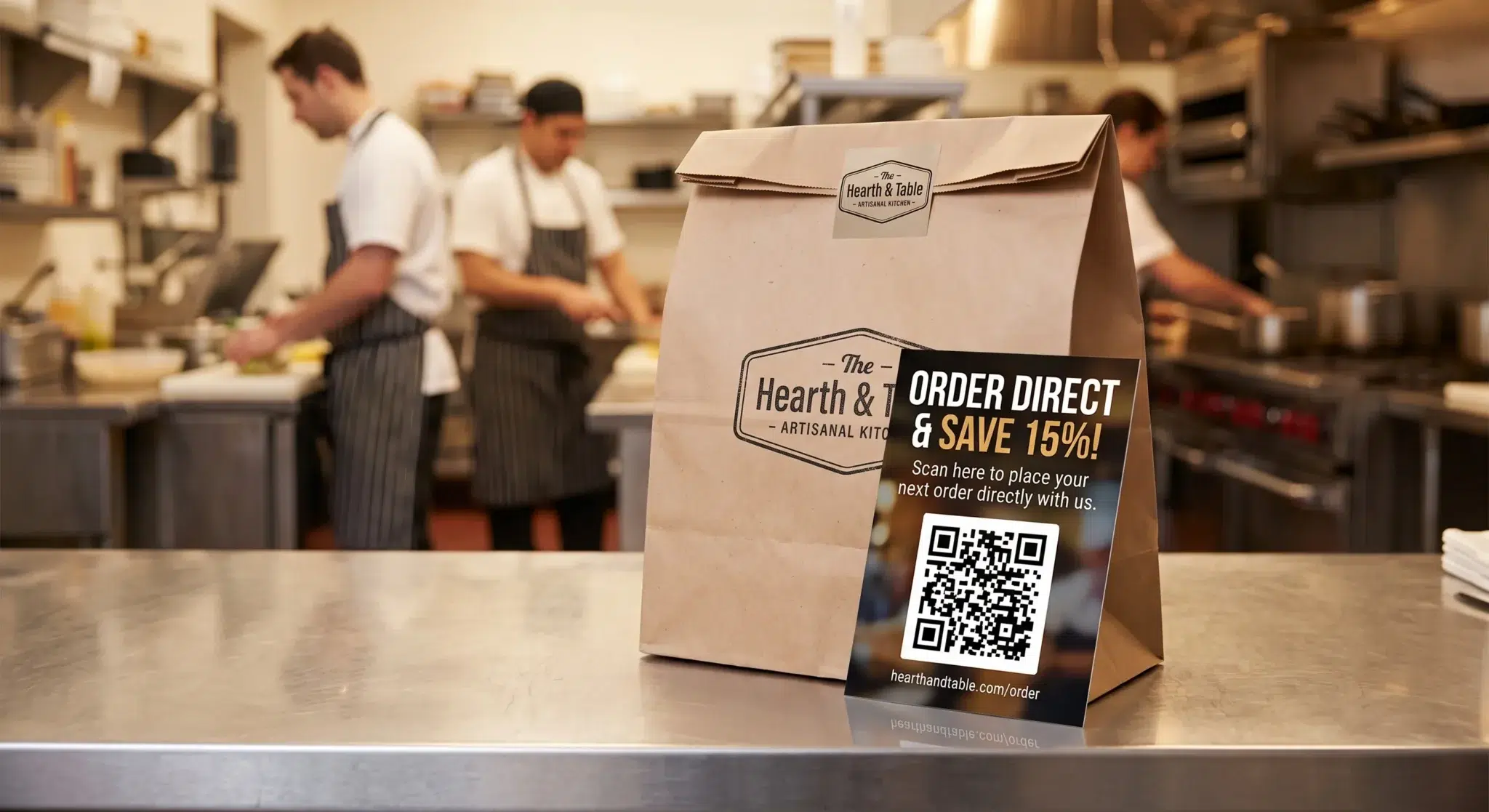
Separate dine-in and pickup paths. Place a labeled pickup shelf just inside the door or beside the window, and paint a small floor arrow for couriers. These restaurant entrance ideas prevent bottlenecks and protect the greeting zone.
Use large, readable labels with guest names and pickup times. Keep a handheld device at the hostess station so staff can mark orders “out” without leaving the front. Because handoffs stay clean, both diners and drivers feel respected.
During peak times, set a doorbell labeled “Pickup” and train a runner to assist during rushes. The host keeps eyes forward while the runner handles bags. With this play in place, your restaurant entrance ideas stay calm even on Friday nights.
Optimize With Data: Test, Measure, and Improve
Creativity wins attention, yet measurement turns wins into systems. Treat your restaurant entrance ideas like menu items: test, refine, and document. When you track what guests notice and how they respond, improvements stack into durable revenue.
Measure First Impressions With Simple KPIs
Pick a few metrics: walk-in conversion rate, average wait accuracy, and patio seat fill. Count the number of people who glance and enter during a 15-minute window at lunch and dinner. These restaurant entrance ideas show whether curb appeal and signage actually move bodies through the door.
Log quick interviews: “What made you stop?” Tally answers for one week after each décor change. If “lighting” or “menu case” pops, you’ve found a lever worth tightening. Because you close the loop, your next change carries less risk.
Create a front-door scorecard for pre-shift: clean glass, bright bulbs, centered mat, stocked water, and tidy menu. When the list takes three minutes to complete, it gets done daily. As a result, entrance aesthetics stay high even on busy days.
A/B Testing Signage, Décor, and Lighting
Test one variable at a time for a clear read. Alternate two menu case layouts over two weekends or swap a warm sconce for a cooler one for three nights. These restaurant entrance ideas reveal which micro-tweaks lift walk-in conversion.
Run A/B themes by week, not by day, so weather and events don’t skew results. Keep notes on photos taken, social tags, and “We saw your entrance!” comments. Because you document, patterns jump off the page.
When a variant wins, lock it into your playbook with measurements, fixture SKUs, and cleaning steps. Share before-and-after photos in a crew chat so the team sees the why. With clarity, your restaurant entrance ideas scale from one store to many without dilution.
Staff Playbooks and Five-Minute Front Checks
Write a two-page playbook for the host team: open checklist, mid-shift reset, and close. Include photo references for planter placement, menu case spacing, and queue markers. These restaurant entrance ideas remove guesswork and raise the floor for every shift.
Schedule five-minute front checks on the hour during peak windows. Hosts wipe glass, straighten mats, and confirm the waitlist screen shows accurate ETAs. Because small resets prevent big problems, the door feels calm even when the kitchen roars.
Celebrate wins. Share a weekly “Entrance MVP” shout-out and track the best-looking threshold photo. Friendly competition keeps standards high. With culture behind the craft, your welcoming design becomes a signature advantage.
Where Biyo POS fits: Biyo POS supports these restaurant entrance ideas with a live waitlist, QR menus at the door, handheld ordering on the patio, and clear table-status dashboards. Your host quotes precise ETAs, servers close checks outside without leaving guests, and managers watch walk-in conversion trend by night. With those tools, you turn first impressions into full tables—fast.
FAQ: Restaurant Entrance Ideas
What are three quick wins I can do this week?
Swap in a glare-free menu case, add two warm sconces, and refresh planters with a bold color band. These restaurant entrance ideas take less than a day, yet they boost curb appeal right away.
How do I keep signage readable after dark?
Layer light: backlit logo, a top-down sconce on the menu, and soft ambient lighting at the threshold. Clean lenses nightly. With this trio, your restaurant entrance ideas stay legible and inviting.
Can glass doors reduce privacy for diners?
Angle seating away from the sightline, add a subtle film to cut glare, and use a darker interior mat for contrast. People still feel cozy while your restaurant entrance ideas remain open and welcoming.
What’s the best way to manage delivery drivers?
Create a labeled pickup shelf and a short painted arrow to it. Keep a handheld at the hostess station to mark orders “out.” These restaurant entrance ideas keep the dine-in line clear and the entry calm.
How can I measure if the entrance changes are working?
Track walk-in conversion, wait accuracy, and patio fill. Ask new guests what caught their eye. When numbers and comments improve, your restaurant entrance ideas are paying off.