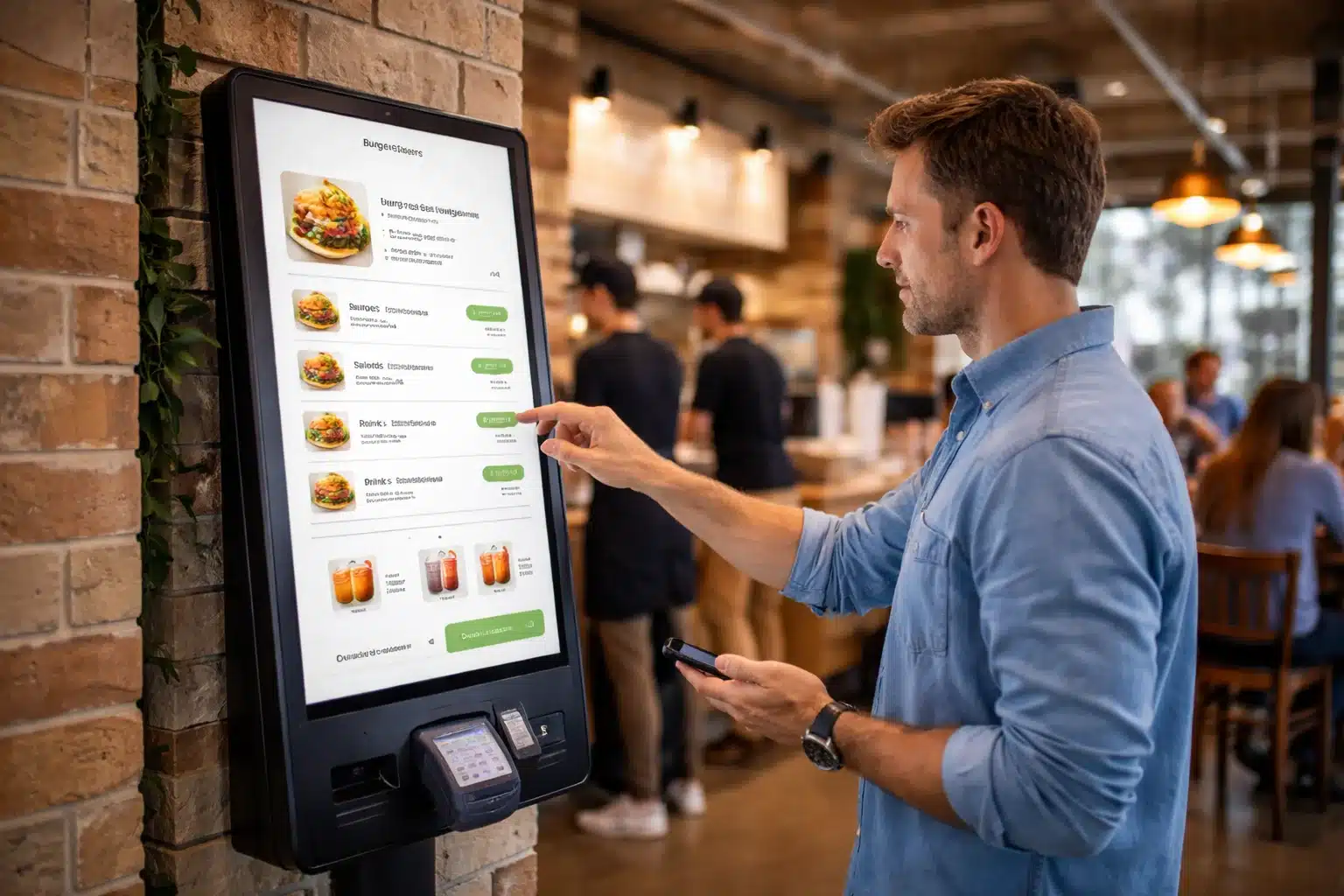
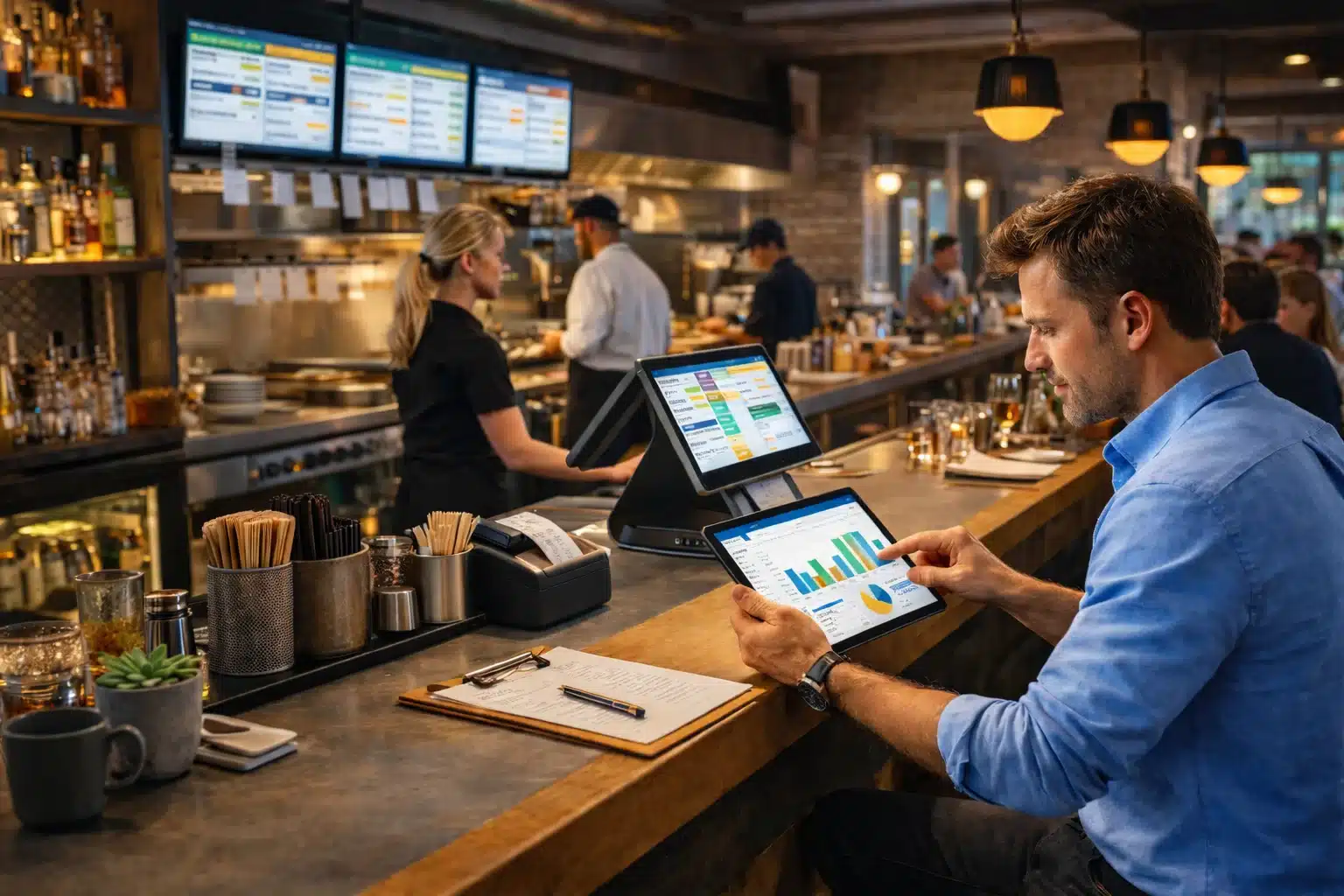
Opening a second or third location feels exciting. Sales go up, brand visibility grows, and customers multiply. However, many owners learn the hard way that growth can quietly destroy profits. You might see more revenue, yet somehow less cash in the bank. That happens because scaling without structure creates chaos. This is exactly why Scaling to Multiple Locations Without Losing Financial Control becomes the difference between smart expansion and slow financial collapse.
As you add stores, small problems multiply fast. One location miscounts cash. Another over-orders inventory. A third has labor costs that creep too high. Meanwhile, you spend your day chasing numbers instead of leading strategy. Therefore, you must treat financial systems as seriously as marketing or product quality. Expansion without control is not growth. It is just expensive busyness.
In this guide, you will learn how Scaling to Multiple Locations Without Losing Financial Control requires centralized POS tools, consolidated data, and simple daily oversight. You will see how modern systems help you compare locations, stop leaks, and make decisions faster. If you want growth that actually increases profit, keep reading.
Table of Contents
- Why Growth Gets Messy Fast
- Centralized Data Is the Backbone
- Standardizing Store-Level Processes
- Real-Time Visibility and Reporting
- Building a Scalable Tech Stack
- How Biyo Helps Multi-Location Operators
- FAQ
Why Growth Gets Messy Fast
Before diving into tools and systems, you need to understand why scaling breaks so many businesses. The risk is not laziness. The risk is complexity. Every new location multiplies decisions, staff, and expenses. Without structure, that complexity overwhelms you. That is why Scaling to Multiple Locations Without Losing Financial Control must start with awareness of common pitfalls.
Data Silos Between Locations
When each store runs its own spreadsheets or separate software, you create data silos. Managers send reports by email. Numbers arrive late or incomplete. Consequently, you never see the full picture in real time. You are guessing instead of managing.
These silos make comparisons impossible. One store tracks discounts differently. Another logs refunds in another way. Therefore, totals look similar even when performance is very different. You lose clarity at the exact moment you need it most.
To succeed at Scaling to Multiple Locations Without Losing Financial Control, you must eliminate isolated systems. Every location should feed into one shared source of truth. Without that, expansion only hides problems deeper.
This leads directly into the next issue that growing operators face.
Inconsistent Reporting Methods
Many owners let each manager “do things their way.” At first, that feels flexible. However, it quickly turns into confusion. Reports use different formats and definitions. As a result, numbers do not line up.
For instance, one manager counts online orders separately while another includes them in daily sales. Meanwhile, labor hours might get tracked weekly in one store and daily in another. You cannot compare apples to apples. You compare guesses to guesses.
Therefore, Scaling to Multiple Locations Without Losing Financial Control demands standardized reporting rules. Everyone must measure the same metrics the same way every day. Consistency creates clarity, and clarity protects profit.
Once reporting breaks, decision-making slows too.
Delayed Financial Decisions
When you wait for end-of-week or end-of-month reports, you react too late. Problems compound daily. A slow leak becomes a flood. Therefore, speed matters more than perfection.
Imagine discovering a pricing error after thirty days. You already lost thousands. If you had real-time data, you could fix it within hours. That difference alone often pays for better systems.
Owners who focus on Scaling to Multiple Locations Without Losing Financial Control rely on daily or even hourly dashboards. Fast feedback lets you correct mistakes before they grow.
 Centralized Data Is the Backbone
 Centralized Data Is the Backbone
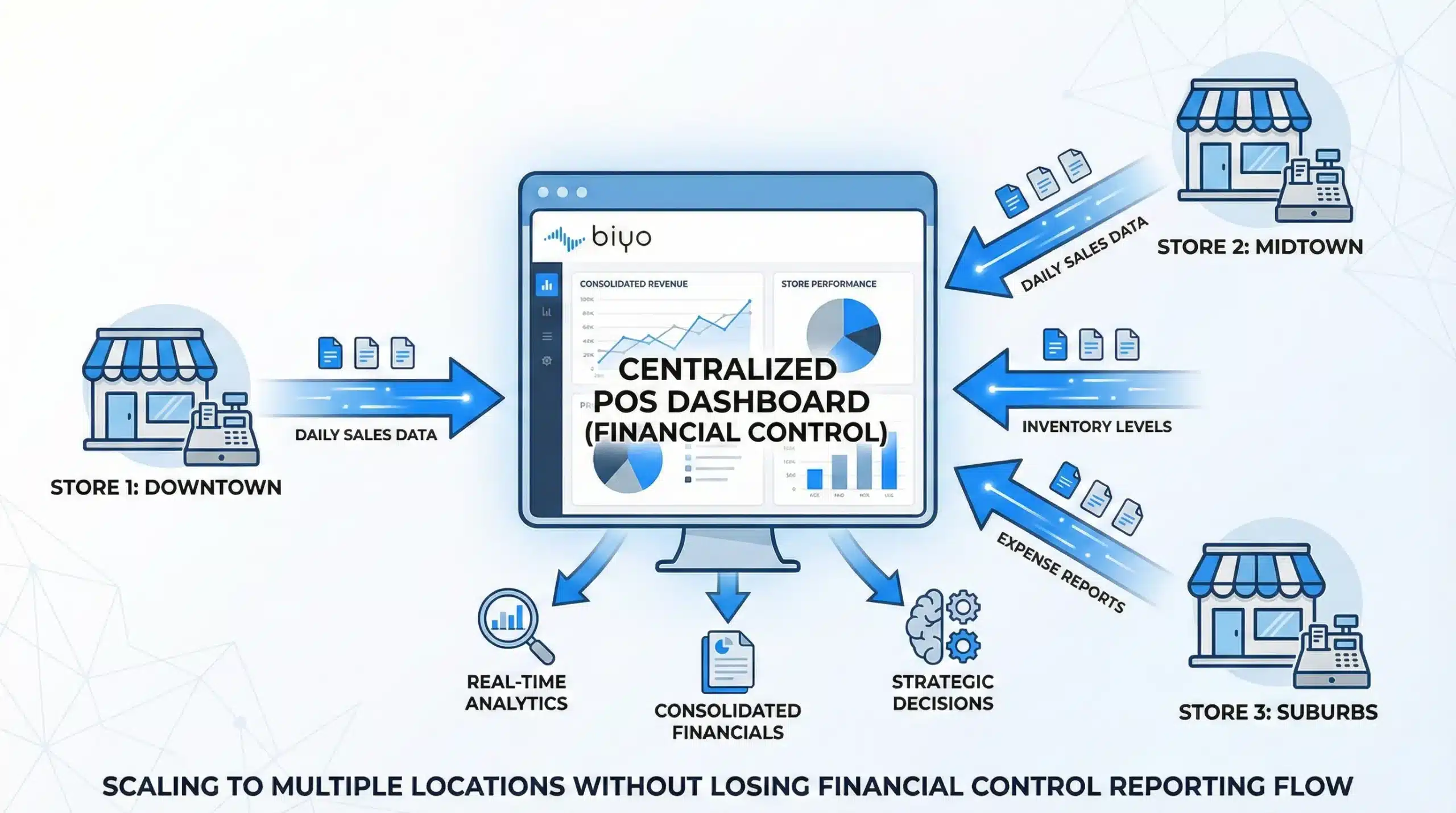
If growth creates complexity, centralized data reduces it. Instead of chasing numbers across stores, you bring everything into one place. Therefore, your brain focuses on strategy rather than detective work. Centralization forms the foundation of Scaling to Multiple Locations Without Losing Financial Control.
Consolidated Financial Dashboards
A consolidated dashboard shows every location at a glance. You can see revenue, costs, and profit side by side. Consequently, weak stores stand out immediately. You stop guessing which site needs attention.
With one screen, you compare yesterday’s sales across all locations. You notice trends faster. For instance, one store might show higher labor cost percentages. You step in before margins disappear.
These dashboards make Scaling to Multiple Locations Without Losing Financial Control realistic. Instead of juggling reports, you manage from a single command center.
Once numbers live together, tracking expenses becomes easier too.
Centralized Expense Tracking
Expenses often hide more profit leaks than sales issues. Supplies, small purchases, and vendor differences add up quickly. However, scattered receipts make tracking nearly impossible.
When every store logs expenses into the same system, patterns appear. You notice that one location spends more on waste. Another overpays vendors. Therefore, you negotiate better deals and standardize ordering.
Clear expense data supports Scaling to Multiple Locations Without Losing Financial Control because you finally see where money truly goes. Visibility creates discipline.
After expenses, cash flow deserves attention.
Cash Flow Oversight
Growth often creates tight cash flow. Rent, payroll, and inventory hit before revenue stabilizes. Therefore, you must monitor daily cash movement closely.
Centralized oversight shows which stores generate cash and which consume it. You shift resources smartly instead of blindly funding losses. As a result, healthy locations support weaker ones while improvements happen.
This level of control makes Scaling to Multiple Locations Without Losing Financial Control practical rather than stressful. You operate with confidence instead of fear.
Standardizing Store-Level Processes
Technology alone will not fix chaos. People and processes matter just as much. Even the best software fails if teams use it differently. Therefore, operational standards support Scaling to Multiple Locations Without Losing Financial Control.
Unified Accounting Rules
Every store must follow identical accounting practices. Refunds, discounts, and voids should use the same codes. That consistency ensures accurate reporting.
When teams follow shared rules, data becomes reliable. You stop questioning numbers. Instead, you trust them. That trust speeds up decisions dramatically.
Clear accounting standards protect your effort in Scaling to Multiple Locations Without Losing Financial Control because clean data leads to clean insights.
Next comes labor control.
Labor Cost Management
Labor often eats the largest portion of revenue. Therefore, even small inefficiencies hurt profits. Without rules, schedules grow bloated fast.
Set target labor percentages for each location. Track hours through the POS. Managers then adjust shifts based on real sales. Consequently, staffing matches demand more closely.
This discipline helps you achieve Scaling to Multiple Locations Without Losing Financial Control because payroll stays predictable and aligned with revenue.
Inventory control matters just as much.
Inventory Standardization
Different ordering habits create waste. One manager overbuys while another runs out of stock. Both hurt profit. Therefore, standard par levels and suppliers simplify operations.
Central systems track usage automatically. You know exactly what sells and what sits. As a result, you cut slow items and focus on winners.
Smart inventory practices strengthen Scaling to Multiple Locations Without Losing Financial Control by preventing shrinkage and freeing up cash.
Real-Time Visibility and Reporting
Delayed information equals delayed action. Growing brands need live insights. Therefore, real-time reporting completes the puzzle of Scaling to Multiple Locations Without Losing Financial Control.
Location Performance Comparison
Side-by-side comparisons reveal truths quickly. You see which stores outperform and which struggle. That clarity helps you coach managers effectively.
Instead of blaming the market, you analyze numbers. Maybe one store converts more upsells. You replicate that tactic elsewhere. Consequently, performance rises across the board.
These comparisons make Scaling to Multiple Locations Without Losing Financial Control data-driven rather than emotional.
Alerts also help prevent surprises.
Automated Alerts for Problems
Good systems notify you when something looks wrong. For example, sudden drops in sales or spikes in voids trigger alerts. Therefore, you investigate immediately.
This proactive approach saves money daily. You stop losses early instead of discovering them weeks later. Small corrections protect margins.
Alerts support Scaling to Multiple Locations Without Losing Financial Control by turning your system into an early warning mechanism.
Finally, you need simple daily habits.
Daily Financial Check-Ins
Even with dashboards, you must review numbers daily. Spend ten minutes checking revenue, labor, and expenses. Consistency beats complexity.
These small reviews create accountability. Managers know performance gets noticed. Consequently, they stay focused on results.
Daily discipline ensures Scaling to Multiple Locations Without Losing Financial Control remains an ongoing habit, not a one-time setup.
Building a Scalable Tech Stack
Without the right tools, everything above becomes manual and painful. Therefore, your technology stack should simplify control, not complicate it. Smart software plays a central role in Scaling to Multiple Locations Without Losing Financial Control.
Centralized POS Management
A cloud-based POS connects every store instantly. Sales, inventory, and staff data sync automatically. You access everything from one login.
This eliminates manual uploads. Managers focus on service instead of paperwork. Meanwhile, you get live visibility across locations.
That efficiency directly supports Scaling to Multiple Locations Without Losing Financial Control because information flows without friction.
Integration matters too.
Integrated Accounting and Payments
Disconnected systems create errors. Integrated accounting and payments reduce double entry. Therefore, reconciliation becomes faster and cleaner.
When your POS talks directly to accounting software, reports stay accurate. You avoid surprises at month end. Confidence increases.
Integrated tools make Scaling to Multiple Locations Without Losing Financial Control simpler and less stressful.
Finally, scalability matters.
Easy Expansion Capabilities
Opening new stores should feel easy. Add a location in minutes, not weeks. Good systems allow quick setup with templates.
Standard menus, pricing, and settings copy instantly. Consequently, new stores launch smoothly. Training also becomes faster.
This flexibility ensures Scaling to Multiple Locations Without Losing Financial Control remains sustainable as you grow.
How Biyo Helps Multi-Location Operators Stay in Control
 How Biyo Helps Multi-Location Operators Stay in Control
Biyo POS gives you the structure needed for Scaling to Multiple Locations Without Losing Financial Control. The platform centralizes reporting, inventory, payments, and staff management into one dashboard. Therefore, you stop chasing spreadsheets and start making confident decisions.
With real-time analytics, consolidated data, and location comparison tools, Biyo helps you spot weak points quickly. You track performance daily, reduce waste, and improve margins across every store. That visibility turns growth into profit, not chaos.
If you want to see how it works, schedule a demo here: https://biyopos.com/schedule-call/. Ready to get started right away? Sign up here: https://signup.biyo.co/.
FAQ
Why do profits drop when adding more locations?
Costs and complexity increase faster than revenue. Without centralized data and controls, small inefficiencies multiply and reduce margins.
How does a POS help financial control?
A modern POS centralizes sales, expenses, inventory, and labor into one system. That visibility makes tracking and decision-making easier.
How often should I review multi-location reports?
Daily checks work best. Quick reviews help you catch issues early and protect profits consistently.