Boba tea, also known as bubble tea, is more than just a trendy beverage—it’s a global cultural experience. With its chewy tapioca pearls, wide variety of bases, and endless customizations, it has captured the hearts of millions. The real excitement comes from exploring the diverse range of boba flavors. Whether you crave something creamy, fruity, or exotic, there’s a flavor that suits every mood and personality. In this guide, we’ll dive into the most popular boba flavors, their unique qualities, and why they continue to be loved worldwide.
Table of Contents
- Classic Creamy Flavors
- Fruity Delights
- Unique and Exotic Options
- Tea-Based Boba Varieties
- Dessert-Inspired Boba Flavors
- Biyo POS and the Boba Business
- FAQ
Classic Creamy Flavors
Many people are first introduced to bubble tea through its creamy varieties. These boba flavors provide a comforting richness that blends milkiness with sweetness. They are timeless and widely loved, making them a cornerstone of any boba shop menu.
Taro Milk Tea
Taro milk tea is famous for its pastel purple hue and nutty, vanilla-like taste. The taro root, a starchy vegetable, gives this drink a naturally creamy texture and slightly earthy sweetness. Its unique flavor profile feels indulgent without being overwhelming, which is why it has become a worldwide classic.
The versatility of taro makes it even more appealing. It can be enjoyed both hot and iced, catering to seasonal cravings. For example, in colder months, a warm taro milk tea feels cozy, while during summer, an iced version offers refreshment. Toppings like coconut jelly or tapioca pearls enhance the experience by adding extra layers of texture.
Many cafés innovate by blending taro with other boba flavors such as coconut milk tea or chocolate boba. These creative fusions bring new life to the traditional drink and attract adventurous customers. As a result, taro milk tea continues to be a staple that bridges familiarity with novelty.
Matcha Green Tea
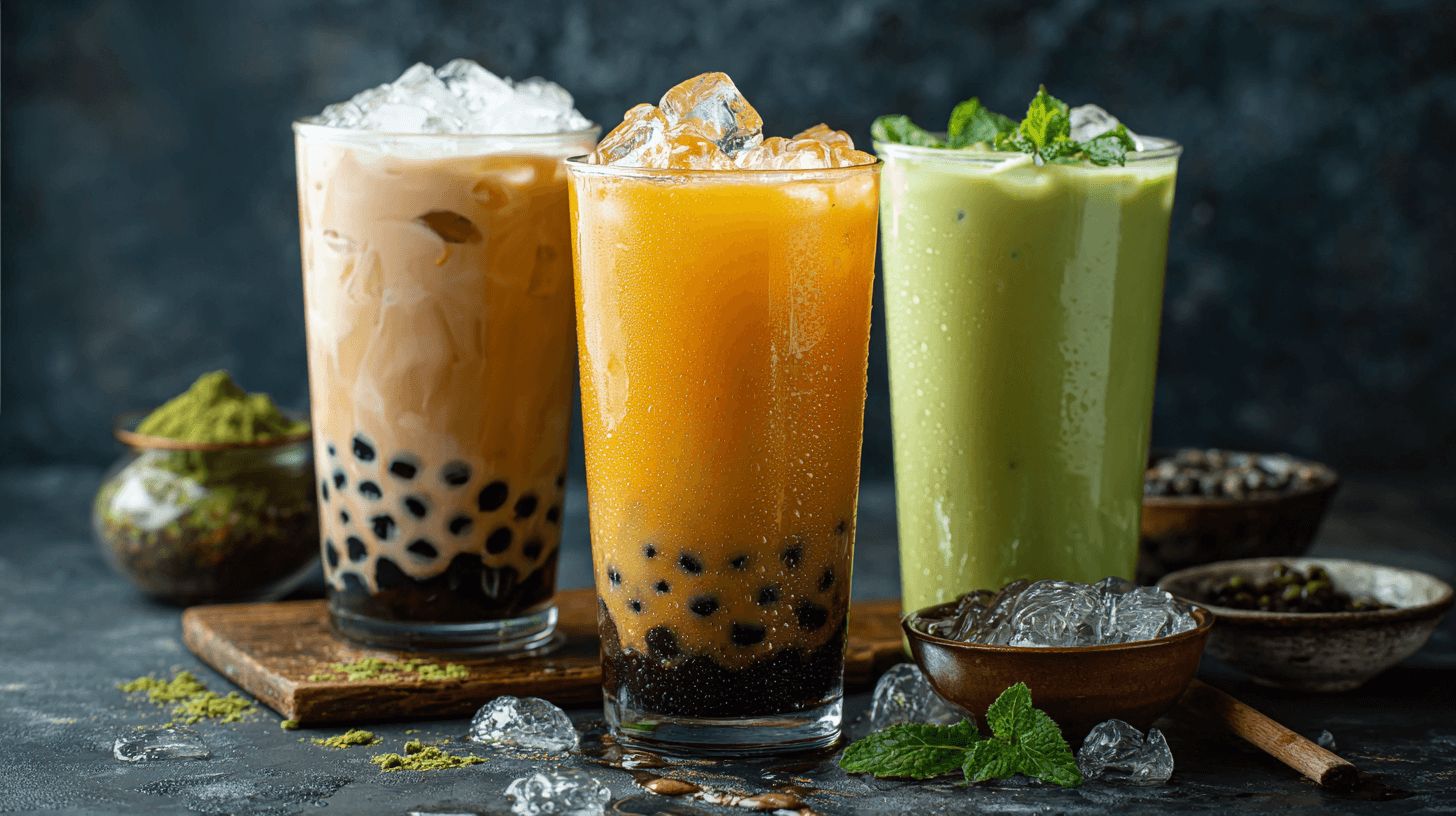
Matcha green tea boba offers a rich, earthy taste with a slight bitterness that pairs beautifully with milk. Originating from Japanese tea culture, matcha is ground green tea leaves whisked into a vibrant powder. Its bold flavor creates a striking contrast with the sweetness of milk and tapioca pearls.
What sets matcha apart is its health appeal. Packed with antioxidants and vitamins, it provides a slow-release caffeine boost that energizes without jitters. Students and professionals alike often choose matcha boba as a balanced way to stay alert. In addition, its bright green color makes it visually appealing and Instagram-worthy.
Shops frequently experiment with matcha by combining it with fruit-based flavors such as lychee or mango fruit tea. These creative mixes highlight matcha’s versatility while offering refreshing twists. Because of its unique balance of flavor and health benefits, matcha green tea boba is here to stay.
Brown Sugar Boba
Brown sugar boba has become an international sensation. Known for its dramatic “tiger stripe” presentation, it features streaks of caramelized syrup that make every cup look like art. Unlike traditional milk tea, brown sugar boba is often made with fresh milk, allowing the syrup’s rich flavor to shine.
The pearls themselves are the highlight of this drink. Cooked in the same syrup, they absorb the sweetness and deliver a chewy, caramel-like texture. Every sip blends creamy milk with warm, toffee-like notes, creating a decadent experience. This consistent richness has made it a customer favorite around the globe.
To elevate the experience, shops often top brown sugar boba with cheese foam or combine it with coffee milk tea. These variations appeal to customers who want luxury in a cup. Thanks to its indulgent flavor and striking appearance, brown sugar boba has earned its spot as one of the most iconic boba flavors worldwide.
Fruity Delights
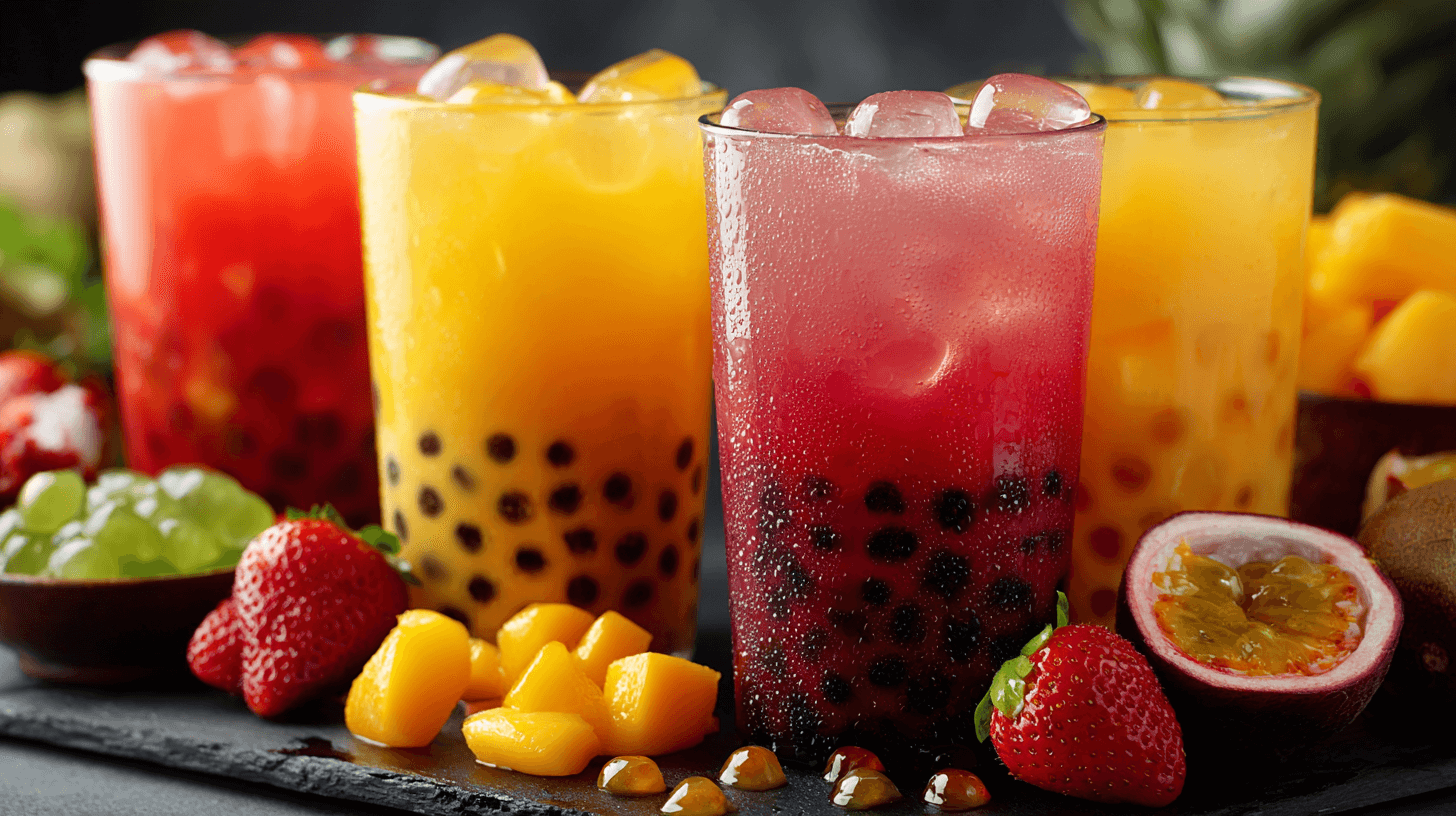
Boba doesn’t always have to be creamy—fruit-based options are just as popular. These drinks bring refreshing, tangy, and juicy flavors that feel lighter and more energizing. They are especially popular during hot weather when customers crave something thirst-quenching yet flavorful.
Strawberry Boba
Strawberry boba captures the nostalgic taste of sweet, ripe strawberries. Shops often use real puree, which creates a fresh and natural flavor that stands out compared to artificial syrups. Combined with milk or green tea bases, the result is a charming pink drink that appeals to both kids and adults.
The drink is extremely flexible. It pairs well with toppings like lychee jelly or popping pearls, which add bursts of flavor and fun. In addition, strawberry blends harmoniously with other fruity flavors such as peach fruit tea or mango fruit tea. This makes it a versatile option that never goes out of style.
Strawberry’s appeal also comes from its emotional connection. Many people associate the flavor with childhood treats like strawberry milk or candy. That sense of familiarity, paired with its refreshing taste, ensures strawberry boba’s popularity endures.
Mango Fruit Tea
Mango fruit tea brings tropical sunshine into every sip. Made with ripe mangoes, it offers a sweet yet slightly tangy flavor that feels vibrant and energizing. Unlike heavy milk teas, mango fruit tea is light, making it the perfect option for summer refreshment.
Its adaptability makes it a menu essential. Aloe vera, coconut jelly, or passion fruit popping pearls pair wonderfully with mango, enhancing both taste and texture. For example, mango paired with coconut creates a tropical medley that customers can’t resist. As a result, it often becomes a seasonal bestseller.
Beyond its solo charm, mango fruit tea mixes well with other tropical flavors such as pineapple fruit tea or watermelon flavor. These combinations create layered, vacation-like drinks that encourage repeat visits. Mango fruit tea truly embodies the fun side of boba flavors.
Lychee Flavor
Lychee is a delicate and floral fruit that offers a refreshing sweetness. In bubble tea, it is often paired with jasmine green tea, creating a fragrant and elegant drink. Customers who prefer lighter, less sugary options often gravitate toward lychee flavor because of its subtle profile.
Toppings like lychee jelly or popping pearls enhance the experience by amplifying the fruitiness. Some shops also combine lychee with rose milk tea, producing a floral-fruity blend that feels sophisticated. This adaptability ensures it appeals to a wide variety of palates.
Lychee’s health-conscious appeal also sets it apart. Compared to richer milk teas, it feels lighter while still delivering a satisfying sweetness. This balance makes it a reliable choice for anyone seeking a refreshing alternative among boba flavors.
Unique and Exotic Options
Some boba flavors break away from the ordinary and provide adventurous taste experiences. These drinks introduce new textures, aromas, and fusions that surprise customers and keep menus exciting. Exotic options are perfect for curious drinkers who want more than the classics.
Thai Tea
Thai tea boba is bold, spiced, and unforgettable. With its iconic orange color, it offers a sweet and aromatic profile that sets it apart from traditional milk teas. Infused with spices like star anise and cardamom, the flavor is complex yet comforting.
The strong tea base blends beautifully with condensed milk, creating a rich and creamy texture. Tapioca pearls add a chewy bite that balances the drink’s indulgence. This makes Thai tea one of the most flavorful and satisfying boba options available.
Because of its distinct character, Thai tea appeals to adventurous drinkers looking for something beyond standard flavors. It has become a global favorite and continues to be a must-try option in any boba shop.
Coconut Milk Tea
Coconut milk tea provides a creamy yet tropical experience. Made with coconut milk instead of dairy, it caters to customers who are vegan or lactose-intolerant. Its naturally sweet and nutty profile pairs well with many other boba flavors, giving it wide appeal.
Pairing coconut with taro milk tea or pineapple fruit tea creates refreshing, layered drinks. For example, taro’s earthy notes contrast beautifully with coconut’s tropical sweetness, creating a drink that feels indulgent yet light. These combinations expand customer choices and keep menus exciting.
The smooth and silky texture of coconut milk tea enhances the overall boba experience. As plant-based diets grow in popularity, this drink has become a staple for modern cafés and health-conscious consumers.
Avocado Smoothie Boba
Avocado smoothie boba might sound unusual at first, but it delivers a creamy and satisfying experience. Avocado’s buttery texture makes it perfect for smoothies, and when paired with tapioca pearls, it creates a drink that feels more like a dessert.
To enhance the flavor, shops often add condensed milk, honey, or chocolate drizzle. These additions balance avocado’s mildness with sweetness, making it more approachable for new customers. As a result, avocado smoothie boba has carved out a niche for adventurous drinkers.
Its growing popularity shows that customers are open to innovative boba flavors. Avocado smoothie boba proves that bubble tea isn’t limited to traditional options and can evolve in exciting ways.
Tea-Based Boba Varieties
While toppings and syrups play a role, the tea base is what gives boba its foundation. Tea-based boba flavors emphasize the leaves themselves, creating drinks that highlight floral, fruity, or robust characteristics. These options attract tea lovers who appreciate subtlety and depth.
Jasmine Green Tea
Jasmine green tea boba is fragrant, floral, and soothing. Its delicate aroma comes from green tea leaves scented with jasmine blossoms. When combined with tapioca pearls, it delivers a refreshing drink that feels elegant and balanced.
Pairing jasmine tea with flavors like lychee or peach fruit tea creates layered experiences. These blends appeal to customers who enjoy lighter drinks with a touch of sweetness. For instance, a jasmine-lychee fusion feels both exotic and calming.
Jasmine green tea boba also appeals to health-conscious customers. Rich in antioxidants, it provides a guilt-free option while still delivering the fun of bubble tea. This balance makes it a lasting favorite among boba flavors.
Passion Fruit Tea
Passion fruit tea offers a tropical burst of tangy sweetness. Its bright yellow color and bold flavor make it a visual and flavorful standout on menus. Customers who prefer refreshing, zesty drinks often choose this option.
The drink pairs well with toppings such as coconut jelly or aloe vera, which balance passion fruit’s tartness. Many cafés also experiment by blending it with jasmine green tea or mango fruit tea. These fusions deliver unique experiences that keep customers coming back.
Because it feels both energizing and refreshing, passion fruit tea has become a staple among fruit-based boba flavors. It represents the fun and vibrant side of bubble tea culture.
Coffee Milk Tea
Coffee milk tea is perfect for those who can’t choose between coffee and boba. By blending coffee with milk tea, this flavor provides the energy of caffeine with the creaminess of bubble tea. It satisfies coffee lovers while introducing them to the playful world of boba.
The flavor works beautifully with toppings like chocolate boba or brown sugar pearls. These additions create a mocha-like taste that feels indulgent. Customers who enjoy dessert-like drinks often gravitate toward this combination.
As coffee culture merges with bubble tea, coffee milk tea has become an innovative way to connect with new audiences. Its ability to bridge two worlds makes it one of the most exciting modern boba flavors.
Dessert-Inspired Boba Flavors
Boba shops often take inspiration from desserts, turning sweet classics into drinkable creations. These boba flavors are rich, playful, and often indulgent, making them perfect for customers with a sweet tooth.
Chocolate Boba
Chocolate boba offers a comforting and familiar taste. Made by blending cocoa with milk or tea, it delivers a creamy sweetness reminiscent of hot chocolate or chocolate milk. Its rich flavor makes it a favorite among kids and adults alike.
Toppings such as Oreo crumbs, cheese foam, or strawberry boba turn chocolate drinks into decadent treats. For example, a chocolate-strawberry boba combination tastes like a dessert in a cup. This versatility ensures that chocolate remains a reliable crowd-pleaser.
Some shops innovate further by combining chocolate with coffee milk tea to create mocha-style drinks. These variations add depth and sophistication, proving chocolate boba is much more than just a simple flavor.
Rose Milk Tea
Rose milk tea is floral, delicate, and romantic. Made with rose syrup or infused petals, it offers a subtle sweetness and an aromatic profile that feels elegant. Its pink hue also makes it visually striking, drawing in customers who want something Instagram-worthy.
Pairing rose milk tea with lychee flavor or almond milk tea creates unique blends that feel refined. These combinations appeal to customers who enjoy floral undertones and lighter drinks. As a result, rose milk tea often stands out as a specialty item on menus.
Because of its sophistication, rose milk tea is popular for special occasions and events. It provides a premium experience that highlights the artistry behind boba flavors.
Almond Milk Tea
Almond milk tea delivers a nutty sweetness with a creamy base. It can be made with almond milk or flavored syrup, offering both dairy and dairy-free options. Its subtle taste makes it versatile and appealing to a wide audience.
The drink pairs wonderfully with toppings like honey boba or jelly, which add depth and complexity. For example, almond milk tea with honey pearls creates a naturally sweet profile that feels wholesome and comforting.
Almond milk tea also adapts well to blends, working seamlessly with strawberry boba or jasmine green tea. This flexibility makes it a smart addition for any shop seeking to expand its dessert-inspired menu.
Biyo POS and the Boba Business
Running a successful boba shop is about more than offering delicious boba flavors—it also requires smooth operations and customer-friendly technology. That’s where Biyo POS comes in. Designed for cafés, restaurants, and boba shops, Biyo POS streamlines sales, manages inventory, and simplifies online ordering.
With features like AI-powered phone ordering, menu synchronization, and loyalty programs, Biyo POS helps shop owners stay ahead of the competition. For example, adding a new seasonal flavor such as watermelon or pineapple fruit tea can be updated instantly across in-store and online menus. This flexibility saves time and keeps customers happy.
Ultimately, Biyo POS isn’t just a point-of-sale system. It’s a growth tool that helps businesses expand their reach while maintaining operational efficiency. For boba shop owners looking to thrive in a competitive market, Biyo POS provides the support needed to turn great flavors into long-term success.
FAQ
What are the most popular boba flavors?
The most popular boba flavors include taro milk tea, brown sugar boba, matcha green tea, mango fruit tea, and strawberry boba. These classics balance creaminess and fruitiness, appealing to a broad audience.
Which boba flavors are best for beginners?
For first-time drinkers, creamy favorites like taro milk tea, Thai tea, or brown sugar boba are great starting points. They offer approachable flavors while showcasing the fun of tapioca pearls.
Are there dairy-free boba flavors?
Yes! Options like coconut milk tea, almond milk tea, and fruit teas are naturally dairy-free. Many shops also provide plant-based alternatives such as soy, oat, or almond milk, making it easy for everyone to enjoy boba flavors without dairy.