Pop-up shops have become one of the most exciting trends in modern retail, giving businesses the ability to test markets, build brand awareness, and create unique experiences for customers. However, while the design and layout of a pop-up shop are important, the backbone of its success lies in its ability to process sales quickly and effectively. That’s why having an easy setup POS for pop-up retail stores is no longer just a convenience—it’s a necessity. The right system ensures seamless transactions, accurate inventory tracking, and a polished customer experience that leaves shoppers impressed and eager to return.
Table of Contents
- Why Easy Setup POS Matters for Pop-Up Retail Stores
- Essential Features of an Easy Setup POS
- Key Benefits of Using Easy Setup POS in Pop-Up Stores
- How to Choose the Right POS for Your Pop-Up Shop
- The Role of Technology in Supporting Pop-Up Store POS
- Why Biyo POS is the Ideal Choice for Pop-Up Retail
- FAQ: Easy Setup POS for Pop-Up Retail Stores
Why Easy Setup POS Matters for Pop-Up Retail Stores
Pop-up shops are designed to be agile, but agility can quickly turn into chaos without the right tools in place. When dozens or even hundreds of customers flow through in a matter of hours, the ability to process transactions seamlessly makes all the difference. An easy setup POS for pop-up retail stores ensures businesses can meet these unique challenges by combining speed, portability, and professional-grade retail functions into one accessible solution.
Meeting the Unique Demands of Pop-Up Stores
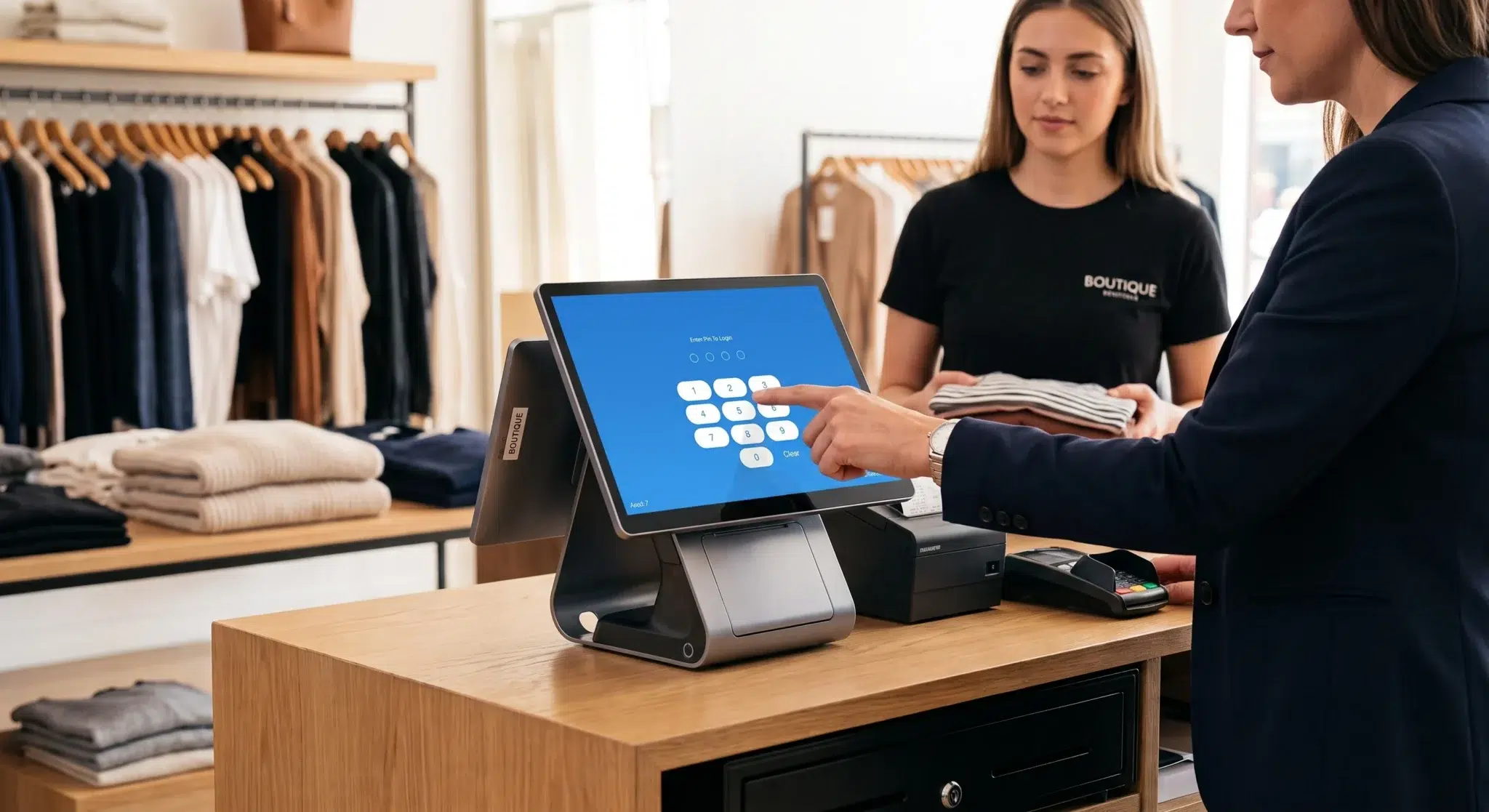
Unlike permanent retail establishments, pop-up stores must operate within very strict timeframes. Retailers may have only a few hours to set up their displays, train staff, and prepare for an influx of customers. Traditional cash registers or legacy systems that require lengthy installation simply don’t work in these environments. That’s why plug-and-play POS solutions that rely on tablets or mobile devices have become the standard. With minimal hardware requirements, retailers can start processing sales almost immediately without needing technicians on-site. For example, a jewelry vendor at a weekend street fair could set up a tablet POS with wireless connectivity in minutes, ensuring no sales opportunities are lost.
Another unique demand of pop-up stores is their reliance on portability. Since many shops appear in temporary spaces such as malls, festivals, or co-working spaces, bulky and immovable checkout counters are impractical. Portable checkout systems give vendors the ability to move freely within the space, creating a more dynamic shopping experience. Staff can interact with customers directly at displays or even process payments in outdoor environments without disruption. These factors make mobility and ease of setup not just a luxury, but a core necessity for success.
Finally, pop-up shops often operate on lean budgets, making affordability critical. Instead of investing thousands into complex systems, businesses can opt for cost-effective short-term POS solutions that still provide essential features like barcode scanning, inventory tracking, and sales reporting. This balance between affordability and functionality is what allows small businesses and independent brands to compete on equal footing with larger retailers during temporary events.
Enhancing Customer Experience
One of the primary reasons brands launch pop-up shops is to create memorable experiences for their customers. But no matter how beautifully designed a store may be, a slow or frustrating checkout process can overshadow the entire event. An easy setup POS for pop-up retail stores ensures that transactions are quick, reliable, and stress-free. Features like contactless payments, digital receipts, and seamless barcode scanning mean customers spend less time waiting and more time enjoying the event. This efficiency directly translates into higher customer satisfaction and, ultimately, stronger brand loyalty.
The customer experience is also shaped by staff confidence. Many pop-ups hire temporary employees who may have little to no retail experience. A user-friendly POS with an intuitive interface enables employees to process sales confidently within minutes of training. When staff are comfortable using the system, customers feel reassured that they’re dealing with a professional operation—even if it’s a temporary one. This sense of trust goes a long way in shaping brand perception and encouraging repeat visits.
Beyond the transaction itself, an easy setup POS often includes features that extend the experience. For instance, digital receipts can be customized to include branding, promotional offers, or links to the company’s website. These small but powerful touchpoints keep the brand alive in the customer’s mind long after the pop-up closes its doors. In short, a strong POS system doesn’t just process payments—it becomes part of the brand storytelling process.
Supporting Business Growth and Flexibility
For many businesses, pop-up stores are more than just short-term sales opportunities—they’re testbeds for long-term growth strategies. The data collected from an easy setup POS provides actionable insights that can guide decision-making. For instance, by analyzing sales reporting from a temporary retail POS, a clothing brand may discover that certain product lines perform exceptionally well in specific locations. This information can influence future inventory decisions or even the choice of where to open permanent stores. Without this data, retailers are essentially operating in the dark, relying on guesswork rather than hard facts.
The flexibility of modern POS systems also supports multi-location management. Cloud-based POS platforms allow retailers to monitor multiple events or pop-up locations simultaneously from a single dashboard. This feature is invaluable for brands that run simultaneous events in different cities. Owners can see sales figures in real time, track inventory depletion, and even adjust pricing remotely. By having this level of control, businesses can scale their pop-up strategies without sacrificing operational efficiency.
Moreover, the adaptability of easy setup POS systems ensures businesses can pivot quickly when market conditions change. For example, during the rise of contactless shopping in the pandemic era, POS systems that already supported NFC payments helped retailers continue operating without disruption. This kind of resilience is what separates businesses that merely survive from those that thrive in the competitive world of pop-up retail.
Essential Features of an Easy Setup POS
The success of a pop-up store often comes down to how effectively it can serve customers in a limited window of time. To meet this challenge, retailers must prioritize a set of features that ensure efficiency, accuracy, and customer satisfaction. Let’s explore the most critical capabilities that define an easy setup POS for pop-up retail stores.
Quick Deployment and Plug-and-Play Setup
When launching a pop-up, time is a luxury retailers simply don’t have. An easy setup POS must prioritize speed, allowing businesses to be fully operational within minutes. Plug-and-play systems that rely on mobile devices or tablets fit perfectly into this model. Instead of dealing with heavy cash registers, vendors can unpack lightweight hardware, connect to a wireless network, and immediately begin processing transactions. This is particularly valuable in high-pressure environments like holiday markets, where every minute of downtime translates to lost revenue.
Ease of deployment also reduces reliance on technical support. Many small business owners lack IT teams and need solutions that anyone can set up without specialized training. A cloud-based POS simplifies this process, as users only need to log in to access the full suite of features. For example, a food vendor at a festival could set up their POS system while their team prepares the stall, ensuring everything is ready for opening without delay. The result is a smoother launch and a stronger customer impression right from the start.
Additionally, flexibility in setup ensures businesses can adapt to different environments. Whether operating indoors, outdoors, or in a shared retail space, plug-and-play POS systems provide the agility needed to thrive. Retailers can scale up by adding more devices as traffic increases or scale down to a single tablet during slower periods, maximizing efficiency at all times.
Contactless Payments and Mobile-Friendly Checkout
Customer payment preferences have evolved rapidly, and contactless options are now the norm. An easy setup POS for pop-up retail stores must accommodate this shift by offering NFC technology, mobile wallet compatibility, and tap-to-pay card support. These payment methods not only speed up transactions but also reduce health risks in environments where physical contact may be a concern. In fact, research shows that businesses offering contactless payments often experience higher transaction volumes, as customers are more likely to complete impulse purchases when the checkout is effortless.
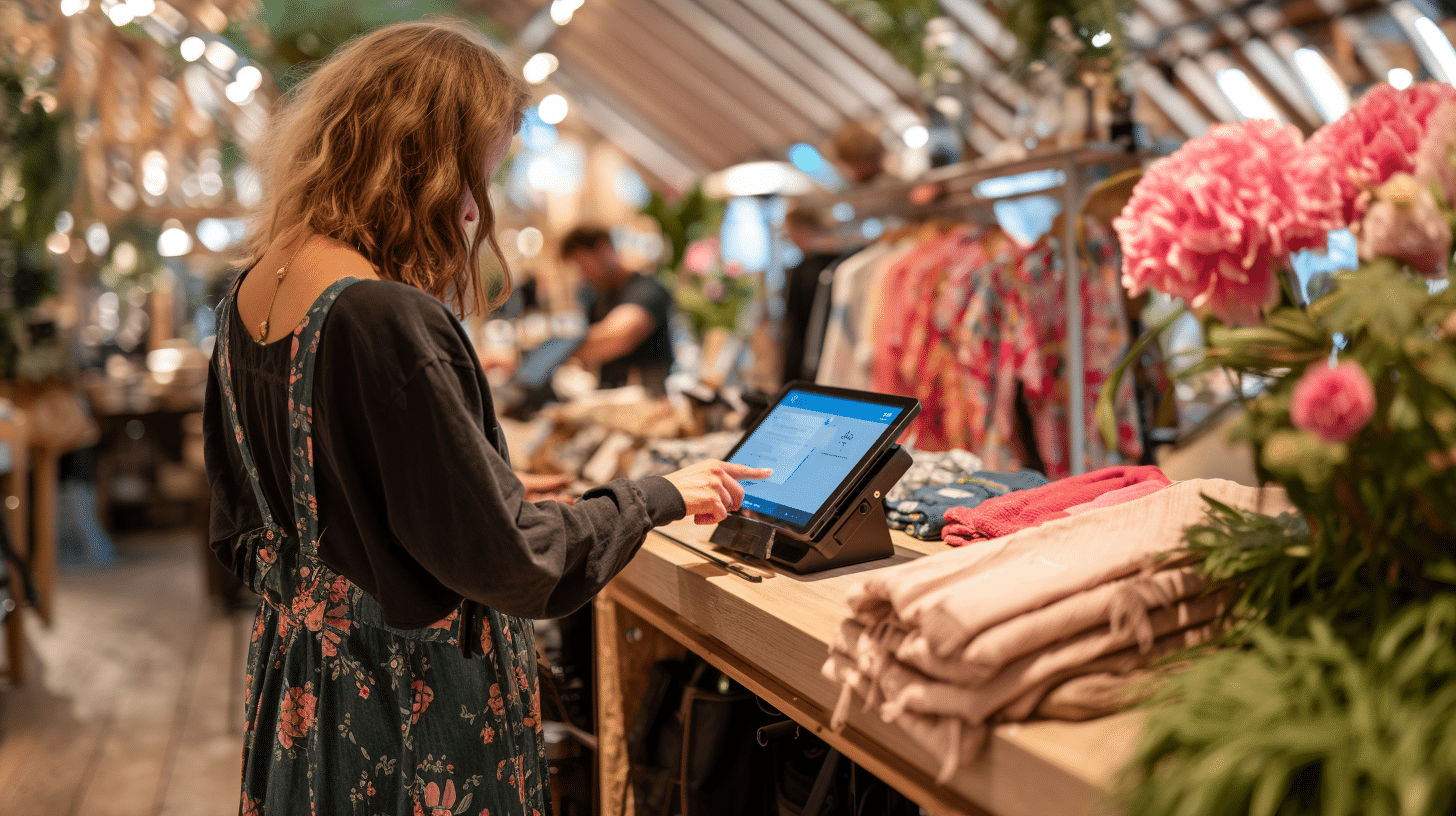
Mobile POS devices enhance this efficiency by enabling transactions anywhere within the store. Imagine a busy fashion pop-up where long lines at a single checkout counter could discourage sales. With mobile-friendly checkout, staff can walk around with tablets or smartphones and process payments on the spot. This approach not only reduces wait times but also creates opportunities for more personal customer interactions, where staff can upsell or answer questions during checkout.
For customers, the convenience of paying quickly and securely builds confidence in the brand. When paired with features like email receipts or loyalty program integration, the checkout process becomes more than just a transaction—it becomes a valuable customer touchpoint. Retailers who embrace contactless and mobile payments set themselves apart as modern, customer-centric businesses.
Inventory Tracking and Sales Reporting
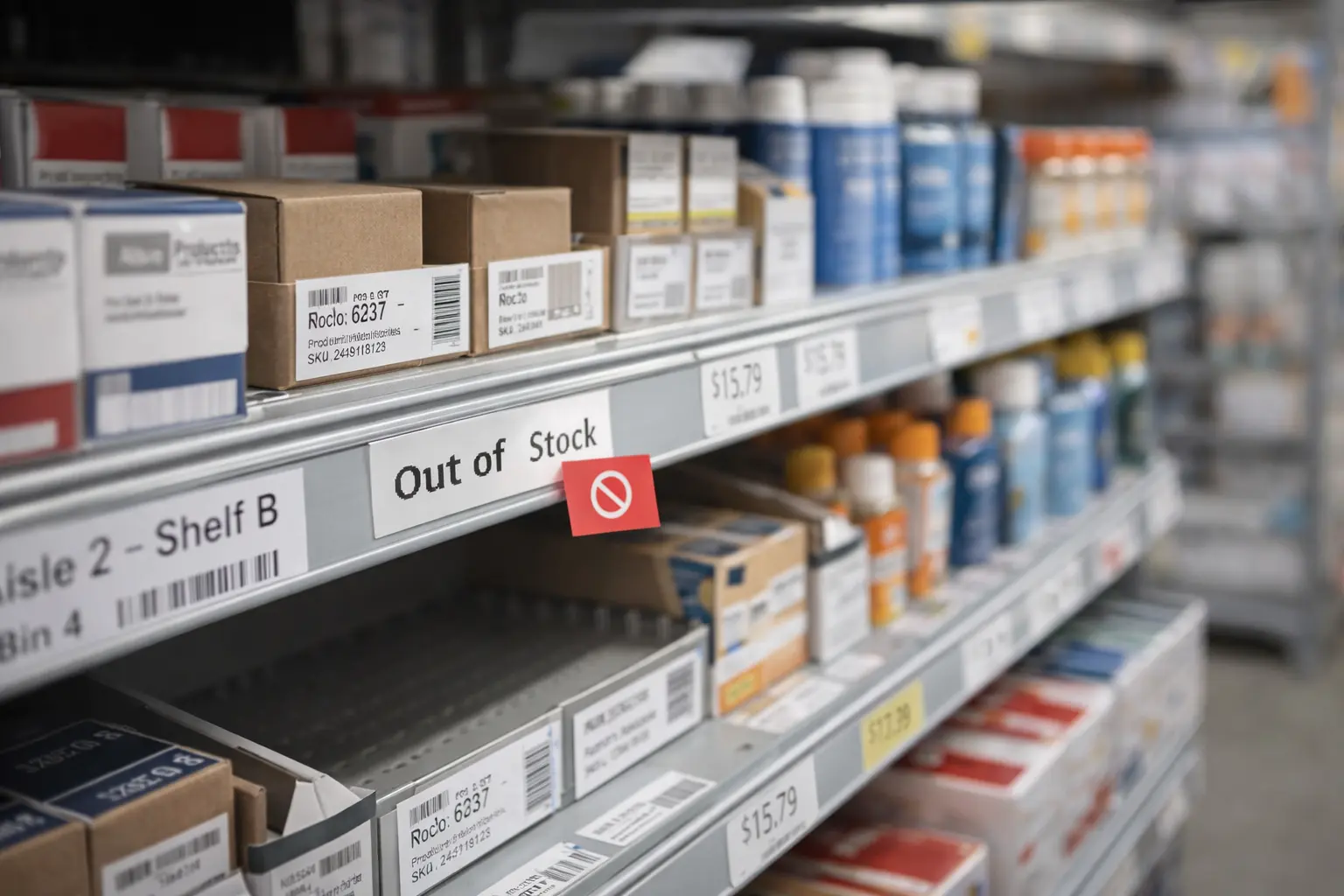
Inventory management is often one of the most challenging aspects of running a pop-up store. With limited stock and high turnover rates, businesses must ensure that every item is accounted for. An easy setup POS with real-time inventory tracking prevents common problems such as overselling or running out of best-selling products. Retailers can receive instant alerts when stock is low, allowing them to reorder quickly or adjust their sales strategy to maximize available inventory.
Sales reporting adds another layer of value by providing insights into customer behavior. For example, a skincare brand at a pop-up may discover through reporting that certain products sell better in the evenings than in the mornings. This knowledge can inform staffing decisions, promotional timing, or even product placement within the store. Without these insights, businesses risk missing opportunities to optimize performance.
Data from sales reporting also plays a critical role in long-term planning. Retailers can analyze which products perform best across different locations, seasons, or customer demographics. This helps brands refine their product lines, adjust pricing strategies, and identify growth opportunities. For pop-up retailers, where every transaction counts, these insights are invaluable for building sustainable success.
Key Benefits of Using Easy Setup POS in Pop-Up Stores
Choosing the right easy setup POS for pop-up retail stores does more than streamline payments—it can completely transform how a temporary shop operates. The right system reduces costs, boosts efficiency, and strengthens customer relationships, which are all crucial when working with limited time and resources. By adopting a modern POS solution, pop-up retailers gain a competitive advantage in delivering professional, polished shopping experiences that rival established retailers.
Reduced Costs and Minimal Hardware
Traditional POS systems are known for their high upfront costs, requiring dedicated terminals, receipt printers, and complex installation. This model is impractical for businesses that only need temporary setups. An easy setup POS, by contrast, often runs on devices retailers already own, such as tablets or smartphones. This dramatically lowers costs without sacrificing functionality. For example, a vendor at a weekend farmers’ market can use a tablet POS paired with a mobile card reader to process payments, eliminating the need for expensive and bulky equipment. This kind of minimal hardware approach makes it possible for small businesses to participate in pop-up events without large financial risks.
The portability of these systems also reduces logistical expenses. Transporting bulky terminals and networking equipment between locations can be costly and time-consuming. With a mobile POS or wireless POS system, retailers simply pack lightweight devices in a bag and set them up wherever needed. The reduced cost of hardware, combined with quick deployment, makes it possible for small-scale entrepreneurs to run multiple events throughout the year while keeping overhead manageable. For many startups, this affordability is the deciding factor that makes pop-up retail possible in the first place.
Subscription-based pricing models further enhance affordability. Instead of committing to expensive annual contracts, pop-up retailers can subscribe to a short-term POS plan for the duration of an event. This pay-as-you-go flexibility aligns perfectly with the temporary nature of pop-up stores. By reducing financial barriers, modern POS systems empower more entrepreneurs and independent brands to experiment with retail without committing to permanent locations.
Faster Onboarding and Staff Training
Pop-up stores often rely on part-time or temporary staff who may not have extensive retail experience. In these cases, an intuitive, user-friendly POS system is critical. With clear navigation, simple prompts, and streamlined processes, staff can learn the system in a matter of minutes instead of days. This fast onboarding allows businesses to get their teams up and running quickly, which is especially valuable when setup time is limited. A user-friendly POS reduces the risk of errors during busy sales periods, ensuring smoother operations overall.
For example, imagine a beverage company setting up a branded pop-up at a summer festival. They may hire a team of local event staff just for the weekend. With an easy setup POS, these employees can quickly learn how to scan items, process mobile payments, and print digital receipts without needing hours of training. The result is a confident team capable of serving long lines of customers efficiently, even with minimal retail experience. This speed in staff preparation directly translates into higher customer satisfaction and reduced operational stress.
In addition, modern POS platforms often provide built-in tutorials, demo modes, and customer support features that make training even easier. Businesses can prepare staff with online resources before the event, saving valuable setup time. The ability to train quickly and effectively not only enhances performance during the event but also lowers labor costs since businesses don’t have to allocate extra hours for training sessions. This efficiency is essential for short-term operations where every minute matters.
Improved Customer Engagement and Brand Perception
Customer experience is at the heart of pop-up retail. An easy setup POS for pop-up retail stores plays a central role in shaping how customers perceive the brand. Fast checkouts, contactless payments, and seamless inventory tracking give shoppers confidence in the professionalism of the business. Even though the store is temporary, customers expect the same level of service they’d find at established retailers. By delivering smooth and efficient transactions, businesses demonstrate that they are trustworthy and reliable, which strengthens brand reputation.
POS systems also offer opportunities for deeper customer engagement. Many platforms allow businesses to collect customer emails during checkout, enroll buyers in loyalty programs, or send personalized promotions via digital receipts. For example, a beauty brand hosting a pop-up could include a discount code for online purchases in their receipt email, encouraging customers to continue engaging with the brand after the event ends. This transforms a one-time sale into a long-term relationship, driving revenue beyond the pop-up store itself.
Moreover, an engaging and seamless checkout experience encourages repeat customers. When shoppers associate a brand with convenience, professionalism, and modern technology, they’re more likely to attend future events or seek out permanent retail locations. In this way, a strong POS system isn’t just a tool for processing payments—it’s a strategic asset for building brand equity and customer loyalty.
How to Choose the Right POS for Your Pop-Up Shop
With so many POS options available, choosing the best one for your pop-up store can feel overwhelming. However, by focusing on your unique retail needs, evaluating flexibility, and prioritizing usability, you can identify the solution that offers the highest return on investment. The right easy setup POS for pop-up retail stores should not only meet your current needs but also provide scalability for future growth.
Assessing Your Retail Needs
The first step in choosing a POS system is understanding the specific requirements of your pop-up operation. Are you selling products that require barcode scanning, or will a simple itemized checkout suffice? Do you anticipate high transaction volumes that demand multiple checkout stations, or will a single tablet POS handle the workload? By asking these questions upfront, retailers can avoid overpaying for features they don’t need while ensuring they have the tools required for success. For example, a bakery stand at a local market may prioritize contactless payments and inventory tracking, while a clothing brand at a fashion pop-up may need advanced sales reporting to analyze customer trends.
It’s also important to consider the duration and frequency of your events. If you’re only hosting a pop-up once or twice a year, a cost-effective short-term POS solution with minimal hardware may be the best fit. On the other hand, if your brand frequently runs events across multiple cities, investing in a scalable cloud-based POS platform will provide more long-term value. Understanding your unique situation ensures you select a POS system that aligns with both your budget and business goals.
Retailers should also evaluate integration needs. If you already use e-commerce software, CRM systems, or accounting tools, selecting a POS that integrates seamlessly with these platforms will save time and reduce administrative burdens. This holistic approach ensures smooth data sharing and eliminates the need for manual input, which can lead to errors and inefficiencies.
Evaluating Flexibility and Scalability
A key advantage of an easy setup POS is its flexibility. Since pop-up environments can vary widely—from small booths at farmers’ markets to large branded activations in shopping centers—retailers need a system that can adapt to any setting. Mobile POS devices, tablet compatibility, and wireless connectivity all contribute to this adaptability. For instance, a vendor at a food truck festival may only need one mobile POS device, while a pop-up in a shopping mall may benefit from multiple devices connected to the same cloud-based system. Flexibility ensures your POS works in every environment without requiring different solutions for each scenario.
Scalability is equally critical, especially for businesses planning to grow. A flexible POS should allow retailers to add new devices, locations, or users as needed without disrupting operations. For example, a jewelry brand that starts with one booth may expand to multiple pop-up events in different cities. With a scalable cloud-based POS, the brand can monitor sales across all locations in real time, maintaining centralized control while supporting expansion. This scalability makes it easier to test new markets, expand brand presence, and capture more customers without investing in entirely new systems each time.
Retailers should also consider long-term potential when evaluating scalability. A POS system that supports both temporary and permanent retail operations allows businesses to transition smoothly if they decide to open a permanent store. By planning for the future, businesses can avoid costly migrations and disruptions down the line.
Prioritizing User Experience and Support
The usability of a POS system can make or break a pop-up event. If staff struggle to navigate the system, transactions slow down, errors increase, and customers become frustrated. Prioritizing user-friendly design ensures staff can operate the system confidently from day one. Features such as intuitive dashboards, simple workflows, and guided transaction steps all contribute to a smooth user experience. Retailers should test potential systems to see how easy they are to set up and operate under real-world conditions before committing to a provider.
Another crucial factor is customer support. Pop-up shops often operate during weekends, evenings, or holidays when technical support from smaller providers may be unavailable. Retailers should choose a POS provider that offers responsive support through multiple channels such as phone, chat, and email. Quick assistance ensures minimal downtime during critical sales periods, protecting both revenue and customer satisfaction. For example, if a system error occurs during peak hours at a holiday market, having reliable support can mean the difference between salvaging the day or losing hundreds in potential sales.
Retailers should also review the training and educational resources provided by the POS company. Video tutorials, knowledge bases, and community forums can empower staff to troubleshoot minor issues independently. When combined with responsive customer support, these resources provide a safety net that ensures smooth operations throughout every event. In short, prioritizing user experience and support ensures that both staff and customers enjoy a seamless shopping experience.
The Role of Technology in Supporting Pop-Up Store POS
Technology has become the backbone of modern pop-up retail. From wireless connectivity to cloud-based analytics, innovations in POS systems have transformed how temporary shops operate. By embracing these tools, retailers can replicate the efficiency and professionalism of permanent stores while maintaining the flexibility that pop-up retail requires. An easy setup POS for pop-up retail stores combines these technologies into one streamlined solution that meets the demands of fast-paced retail environments.
Wireless Connectivity and Portability
Wireless POS systems have eliminated many of the barriers that once limited retail operations. In the past, setting up a checkout required wired connections, cash drawers, and bulky terminals. Today, portable checkout systems operate entirely wirelessly, allowing businesses to process payments anywhere within their pop-up space. This portability is especially valuable in environments where flexibility is key. For example, a brand hosting a pop-up in a shared retail space may rearrange displays throughout the event. With wireless POS devices, checkout points can be moved just as easily, ensuring seamless operations regardless of layout changes.
The portability of wireless POS also enhances the customer experience. Instead of waiting in long lines at a single counter, customers can complete transactions wherever they are in the store. Staff equipped with tablets or mobile POS devices can walk the floor, answer questions, and process sales on the spot. This creates a more dynamic, personalized shopping experience that encourages higher engagement and increases the likelihood of impulse purchases. Retailers benefit from faster sales cycles, while customers enjoy the convenience of a checkout process tailored to their needs.
Portability also extends to event logistics. Many pop-up stores operate in unconventional spaces such as outdoor markets, art galleries, or temporary tents. In these environments, access to wired power and internet connections may be limited. Wireless POS systems with battery-powered devices and mobile data connectivity ensure that sales can continue uninterrupted. This flexibility is essential for brands looking to bring their products directly to customers, no matter where those customers may be.
Cloud-Based Systems for Remote Management
Cloud-based POS platforms have revolutionized retail management by providing real-time access to data from any location. For pop-up retailers, this means owners and managers can monitor sales performance, inventory levels, and customer data without being physically present. This remote visibility is invaluable for businesses running multiple events simultaneously, as it ensures consistent oversight and control across locations. For example, a brand with pop-up stores in three cities can track inventory depletion in real time, allowing them to redistribute stock and avoid shortages during peak hours.
Security is another significant advantage of cloud-based POS. Sensitive data such as payment information and customer details are encrypted and stored securely online, reducing the risks associated with physical device theft or hardware damage. Automatic software updates also ensure that the system remains compliant with the latest security standards, protecting both businesses and customers. This peace of mind allows retailers to focus on customer engagement instead of worrying about technical vulnerabilities.
Cloud technology also streamlines integration with other business tools. For instance, sales data can automatically sync with accounting software or e-commerce platforms, reducing manual input and improving accuracy. This integration allows pop-up retailers to operate with the same level of sophistication as larger retailers while maintaining the flexibility needed for temporary operations. Ultimately, cloud-based POS systems empower businesses to make smarter, data-driven decisions that enhance both short-term performance and long-term growth.
Integration with Marketing and Customer Tools
Modern POS systems go beyond processing payments—they serve as powerful marketing and customer engagement platforms. Many easy setup POS solutions integrate seamlessly with CRM software, loyalty programs, and email marketing tools. This integration allows businesses to capture valuable customer data during checkout, such as contact information or purchase history. For example, a brand hosting a pop-up could automatically enroll customers in a rewards program after their first purchase, encouraging repeat engagement and building long-term loyalty.
These integrations also open the door to personalized marketing. Businesses can use purchase history and customer data to send targeted promotions, product recommendations, or event invitations. Imagine a fashion brand that collects customer emails during a pop-up event. The brand can later send personalized lookbooks or invitations to future launches, extending the value of the pop-up well beyond the event itself. This kind of personalized engagement not only increases sales but also deepens customer relationships.
For retailers, the ability to merge POS data with marketing tools transforms pop-up stores into engines for customer acquisition and brand growth. Instead of treating events as isolated sales opportunities, businesses can use POS-driven insights to build customer databases, measure campaign effectiveness, and refine their overall strategy. This creates a cycle where each pop-up event strengthens future initiatives, turning temporary retail into a sustainable growth channel.
Why Biyo POS is the Ideal Choice for Pop-Up Retail
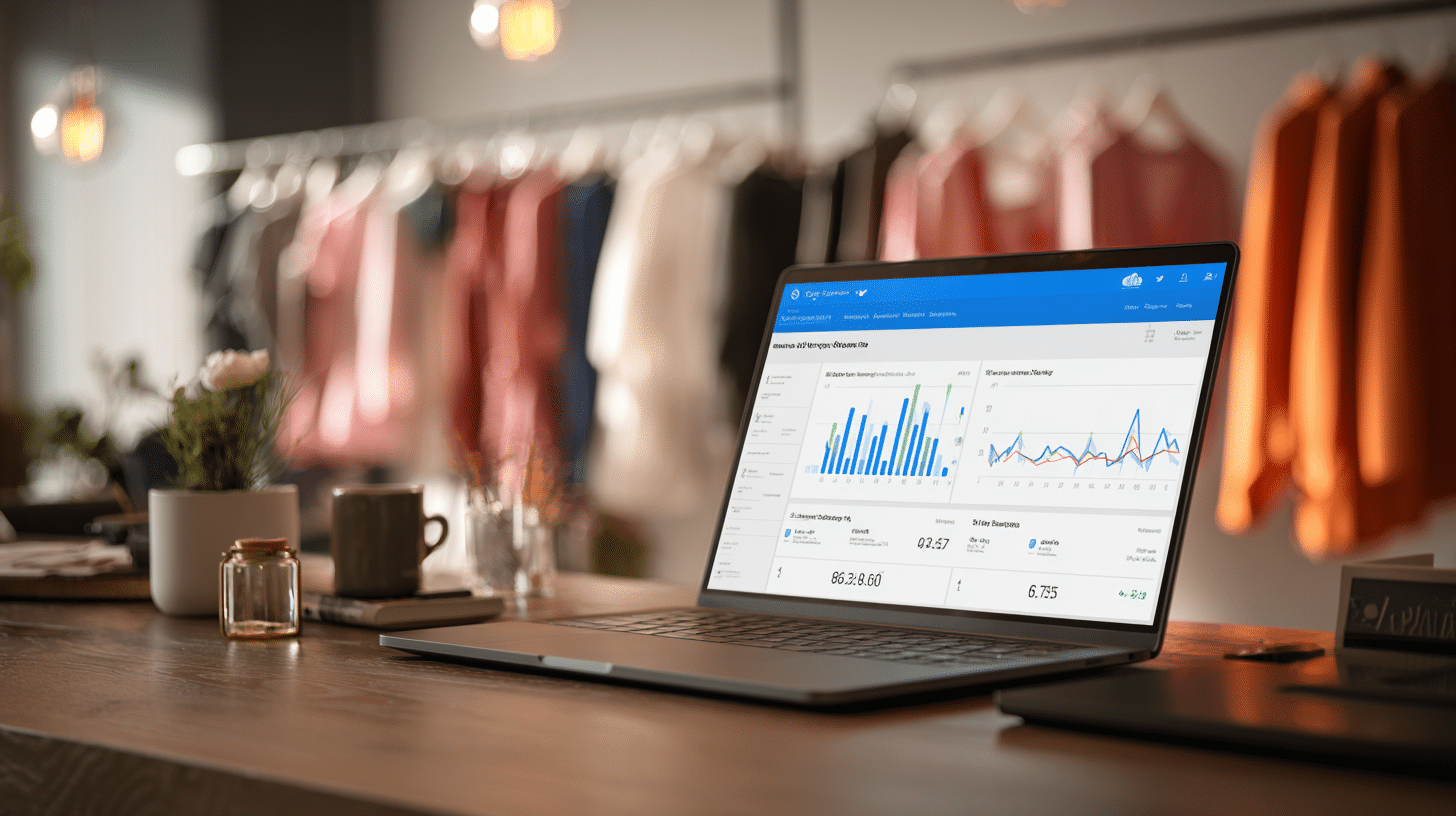
Biyo POS stands out as one of the most effective solutions for pop-up retailers, thanks to its focus on simplicity, flexibility, and powerful features. Designed with modern retail challenges in mind, Biyo POS combines all the advantages of an easy setup POS for pop-up retail stores into one streamlined platform. Whether you’re hosting a one-day event or managing multiple locations across cities, Biyo POS delivers the tools you need to succeed.
One of the key advantages of Biyo POS is its fast and effortless setup. Businesses can launch operations in minutes using mobile devices or tablets, eliminating the need for complicated installations. This plug-and-play approach is perfect for retailers operating on tight schedules, ensuring they can focus on serving customers rather than troubleshooting hardware. With built-in support for wireless and cloud-based systems, Biyo POS adapts easily to any environment, from outdoor festivals to indoor shopping centers.
Biyo POS also provides essential retail features such as real-time inventory tracking, detailed sales reporting, and contactless payments. These capabilities give pop-up retailers the same level of professionalism as permanent stores, while its affordability keeps it accessible for small businesses. The system is also highly scalable, allowing brands to expand seamlessly into multiple locations or transition into permanent retail when the time is right. In short, Biyo POS isn’t just a tool for temporary retail—it’s a long-term partner for growth and customer engagement.
FAQ: Easy Setup POS for Pop-Up Retail Stores
What is the best POS system for pop-up retail stores?
The best POS system is one that balances speed, portability, and affordability while offering features like contactless payments, inventory tracking, and cloud-based reporting. Biyo POS is a leading option because it was designed with temporary retail environments in mind, providing all the essential tools businesses need to thrive in short-term or event-based settings.
Can I use a tablet or mobile phone as a POS in my pop-up shop?
Yes, many easy setup POS systems are designed to run on tablets or smartphones, reducing the need for expensive hardware. These devices can handle everything from payment processing to sales reporting, making them perfect for portable and temporary retail environments. With a mobile-friendly POS, retailers gain flexibility and cost savings without sacrificing professionalism.
Do I need internet access for my POS to work?
Most cloud-based POS systems require internet connectivity for real-time updates and synchronization. However, leading platforms like Biyo POS include offline functionality, allowing businesses to continue processing transactions even without internet access. Once the connection is restored, all sales data automatically syncs, ensuring no information is lost.
How much does a POS system for a pop-up shop cost?
Costs vary depending on the provider and features, but many POS solutions now offer subscription-based models that cater to short-term use. Pop-up retailers can pay only for the duration of their events, keeping costs affordable. Biyo POS offers flexible plans designed to suit businesses of all sizes, making it an excellent choice for entrepreneurs and small brands.
Is it worth investing in a POS system for a short-term retail event?
Yes, investing in an easy setup POS for pop-up retail stores is absolutely worthwhile. Even for short-term events, a POS system improves efficiency, reduces errors, and provides valuable insights into customer behavior and sales performance. These benefits extend beyond the event itself, helping businesses refine their strategies for future success. In many cases, the additional revenue and insights generated by using a POS far outweigh the initial investment.