In the fast-paced world of dining, a restaurant POS system USA has become an essential tool for operators looking to streamline operations, boost customer satisfaction, and increase profits. Whether you run a cozy café, a bustling food court, or a fine dining establishment, the right point of sale solution can transform how you manage orders, staff, and payments. This article dives deep into the latest US restaurant technology trends, focusing on everything you need to know about selecting and optimizing your restaurant POS system in the USA.
Table of Contents
- Key Features of a Modern Restaurant POS System USA
- Benefits of Using a Restaurant POS System in the USA
- Types of Restaurant POS Systems Popular in the USA
- Choosing the Best Restaurant POS System for Your Business
- Future Trends in US Restaurant POS Technology
- About Biyo POS
- Frequently Asked Questions
Key Features of a Modern Restaurant POS System USA
To understand why the restaurant POS system USA has evolved into such a critical asset, it helps to explore the key features driving this technology. Each feature plays a role in enhancing operational efficiency and creating a seamless experience for both staff and customers.
Point of Sale and Order Processing
The core function of any restaurant POS system lies in processing orders quickly and accurately. In the USA, leading POS solutions feature highly intuitive touchscreen interfaces designed to speed up order entry for servers. For example, a server can easily select menu items, customize orders with modifiers like “extra cheese” or “gluten-free,” and submit the order directly to the kitchen without any delay. This instant communication reduces human errors, such as missed requests or wrong dish preparation, which are common pain points in busy restaurants.
Modern POS systems also integrate kitchen display systems (KDS), replacing traditional paper tickets. KDS screens organize orders by priority and preparation time, allowing chefs to optimize workflow and improve meal consistency. For instance, if an order includes appetizers, main courses, and desserts, the system can sequence them so everything arrives at the right moment, enhancing the guest experience.
Moreover, order processing often links directly with delivery integration tools. This means online or phone orders from platforms like UberEats or direct restaurant websites flow seamlessly into the POS. Eliminating manual re-entry prevents errors and saves valuable time, particularly during peak hours. For example, a pizzeria using such integration can receive phone and online orders without juggling multiple systems, ensuring all orders are tracked and prepared on time.
Payment Integration and Secure Transactions
A modern restaurant POS system USA must handle various payment types securely and efficiently. Payment integration within these systems supports traditional credit and debit cards, contactless payments via NFC, mobile wallets like Apple Pay and Google Pay, and even gift cards. This range caters to the diverse preferences of American customers who expect swift, safe checkout options wherever they dine.
EMV compliance is a vital aspect of payment security in the US market. By processing chip cards that generate dynamic codes for each transaction, POS systems protect restaurants from fraudulent charges and costly disputes. This compliance not only safeguards the business but also builds customer trust, as diners feel more secure handing over their cards.
Tip management is another crucial feature integrated into POS payments. For example, servers can present customizable tipping options directly on the payment screen, allowing guests to leave tips effortlessly. The system then accurately records tips, calculates taxes, and helps managers with transparent payroll calculations. This automation reduces manual errors and ensures fair compensation, fostering staff satisfaction.
Inventory Tracking and Real-Time Analytics
Efficient inventory tracking is fundamental to managing costs and reducing waste in any restaurant. A restaurant POS system USA often includes detailed inventory modules that automatically deduct ingredients as orders are processed. For instance, if a burger order uses two buns, a beef patty, and vegetables, the system updates stock levels accordingly. Managers receive alerts when items approach reorder thresholds, preventing last-minute shortages that could disrupt service.
Real-time analytics dashboards provide comprehensive insights into sales patterns, peak hours, and popular dishes. By monitoring this data, restaurant owners can make informed decisions about menu adjustments or promotional campaigns. For example, if sales data reveals that a seasonal salad sells best in summer, a manager might increase marketing efforts or adjust inventory to meet demand. This responsiveness enhances profitability and customer satisfaction.
Beyond sales, analytics can track employee performance metrics, such as average order time or upsell success rates. With this information, managers can tailor training sessions or incentivize staff effectively. The combination of inventory control and analytics enables a proactive management style that keeps restaurants agile in the competitive US market.
Benefits of Using a Restaurant POS System in the USA
Implementing a restaurant POS system USA offers numerous advantages beyond just processing orders. Let’s explore how these systems elevate various aspects of restaurant operations.
Streamlined Table Management and Staff Scheduling
Managing floor seating can be challenging, especially during busy periods. A restaurant POS system USA provides powerful table management tools that allow hosts and managers to visualize the entire dining room layout. With features like color-coded table statuses (e.g., available, occupied, reserved), staff can quickly assign tables and optimize seating to maximize turnover without sacrificing guest comfort.
For example, during a Friday dinner rush, the POS can highlight tables expected to finish soon, helping hosts prepare for new arrivals efficiently. Additionally, integrating reservation data prevents double-bookings and ensures smooth operations.
Staff scheduling modules work in tandem by analyzing historical sales data and peak times to recommend optimal staffing levels. Managers can create shift schedules that align with predicted demand, minimizing labor costs while ensuring excellent service. For example, a brunch spot might schedule more servers on weekends, whereas weekdays require fewer staff. Automating scheduling also reduces administrative overhead and last-minute staffing gaps.
Enhancing Customer Loyalty and Online Ordering
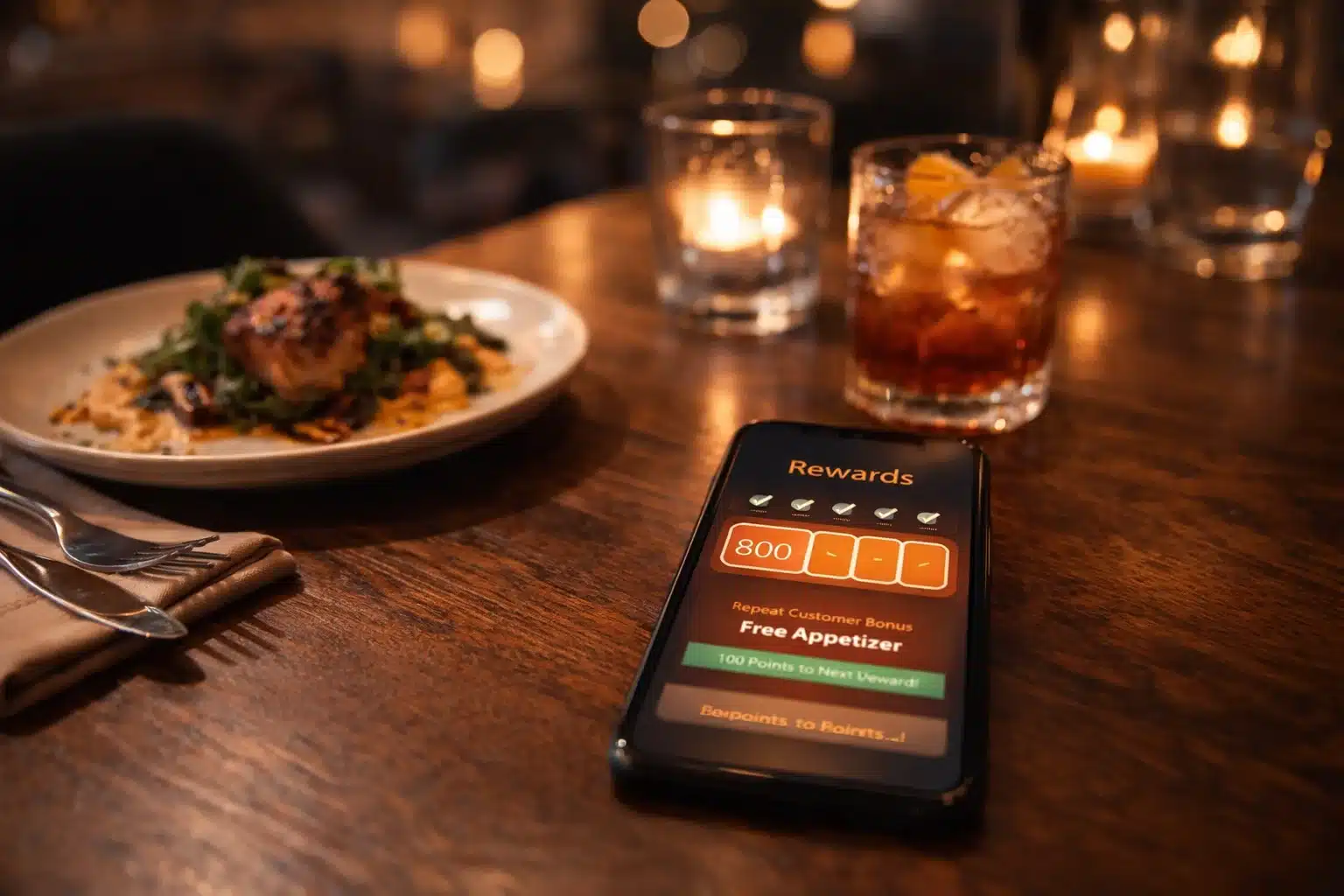
Customer loyalty programs embedded in POS systems incentivize repeat visits by rewarding diners with points, discounts, or exclusive offers. For instance, a coffee shop might award points per purchase that customers can redeem for free drinks. The POS tracks these rewards automatically, allowing staff to greet loyal patrons by name and tailor promotions based on purchase history.
Online ordering has become a critical revenue stream for many restaurants, particularly in the USA’s competitive market. POS systems that integrate with branded online ordering pages let restaurants capture orders directly, avoiding third-party commission fees. This direct ordering not only increases profit margins but also lets restaurants collect valuable customer data to personalize marketing campaigns.
For example, a burger joint could offer special online-only discounts or recommend menu items based on previous orders. Coupled with delivery integration, these POS systems ensure that orders flow seamlessly to the kitchen, maintaining speed and accuracy even during high volumes.
Boosting Operational Efficiency and Accuracy
By automating tasks like order entry, payment processing, inventory updates, and reporting, a restaurant POS system significantly reduces the risk of human error. This automation streamlines workflows and helps staff focus more on guest interactions rather than administrative tasks.
For example, manual order taking often leads to mistakes or lost tickets, especially during peak hours. The POS system eliminates these problems by transmitting orders instantly and clearly to kitchen stations and baristas alike. Payment errors are also minimized through integrated payment terminals and tip calculation features.
Furthermore, consolidating multiple functions into one platform simplifies management. Restaurant owners can monitor daily sales, track inventory depletion, and review employee performance reports from a single dashboard. This visibility promotes informed decision-making, leading to increased profits and a more motivated workforce.
Types of Restaurant POS Systems Popular in the USA
The diversity of US restaurants means a one-size-fits-all POS system doesn’t work. Instead, different types of systems cater to various business models and needs.
Traditional On-Premise POS Systems
Traditional on-premise POS systems are installed directly on hardware located inside the restaurant, operating independently of an internet connection. This setup appeals to restaurants that prioritize data control and require a stable, reliable system unaffected by internet outages. For example, a large steakhouse might choose an on-premise system to ensure uninterrupted service during peak hours.
These systems often involve higher upfront costs due to hardware purchases and installation fees. Additionally, updating the software may require manual intervention, which can be time-consuming. On-premise solutions usually lack the flexibility of cloud-based systems when it comes to remote monitoring and third-party integrations.
Despite these limitations, some high-volume or security-conscious establishments in the USA prefer on-premise POS for its perceived reliability and complete ownership of data infrastructure.
Cloud-Based POS Systems
Cloud-based POS systems have rapidly gained popularity across the USA thanks to their flexibility and scalability. These solutions host software on secure remote servers, enabling restaurant staff and owners to access the system from any internet-connected device. For example, a growing restaurant chain can easily add new locations and manage all stores through a unified cloud POS platform.
Cloud POS systems reduce upfront costs by eliminating the need for expensive hardware and provide automatic updates, ensuring restaurants always have access to the latest features. They often offer seamless integration with third-party applications like accounting tools, loyalty programs, and delivery platforms, making operations smoother and more connected.
Moreover, cloud systems enable real-time analytics and remote management, which is invaluable for restaurant owners who want to monitor performance while offsite. This flexibility suits startups, food trucks, and established businesses alike.
Mobile POS Systems
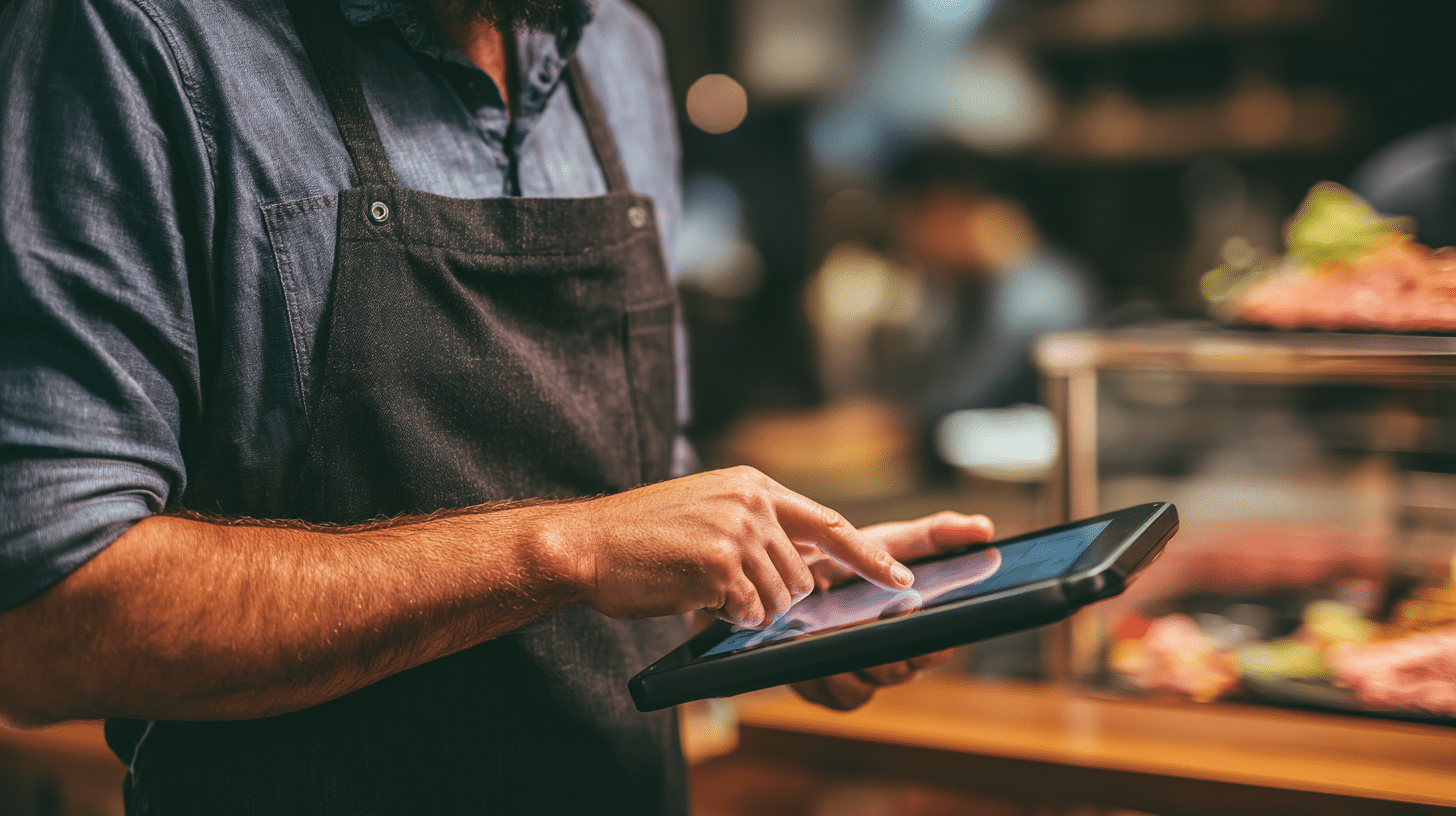
Mobile POS systems operate on tablets, smartphones, or other portable devices, offering exceptional flexibility for restaurant operations. Servers can take orders tableside, instantly send them to the kitchen, and process payments on the spot, reducing wait times and improving guest satisfaction. For instance, a casual café might use tablets to speed up service during busy brunch hours.
These mobile solutions connect wirelessly to printers, kitchen displays, and payment terminals, allowing a clutter-free workspace and reducing hardware costs. Mobile POS is especially advantageous for pop-up restaurants, food trucks, and small establishments with limited space.
Many mobile POS systems integrate with cloud platforms, combining mobility with powerful management features such as inventory tracking and sales reporting. This versatility has driven their widespread adoption in the USA’s diverse restaurant scene.
Choosing the Best Restaurant POS System for Your Business
Selecting the right restaurant POS system USA depends on multiple factors, including your restaurant type, budget, and growth goals. Here are key considerations to guide your choice.
Assessing Your Operational Needs
Before committing to a POS system, it’s essential to thoroughly assess your operational requirements. Start by analyzing your menu complexity—do you need robust modifiers for dietary restrictions, or a simple interface suffices? For example, a vegan café might require detailed ingredient tracking, while a quick-service spot may prioritize speed over customization.
Also, consider how many terminals and devices your staff will use and whether you need remote access capabilities. Integration needs with delivery services, accounting software, or loyalty programs should be evaluated carefully. For instance, if you rely heavily on third-party delivery, seamless integration can save time and reduce errors.
Finally, identify pain points in your current workflow, such as slow order entry or inventory inaccuracies, so you can select a system that addresses these issues effectively and supports your business goals.
Evaluating Usability and Support
Usability is a crucial factor that directly affects staff efficiency and training time. When testing POS platforms, look for intuitive, user-friendly interfaces that your team can quickly learn and navigate. For example, touchscreen layouts with clear icons and logical menus reduce errors and speed up order taking.
Reliable customer support is just as important. Opt for vendors that offer 24/7 assistance via phone, live chat, or email, ensuring you can resolve technical issues swiftly during busy shifts. Reading customer reviews and seeking recommendations from other US restaurant operators can provide valuable insights into vendor responsiveness and support quality.
Also, consider if the vendor provides training resources such as videos, webinars, or on-site sessions. These can greatly ease the transition and maximize your investment’s value.
Considering Cost and Scalability
Cost evaluation goes beyond the sticker price. Calculate total cost of ownership by factoring in hardware expenses, monthly or annual software fees, payment processing charges, and support costs. Some cloud-based POS systems offer subscription models that spread costs evenly, which can be beneficial for startups with limited capital.
Scalability is another key consideration. As your restaurant grows or diversifies, your POS system should grow with you. Cloud and mobile POS platforms typically provide easier scaling options compared to traditional on-premise systems. For example, adding a new location or integrating new payment methods should be straightforward and cost-effective.
Balancing upfront costs, ongoing fees, and scalability ensures you invest in a POS system that remains a valuable asset for years, avoiding costly replacements or upgrades down the line.
Future Trends in US Restaurant POS Technology
The restaurant POS system USA market continues to innovate rapidly. Understanding emerging trends can help operators stay ahead and maximize their investment.
AI and Voice-Activated Ordering
Artificial intelligence is beginning to play a transformative role in POS systems. Voice-activated ordering allows servers to input orders hands-free, improving speed and reducing the risk of mistakes. For example, a busy waiter could verbally enter a complex order while attending to customers, freeing their hands for multitasking.
AI also powers smart upselling tools that analyze customer preferences and past purchases to suggest complementary items. For instance, if a guest orders a pasta dish, the system might recommend a matching wine or dessert, boosting average order value naturally.
As these AI capabilities evolve, they will enhance personalized customer experiences and operational efficiency, making restaurant service smarter and more responsive.
Enhanced Integration with Delivery and Online Ordering
Food delivery continues to expand rapidly in the USA, and POS systems are responding with deeper integrations. Direct connections to third-party platforms like DoorDash or Grubhub minimize manual entry errors and synchronize inventory in real time. This ensures restaurants never accept orders for items out of stock, maintaining customer trust.
Additionally, branded online ordering pages embedded in POS systems allow restaurants to bypass high commission fees charged by aggregators. This approach increases profit margins and enables direct marketing efforts, such as email campaigns and loyalty rewards.
Looking forward, expect even tighter integrations with contactless payment systems and dynamic menu management tools that adjust availability based on demand and inventory.
Mobile and Contactless Payment Expansion
Customer preferences strongly favor contactless and mobile payments for their speed and hygiene benefits. US restaurants are increasingly equipping their POS systems to accept tap-to-pay cards, smartphone wallets, and QR code payments. For example, diners can now settle their bills from the table using their phones, speeding up turnover and enhancing safety.
Mobile POS devices complement this trend by enabling servers to complete transactions tableside without returning to a fixed terminal. This reduces wait times and increases the number of customers served during peak periods.
By adopting these technologies, restaurants not only meet customer expectations but also position themselves as modern and convenient dining destinations.

About Biyo POS
Biyo POS is a cutting-edge restaurant POS system USA designed to empower American restaurants with advanced yet user-friendly technology. Featuring cloud-based infrastructure, mobile POS capabilities, and seamless payment integration, Biyo POS helps restaurants streamline order processing, inventory management, and staff coordination efficiently.
The system includes built-in customer loyalty programs and branded online ordering pages that enable restaurants to increase revenue and build strong customer relationships without relying on costly third-party platforms. With robust security features such as EMV compliance and encrypted transactions, Biyo POS protects both businesses and diners.
Whether managing a single location or expanding into a multi-site operation, Biyo POS offers scalable solutions tailored to the unique needs of the USA restaurant market. Discover how Biyo POS can simplify your restaurant’s operations and enhance guest satisfaction with smart, integrated technology.
Frequently Asked Questions
What is a restaurant POS system USA?
A restaurant POS system USA refers to a technology platform widely used across American restaurants to handle sales transactions, order management, and operational tasks. This system combines hardware such as touchscreens, cash drawers, and payment terminals with software that tracks sales, inventory, staff schedules, and customer data. By centralizing these functions, the POS system improves accuracy, speeds up service, and provides valuable business insights.
Why is cloud-based POS popular in the US restaurant industry?
Cloud-based POS systems have become popular in the USA because they offer unparalleled flexibility, ease of use, and scalability. Unlike traditional on-premise solutions, cloud POS allows restaurant owners to access their data from anywhere using any internet-connected device. This capability supports multi-location management and remote monitoring, which are crucial for modern restaurant operations. Additionally, cloud POS platforms receive automatic software updates, ensuring restaurants benefit from the latest features without manual intervention.
How does a POS system improve customer loyalty?
Many restaurant POS systems include built-in loyalty programs that track customer purchases and reward repeat visits with points, discounts, or special offers. This functionality helps restaurants gather detailed data on customer preferences and spending habits, enabling personalized marketing campaigns. For example, a restaurant could send birthday discounts or exclusive promotions based on purchase history, fostering stronger emotional connections with customers and encouraging them to return regularly.
Can I integrate my POS system with online ordering and delivery services?
Yes, most modern restaurant POS systems in the USA support seamless integration with popular online ordering platforms and delivery services. This integration streamlines the order fulfillment process by automatically importing online orders into the POS system, eliminating manual entry errors. It also synchronizes inventory levels and sales data across channels, helping restaurants manage demand more effectively and deliver a consistent customer experience both in-house and online.
Is Biyo POS suitable for small and large restaurants?
Absolutely. Biyo POS is designed with scalability in mind, making it an excellent fit for both small independent eateries and large multi-location chains. Its cloud-based architecture allows easy expansion, whether adding terminals in a single restaurant or opening new locations nationwide. The system’s customizable features, such as menu management and reporting tools, can be tailored to meet the unique operational needs of diverse restaurant types, ensuring businesses of all sizes benefit from its technology.