In today’s hyper-competitive marketplace, customer experience is no longer a soft metric or a branding buzzword. It is a measurable growth driver that directly influences revenue, retention, operational efficiency, and long-term enterprise value.
Research consistently shows that companies leading in customer experience outperform laggards across key financial indicators. Organizations that prioritize experience see higher customer lifetime value (CLV), lower churn rates, and stronger pricing power. In contrast, businesses that neglect experience compete primarily on price — a race that erodes margins.
Customer experience encompasses every interaction a customer has with a brand, from first awareness to post-purchase engagement. It is the cumulative perception formed across touchpoints, channels, and emotional moments. When those interactions are intentional, seamless, and emotionally resonant, they create durable loyalty. When they are fragmented or frustrating, customers disengage quickly.
Table of Contents
- Understanding Customer Experience
- Designing for Seamless Interactions
- Leveraging Feedback for Continuous Improvement
- Building Loyalty Through Proactive Communication
- Optimizing Customer Journeys with Technology
- About Biyo POS
- FAQ
Understanding Customer Experience
Customer experience is the aggregate of perceptions shaped by every interaction across the customer lifecycle. It includes functional performance (speed, reliability, usability) and emotional impact (trust, delight, frustration, confidence).
It differs from customer service. Service is a touchpoint. Experience is the total journey.
What Constitutes Customer Experience?
Customer experience is multi-dimensional. It includes:
* Product quality and reliability
* Ease of purchase
* Interface usability
* Speed of service
* Brand communication
* Post-sale support
* Emotional resonance
For example, a consumer may appreciate a fast checkout process but feel disappointed by delayed delivery. These moments combine to form a single perception. Businesses that optimize isolated touchpoints without viewing the full journey often fail to deliver consistent experiences.
Personalization plays a critical role in shaping perception. When brands leverage purchase history and behavioral data to recommend relevant products or tailor offers, customers perceive higher value. This perception increases engagement and conversion probability.
Experience is therefore not accidental. It is engineered.
The Role of Customer Satisfaction and Emotional Connection
Customer satisfaction measures whether expectations were met. Emotional connection determines whether customers return.
A satisfied customer may repurchase. An emotionally connected customer becomes an advocate.
Emotional drivers include:
* Feeling recognized
* Feeling valued
* Feeling respected
* Feeling understood
Businesses that integrate empathy into support interactions often convert service recovery moments into loyalty accelerators. Studies show that customers whose issues are resolved quickly and fairly frequently demonstrate higher long-term loyalty than customers who never encountered a problem at all.
This phenomenon underscores a critical insight: experience management is not about eliminating every problem. It is about managing responses effectively.
How Customer Journey Mapping Enhances Experience
Customer journey mapping visualizes interactions from awareness to loyalty. It identifies:
* Friction points
* Drop-off stages
* Emotional highs and lows
* Redundant processes
For example, analysis might reveal cart abandonment during checkout due to excessive form fields or unclear shipping fees. Optimizing that single stage can materially increase conversion rates.
Journey mapping also supports strategic alignment. Marketing, operations, and support teams gain a shared framework centered on customer outcomes rather than internal silos.
Touchpoint optimization, whether improving website usability or reducing in-store wait times, becomes more precise when guided by journey data.
Designing for Seamless Interactions
Customers expect frictionless engagement across digital and physical environments. Seamlessness reduces cognitive load and increases trust.
Friction, even minor friction, compounds quickly.
Omni-Channel Experience: Bridging the Gaps
An omni-channel strategy ensures continuity across platforms. Customers should be able to:
* Begin browsing online
* Continue via mobile
* Complete purchase in-store
* Access support through chat or phone
Without repeating information or encountering inconsistencies.
Retailers implementing omni-channel integration often report improved retention and higher average order values. Synchronizing inventory, customer data, and transaction history reduces operational friction and enhances convenience.
Seamlessness is not aesthetic. It is structural.
User-Friendly Interface and Ease of Use
Interface design directly affects revenue performance.
Poor usability leads to:
* Abandoned carts
* Longer service times
* Increased support inquiries
* Reduced repeat visits
Effective design principles include:
* Minimal clicks to complete purchase
* Clear calls-to-action
* Accessible navigation
* Transparent pricing
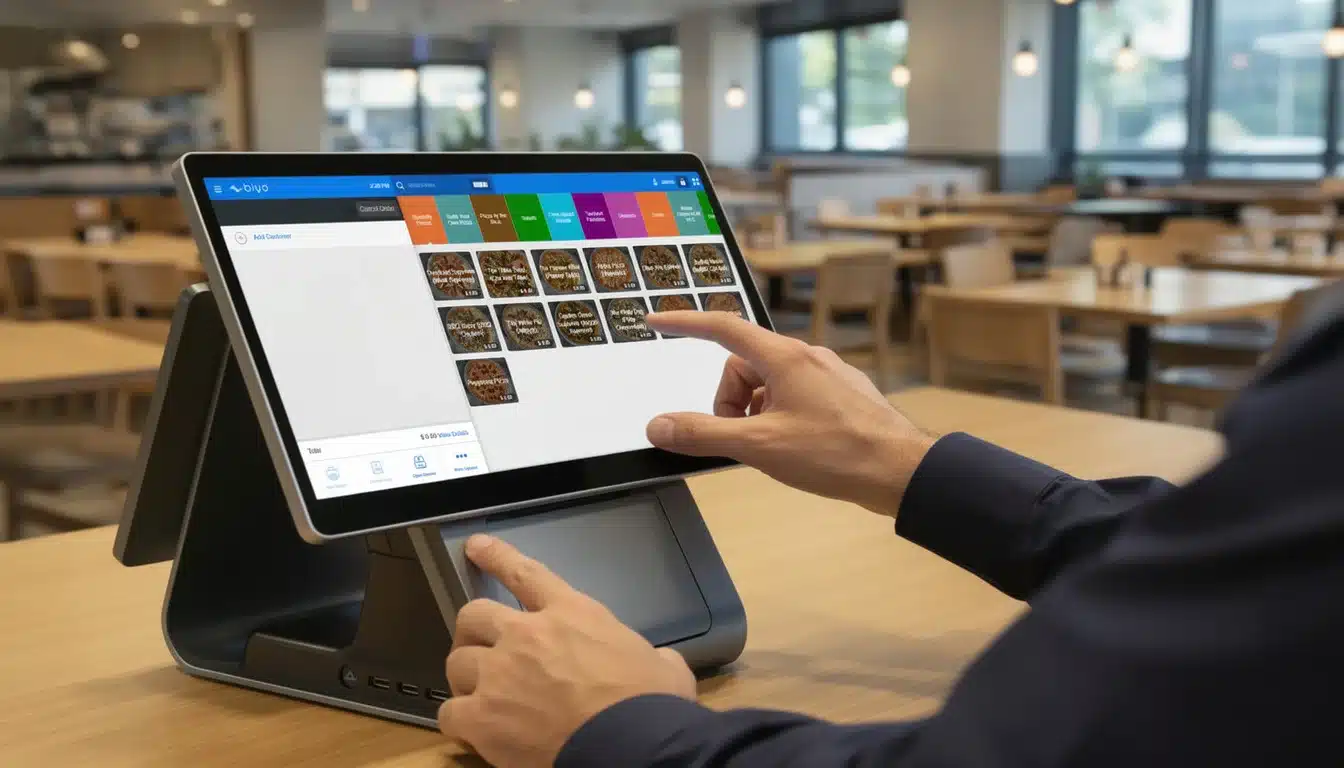
In physical retail environments, POS efficiency significantly shapes perceived service quality. Systems like Biyo POS reduce transaction time and error rates, which directly improves customer satisfaction during high-traffic periods.
Ease of use benefits both customers and employees, amplifying operational efficiency.
Responsive Support for Real-Time Assistance
Customer support defines how a brand handles friction moments.
Responsive support:
* Reduces churn
* Prevents negative reviews
* Strengthens trust
Live chat, social media responsiveness, and proactive notifications improve transparency and reduce uncertainty.
Service recovery is especially powerful. When issues are resolved quickly and empathetically, satisfaction scores often rebound above baseline levels.
Leveraging Feedback for Continuous Improvement
Experience excellence requires continuous adaptation. Feedback is the primary mechanism for improvement.
Effective Feedback Collection Methods
Businesses collect feedback through:
* Post-purchase surveys
* NPS (Net Promoter Score)
* Online reviews
* Social media listening
* Customer interviews
For example, monitoring social media conversations can reveal emerging dissatisfaction before it affects retention.
Multi-channel feedback collection captures both structured and unstructured data, improving insight depth.
Customer Feedback Analysis to Drive Change
Data alone is insufficient. Analysis transforms feedback into strategic action.
Advanced organizations use:
* Sentiment analysis
* Thematic categorization
* Behavioral segmentation
* Trend tracking
If repeated complaints surface about mobile usability, design revisions become priority investments.
Continuous improvement cycles reduce churn and strengthen loyalty.
Feedback’s Role in Enhancing Customer Retention
Customers who see visible improvements based on their feedback develop stronger attachment.
Closing the feedback loop — communicating how suggestions led to changes — increases engagement participation and trust.
Retention improvements of even 5% can increase profitability by 25%–95%, depending on industry margins. Feedback systems therefore contribute directly to financial performance.
Building Loyalty Through Proactive Communication
Loyalty is built through consistent, value-driven communication.
The Impact of Loyalty Programs
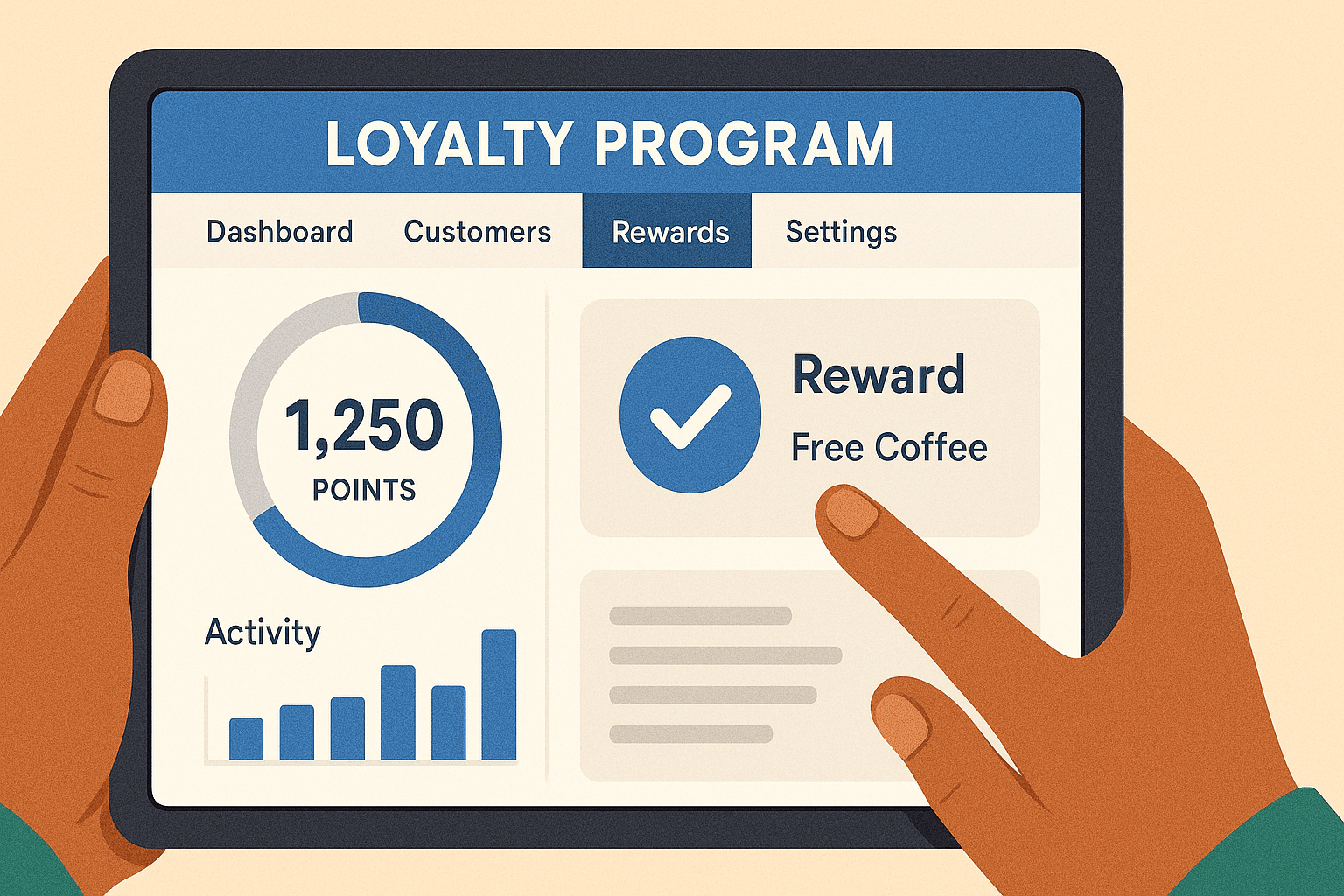
Effective loyalty programs:
* Incentivize repeat purchases
* Collect behavioral data
* Increase customer lifetime value
* Reduce price sensitivity
Integrated systems that allow easy point tracking and redemption increase participation rates.
Loyalty data also fuels personalization strategies, improving marketing ROI.
Proactive Communication Strategies
Proactive communication reduces uncertainty and builds trust.
Examples include:
* Shipping notifications
* Service reminders
* Personalized product recommendations
* Account updates
Multi-channel delivery ensures alignment with customer preferences.
Creating Emotional Connections Through Communication
Emotionally intelligent communication humanizes brands.
Examples include:
* Personalized milestone messages
* Appreciation notes
* Exclusive previews
* Thoughtful follow-ups
These touchpoints shift relationships from transactional to relational.
Advocacy grows from relational engagement.
Optimizing Customer Journeys with Technology
Technology enables scalable personalization and operational precision.
The Role of Modern POS Systems
Modern POS systems integrate:
* Transaction processing
* Inventory management
* CRM data
* Loyalty tracking
* Real-time reporting
Biyo POS allows staff to access purchase history instantly, enabling personalized recommendations at checkout.
Omni-channel synchronization ensures consistent experiences across online and physical environments.
Operational efficiency enhances experience perception.
Experience Design and Touchpoint Optimization Tools
Digital tools provide:
* Heatmap analytics
* A/B testing
* Journey visualization
* Behavior tracking
These insights enable targeted improvements, reducing friction and increasing engagement.
Experience design becomes iterative rather than static.
Using Analytics for Proactive Customer Engagement
Predictive analytics identifies:
* Churn risk
* Upsell opportunities
* Behavior patterns
* Purchase cycles
Targeted interventions, such as re-engagement campaigns, prevent revenue leakage.
Data-driven personalization increases conversion and loyalty simultaneously.

About Biyo POS
Biyo POS is designed to strengthen customer experience through operational integration and real-time insight. By consolidating sales, inventory, loyalty management, and customer analytics into a single platform, Biyo POS reduces friction at checkout and enables personalized service delivery.
Its intuitive interface improves transaction speed, while omni-channel synchronization ensures consistency across online and in-store environments. Advanced reporting tools provide actionable insight for continuous journey optimization.
Retailers seeking measurable experience improvements can leverage Biyo POS to enhance service efficiency, increase retention, and build stronger customer relationships.
FAQ
What is customer experience?
Customer experience is the cumulative perception formed through every interaction a customer has with a brand across the entire lifecycle, from awareness to post-ppurchase engagement.
Why is customer experience important for growth?
Strong customer experience increases retention, lifetime value, referrals, and pricing power. It reduces churn and enhances competitive differentiation.
How does personalization improve customer experience?
Personalization uses behavioral and transactional data to tailor interactions, increasing relevance, engagement, and emotional connection.
What is omni-channel customer experience?
Omni-channel experience ensures seamless interaction across digital and physical platforms without friction or inconsistent messaging.
How does technology support customer experience optimization?
Technology enables data integration, personalization, analytics, automation, and real-time responsiveness — all essential for delivering scalable, high-quality customer experiences.