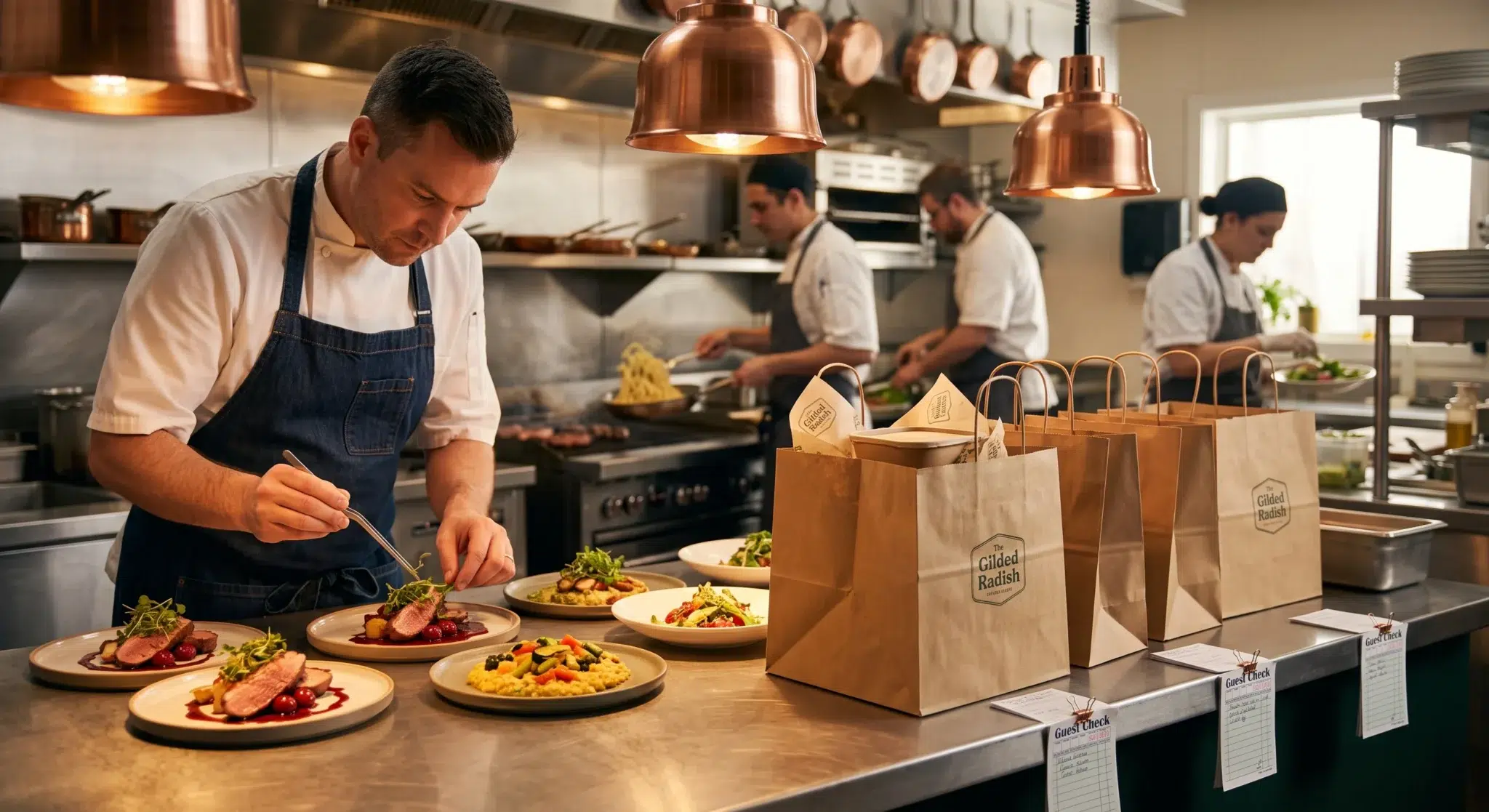
New York has one of the most active hospitality and nightlife industries in the United States. From upscale Manhattan cocktail lounges and rooftop bars to sports pubs, restaurants, hotels, and entertainment venues across the state, bartending continues to offer strong career opportunities for people interested in fast-paced hospitality work.
However, before serving alcohol legally in New York, many aspiring bartenders quickly discover that licensing rules, training requirements, and certification terminology can feel confusing.
People often ask:
Do you actually need a bartending license in New York?
What certifications are required?
How long does training take?
What skills are needed to become employable?
And what separates successful bartenders from people who struggle to break into the industry?
The reality is that New York does not issue a traditional statewide “bartending license” in the same way some professions require government-issued occupational licensing.
Instead, employers usually expect bartenders to complete:
alcohol awareness training, responsible serving certification, and practical bartending education before working in bars or restaurants.
Many hospitality businesses strongly prefer trained candidates because alcohol service involves:
- Legal responsibilities
- Customer safety
- Payment handling
- Inventory management
- Conflict resolution
- Fast-paced customer service
Modern bartending is no longer only about mixing drinks.
Successful bartenders today must manage:
customer experiences, operational efficiency, compliance requirements, upselling, teamwork, and digital POS systems simultaneously.
In this complete guide, we’ll explain how bartending certification works in New York, the requirements most employers expect, how alcohol awareness training functions, the skills bartenders need to succeed, the costs involved, career growth opportunities, and how modern POS systems support bartenders in today’s hospitality industry.
Table of Contents
- Understanding Bartending Licensing in New York
- Requirements for Becoming a Bartender in New York
- Bartending Training and Alcohol Awareness Programs
- Essential Skills Learned During Bartending Training
- Costs and Timeline for Bartending Certification
- How to Build a Successful Bartending Career
- Customer Service and Hospitality Skills That Matter
- How Technology Is Changing Modern Bartending
- Common Mistakes Aspiring Bartenders Make
- Bartending Opportunities in New York
- How Biyo POS Helps Bartenders and Hospitality Businesses
- Frequently Asked Questions
Understanding Bartending Licensing in New York
One of the biggest misconceptions about bartending in New York is the idea that the state issues a formal government bartender license similar to professional occupational licenses.
In reality, New York does not require bartenders to hold a state-issued bartender license to mix and serve drinks.
However, many employers strongly prefer or require:
- Alcohol awareness certification
- Responsible beverage service training
- Bartending school education
- Hospitality experience
Bars, restaurants, hotels, and hospitality groups want employees who understand:
alcohol laws, customer safety, intoxication management, and operational procedures.
Serving alcohol carries significant legal responsibility.
Businesses can face:
fines, lawsuits, license suspension, and reputational damage if employees serve alcohol irresponsibly.
Because of this, trained bartenders often have a major hiring advantage over inexperienced applicants.
Many bartending schools and certification programs in New York focus heavily on:
- Responsible alcohol service
- Drink preparation techniques
- Customer communication
- Bar operations
- POS systems
- Cash handling
Even when certification is not legally mandatory, employers frequently use it as a screening tool during hiring.

Requirements for Becoming a Bartender in New York
While New York does not issue a statewide bartending license, there are still several important requirements aspiring bartenders should understand.
Minimum Age Requirements
New York alcohol laws require bartenders serving alcohol to generally be:
at least 18 years old.
However, many employers prefer hiring bartenders aged 21 or older because of insurance policies, operational policies, and customer service expectations.
Certain venues such as:
nightclubs, casinos, luxury lounges, and hotel bars may impose stricter age requirements internally.
Alcohol Awareness Training
Many employers require completion of:
state-approved alcohol awareness or responsible beverage service training programs.
These programs teach bartenders how to:
- Verify identification properly
- Recognize intoxication signs
- Refuse service legally
- Handle difficult customer situations
- Understand New York alcohol laws
Training helps reduce legal risk for both employees and businesses.
Background and Professionalism Expectations
While formal background checks vary by employer, hospitality businesses usually evaluate:
professionalism, communication skills, reliability, customer interaction ability, and work ethic carefully during hiring.
Bartending is highly customer-facing work.
Strong interpersonal skills often matter just as much as technical drink knowledge.
Bartending Training and Alcohol Awareness Programs
Many aspiring bartenders attend bartending schools or alcohol awareness programs before applying for jobs.
These programs help students build both:
technical bartending skills and operational confidence.
Responsible Beverage Service Programs
Alcohol awareness programs focus heavily on legal and safety responsibilities.
Topics often include:
- New York alcohol regulations
- Fake ID detection
- Recognizing over-intoxication
- Alcohol liability laws
- Conflict de-escalation
- Responsible serving practices
These programs are especially important because businesses may face major liability issues when alcohol service is mishandled.
Bartending Schools
Bartending schools focus more on practical operational skills.
Training often includes:
- Drink recipes
- Cocktail preparation
- Pouring techniques
- Bar terminology
- Customer interaction
- Cash handling
- Speed and efficiency drills
Some programs also include:
hands-on bar simulations and POS training.
While bartending school is not always required, structured training can help inexperienced candidates enter the industry more confidently.

Essential Skills Learned During Bartending Training
Modern bartending requires much more than memorizing drink recipes.
Professional bartenders manage multiple operational responsibilities simultaneously.
Drink Preparation Skills
Bartenders learn:
- Classic cocktail recipes
- Mixology techniques
- Beer and wine service
- Glassware selection
- Drink presentation
- Speed pouring
Consistency and efficiency are extremely important during busy service periods.
Customer Service Skills
Hospitality remains one of the most important aspects of bartending.
Bartenders interact directly with customers constantly, meaning communication skills heavily influence:
tips, repeat business, and customer satisfaction.
Training often focuses on:
- Handling customer complaints
- Upselling drinks responsibly
- Managing stressful interactions
- Creating positive customer experiences
- Maintaining professionalism under pressure
Operational and Compliance Knowledge
Bartenders must also understand:
- Alcohol laws
- ID verification
- Inventory management
- Cash handling
- POS systems
- Sanitation standards
- Safety procedures
Operational mistakes involving alcohol service can create serious consequences for businesses.
Costs and Timeline for Bartending Certification
The cost of bartending training in New York varies depending on:
- Training provider
- Course depth
- Program duration
- Location
- Certification type
Most alcohol awareness certification programs cost between:
$50 and $150.
Comprehensive bartending school programs may range between:
$200 and $600 depending on course length and included training.
How Long Does Training Take?
Basic alcohol awareness courses can often be completed within:
a single day or weekend.
More comprehensive bartending programs may take:
several weeks depending on scheduling and hands-on training requirements.
Some students complete certification quickly while working another job simultaneously.
Others choose intensive programs designed for rapid career entry.
The timeline also depends on:
job searching, networking, and gaining initial experience.
How to Build a Successful Bartending Career
Many successful bartenders build long-term careers far beyond entry-level bar work.
Hospitality offers opportunities in:
- Fine dining
- Luxury hotels
- Nightlife venues
- Private events
- Resorts
- Entertainment venues
- Restaurant management
Some bartenders eventually move into:
bar management, beverage consulting, event operations, hospitality training, or ownership roles.
Gaining Experience Matters
Practical experience is extremely valuable in hospitality.
Many bartenders begin as:
barbacks, servers, hosts, or support staff before moving into bartending roles.
This experience helps workers understand:
restaurant workflows, customer service standards, and operational coordination.
Networking Helps Significantly
Hospitality hiring often depends heavily on referrals and reputation.
Building relationships with:
managers, bartenders, restaurant owners, and hospitality professionals can create better job opportunities over time.
Customer Service and Hospitality Skills That Matter
Technical drink knowledge alone does not guarantee success in bartending.
Strong hospitality skills are often what separate average bartenders from highly successful ones.
Communication and Personality
Bartenders interact with:
customers, servers, kitchen staff, managers, and coworkers continuously throughout shifts.
Strong communication skills improve:
- Customer satisfaction
- Tips and gratuities
- Team coordination
- Conflict management
- Operational efficiency
Stress Management
Bars and restaurants often become extremely fast-paced during peak hours.
Bartenders must remain:
organized, calm, efficient, and professional under pressure.
Managing stress effectively helps maintain service quality during busy shifts.
Attention to Detail
Small mistakes in bartending can affect:
drink quality, inventory accuracy, customer satisfaction, and operational efficiency.
Attention to detail matters heavily in:
- Drink preparation
- Payment handling
- Inventory control
- ID verification
- Order accuracy

How Technology Is Changing Modern Bartending
Technology now plays a major role in hospitality operations.
Modern bartenders frequently work with:
- POS systems
- Digital ordering tools
- Inventory software
- Customer management systems
- Integrated payment processing
- Reporting dashboards
POS systems help bartenders process orders faster while improving operational accuracy.
Features such as:
custom drink menus, modifier systems, inventory tracking, and integrated payments help businesses operate more efficiently.
Technology also improves:
sales reporting, tip tracking, inventory monitoring, and employee accountability.
Bartenders familiar with modern hospitality systems often become more valuable employees because businesses increasingly depend on operational technology.
Common Mistakes Aspiring Bartenders Make
Many new bartenders focus only on drink recipes while ignoring the broader hospitality responsibilities involved.
Underestimating Customer Service
Bartending is heavily customer-focused work.
Poor communication or weak hospitality skills often hurt performance more than technical drink mistakes.
Ignoring Responsible Serving Rules
Alcohol service laws matter significantly.
Serving intoxicated customers improperly can create:
legal liability, safety risks, and employment problems.
Failing to Learn Operational Systems
Modern bars rely heavily on:
POS systems, inventory tools, and digital workflows.
Bartenders who resist learning operational systems may struggle in modern hospitality environments.
Bartending Opportunities in New York
New York offers one of the largest hospitality markets in the country.
Bartenders can work in:
- Restaurants
- Cocktail lounges
- Hotels
- Nightclubs
- Sports bars
- Event venues
- Catering businesses
- Entertainment venues
Different venues require different skill sets.
Luxury cocktail bars may emphasize:
mixology expertise and presentation.
High-volume sports bars often prioritize:
speed, efficiency, and multitasking ability.
Private events may focus more heavily on:
professionalism, customer interaction, and flexibility.
The variety of hospitality environments allows bartenders to specialize based on their interests and strengths.
How Biyo POS Helps Bartenders and Hospitality Businesses
Biyo POS helps bars, restaurants, and hospitality businesses streamline operations through modern cloud-based POS technology.
The platform supports:
custom drink menus, inventory management, integrated payment processing, employee tracking, customer analytics, and reporting tools designed for hospitality environments.
Bartenders can process orders faster while businesses gain better visibility into:
sales performance, inventory usage, customer trends, and operational efficiency.
Biyo POS also helps reduce:
manual errors, transaction delays, and operational bottlenecks during busy service periods.
If you want to modernize bar operations and improve hospitality workflows, you can explore the platform directly through the Biyo POS signup page.
Frequently Asked Questions
Do you need a bartending license in New York?
New York does not issue a formal statewide bartending license, but many employers require alcohol awareness certification or bartending training.
How old do you need to be to bartend in New York?
In most cases, bartenders serving alcohol in New York must be at least 18 years old, although some employers prefer workers aged 21 or older.
How much does bartending training cost in New York?
Alcohol awareness courses typically cost between $50 and $150, while full bartending programs may range between $200 and $600.
How long does bartending certification take?
Basic certification programs may take only a day or weekend, while more comprehensive bartending schools may last several weeks.
What skills are important for bartenders?
Important bartending skills include customer service, communication, drink preparation, multitasking, POS system operation, and responsible alcohol service.
How does Biyo POS help bartenders?
Biyo POS helps bartenders process orders efficiently, manage drink menus, track inventory, handle payments, and improve operational workflows through integrated cloud-based hospitality tools.