How to Improve Customer Satisfaction & Build Loyalty

How to Improve Customer Satisfaction & Build Loyalty

Happy customers aren't just a nice-to-have; they're the lifeblood of a sustainable business. To get there, you need to focus on a few key areas: making things easy for them, getting personal in your service, and giving your team the power to make things right. It's about shifting from just meeting expectations to actively building relationships that last.

What Customer Satisfaction Really Means Today

Let's cut through the jargon. In today’s world, customer satisfaction isn't just a happy transaction. It's the foundation for real loyalty and word-of-mouth marketing.

Hitting the mark on expectations is just table stakes now. True satisfaction is built on a bedrock of trust, an emotional connection, and a track record of consistently great experiences. It's that feeling a customer gets when they know you genuinely get them and value their business.

This means you have to think differently. Instead of seeing customer service as a cost you have to bear, view every interaction as a chance to strengthen that relationship. It's all about creating a space where people feel heard and appreciated every single time they interact with you. If you're looking for a broader overview, there are some excellent strategies to improve customer satisfaction and build loyalty you can explore.

Moving Beyond Satisfaction to Loyalty

Getting high satisfaction scores is a fantastic start, but don't mistake it for guaranteed repeat business. There's a surprising gap between how a customer feels about one interaction and whether they'll stick with you for the long haul. In fact, research from Qualtrics on global consumer trends shows that while satisfaction levels are holding steady, key loyalty metrics like trust and the intent to buy again are actually falling behind.

This tells us something crucial: a satisfied customer isn't automatically a loyal one.

The takeaway is clear: businesses must focus on fostering deeper trust and encouraging customers to become active advocates for their brand, moving beyond simple satisfaction metrics.

The Pillars of a Customer-Centric Approach

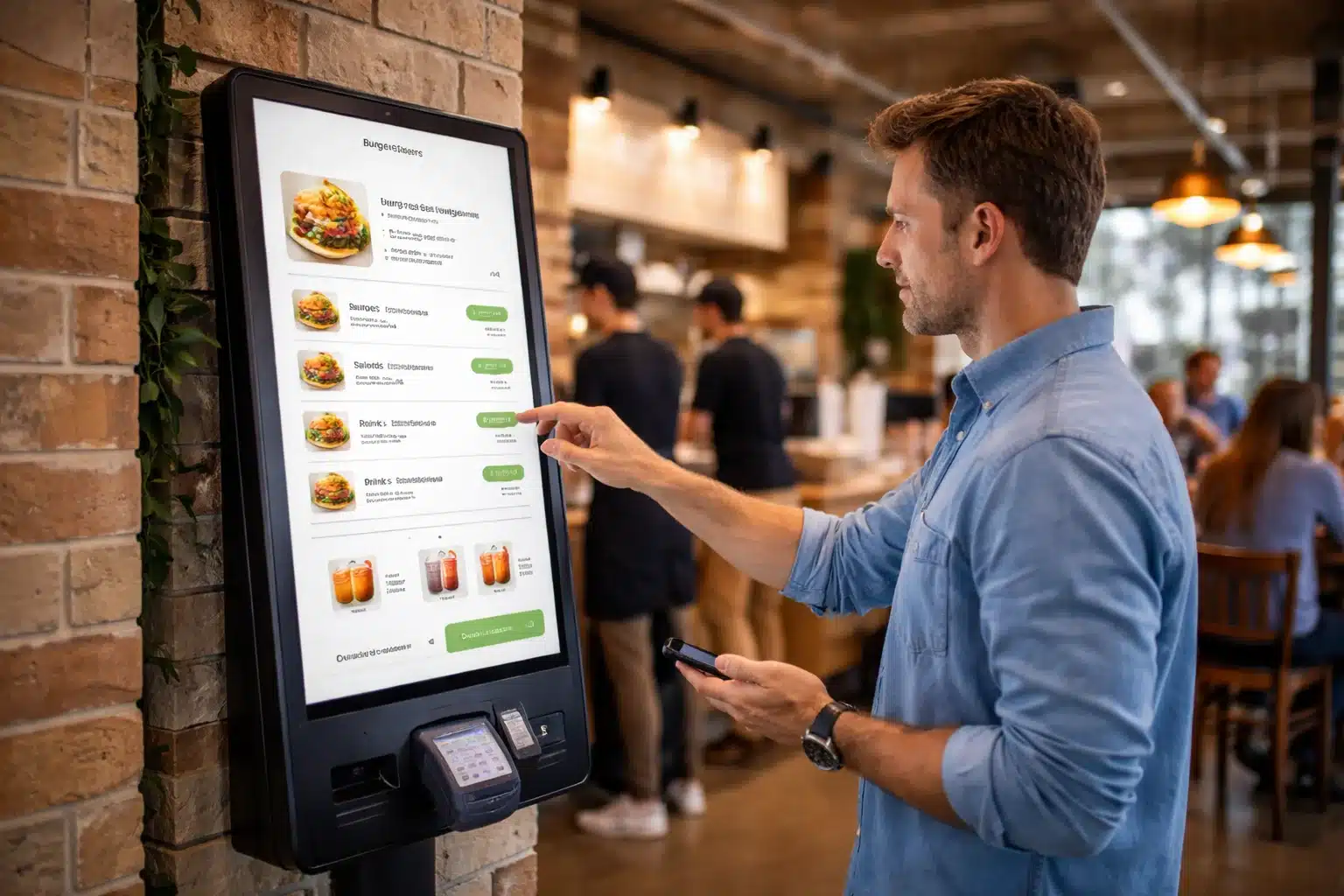
To build these kinds of lasting relationships, you need a solid game plan. This involves weaving a customer-first attitude into everything you do, from the technology you choose to how you train your staff. For example, a modern POS system is a game-changer here, helping you speed up checkout while gathering the insights you need to make every interaction more personal.

The core pillars of this approach are pretty straightforward:

  • Effortless Experiences: Make every interaction smooth, fast, and dead simple.
  • Personal Connection: Use what you know about your customers to make them feel seen and understood.
  • Empowered Teams: Give your staff the tools and the authority they need to truly delight customers.

Let's break down these core ideas into a quick reference table.

Key Pillars for Improving Customer Satisfaction

This table outlines the foundational strategies that are essential for building a truly effective customer satisfaction program. Think of it as your cheat sheet for creating loyal fans.

Pillar Core Principle Business Impact
Effortless Experiences Reduce friction at every touchpoint, from discovery to checkout. Increases conversion rates and reduces cart abandonment.
Personal Connection Use customer data to create relevant and memorable interactions. Boosts customer lifetime value and fosters emotional loyalty.
Empowered Teams Equip staff with the right tools and authority to solve problems on the spot. Improves first-contact resolution and increases employee morale.
Active Listening Systematically collect, analyze, and act on customer feedback. Drives continuous improvement and shows customers you value their opinion.

By focusing on these areas, you can turn one-time buyers into the loyal advocates who will sing your praises and drive your growth for years to come.

Streamline Service for Effortless Experiences

In our on-demand world, friction is the ultimate enemy of a great customer experience. People just don't have the patience for delays, repeating themselves, or fumbling through a confusing process. Every little snag, no matter how minor it seems, chips away at their goodwill and nudges them closer to your competition. The secret to making customers happy is making every interaction feel completely effortless.

This is all about hunting down the bottlenecks in your service and smoothing them out. Think about a coffee shop where a regular’s usual order is ready moments after they walk in—all because their POS remembers their preferences. Or a boutique where checkout is a breeze because the inventory management is so tight that they never have to hunt for an item. These aren't just minor conveniences; they're powerful signals that you truly value your customer's time.

Pinpoint and Eliminate Service Bottlenecks

First things first, you need to figure out where people are getting stuck. Are there long lines at the counter? Is your online checkout a multi-step nightmare? Or is it the classic frustration of a customer having to explain their problem to three different people?

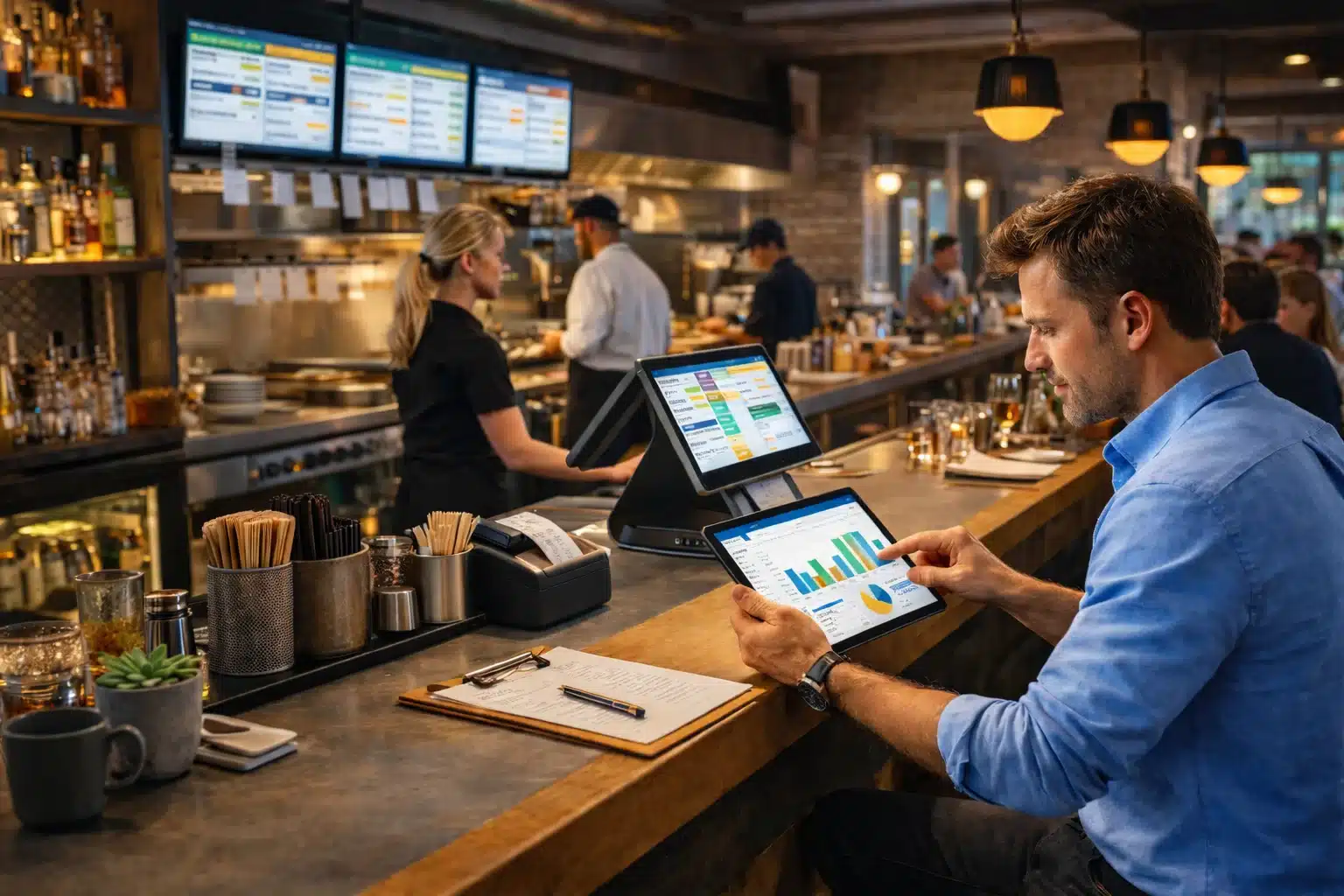
This is where a good POS system becomes your best friend. It gives you the hard data to see exactly where transactions are bogging down. It also gives your team instant access to customer history, so anyone can step in and solve a problem without missing a beat. These small boosts in efficiency add up fast, making a huge difference in overall customer happiness. Speed and accuracy are the name of the game here. You can dig deeper into how to improve order accuracy with fast tips for error-free transactions in our guide.

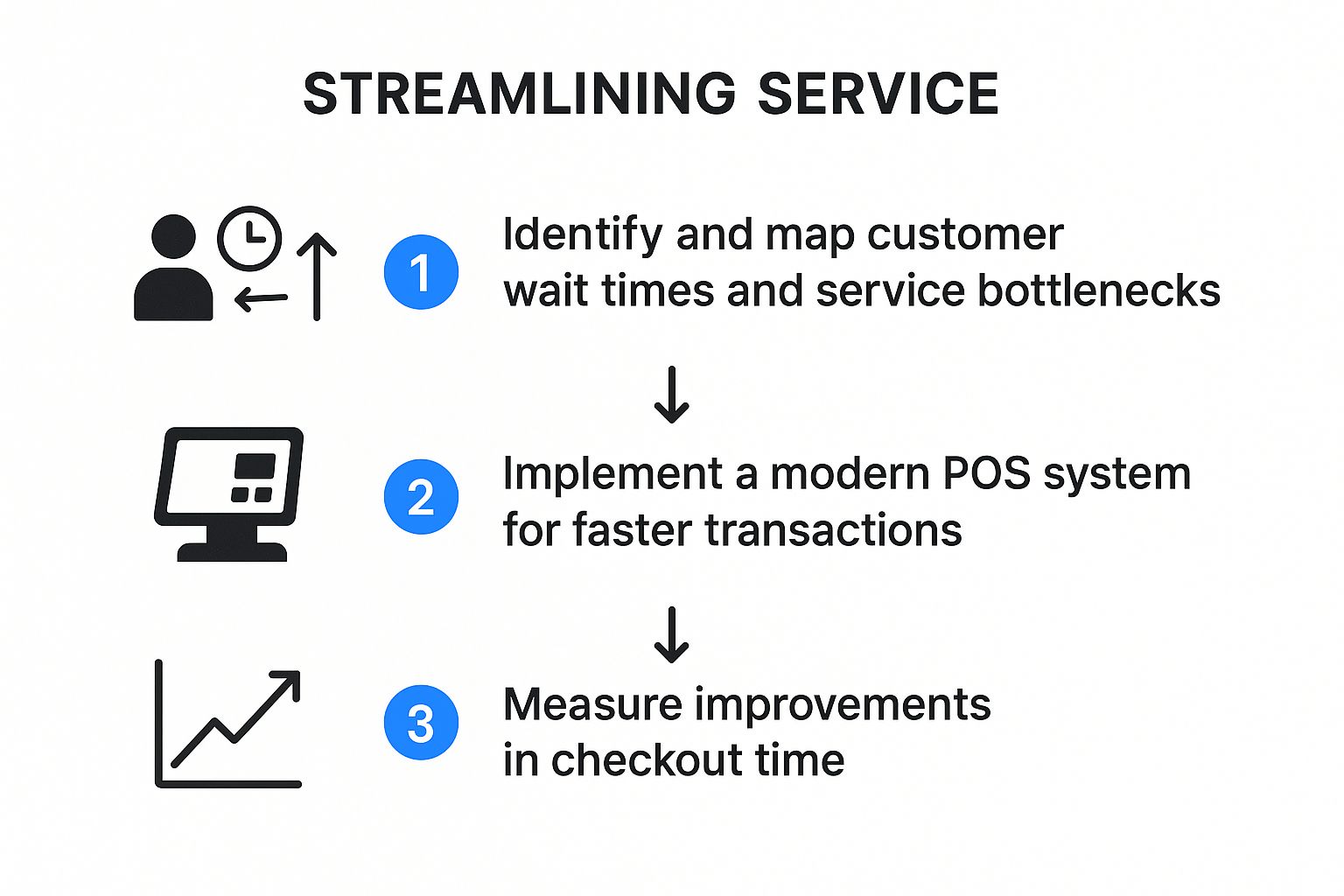
This flow chart breaks down the process of finding and fixing those service delays.

Infographic about how to improve customer satisfaction

As you can see, it lays out a clear path from spotting wait times to using technology like a solid POS to measure the improvement.

Meet the Demand for Speed and Convenience

The need for speed isn't just a "nice to have" anymore—it’s a core expectation that directly hits your wallet. The numbers don't lie. By 2025, a massive 72% of customers will expect immediate service when they need help. On top of that, 64% are willing to spend more with a business if their problems are solved right then and there.

The stakes are high. Over half of all customers will jump ship to a competitor after just one bad experience, which shows you just how little room for error there is.

The message from consumers is loud and clear: fast, efficient, and convenient service is no longer a bonus—it's the standard. Businesses that fail to meet this expectation risk losing customers in the blink of an eye.

When you make your service as smooth and quick as possible, you're directly answering that call. Making speed a priority isn't just about being more efficient behind the scenes; it's a core strategy for creating the kind of positive experiences that build real, lasting loyalty.

Deliver the Seamless Omnichannel Journey Customers Expect

A person using their phone to scan a QR code on a product in a retail store, showing an omnichannel experience.

Your customers don’t think in terms of channels. They see your website, your app, and your physical store as a single entity—your brand. So when they move between them, they expect the experience to be completely fluid. That’s the reality of the modern "bring-it-to-me" economy, and it's a huge piece of the customer satisfaction puzzle.

The goal is to erase the lines between your digital and physical operations. Any friction in that transition creates instant frustration. Think about the last time you ordered something online for pickup, only to show up and find out it was actually out of stock. It’s an experience that immediately sours your perception of that business.

Sync Digital and Physical Operations

The secret to a winning omnichannel strategy is real-time data synchronization. Your online store needs to know what’s happening on your shop floor, and your in-store team needs visibility into online activity.

This is where a modern POS system becomes your command center. By automatically syncing inventory levels across every place you sell, you can virtually eliminate those dreaded out-of-stock scenarios. Everyone is working from a single source of truth, ensuring the product info a customer sees online is always reliable. If you want to dig deeper into the concept, you can explore our full guide on what omnichannel retail really means.

Make Buying and Returning Easy

Flexibility is one of the most powerful tools you have for delighting customers. Offering convenient options like "buy online, pick up in-store" (BOPIS) or curbside collection speaks directly to how people want to shop today.

But these services have to be executed perfectly. A smooth process looks something like this:

  • Instant Updates: The customer gets an immediate order confirmation, followed by a clear notification when it’s ready.
  • A Clear Pickup Spot: You have a well-marked, easy-to-find area for customers to collect their orders.
  • A Quick Hand-Off: Your team can find the order in seconds, so the customer isn’t left waiting.

The same logic applies to returns. A difficult return policy can ruin an otherwise great shopping experience. By letting customers return online purchases in-store, you give them a massive convenience boost. It also gives you another chance to connect with them in person and maybe even turn that return into an exchange or a new sale.

Modern consumer expectations are heavily tilted toward convenience, speed, and reliability. These factors directly influence satisfaction levels and retention across the globe.

According to McKinsey's 2025 State of the Consumer report, over 90% of consumers in major markets now shop at online-only retailers monthly—a clear signal of where shopping is headed. The businesses that master the blend of digital and physical are the ones who will come out on top. You can read more about the findings on global consumer behavior directly from the source.

Use Data to Personalize the Customer Journey

A store owner using a tablet POS to show a customer personalized product recommendations based on their purchase history.

Let's be honest, generic service just doesn't cut it anymore. In a sea of options, what truly makes a customer feel valued is a personalized experience. It’s that feeling of being seen and understood that transforms a routine transaction into something memorable.

This is where your customer data comes into play. The goal isn’t to be invasive but to be thoughtful. When you ethically use what you know about your customers, it feels less like you're mining data and more like you're simply offering attentive service—anticipating needs before they're even voiced.

Leverage Purchase History for Smarter Service

Think of your point-of-sale system as more than just a cash register. It’s a treasure trove of insights. Every sale logged tells you something about what your customers love, what they tend to buy together, and when they're most likely to stop by.

Imagine a barista who glances at the POS, sees a regular’s usual order, and starts making it right away. Or a boutique employee who can pull up a customer's past purchases and suggest a new top that would go perfectly with the jeans they bought last month. That’s not just good service; it's smart, proactive service that makes people feel truly understood. This approach is key, and a solid CRM can help you skyrocket your customer loyalty fast by making these moments happen.

Using data to personalize the customer journey isn't about being invasive; it's about being observant. It’s the digital equivalent of a shopkeeper knowing a regular's name and usual order.

Build Loyalty Programs That Actually Reward Loyalty

So many loyalty programs miss the mark. They're often just a race to reward spending, not genuine loyalty. By using your sales data, you can craft programs that feel far more meaningful because they recognize specific behaviors and preferences.

Ditch the generic "buy 10, get one free" punch card for something tailored to what your customers actually like.

  • Coffee Shop Regular: After they've purchased a few different roasts, surprise them with a free tasting of a new single-origin bean.
  • Fashion Follower: Give them early access to a new collection from a designer they've bought before.
  • Restaurant Fan: Send a surprise offer for a complimentary appetizer you know they love to order.

This targeted approach proves you’re paying attention. It turns a simple discount program into a powerful way to build a real connection, boosting satisfaction and keeping them coming back.

Turn Your Team into Customer Service Superstars

A team of smiling employees collaborating in a bright, modern office, looking empowered and engaged.

While technology is a fantastic co-pilot for keeping customers happy, it's your people who are truly flying the plane. Your front-line staff aren't just employees; they are the living, breathing embodiment of your brand. Giving them the power to be genuine customer champions is probably the single most impactful thing you can do for customer satisfaction.

An empowered team doesn't need to say, "Let me get my manager." They have the know-how, the tools, and the trust from you to resolve issues right then and there. This freedom can instantly flip a negative experience into a positive one, building serious customer loyalty through quick, thoughtful action.

Arm Your Staff with the Right Gear and Knowledge

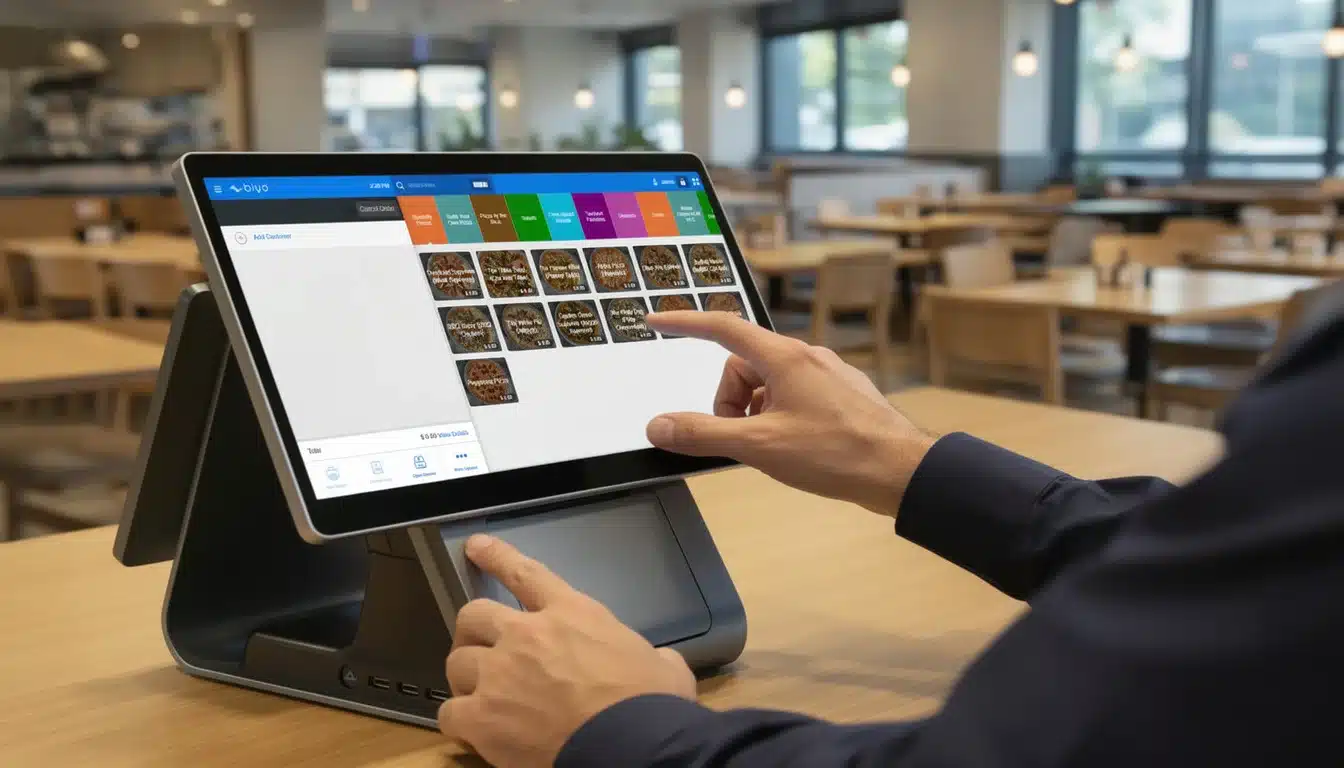
You can't expect world-class service from a team fumbling with clunky, outdated systems. The foundation of empowerment is giving them tools that actually work. An intuitive POS like Biyo POS is a game-changer. When your staff can fly through transactions, pull up a customer's purchase history, or manage orders without a headache, they can focus their attention on the person in front of them, not the frustrating screen.

Of course, great tools are only half the battle. This needs to be backed by solid training. Your team should know your products and policies inside and out, but more importantly, they need to be grounded in the core principles of what makes customer service great. They need to feel confident enough to handle whatever curveballs a customer might throw their way.

Investing in your team is a direct investment in your customer relationships. An employee who feels supported and equipped is far more likely to go the extra mile for a customer.

Give Them the Freedom to Solve Problems

Nobody likes being micromanaged. It slows everything down and frustrates your team and your customers. The secret is to give your staff the autonomy to make decisions on the spot. Create a clear-but-flexible framework for what they can offer—a small discount, a freebie, a refund—without having to run to you for every little thing.

Think about this everyday situation:

  • The Problem: A regular at your coffee shop gets the wrong pastry. They're nice about it, but you can tell they're bummed because their favorite is now sold out.
  • The Standard Response: The cashier says sorry and offers to swap it or refund the pastry. The customer leaves feeling… fine. Not angry, but not thrilled.
  • The Empowered Response: The employee offers a sincere apology, immediately refunds the pastry, and hands the customer a voucher for a free coffee and pastry on their next visit. They make it personal, saying something like, "I'm so sorry we were out of your favorite—please let us make it up to you next time."

This small gesture does so much more than just fix a simple mistake. It tells the customer you genuinely care about their experience. You’ve just turned a moment of disappointment into a memorable, positive interaction that locks in their loyalty. The numbers back this up: a staggering 86% of customers will walk away after a bad experience, which makes that first-contact resolution absolutely critical.

Turn Customer Feedback Into Actionable Improvements

Getting better at customer satisfaction isn't a "one-and-done" project. It's really a constant loop: you listen, you learn, you adapt, and you repeat. To make real progress, you have to build a system for catching what your customers think and feel at every point they interact with your business.

This feedback is practically everywhere if you know where to look. It’s in the post-purchase surveys you send, the comments on your social media, and the reviews left on platforms like Google or Yelp. Every single piece of it, good or bad, is a clue telling you what’s working and what’s not.

From Raw Data to Real Insights

Just collecting feedback isn’t enough. The real breakthrough comes when you start digging in and looking for patterns. One customer complaint about a slow checkout might be a fluke, but if ten people mention it, you’ve just found a major opportunity for improvement.

To make sense of it all, I find it helps to sort feedback into a few key buckets. This simple step can help you see the bigger picture beyond individual comments.

  • Product/Service Feedback: Anything related to what you actually sell. Is a dish too salty? Is a product not working as expected?
  • Process Issues: Comments about the how. This could be about your checkout process, delivery speed, or how returns are handled.
  • Staff Interactions: Feedback that singles out a team member (for good or bad) or comments on the overall vibe of your service.
  • Environment/Ambiance: Thoughts on your physical store, your website's design, or even the music you play.

Organizing feedback this way helps you stop putting out small fires and start fixing the root causes of customer headaches. It’s a foundational strategy for making systematic, lasting improvements.

Closing the Feedback Loop

After you spot a trend and make a change, there's one last step that most businesses forget: tell people about it. Let your customers know you heard them. A quick post on social media or a short blurb in your next email can go a long way.

For example, you could post something like, "You asked, and we listened! Based on your amazing feedback, we've added more gluten-free options to our menu."

This simple act of "closing the loop" does more than just announce an update. It proves that you actually value your customers' opinions and are building a business that grows with them, not just for them. It turns feedback from a simple score into a powerful way to build trust and show you’re serious about keeping them happy.

Your Top Questions Answered

We’ve covered the big strategies, but sometimes you just need a quick, straightforward answer. Here are some of the most common questions we get about boosting customer satisfaction.

What's the Single Most Important Skill for My Team?

If I had to pick just one, it would be empathy. Hands down.

Empathy is about genuinely trying to understand what the customer is feeling. When your team can put themselves in a frustrated customer’s shoes, they stop just solving problems and start building relationships.

Even when you can't offer the perfect solution, a response delivered with real care and understanding can completely defuse a tense situation. It turns a potential one-star review into a moment that actually strengthens a customer's loyalty.

How Do I Actually Measure Customer Satisfaction?

You've got a few great tools in your belt, and the best strategy is usually to combine them. Think of it like a diagnostic toolkit for your business.

Here are the big three:

  • Net Promoter Score (NPS): This is the classic "How likely are you to recommend us?" question. It's a fantastic gauge of overall loyalty.
  • Customer Satisfaction Score (CSAT): This is your immediate feedback tool, usually asking, "How satisfied were you with this interaction?" It's perfect for checking the pulse right after a purchase or support chat.
  • Customer Effort Score (CES): This one asks how easy it was for a customer to get their issue resolved. It’s a huge indicator of whether they'll come back.

My best advice? Keep it simple. No one wants to fill out a 20-question survey. A few well-placed, targeted questions will give you far more valuable feedback than a massive questionnaire that everyone abandons halfway through.

How Fast Do I Really Need to Respond to Customers?

The honest answer? As fast as you humanly can.

Customer expectations have skyrocketed. People expect near-instant service, and while that's not always possible for every business, a quick response shows you respect their time. It’s a powerful signal that you’re taking their issue seriously.

For emails and support tickets, try to reply within a few business hours. For social media, the clock ticks even faster—aim for under an hour. Speed isn't just about being efficient; it's about showing you care.


Ready to give your team the tools they need to deliver exceptional service? Biyo POS brings everything together—from smooth transactions to customer insights—so you can build the kind of experiences that create customers for life. Explore Biyo POS and start your free trial today.

Related Posts