
Third-party delivery apps are eating your profits. Literally.
Every order through UberEats, DoorDash, or Grubhub costs restaurant owners between 15% and 30% in commission fees. That $50 order? You might only see $35 of it. Over a year, those fees add up to thousands of dollars walking out the door.
The good news? A restaurant online ordering system with no commission fees exists. And it can transform how your business handles digital orders.
This guide breaks down exactly how commission-free ordering works, what features matter most, and how to keep more money in your pocket.
The Hidden Cost of Third-Party Delivery Apps
Third-party platforms built their business on convenience. Customers love the easy ordering experience. Restaurant owners love the exposure.
But that convenience comes at a steep price.
The average restaurant loses $6,992 in the first year to commission fees alone. For high-volume locations, that number climbs much higher. A busy pizzeria processing 50 online orders daily at $30 average could lose over $100,000 annually to platform fees.
The math is brutal. Restaurants already operate on thin margins: typically 3% to 9%. Handing over 30% of each online order erases profits entirely on those sales.
Meanwhile, these platforms also control something equally valuable: your customer data. When someone orders through a third-party app, that relationship belongs to the platform. Not you.
What Is a Commission-Free Online Ordering System?
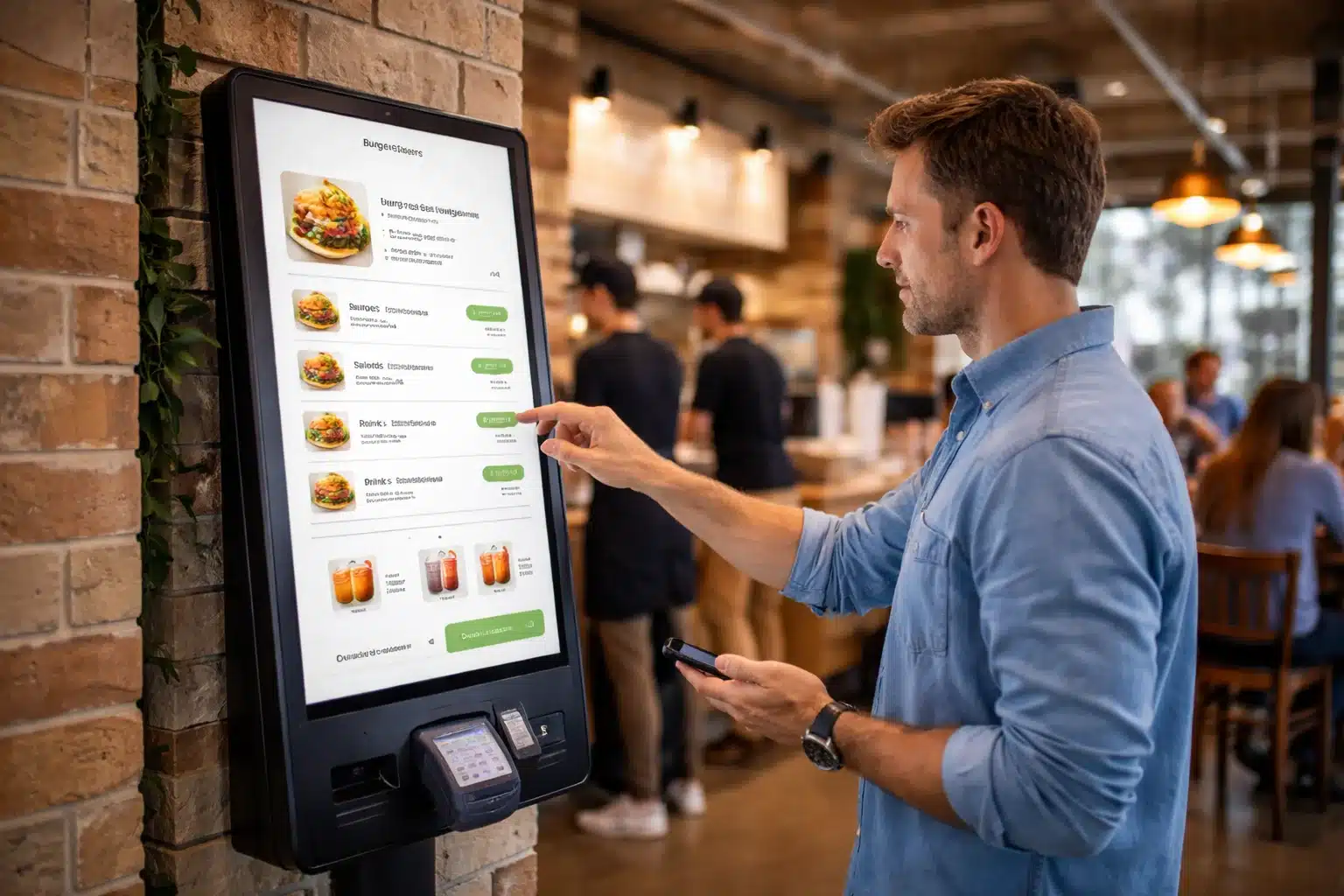
A commission-free ordering system lets customers place orders directly through your website, app, or social media pages. No middleman. No percentage taken from each sale.
Instead of paying per-order commissions, restaurants typically pay a flat monthly fee or one-time setup cost. Some platforms offer completely free core features.
The difference in business model changes everything.
With commission-based platforms, the more successful you become, the more you pay. With flat-fee systems, your costs stay predictable regardless of order volume. Sell 100 orders or 1,000 orders: your software cost remains the same.
This structure rewards growth instead of penalizing it.
Key Features to Look for in a Commission-Free System
Not all ordering platforms deliver equal value. When evaluating options, prioritize these capabilities:
Zero Commission Structure
This seems obvious, but read the fine print. Some platforms advertise "commission-free" while charging hidden fees on payment processing, delivery coordination, or premium features.
No Setup Fees or Long-Term Contracts
The best systems let you start quickly without major upfront investment. Avoid platforms requiring annual commitments before you've tested the service.
Website and Social Media Integration
Customers should order from wherever they find you. Look for systems that embed into your existing website, Facebook page, Instagram profile, and Google Business listing.
Mobile-Responsive Design
Over 60% of online food orders happen on mobile devices. Your ordering interface must work flawlessly on phones and tablets.
Real-Time Order Management
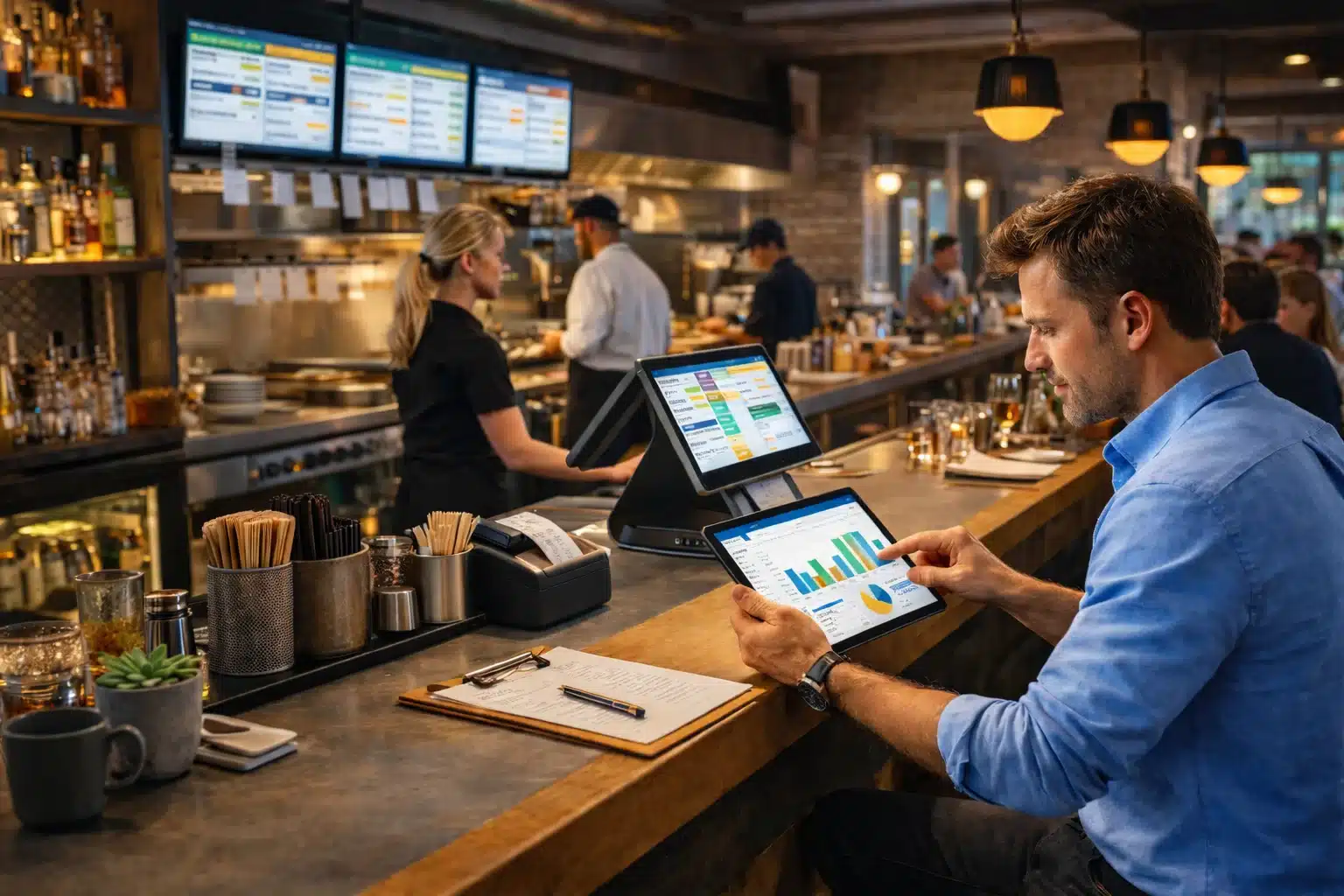
A dashboard showing incoming orders, preparation status, and delivery tracking keeps your kitchen running smoothly. Integration with your existing POS system prevents double-entry and errors.
Built-In Delivery and Pickup Options
Flexibility matters. Customers want choices. Your system should handle dine-in orders, curbside pickup, and delivery seamlessly.
How Much Can You Actually Save?
The savings from switching to commission-free ordering compound quickly.
Consider a neighborhood restaurant averaging $8,000 monthly in online orders through DoorDash at 25% commission. That's $2,000 monthly: $24,000 yearly: paid to the platform.
A commission-free alternative charging $100 monthly costs $1,200 annually. The difference? $22,800 back in your pocket.
That money funds a new hire. Or kitchen equipment. Or marketing to bring in more customers. Or it simply becomes profit.
The calculation becomes even more favorable as order volume increases. Online orders typically generate 30% more revenue than phone or in-person orders. Customers browse longer, add more items, and order more frequently when the process feels effortless.
Growing online sales with a commission-free system means pure margin expansion. Every additional order adds profit instead of feeding platform fees.
Benefits Beyond Cost Savings
Money matters most. But commission-free systems deliver advantages beyond the financial.
You Own Your Customer Relationships
When orders come directly to you, customer contact information stays in your database. You can send promotional emails, birthday discounts, and loyalty rewards. Third-party apps keep that data locked away.
Brand Consistency
Your ordering page reflects your restaurant's personality. Custom colors, photos, and messaging create a cohesive experience. Generic third-party interfaces make every restaurant look identical.
Menu Control
Update prices instantly. Add seasonal specials. Remove sold-out items. No waiting for platform approval or navigating complicated merchant portals.
Customer Loyalty Programs
Build repeat business with points systems, punch cards, or exclusive offers. Direct relationships enable tracking every customer interaction and personalizing their experience.
Higher Customer Lifetime Value
Customers ordering directly tend to return more often. They associate the experience with your brand, not the delivery app. This naturally leads to stronger loyalty and word-of-mouth referrals.
Making the Switch: What to Expect
Transitioning from third-party platforms to direct ordering requires some effort. But the process is simpler than most owners expect.
Step 1: Choose Your Platform
Evaluate options based on your specific needs. Single-location restaurants might prefer simple, low-cost solutions. Multi-location operations need more robust management features. Look for systems that integrate with your existing POS and business tools.
Step 2: Set Up Your Digital Menu
Most platforms let you import existing menus or build from scratch. Invest time in quality photos and clear descriptions. Your menu design directly impacts sales.
Step 3: Integrate With Your Website
Embed ordering buttons prominently on your homepage. Add links to your Google Business profile and social media pages. Make ordering impossible to miss.
Step 4: Train Your Team
Staff need to understand how orders flow into the kitchen. Practice the process before going live. Ensure everyone knows how to handle modifications, refunds, and customer questions.
Step 5: Promote Direct Ordering
Tell customers about your new system. Table tents, receipt messages, and social media posts encourage people to order directly. Many restaurants offer small discounts for direct orders to accelerate adoption.
The All-in-One Advantage
The most effective commission-free systems do more than take orders. They function as complete restaurant operating platforms.
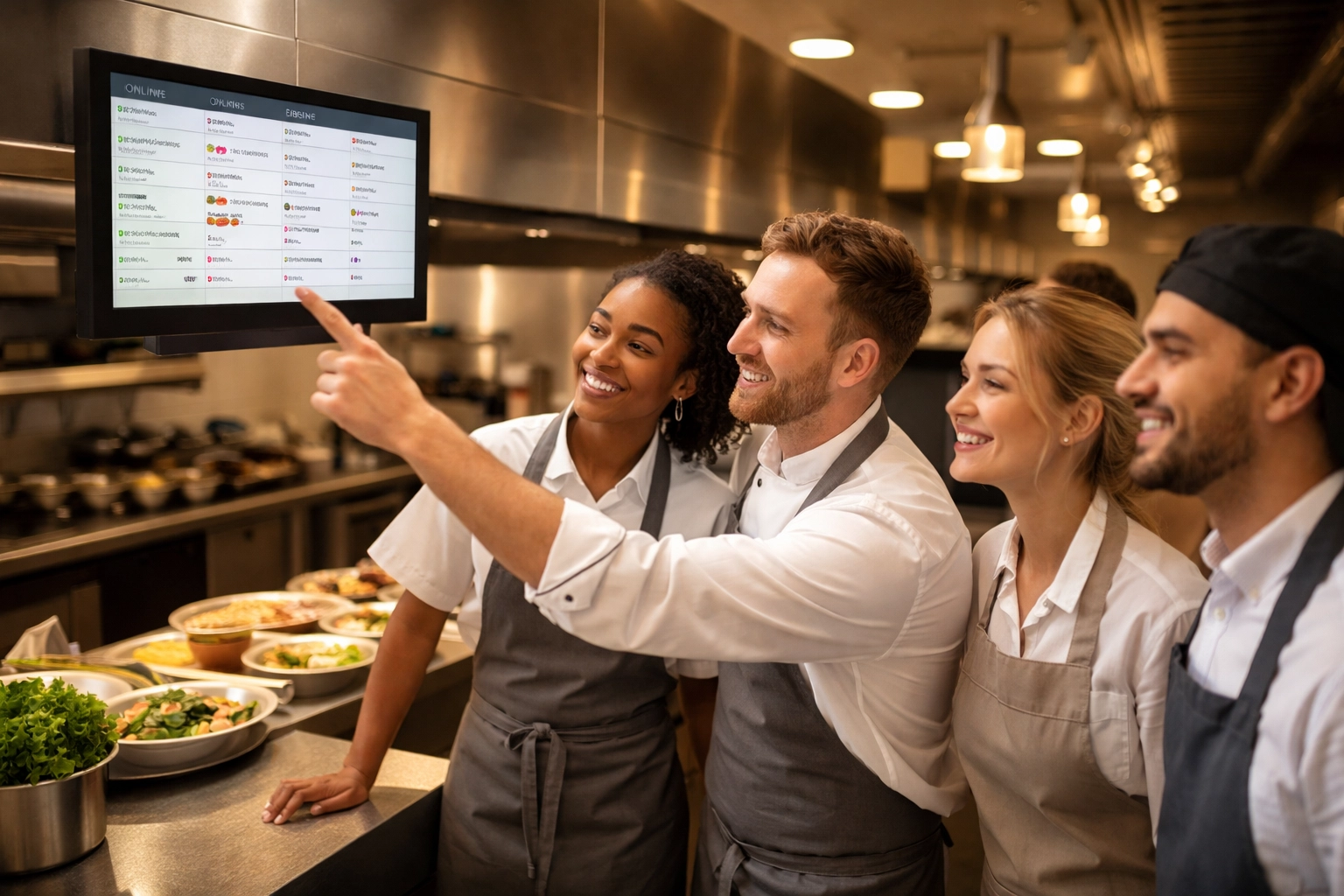
Biyo POS exemplifies this approach. Online ordering integrates directly with point-of-sale terminals, kitchen display systems, and inventory management. Orders flow from customer phones to kitchen screens without manual intervention.
This integration eliminates errors. No more handwriting online orders onto tickets. No more forgetting to enter sales into your POS. Everything syncs automatically.
The all-in-one model also simplifies accounting. Sales reports combine in-person and online transactions in unified dashboards. Understanding your true business performance becomes effortless.
For restaurants serious about growth, this operational efficiency matters as much as commission savings.
When to Keep Third-Party Apps
Commission-free ordering should handle most of your digital sales. But third-party platforms still serve a purpose.
New restaurants benefit from marketplace exposure. Customers browsing DoorDash discover restaurants they'd never find otherwise. That visibility has value: especially during launch phases.
The smart strategy treats third-party apps as customer acquisition channels rather than primary sales platforms. Accept the commission hit on first orders, then convert those customers to direct ordering for future purchases.
Include promotional materials with every third-party delivery. A simple card saying "Order direct next time and save 10%" redirects traffic to your commission-free system.
Start Saving Today
Every day using commission-heavy platforms costs money. The math is unavoidable.
A restaurant online ordering system with no commission fees puts control back where it belongs: with you. You set the prices. You own the customer relationships. You keep the profits.
The technology exists. Setup takes days, not months. And the return on investment starts with your very first order.
Your restaurant works too hard for platforms to take 30% off the top. It's time to change that equation.