Opening a restaurant in Kansas is both an ambitious and rewarding journey. With its vibrant hospitality industry, supportive business environment, and diverse dining culture, Kansas offers aspiring restaurateurs plenty of opportunities to thrive. However, succeeding in this field requires more than culinary passion — it demands careful planning, strict adherence to state and local regulations, and smart business strategies. From business licensing and food service permits to hiring staff and marketing effectively, every step matters. This guide will walk you through the critical stages of opening a restaurant in Kansas, helping you understand the requirements, anticipate challenges, and position your business for long-term success.
Table of Contents
- Understanding Licenses and Permits
- Choosing the Right Location and Zoning
- Managing Startup Costs and Equipment
- Menu Planning and Supplier Selection
- Restaurant Marketing and Community Engagement
Understanding Licenses and Permits
Before you can officially begin opening a restaurant in Kansas, you must secure the proper licenses and permits. These approvals not only legitimize your business but also demonstrate your commitment to safety, compliance, and professionalism. Without them, you risk facing fines, closure, or even lawsuits. Let’s explore the critical requirements in detail.
Business License and Registration
Registering your business is the first official step toward opening a restaurant in Kansas. You must file with the Kansas Secretary of State to establish your entity — whether you’re forming a sole proprietorship, partnership, LLC, or corporation. Each structure has unique benefits: for example, an LLC protects your personal assets, while a corporation may be better for attracting investors. Once registered, you must also obtain an Employer Identification Number (EIN) from the IRS, which is essential for payroll, taxes, and hiring. Skipping this step could create compliance issues later and complicate future growth plans.
Another key part of registration is securing your business license Kansas authorities require. This license confirms your restaurant is legally recognized and grants you access to various small business resources across the state. For instance, many Kansas cities offer workshops, mentorship programs, and networking opportunities to help new restaurant owners succeed. By completing registration early, you can tap into these resources, which provide valuable insights into restaurant regulations and operational best practices.
Finally, Kansas zoning requirements come into play once your business is legally registered. You cannot assume that every attractive location is zoned for food service. Local zoning offices will determine whether your planned site complies with restaurant regulations. Overlooking zoning laws could mean signing a lease for a space you cannot legally use, leading to wasted money and delays. Therefore, confirm zoning compliance before making any financial commitments to avoid costly mistakes.
Food Service Permits and Health Department Approval
Acquiring a food service permit is non-negotiable when opening a restaurant in Kansas. Issued by the Kansas Department of Agriculture or local health departments, this permit verifies that your establishment meets sanitation, food safety, and facility requirements. Inspectors evaluate everything from food storage and refrigeration to kitchen cleanliness and staff hygiene practices. These inspections are not just a formality; they safeguard public health and protect your restaurant’s reputation. Passing your initial inspection sets the tone for smooth operations and demonstrates professionalism from day one.
Designing your commercial kitchen around Kansas health department standards is essential. For example, regulations require separate prep areas for raw meat and produce to prevent cross-contamination. You must also install adequate refrigeration systems, maintain strict temperature controls, and set up proper waste disposal processes. These compliance rules may feel overwhelming at first, but they are critical for both safety and efficiency. Consider consulting with architects and contractors experienced in restaurant design to ensure your layout satisfies every regulation before your health inspection.
Even after approval, compliance is an ongoing responsibility. Kansas requires periodic health inspections to ensure restaurants continue following sanitation rules. Training your staff to earn food handler certification is one of the best ways to stay compliant. Certified employees understand proper handwashing, cross-contamination prevention, and safe cooking temperatures. Beyond meeting state laws, a strong record with the health department builds customer trust, as many diners check inspection ratings before choosing where to eat. Treat these inspections not as hurdles, but as opportunities to strengthen your business credibility.
Liquor License and Compliance Rules
If you plan to serve alcohol, you must secure a liquor license Kansas regulators enforce through the Alcoholic Beverage Control division. This process involves detailed applications, background checks, and significant fees. For example, a mixed beverage license allows you to serve cocktails, while a limited license may only permit beer and wine sales. Understanding the right license type for your concept is crucial, as applying for the wrong one can delay your opening and waste money. Since liquor sales often boost profits considerably, this investment is well worth the effort.
Compliance does not end once your liquor license is approved. Kansas has strict laws about serving alcohol, such as prohibiting sales to minors and requiring servers to complete alcohol awareness training. Violating these rules can result in fines, license suspension, or even permanent revocation. Therefore, every member of your staff must be trained in compliance. Implementing clear policies on ID checks, intoxication management, and closing hours helps maintain your license in good standing.
Consider alcohol sales as more than a revenue stream — they are also a responsibility. Building a safe environment where customers can enjoy drinks responsibly protects your reputation and community trust. For example, partnering with ride-share companies or offering designated driver discounts can showcase your commitment to customer safety. When opening a restaurant in Kansas, ensuring your liquor service complies with both regulations and community expectations sets you apart as a responsible business owner.

Choosing the Right Location and Zoning
Your restaurant’s location can determine its long-term success. In Kansas, where communities range from bustling urban centers like Wichita to quieter rural towns, location strategy must be carefully tailored. Beyond visibility and accessibility, your chosen spot must comply with zoning laws. Let’s break this down into actionable steps.
Understanding Zoning Requirements
Zoning requirements are often overlooked by first-time restaurateurs, yet they can make or break your plans. Kansas cities and counties have strict rules about where food establishments can operate. For example, certain residential areas may prohibit restaurants, while areas near schools may restrict liquor sales. Before signing a lease, visit your city’s zoning office to confirm that your intended property qualifies for restaurant use. Skipping this step could leave you with an unusable space, costing thousands in lost rent and renovations.
Building codes also play a role in zoning compliance. Restaurants must meet fire safety standards, handicap accessibility under the Americans with Disabilities Act (ADA), and health-related construction guidelines. Installing proper fire suppression systems in kitchens or ensuring wheelchair-accessible restrooms may add to costs, but they are legal necessities. Compliance demonstrates to both customers and regulators that you take safety seriously, which builds confidence in your establishment.
Strategic zoning analysis can even give you a competitive advantage. For example, some Kansas cities limit how many liquor-serving establishments can open in a district. If you secure a location early, you may benefit from reduced competition. Similarly, understanding zoning clusters — such as entertainment districts — helps you position your restaurant where customer demand is strongest. In short, zoning research should be as critical to your planning as menu design.
Evaluating Customer Accessibility
Accessibility is a key factor in determining how often customers will visit your restaurant. Even the best food in Kansas won’t succeed if customers struggle to reach your location. When evaluating sites, consider factors like parking availability, visibility from main roads, and proximity to public transportation. In busy cities like Overland Park or Topeka, parking may be limited, so negotiating additional spaces with your landlord can make your restaurant more appealing to diners.
Demographics also shape accessibility. Analyze who lives and works near your potential site. A location surrounded by college students may thrive with affordable, quick-service options, while neighborhoods with higher-income families may respond better to full-service dining. Aligning your menu and service model with the local demographic maximizes your accessibility not just physically, but culturally. For instance, a Kansas farm-to-table concept may resonate strongly in communities that prioritize fresh, local produce.
Operational accessibility should also be considered. Delivery drivers need space for drop-offs, and suppliers must be able to transport goods easily. If your location makes deliveries difficult, it could slow down service and increase costs. Evaluating all these factors ensures your Kansas restaurant is accessible not just to customers but to employees, suppliers, and partners, creating a smoother daily operation.
Lease Negotiations and Legal Considerations
Leasing is a significant financial commitment, so understanding legal details is essential. Kansas landlords may include clauses that impact your ability to operate effectively. For instance, some leases restrict restaurant signage, while others place limits on exhaust systems. Work with an attorney to review every clause before signing. Legal expertise helps you identify risks and negotiate terms more favorable to your restaurant.
Lease costs directly influence startup budgets. A landlord willing to offer build-out allowances or reduced rent during the initial months can make a huge difference in cash flow. On the other hand, hidden costs like property maintenance fees or required upgrades may inflate your expenses unexpectedly. Negotiating transparent terms ensures you know exactly what to expect and prevents financial surprises down the line.
Finally, consider renewal and exit clauses. Many restaurant startups fail within the first few years, and a lease without flexible exit options can trap you financially. At the same time, securing a long-term renewal option protects your business if you succeed and want to expand. Balancing flexibility with stability ensures your Kansas restaurant has room to adapt to changing market conditions.
Managing Startup Costs and Equipment
One of the most challenging aspects of opening a restaurant in Kansas is managing startup costs. Expenses pile up quickly, from building out a commercial kitchen to hiring staff and purchasing equipment. Without careful planning, many restaurants run out of capital before reaching profitability. Here’s how to approach costs wisely.
Estimating Startup Costs
Startup costs for Kansas restaurants vary widely depending on size, location, and concept. A small café may require $80,000–$150,000 in startup capital, while a full-service establishment with seating for 100+ guests may exceed $500,000. Costs include lease deposits, renovations, kitchen equipment, furniture, and licensing fees. Being realistic about these numbers prevents you from underestimating the true investment required. A detailed budget also makes it easier to secure loans or attract investors, who will expect professional financial projections.
Hidden costs are another factor that catches entrepreneurs off guard. For example, health department inspections may require upgrades like installing grease traps or expanding refrigeration units. Insurance, utilities, and ongoing maintenance also add to expenses but are often overlooked in early budgeting. Building a cushion of at least 10–15% above your estimated costs provides a safety net for unexpected issues.
Kansas offers several small business resources to help offset expenses. Local chambers of commerce and state programs provide tax credits, low-interest loans, and grants for qualifying entrepreneurs. Taking advantage of these resources can reduce financial pressure during your restaurant’s critical early months. Combining careful budgeting with resource utilization sets your Kansas restaurant on a sustainable financial path.
Investing in Restaurant Equipment
Equipment is one of the largest upfront investments when opening a restaurant in Kansas. A functional commercial kitchen requires ovens, ranges, refrigeration, dishwashers, prep tables, and storage systems. Each piece must meet Kansas health department codes, such as having designated sinks for handwashing and food preparation. Cutting corners on equipment may save money initially, but it could lead to health code violations or expensive repairs later.
Durability and efficiency should guide your equipment purchases. For example, Energy Star-certified appliances reduce utility costs over time, improving your bottom line. High-quality equipment also ensures consistency in food preparation, which builds customer satisfaction and brand trust. In Kansas, where weather conditions can fluctuate dramatically, reliable refrigeration systems are particularly important to maintain food safety.
Building relationships with local equipment suppliers is another smart move. Many Kansas vendors offer installation, training, and maintenance services that simplify operations. Establishing long-term partnerships ensures faster response times when issues arise. Supporting local businesses also reinforces your restaurant’s connection to the community, an important factor in the Kansas hospitality industry.
Balancing Payroll and Hiring Costs
Labor is another major expense for Kansas restaurants. Payroll includes wages, benefits, training, and taxes. The Kansas Department of Labor requires employers to comply with workers’ compensation and unemployment insurance rules, as well as federal tax obligations. Failing to meet these requirements can result in hefty fines. Proper payroll systems help ensure compliance and simplify reporting during tax season.
High turnover rates in the restaurant industry make hiring strategy critical. Constantly training new employees is expensive and disrupts customer service. To reduce turnover, Kansas restaurant owners should focus on competitive wages, growth opportunities, and a positive work culture. Offering food handler certification and professional development not only improves compliance but also builds employee loyalty.
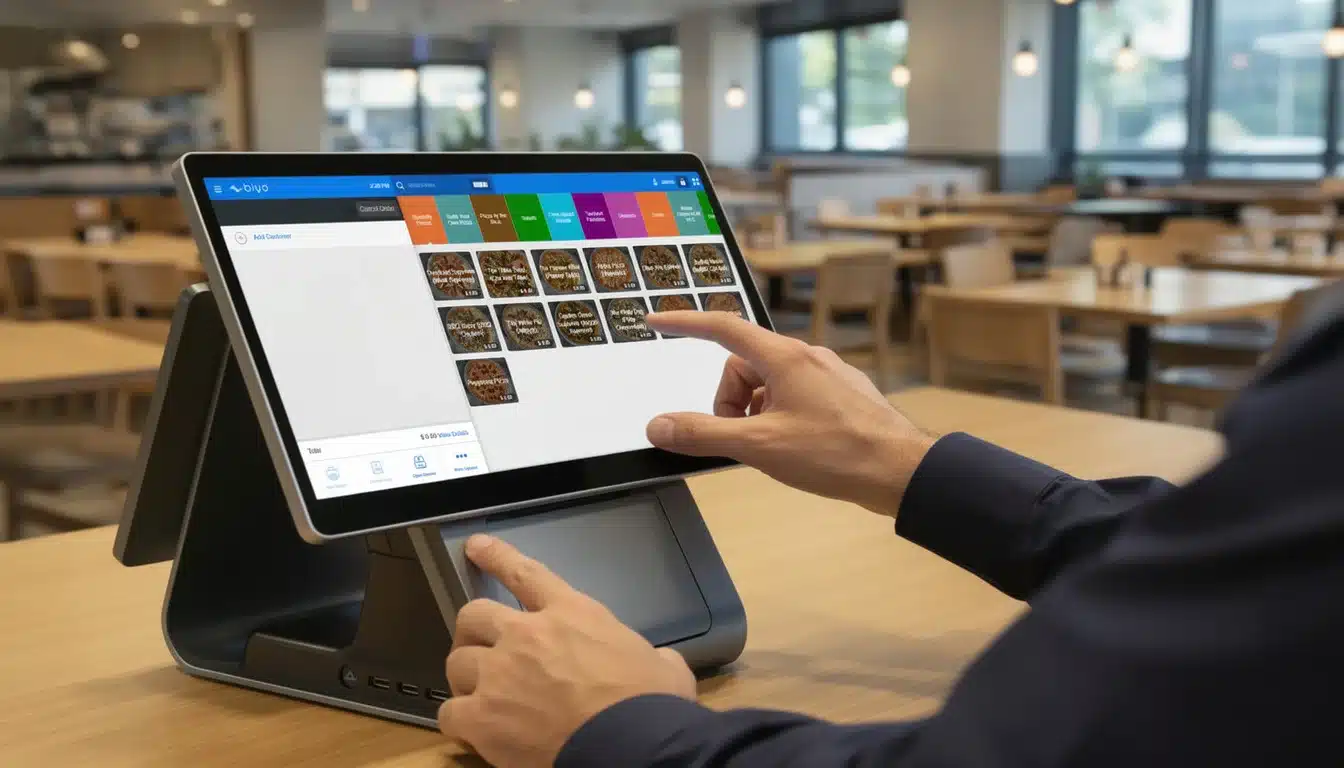
Technology can ease payroll management. POS systems like Biyo POS integrate payroll, scheduling, and employee performance tracking in one place. This reduces administrative workload and ensures accurate, timely paychecks. While payroll may be one of your largest ongoing costs, investing in smart hiring and management practices turns it into an asset rather than a liability.
Menu Planning and Supplier Selection
A restaurant’s menu is more than just a list of dishes — it is a reflection of brand identity, cost structure, and customer demand. In Kansas, where food culture ranges from barbecue traditions to modern farm-to-table dining, menu planning must be strategic. Your supplier network also plays a critical role in shaping your restaurant’s long-term success.
Crafting a Menu That Fits Your Market
Menu design should start with thorough market research. Consider the demographics of your Kansas neighborhood: a restaurant near the University of Kansas may cater to students with affordable, quick meals, while a suburban location might attract families seeking sit-down dining. Matching your menu to the local community ensures higher customer satisfaction and repeat visits. Offering items that resonate with the area’s culture — like smoked meats in Kansas City or wheat-based specialties — can also strengthen your restaurant’s authenticity.
Profitability must guide menu decisions. Each dish should be priced to cover ingredient costs, labor, and overhead, while still appealing to customers. Using menu engineering techniques, such as highlighting high-margin items with design elements, can boost sales without customers noticing. For example, positioning profitable entrées in the top-right corner of your menu can subtly guide customer choices. Updating menus seasonally also keeps your offerings fresh while leveraging lower-cost local ingredients at peak availability.
Digital menus connected to systems like Biyo POS give you the flexibility to adjust offerings in real time. If an ingredient shortage occurs, you can quickly update your menu across online and in-store platforms. This agility prevents customer disappointment and keeps your operations running smoothly. In an era where digital integration is increasingly expected, offering QR-code menus or app-based ordering can enhance convenience and customer satisfaction.
Working with Local Suppliers
Local suppliers play a central role in Kansas’s restaurant ecosystem. Sourcing ingredients from regional farms and vendors not only reduces transportation costs but also strengthens your community presence. Many Kansas diners actively prefer farm-to-table restaurants that showcase fresh, local produce. Advertising these partnerships on your menu builds trust and highlights your commitment to supporting the local economy.
Supplier relationships also affect reliability and cost control. Working with local vendors means shorter delivery routes and fewer supply chain disruptions. For example, if a national distributor faces shortages, your local partner may still provide what you need. This resilience is particularly valuable in the fast-paced hospitality industry, where consistency is key. Developing strong supplier ties often leads to better pricing, priority service, and collaborative opportunities, such as seasonal promotions featuring regional ingredients.
Beyond food, local suppliers can provide equipment, linens, and even marketing services. By sourcing multiple needs from Kansas-based businesses, you create a web of mutual support. Customers recognize and value restaurants that contribute to the local economy. Positioning your restaurant as a proud member of the Kansas hospitality industry differentiates you from competitors who rely solely on national suppliers.
Ensuring Food Safety and Quality
Food safety is a cornerstone of opening a restaurant in Kansas. Beyond health department regulations, maintaining strict internal standards prevents costly mistakes and reputational damage. Train all employees in safe food handling, proper storage, and cooking temperatures. For example, Kansas law requires hot foods to be stored at a minimum of 135°F, while cold foods must be kept at 41°F or below. Consistently monitoring these standards protects both customers and your business from potential liability.
Certification plays a big role in ensuring safety. Investing in food handler certification for all staff not only meets Kansas requirements but also promotes a culture of responsibility. Certified employees are more likely to recognize hazards, report problems early, and follow correct procedures under pressure. This proactive approach minimizes violations during inspections and builds customer trust, as diners increasingly pay attention to restaurant safety records.
Quality control extends beyond safety into customer experience. Consistency in portion sizes, plating, and flavor creates reliability, which encourages repeat business. For instance, if a customer loves your signature barbecue sandwich, they expect the same experience each visit. Achieving this requires dependable suppliers, standardized recipes, and continuous training. By prioritizing safety and quality equally, you ensure that your Kansas restaurant earns loyalty in a competitive market.
Restaurant Marketing and Community Engagement
Once your restaurant is ready to serve, the next challenge is attracting and retaining customers. Marketing in Kansas requires a blend of digital strategies, traditional outreach, and genuine community engagement. A well-marketed restaurant not only fills seats but also creates a lasting brand presence in the local dining scene.
Building a Strong Brand Identity
Your brand identity is the story customers associate with your restaurant. From your logo and color scheme to your menu design and staff uniforms, every detail communicates who you are. In Kansas, where diners can choose from countless options, a strong brand helps you stand out. For example, a rustic, farm-themed design may appeal to communities that value Kansas’s agricultural heritage, while a sleek, modern look might attract urban professionals in downtown Wichita.
Brand identity also shapes pricing and positioning. A fast-casual eatery should emphasize affordability and convenience, while a fine-dining
restaurant must highlight exclusivity and sophistication. These signals set customer expectations before they even try your food. For example, using elegant menu fonts, dim lighting, and premium décor communicates luxury, justifying higher prices. On the other hand, bright colors, digital menu boards, and open kitchen concepts convey speed and accessibility. By aligning your brand identity with your target market, you create a cohesive dining experience that resonates with your audience.
Consistency is the cornerstone of a strong brand. Your website, social media platforms, advertising, and even community sponsorships should reflect the same tone, colors, and messaging. Inconsistent branding confuses potential customers and weakens recognition. Think of successful Kansas-based restaurants you admire; their branding likely extends seamlessly from online ads to physical spaces. By creating a cohesive brand across all touchpoints, you strengthen trust and recognition in the Kansas hospitality industry.
Finally, storytelling can enhance your brand identity. Sharing your inspiration for opening a restaurant in Kansas — whether it’s a family recipe, a love for local agriculture, or a dream to revitalize a community — makes your brand relatable. Customers connect emotionally with stories, and these connections often lead to loyalty. A restaurant that not only serves food but also communicates a vision stands out in a crowded market.
Leveraging Digital Marketing Tools
Digital marketing has transformed how restaurants reach customers in Kansas. Social media platforms like Instagram, Facebook, and TikTok allow you to showcase your dishes, promote events, and build an online community. High-quality images of signature meals or behind-the-scenes videos from your kitchen create excitement and engagement. With targeted ads, you can focus on specific demographics such as families in Wichita or college students in Lawrence, maximizing your reach without overspending.
Search engine optimization (SEO) is equally important. Optimizing your website with keywords like “opening a restaurant in Kansas” and “Kansas restaurant requirements” helps your business appear when potential customers search for dining options. A blog section can further enhance visibility by answering common questions like “How much does it cost to eat out in Kansas City?” or “What permits do Kansas restaurants need?” These articles position you as an authority in the local hospitality industry and improve Google rankings.
Point-of-sale (POS) systems like Biyo POS can integrate with marketing tools to streamline customer engagement. For instance, you can send personalized promotions via text or email to loyal customers, offer discounts on slow nights, or introduce seasonal specials. Automation reduces your workload while ensuring consistent communication with diners. In today’s competitive market, leveraging digital marketing not only fills tables but also builds long-term relationships with customers.
Engaging with the Local Community
Community engagement is often the difference between a restaurant that merely operates and one that thrives. In Kansas, where communities are tightly knit, building relationships beyond your dining room walls strengthens your reputation. Sponsoring local sports teams, participating in farmers’ markets, or hosting charity events makes your restaurant more than a place to eat — it becomes part of the neighborhood. These efforts create goodwill and attract customers who appreciate businesses that give back.
Partnerships with other small businesses can expand your reach. For instance, collaborating with a local brewery to create a signature beer or working with a Kansas bakery for specialty desserts can create unique offerings. Co-branded promotions benefit both businesses and introduce your restaurant to new customer bases. Such collaborations also highlight your commitment to supporting local suppliers, a value that resonates strongly with Kansas diners.
Engagement must also happen inside your restaurant. Train your staff to build genuine connections with customers, remember frequent visitors’ names, and personalize service whenever possible. These small gestures transform casual customers into regulars. Word-of-mouth referrals are particularly powerful in Kansas communities, and creating memorable experiences drives organic growth. By combining external outreach with internal hospitality, you weave your restaurant into the fabric of the community.

How Biyo POS Supports Restaurant Owners
Opening a restaurant in Kansas is a complex process, but modern tools make it easier to manage. Biyo POS is an all-in-one point-of-sale solution designed for restaurants of all sizes. With features like real-time inventory tracking, employee management, menu customization, and integrated payment processing, Biyo POS streamlines operations and reduces administrative burdens. Restaurants using Biyo POS can also benefit from built-in marketing tools that automate promotions, track customer loyalty, and provide valuable sales analytics. For Kansas restaurateurs juggling compliance, staffing, and marketing, Biyo POS offers a reliable partner that helps turn ambitious ideas into sustainable businesses.
FAQ: Opening a Restaurant in Kansas
What permits are required to open a restaurant in Kansas?
At minimum, you’ll need a business license, a food service permit from the Kansas health department, and food handler certifications for staff. If you plan to serve alcohol, you must also apply for a liquor license. Depending on your location, zoning approvals and fire safety inspections may also be required.
How much does it cost to open a restaurant in Kansas?
Startup costs vary depending on size and concept. Small cafés may require between $80,000 and $150,000, while full-service restaurants may exceed $500,000. Major expenses include commercial kitchen equipment, lease deposits, renovations, and employee payroll. It’s recommended to budget 10–15% extra for unexpected costs like health department upgrades or legal fees.
How long does it take to open a restaurant in Kansas?
The timeline typically ranges from six months to a year. Securing licenses, completing inspections, and finalizing renovations all take time. Delays often occur during the health department approval process or when negotiating lease terms. Planning ahead and working with experienced contractors and consultants can shorten this timeline.
Can I serve alcohol in my Kansas restaurant?
Yes, but you must apply for a liquor license through the Kansas Department of Revenue’s Alcoholic Beverage Control division. The process requires background checks, fees, and strict compliance with serving laws. Staff must complete alcohol awareness training, and your establishment must follow state regulations on hours and service rules.
What role does Biyo POS play in restaurant management?
Biyo POS provides Kansas restaurant owners with integrated solutions for daily operations. From tracking inventory to managing payroll and automating customer promotions, Biyo POS simplifies complex tasks. Its flexibility allows you to update menus instantly, monitor sales trends, and engage customers directly. By reducing administrative work, Biyo POS frees up time for owners to focus on food quality, service, and growth.