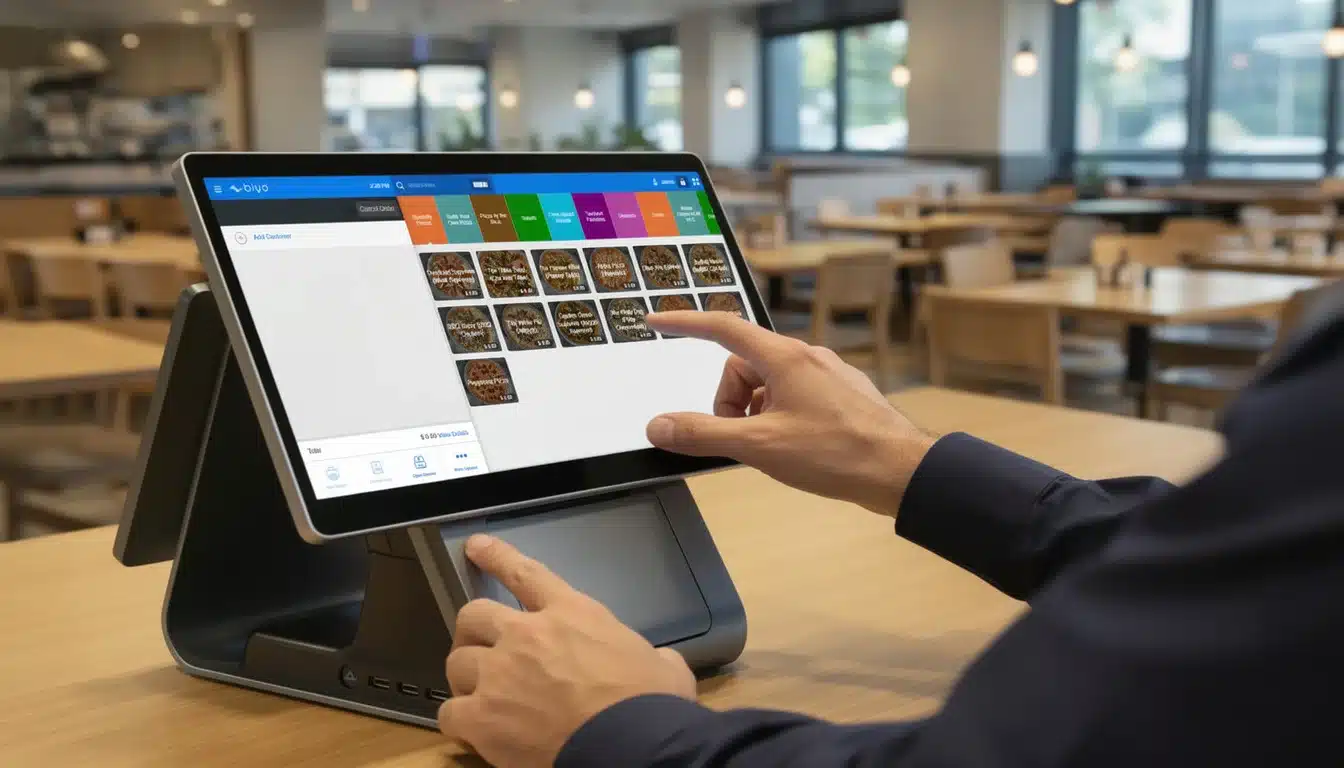
Supplier management plays a crucial role in ensuring smooth operations, reducing costs, and driving long-term success for businesses of all sizes. In today’s highly interconnected global economy, organizations depend heavily on external suppliers for raw materials, inventory, services, and logistics support. Because of this reliance, supplier management has evolved from a simple purchasing function into a strategic discipline that directly influences operational performance and competitive advantage.
According to research from Deloitte and the Institute for Supply Management, organizations that implement structured supplier management programs can reduce procurement costs by up to 12% while improving supply reliability and vendor performance. These improvements demonstrate how a well-managed supplier network can transform supply chains from reactive systems into strategic assets that support growth and customer satisfaction.
Effective supplier management involves much more than negotiating prices or placing purchase orders. It requires businesses to carefully coordinate vendor relationships, procurement strategies, logistics planning, compliance monitoring, and performance evaluation. By integrating these elements, companies can reduce operational risks while maintaining consistent product quality and service levels.
As supply chains become more complex and globalized, businesses must invest in better systems and strategies for managing suppliers. Organizations that build strong vendor partnerships, leverage data-driven insights, and adopt modern procurement technologies are better positioned to respond to market changes, manage disruptions, and deliver reliable value to customers.
Table of Contents
- Understanding Supplier Management
- Key Elements of Effective Supplier Management
- Strategies for Stronger Vendor Relations
- Tools and Technology in Supplier Management
- Best Practices for Long-Term Success
- How Biyo POS Supports Supplier Management
- FAQ
Understanding Supplier Management
Supplier management is more than simply purchasing goods or services from vendors. It is a structured approach to managing supplier relationships, monitoring performance, ensuring compliance, and optimizing procurement operations. Organizations that adopt comprehensive supplier management frameworks gain better control over vendor relations, procurement workflows, and supply chain risks.
Modern businesses rely on supplier networks that may span multiple regions, countries, and industries. Managing these relationships effectively ensures that organizations receive consistent product quality, reliable delivery schedules, and competitive pricing. Without structured supplier management practices, businesses may experience delays, inventory shortages, inconsistent quality, and increased operational costs.
A strong supplier management strategy aligns procurement decisions with overall business goals. It enables companies to identify high-performing suppliers, strengthen collaboration with trusted vendors, and address issues with underperforming partners. By focusing on long-term partnerships rather than short-term transactions, businesses create stable supply chains that support operational efficiency and customer satisfaction.
Defining Supplier Management
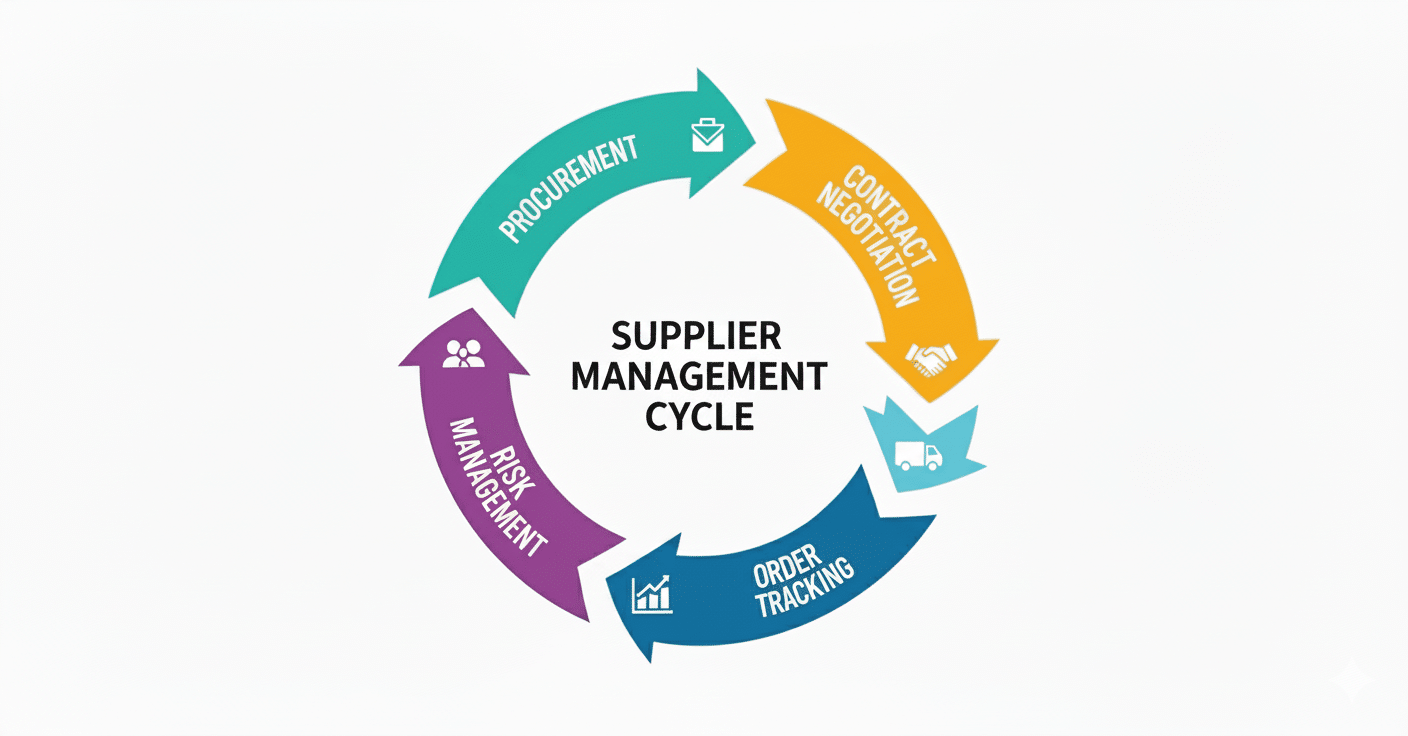
Supplier management refers to the processes and strategies companies use to monitor, evaluate, and optimize their vendor relations. It encompasses every step of the procurement lifecycle, including supplier selection, contract negotiation, order tracking, performance evaluation, and relationship management.
Organizations typically maintain a centralized supplier database that stores information about vendor capabilities, compliance records, pricing agreements, and performance metrics. This repository helps procurement teams make informed decisions when selecting vendors for new projects or replenishing inventory.
A structured supplier management framework also establishes clear expectations for suppliers. Contracts define service levels, delivery timelines, quality standards, and compliance requirements. Monitoring these agreements ensures suppliers remain accountable and aligned with business objectives.
By treating suppliers as strategic partners rather than transactional vendors, businesses foster collaboration that leads to better outcomes. Strong supplier relationships often result in improved product quality, faster innovation cycles, and more flexible supply arrangements.
The Role of Supplier Management in Business
Supplier management acts as a foundation for modern supply chain operations. It directly influences procurement efficiency, logistics planning, inventory management, and cost control. Businesses that manage suppliers effectively experience smoother workflows and fewer disruptions in their operations.
One key benefit of effective supplier management is improved delivery reliability. When suppliers adhere to agreed schedules and maintain consistent product quality, businesses can maintain accurate inventory levels and avoid costly stockouts. Reliable supply chains also ensure that customers receive products on time, which strengthens brand reputation and customer loyalty.
For example, effective supplier management reduces delivery delays and inventory shortages that can negatively affect customer satisfaction. By tracking supplier performance metrics and addressing issues early, companies maintain operational stability even during periods of increased demand.
Financial performance also improves when supplier management practices are well implemented. Negotiating favorable payment terms, optimizing procurement schedules, and consolidating vendor relationships help organizations manage cash flow and reduce purchasing costs.
Why Supplier Management Matters
Supplier management plays a critical role in risk mitigation and regulatory compliance. Businesses must ensure their suppliers adhere to industry regulations, ethical sourcing practices, and safety standards. Failure to monitor supplier compliance can expose organizations to financial penalties, legal liability, and reputational damage.
Another reason supplier management is important is its impact on supply chain resilience. Businesses that rely on a single supplier for critical materials face significant risks if that supplier encounters disruptions. Effective supplier management encourages companies to diversify their supplier base and maintain contingency plans.
Maintaining relationships with multiple suppliers also increases flexibility in procurement strategies. Companies can shift orders between vendors when demand changes, prices fluctuate, or supply shortages occur.
Finally, strong supplier management fosters innovation and collaboration. Suppliers often provide insights into new materials, production techniques, and emerging technologies. Businesses that maintain open communication with suppliers gain valuable opportunities for product innovation and operational improvements.
Key Elements of Effective Supplier Management
Supplier management consists of several interconnected components that together create a reliable procurement ecosystem. These elements include strategic sourcing, supplier performance evaluation, risk management, and contract governance. When these processes work together effectively, organizations gain better control over supply chain operations and vendor performance.
Businesses must coordinate procurement strategies with operational needs to ensure the right products are available at the right time and price. This requires detailed planning, consistent monitoring, and ongoing communication with suppliers.
Companies that integrate these elements into a cohesive supplier management framework often achieve higher operational efficiency and stronger vendor relationships.
Procurement Process
The procurement process represents the starting point of supplier management. It includes identifying supplier requirements, evaluating potential vendors, negotiating contracts, and issuing purchase orders. Effective procurement ensures businesses obtain high-quality goods and services at competitive prices.
Organizations often develop sourcing strategies that balance cost efficiency with product quality and supply reliability. This approach helps businesses avoid suppliers that may offer lower prices but fail to meet quality or delivery expectations.
Procurement processes also involve order tracking and inventory coordination. Monitoring purchase orders and shipment schedules ensures that deliveries align with production timelines and customer demand.
Digital procurement tools increasingly support these activities by automating purchase orders, tracking shipments, and integrating procurement workflows with inventory management systems.
Supplier Performance Evaluation
Supplier performance evaluation allows businesses to assess how well vendors meet agreed standards. Key performance indicators often include delivery reliability, product quality, cost efficiency, and responsiveness to issues.
By tracking these metrics consistently, organizations gain visibility into supplier strengths and weaknesses. Procurement teams can identify high-performing vendors that deserve expanded contracts while addressing problems with underperforming suppliers.
Regular performance evaluations also encourage transparency and accountability. Suppliers receive feedback on their performance and can implement improvements that strengthen the partnership.
In industries where compliance is critical, performance evaluations also ensure vendors meet regulatory and safety requirements.
Risk Management and Compliance
Risk management is a vital component of supplier management. Companies must identify and mitigate potential threats that could disrupt operations. These risks may include supplier financial instability, geopolitical issues, logistics delays, or regulatory violations.
Vendor compliance monitoring plays an essential role in risk management. Businesses must ensure suppliers follow labor laws, environmental standards, and ethical sourcing practices.
Organizations often conduct supplier audits and maintain compliance records within supplier databases. These measures help ensure transparency and accountability across the supply chain.
Risk management strategies also include maintaining backup suppliers and contingency plans. This flexibility enables businesses to respond quickly when disruptions occur.
Strategies for Stronger Vendor Relations
Strong vendor relationships form the foundation of successful supplier management programs. Businesses must invest in communication, trust-building, and collaborative problem-solving to create partnerships that deliver long-term value.
Companies that focus on relationship management often experience better service levels, faster response times, and improved collaboration with their suppliers.
Building Trust and Transparency
Trust and transparency are essential for productive vendor relationships. Businesses that communicate openly with suppliers about expectations, demand forecasts, and operational challenges create stronger partnerships.
Sharing production forecasts helps suppliers plan their operations and maintain adequate inventory levels. This proactive communication reduces delays and improves supply chain efficiency.
Transparency in pricing, payment terms, and performance expectations also prevents misunderstandings and disputes.
When suppliers trust their business partners, they are more likely to prioritize orders, offer favorable pricing, and collaborate on innovation initiatives.
Effective Contract Negotiation
Contract negotiation establishes the framework for supplier relationships. Contracts define pricing structures, delivery schedules, quality standards, payment terms, and dispute resolution procedures.
Well-structured agreements provide clarity and protect both parties from misunderstandings. They also establish measurable performance expectations that suppliers must meet.
Businesses should aim for balanced agreements that support long-term partnerships rather than short-term gains. Excessively aggressive negotiations may damage relationships and reduce supplier motivation.
Collaborative contract negotiations encourage suppliers to invest in quality improvements, innovation, and service reliability.
Continuous Communication and Feedback
Ongoing communication strengthens supplier relationships and ensures alignment between businesses and vendors. Regular meetings, performance reviews, and feedback sessions help identify potential issues before they escalate.
Providing constructive feedback allows suppliers to adjust processes and improve service levels. This collaborative approach promotes continuous improvement across the supply chain.
Open communication also encourages suppliers to share new ideas, technologies, or cost-saving opportunities that benefit both parties.
Businesses that maintain strong communication channels with suppliers often build partnerships that extend beyond simple transactions.
Tools and Technology in Supplier Management
Modern supplier management increasingly relies on technology to manage complex vendor networks. Digital tools help organizations track supplier performance, automate procurement workflows, and analyze supply chain data.
These technologies reduce manual errors, improve operational efficiency, and provide valuable insights for decision-making.
Supplier Database Systems
Supplier database systems store detailed information about vendors, including contact details, contract terms, performance history, and compliance records. This centralized repository enables procurement teams to access critical supplier data quickly.
Maintaining a structured supplier database also supports vendor comparisons. Businesses can evaluate supplier performance metrics and identify the most reliable partners for specific procurement needs.
Advanced supplier databases integrate with procurement platforms and inventory management systems, enabling real-time updates and automated reporting.
Order Tracking and Automation
Order tracking tools provide real-time visibility into procurement activities. Businesses can monitor purchase orders, shipment status, and delivery timelines through digital dashboards.
Automation improves efficiency by eliminating manual tasks such as generating purchase orders or processing invoices. Automated purchase orders ensure accuracy and reduce administrative workload.
Automation systems also monitor supplier performance indicators, alerting businesses when delivery delays or compliance issues occur.
Analytics and Supplier Performance Metrics
Analytics platforms transform supplier data into actionable insights. Businesses can analyze cost trends, delivery performance, and supply chain risks using advanced reporting tools.
Supplier performance metrics allow organizations to compare vendors and identify opportunities for improvement. Data-driven decision-making helps procurement teams optimize supplier networks and reduce operational risks.
Analytics also supports strategic supplier partnerships. Businesses can identify high-performing suppliers and strengthen collaboration through larger contracts or long-term agreements.
Best Practices for Long-Term Success
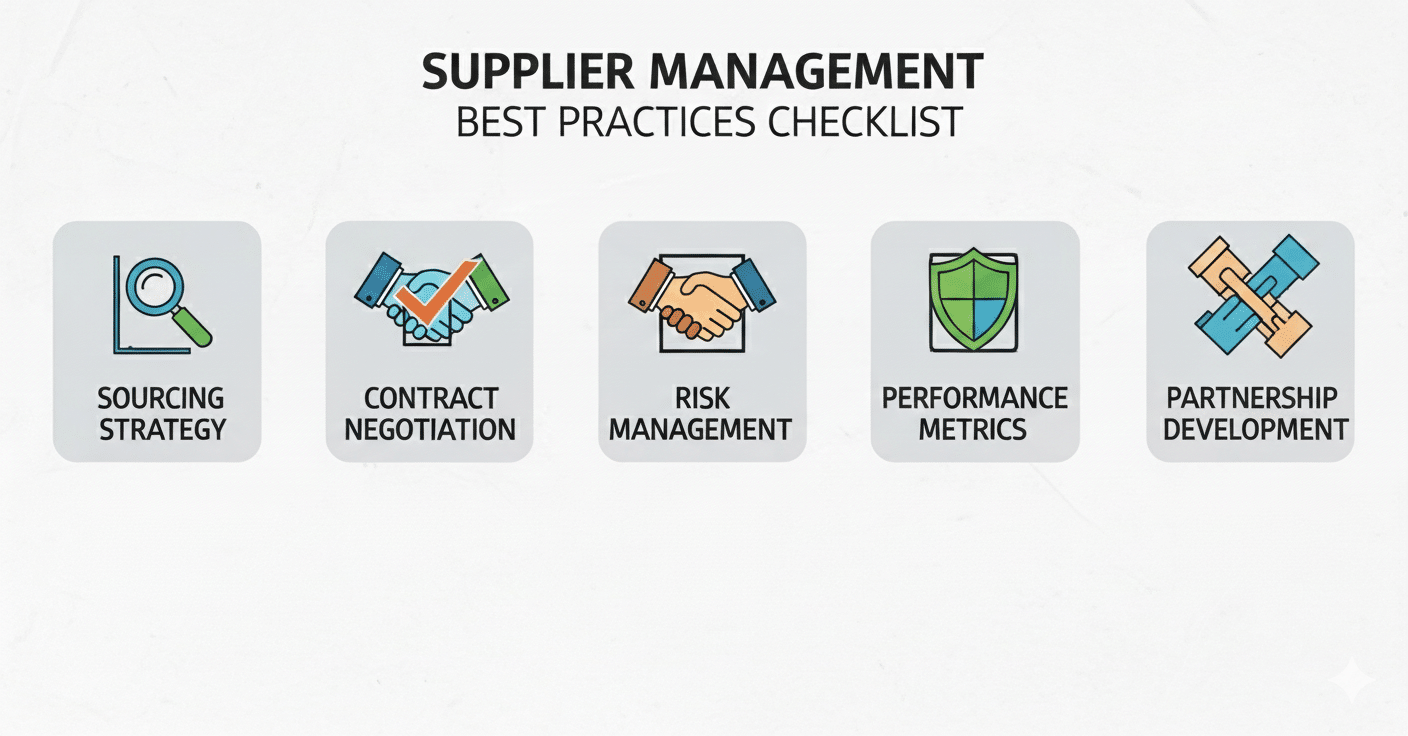
Successful supplier management requires consistent strategies that promote efficiency, reliability, and collaboration. Organizations that adopt proven best practices create stable supply chains capable of supporting long-term growth.
Developing a Strong Sourcing Strategy
A sourcing strategy defines how businesses identify and select suppliers. It considers factors such as cost efficiency, quality assurance, supplier reliability, and logistics capabilities.
Companies often diversify their supplier base to reduce risks associated with relying on a single vendor. Maintaining multiple qualified suppliers ensures continuity during disruptions.
Regular evaluation of sourcing strategies allows businesses to adapt to changing market conditions and supplier capabilities.
Investing in Partnership Development
Partnership development transforms vendor relationships into strategic collaborations. Businesses that treat suppliers as partners benefit from improved communication, innovation, and service quality.
Suppliers involved in product development discussions can offer valuable insights about materials, production techniques, and cost efficiencies.
Strong partnerships also enhance resilience during disruptions because suppliers prioritize businesses they trust.
Embracing Continuous Improvement
Continuous improvement ensures supplier management processes remain effective as markets evolve. Businesses regularly review supplier performance, procurement strategies, and risk management practices.
These evaluations identify inefficiencies and opportunities for enhancement. By implementing improvements, organizations maintain competitive supply chains capable of adapting to changing conditions.
Continuous improvement also encourages innovation. Suppliers and businesses collaborate to introduce new technologies and streamline logistics operations.
How Biyo POS Supports Supplier Management
Managing suppliers effectively requires the right technology infrastructure. Platforms like Biyo POS help businesses streamline supplier coordination, track purchase orders, and monitor inventory levels from a single integrated system.
Biyo POS provides tools that allow merchants to automate procurement workflows, monitor supplier performance, and maintain accurate inventory records. This visibility helps businesses identify top-performing vendors, forecast inventory needs, and ensure consistent product availability.
Retailers and restaurants can also use the system to analyze purchasing trends, optimize supplier relationships, and reduce operational inefficiencies. Businesses interested in implementing smarter procurement and supplier management processes can begin optimizing their operations by creating an account through the Biyo POS platform.
FAQ
What is supplier management?
Supplier management refers to the process of overseeing vendor relationships, procurement activities, performance monitoring, and compliance management. It ensures suppliers deliver high-quality goods and services while supporting business objectives.
Why is supplier management important?
Supplier management helps businesses reduce costs, maintain consistent product quality, and improve supply chain reliability. Strong supplier relationships also reduce operational risks and enhance overall efficiency.
What tools are used in supplier management?
Organizations commonly use supplier databases, procurement automation systems, analytics dashboards, and order tracking software to manage vendor relationships and monitor supplier performance.
How can businesses improve supplier performance?
Businesses can improve supplier performance by setting clear expectations, tracking performance metrics, providing regular feedback, and fostering collaborative relationships with vendors.
What are supplier performance metrics?
Supplier performance metrics measure factors such as delivery reliability, product quality, compliance adherence, and cost efficiency. These metrics help businesses evaluate vendor reliability and optimize procurement strategies.
How does supplier management reduce supply chain risks?
Supplier management reduces risks by diversifying vendor networks, monitoring compliance, maintaining backup suppliers, and identifying potential disruptions early through performance monitoring and analytics.
How often should businesses evaluate their suppliers?
Most organizations conduct supplier evaluations quarterly or annually, depending on the industry and supplier criticality. Regular reviews ensure suppliers continue to meet performance expectations and regulatory requirements.