Inventory problems rarely begin with dramatic mistakes. More often, they develop slowly through small inefficiencies that compound over time.
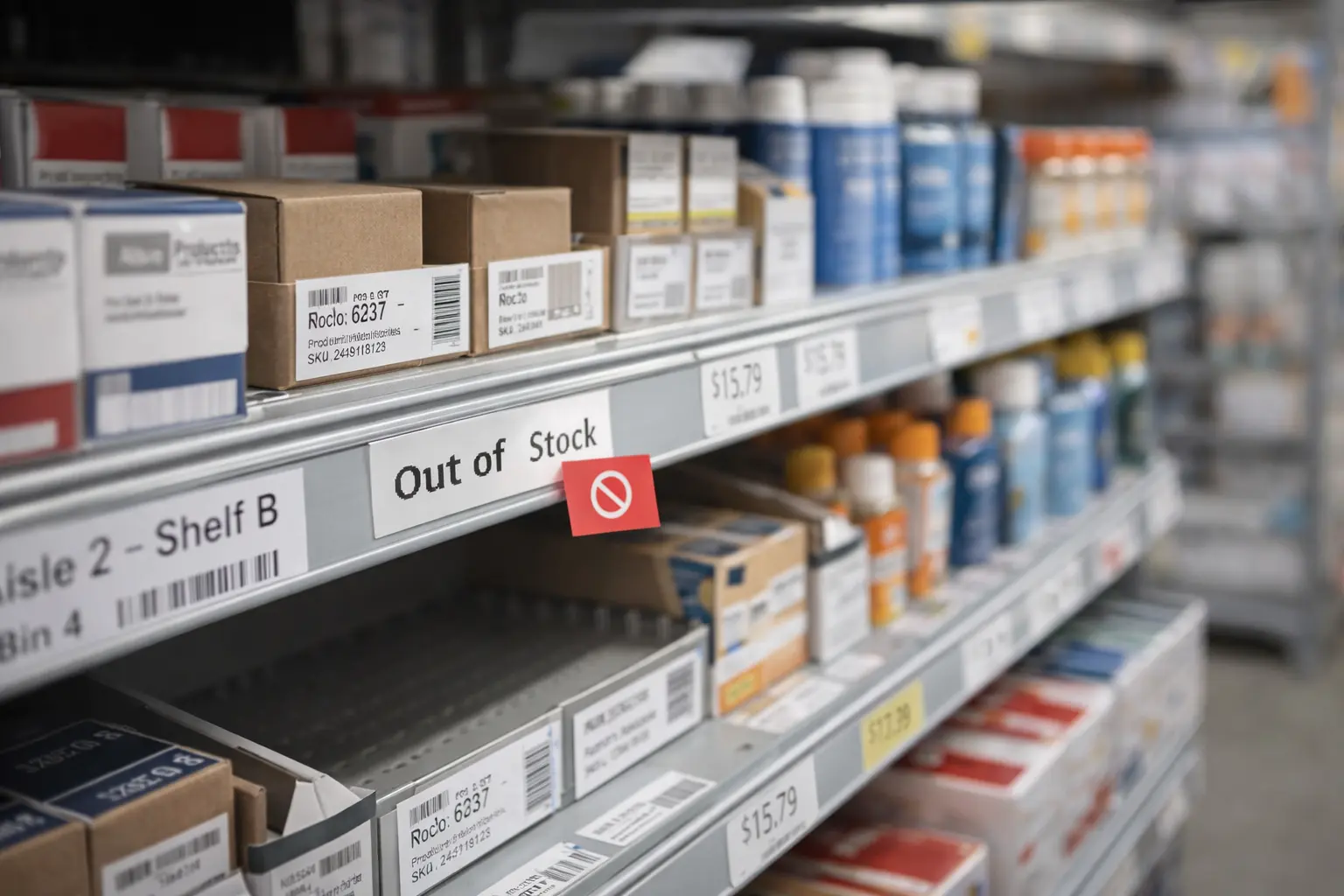
A business orders slightly too much stock one week, runs short on a high-demand item the next, and gradually loses visibility into what inventory levels actually make sense. Over time, those inconsistencies create unnecessary waste, tied-up cash flow, missed sales opportunities, and operational stress.
That is why par level inventory remains one of the most effective inventory management methods used across restaurants, retail stores, cafés, bars, hospitality businesses, and healthcare operations.
Instead of relying on guesswork or reactive ordering, a par level system establishes clear inventory thresholds that indicate exactly when products should be reordered and how much stock should remain available at any given time.
Think of it as creating an ideal inventory target for every important product your business carries.
Once stock drops below that target, the system signals that it is time to replenish inventory before shortages begin affecting operations or customer experience.
The concept itself is simple, but the operational impact can be substantial.
Businesses using effective par level inventory systems often improve inventory turnover, reduce waste, maintain more stable cash flow, and prevent the costly disruptions caused by running out of high-demand products.
This guide explores how par level inventory works, how businesses calculate effective par levels, common mistakes to avoid, and how modern inventory tools simplify the entire process.
Table of Contents
- Understanding Par Level Inventory
- The Three Core Factors Behind Par Levels
- How to Calculate Par Levels Step by Step
- Using Par Levels in Daily Operations
- When Businesses Should Adjust Par Levels
- Common Par Level Inventory Mistakes
- How Biyo POS Simplifies Inventory Management
- Frequently Asked Questions
Understanding Par Level Inventory
A par level represents the ideal quantity of a product a business should keep in stock to meet customer demand between supplier deliveries.
Once inventory falls below that predefined level, it signals that the business should reorder the product before shortages occur.
The purpose is not to maximize inventory.
The goal is to maintain enough stock to support operations consistently while avoiding unnecessary overstock that ties up cash and increases storage costs.
This balance is especially important in industries where inventory moves quickly or products are perishable.
Restaurants, for example, often rely heavily on par level systems because ingredients must remain available for daily service without generating excessive spoilage.
Retail stores benefit similarly.
Keeping popular items consistently available improves customer satisfaction, while excessive inventory often creates markdown pressure and unnecessary storage expenses.
Par level inventory systems also create operational consistency.
Instead of relying on memory or manual guesswork, staff members follow structured inventory thresholds that standardize ordering decisions across the business.
This shift from reactive inventory management to proactive inventory planning improves efficiency significantly.
Businesses using structured par levels often reduce:
- Stock shortages
- Excess inventory
- Emergency purchasing
- Inventory waste
- Ordering inconsistency
More importantly, they gain stronger visibility into how inventory actually moves through the business.

The Three Core Factors Behind Par Levels
Effective par levels are built around three operational realities every business experiences daily: usage rate, supplier lead time, and safety stock.
Together, these factors determine how much inventory a business truly needs to maintain stable operations.
Usage Rate
Usage rate measures how quickly inventory moves through the business.
In simple terms, it answers the question: how much of a specific product does the business use or sell during a normal day or week?
Understanding usage rate is critical because inventory demand varies significantly between products.
A café may sell dozens of milk cartons every day while only using specialty syrups occasionally. A retail boutique may sell certain accessories rapidly while slower seasonal products remain in stock for weeks.
Without accurate usage data, businesses often either understock important products or overorder inventory that moves slowly.
Modern POS systems help solve this problem by tracking sales data automatically and identifying real purchasing patterns over time.
Supplier Lead Time
Lead time refers to the amount of time required for inventory to arrive after an order is placed.
This includes supplier processing, shipping, receiving, and internal stocking procedures.
Many businesses underestimate lead time because they rely on ideal supplier estimates rather than actual delivery performance.
In reality, delays are common.
Weather disruptions, shipping issues, supplier shortages, or operational delays can extend delivery windows unexpectedly. Businesses that fail to account for these delays often experience stockouts despite placing orders on schedule.
Tracking real-world supplier performance creates more accurate par levels and reduces inventory risk significantly.
Safety Stock
Safety stock acts as a protective inventory buffer.
It exists to absorb unexpected situations such as demand spikes, supplier delays, or operational disruptions.
Without safety stock, even small fluctuations can create immediate shortages.
For example, a sudden weekend sales surge or delayed supplier shipment may completely disrupt inventory availability if no backup inventory exists.
The amount of safety stock required depends on several factors:
- Product importance
- Sales volatility
- Supplier reliability
- Seasonality
- Operational risk tolerance
Businesses balancing these three factors effectively create far more stable inventory systems over time.
How to Calculate Par Levels Step by Step
The standard par level formula is straightforward:
Par Level = (Daily Usage × Lead Time) + Safety Stock
Although simple mathematically, the formula becomes powerful because it converts operational behavior into measurable inventory targets.
Consider a restaurant that uses frozen shrimp for a popular menu item.
After reviewing sales reports, management determines the restaurant uses an average of two bags of shrimp per day.
The supplier typically delivers new inventory within three days.
To protect against delivery delays or busy weekends, the restaurant also decides to maintain six bags as safety stock.
The formula would look like this:
(2 bags per day × 3 days) + 6 safety bags = 12 bags
In this example, the ideal par level becomes twelve bags of shrimp.
Whenever inventory falls below that threshold, the restaurant knows additional inventory should be ordered.
The benefit of this system is operational clarity.
Staff no longer rely on memory or assumptions when placing orders because inventory targets remain standardized and measurable.
Par level systems become even more valuable when integrated into POS and inventory software.
Automated reporting allows businesses to monitor inventory levels continuously while identifying reorder needs before shortages occur.
Using Par Levels in Daily Operations
Par levels only create value when they become part of everyday operational routines.
Businesses that implement inventory thresholds successfully usually create simple, repeatable processes staff can follow consistently.
One of the most common tools used in daily operations is the par sheet.
A par sheet lists products alongside their target inventory levels, allowing staff to compare current stock against ideal quantities quickly.
Traditionally, these sheets were paper-based checklists.
Today, many businesses use cloud-based inventory platforms that automate this process digitally and update inventory levels in real time.
Daily inventory routines typically include:
- Checking stock levels
- Comparing inventory against par levels
- Identifying products below threshold
- Creating replenishment orders
- Verifying incoming shipments
Consistency matters far more than complexity.
Businesses that establish simple and repeatable inventory workflows generally maintain far more accurate stock levels than businesses relying on irregular manual oversight.
Staff training also plays an important role.
Employees need to understand why par levels matter rather than viewing inventory counts as unnecessary administrative work.
When staff recognize that accurate inventory management prevents shortages, improves customer experience, and reduces operational stress, compliance and accuracy usually improve significantly.
Modern inventory systems simplify this process further through automated alerts, low-stock notifications, and real-time reporting dashboards.
When Businesses Should Adjust Par Levels
Par levels should never remain completely static.
Customer demand, supplier performance, seasonality, and operational conditions change continuously, meaning inventory targets must evolve as well.
Businesses that fail to adjust par levels regularly often experience growing mismatches between inventory and actual demand.
Seasonality is one of the most common reasons par levels change.
A café may require significantly more cold beverages during summer while increasing hot drink inventory during winter months. Retail businesses often experience similar shifts tied to holidays, seasonal collections, or local events.
Marketing campaigns and promotions also affect inventory demand.
Limited-time discounts, featured products, or advertising campaigns frequently create temporary sales spikes that require adjusted inventory thresholds.
Supplier reliability changes matter too.
If suppliers begin experiencing shipping delays or inconsistent deliveries, businesses may need to increase safety stock temporarily to reduce operational risk.
Regular inventory reviews help businesses identify these changing conditions before they create larger operational problems.
Most businesses benefit from reviewing par levels monthly or quarterly depending on transaction volume and inventory complexity.
Common Par Level Inventory Mistakes
Many businesses struggle with par level systems not because the concept is flawed, but because execution becomes inconsistent.
One of the most common mistakes is relying on assumptions instead of actual sales data.
Guessing inventory needs often creates inaccurate stock levels that either tie up excessive cash or increase the likelihood of shortages.
Another major issue involves underestimating supplier lead times.
Businesses frequently calculate lead times using ideal delivery estimates rather than real operational conditions. Even small shipping inconsistencies can create inventory gaps if safety buffers are too small.
Some businesses also fail to update par levels regularly.
Customer demand patterns change constantly. Businesses that ignore seasonal shifts, promotions, or changing sales trends often continue ordering inventory based on outdated assumptions.
Poor staff training creates additional problems.
If employees do not understand inventory procedures clearly, counts become inconsistent and reorder processes break down over time.
Businesses also commonly fall into the “set it and forget it” mindset.
Effective par level inventory systems require ongoing adjustment, review, and operational awareness to remain accurate as the business evolves.
How Biyo POS Simplifies Inventory Management
Biyo POS helps businesses manage inventory more efficiently through integrated inventory tracking, reporting analytics, and real-time operational visibility.
Instead of relying on disconnected spreadsheets or manual inventory counts, businesses can centralize inventory management within one cloud-based platform.
Biyo POS supports:
- Real-time inventory tracking
- Automated stock monitoring
- Sales reporting analytics
- Inventory visibility across locations
- Low-stock notifications
- Integrated operational reporting
Businesses gain stronger visibility into inventory movement while simplifying replenishment decisions and reducing manual administrative workload.
Whether managing a restaurant, retail store, café, or multi-location business, Biyo POS helps operators improve inventory control while supporting more accurate operational planning.
If you want to improve inventory visibility and simplify stock management, you can schedule a demo or create an account to explore how Biyo POS supports modern inventory operations.
Frequently Asked Questions
What is par level inventory?
Par level inventory is a stock management method that establishes ideal inventory quantities for products so businesses know when to reorder inventory before shortages occur.
Why are par levels important?
Par levels help businesses prevent stock shortages, reduce excess inventory, improve cash flow, and maintain more consistent inventory control.
How do businesses calculate par levels?
Most businesses calculate par levels using the formula: daily usage multiplied by supplier lead time, plus additional safety stock.
What is safety stock?
Safety stock is extra inventory kept on hand to protect against supplier delays, unexpected demand spikes, or operational disruptions.
How often should par levels be updated?
Businesses should review par levels regularly, especially during seasonal shifts, promotions, supplier changes, or changing customer demand patterns.
How does Biyo POS help with inventory management?
Biyo POS helps businesses track inventory in real time, monitor stock movement, improve reporting visibility, and simplify operational inventory management through integrated cloud-based tools.