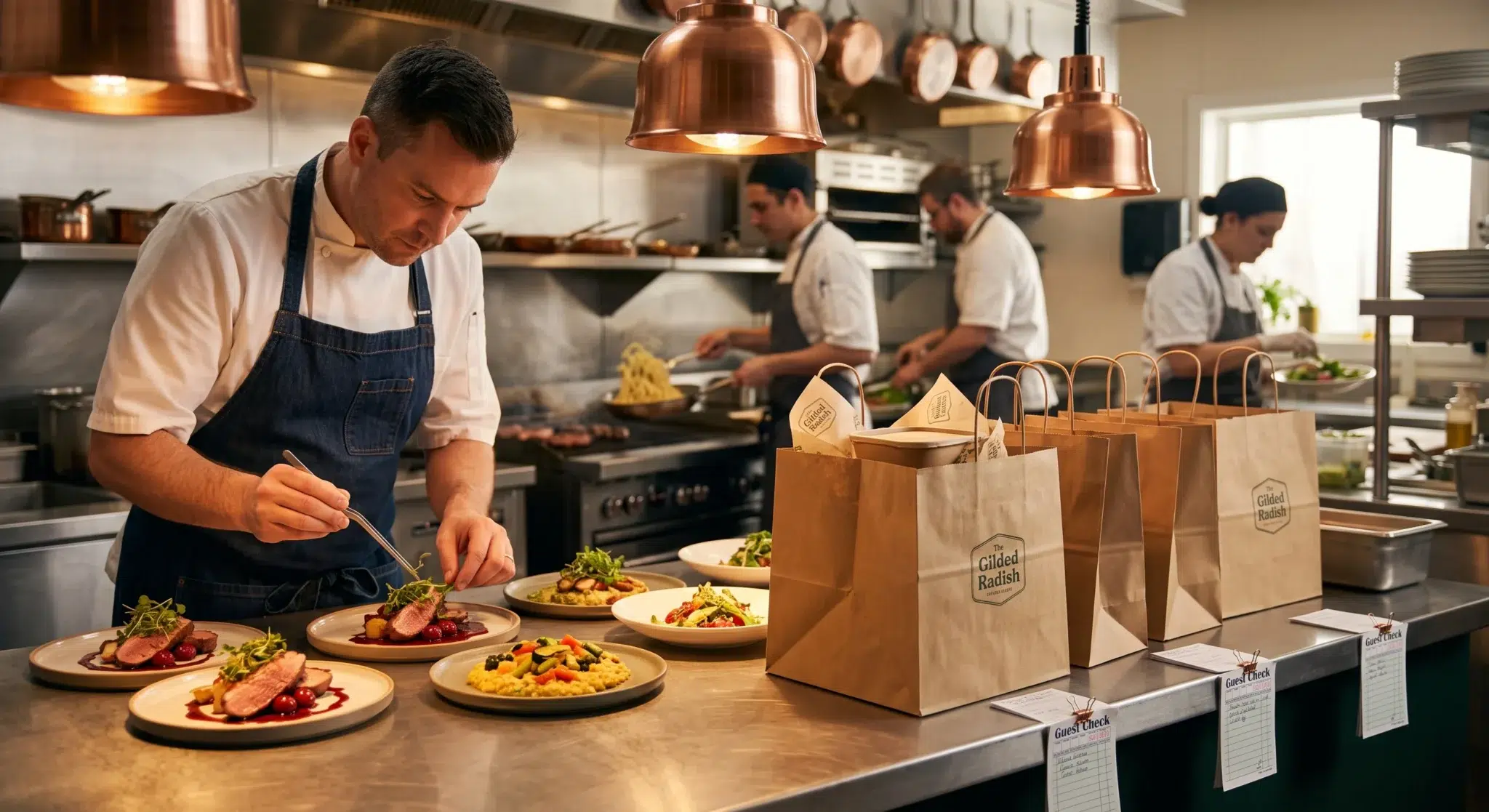
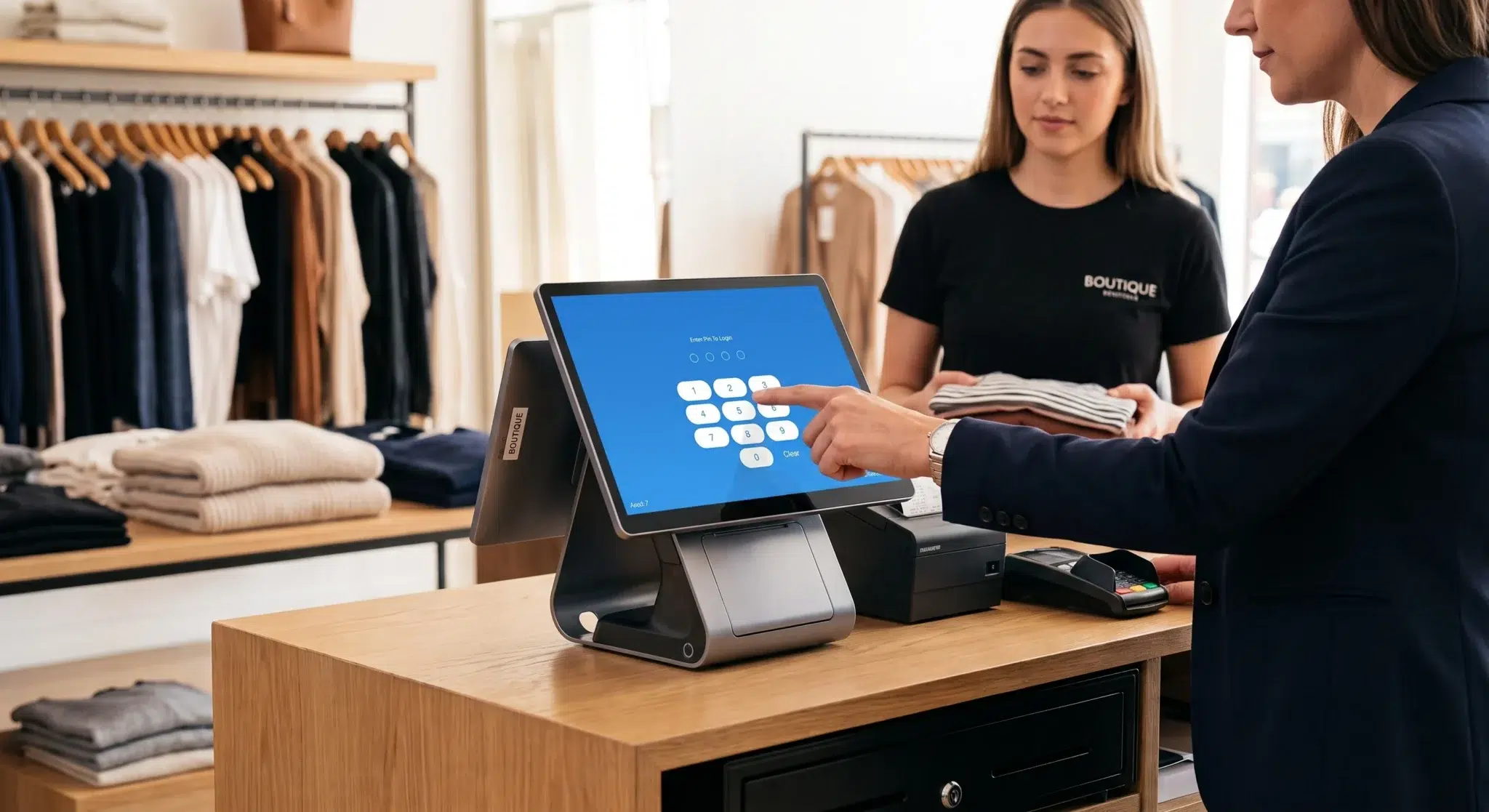
Food cost control is one of the most critical factors determining whether a restaurant thrives or struggles financially. Restaurants operate with narrow margins, and even small inefficiencies in inventory tracking can significantly affect profitability. From ingredient spoilage and inaccurate ordering to portion inconsistencies and supply chain disruptions, poor inventory management can quietly drain thousands of dollars from a restaurant’s annual revenue.
At its core, a restaurant inventory management system is simply the process—and the software—you use to keep tabs on every ingredient in your kitchen. It’s how you track food supplies, get a handle on your costs, and stop throwing money in the trash in the form of food waste.
This isn’t just about counting boxes. It’s the critical tool that shifts a restaurant from running on guesswork to making smart, data-driven decisions that directly boost your bottom line by controlling your single biggest expense: food.
Modern restaurants rely increasingly on technology to improve operational efficiency. Inventory systems now integrate directly with POS platforms, supplier databases, and sales forecasting tools. According to industry market research, the global inventory management software market was valued at approximately $2.13 billion and is expected to grow to more than $7.5 billion over the next several years as restaurants and retailers adopt smarter supply chain tools.
For restaurant owners, implementing an inventory management system is no longer optional. It is one of the most powerful tools available for reducing waste, improving purchasing decisions, and maintaining healthy profit margins.
Table of Contents
- Why Your Restaurant Needs an Inventory Management System
- Understanding What Your Inventory System Actually Does
- 7 Key Features That Drive Restaurant Profitability
- The Real-World Benefits of a Modern Inventory System
- A Step-by-Step Guide to Getting Your System Up and Running
- Best Practices for Maximizing Your System’s ROI
- How Biyo Helps Restaurants Manage Inventory Efficiently
- Frequently Asked Questions
Why Your Restaurant Needs an Inventory Management System
Running a kitchen without an organized inventory system can quickly lead to chaos. Restaurant managers often discover missing ingredients during peak service, over-order supplies that end up spoiling, or struggle to determine where food costs are increasing.
A restaurant inventory management system acts as the central control center for monitoring food supplies, ingredient usage, and purchasing decisions. By providing accurate data about stock levels and food costs, the system allows restaurant owners to transition from reactive management to proactive planning.
Without a system in place, restaurants rely heavily on manual counting and estimation. These methods are prone to human error and rarely provide the accurate insights needed to maintain profitability.
From Reactive Chaos to Proactive Control
Inventory management systems eliminate guesswork by replacing manual tracking with automated data analysis. Instead of estimating how much inventory is required each week, restaurants gain clear insights based on real sales data.
With the right system in place, restaurant managers can:
- Prevent stockouts: Ensure essential ingredients remain available during peak service hours.
- Minimize food waste: Track ingredient expiration and reduce spoilage.
- Improve purchasing decisions: Order supplies based on accurate demand forecasts.
- Maintain cost control: Monitor food cost percentage and supplier pricing changes.
Inventory systems become even more powerful when integrated with a restaurant point-of-sale system. When a dish is sold, the ingredients required to prepare it are automatically deducted from inventory in real time.
The growing adoption of digital inventory systems reflects the industry’s shift toward data-driven restaurant management. Automated inventory tracking significantly reduces waste and helps operators maintain consistent profit margins.
Understanding What Your Inventory System Actually Does
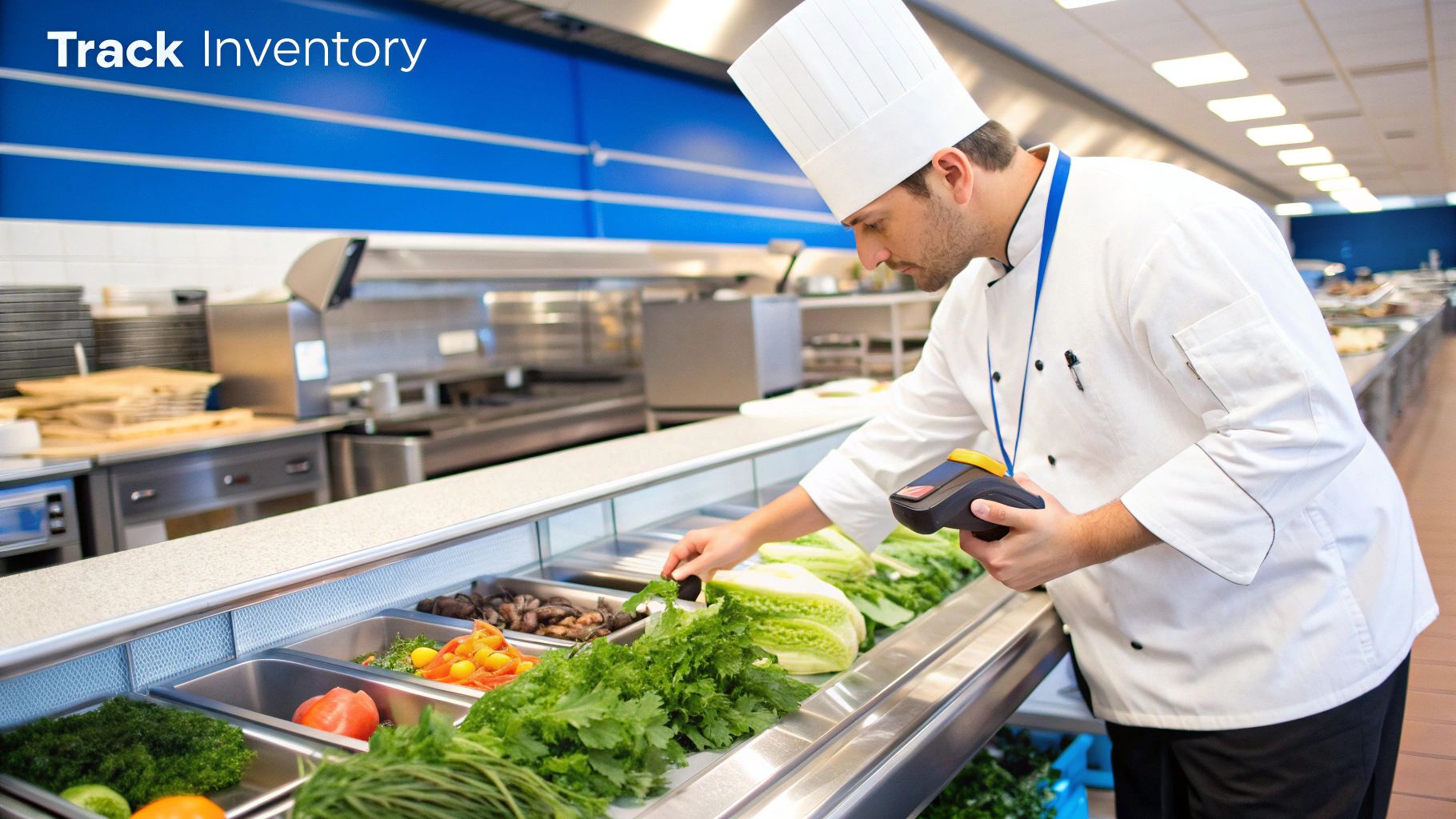
A modern restaurant inventory management system performs several interconnected functions that collectively improve operational efficiency and cost control.
The most fundamental feature is real-time ingredient tracking. Each time a menu item is sold, the system deducts the exact ingredient quantities required to prepare the dish.
This allows restaurant managers to maintain accurate stock levels without relying solely on manual inventory counts.
Automated Ordering and Recipe Costing
Automated ordering helps restaurants maintain optimal inventory levels. The system monitors stock quantities and alerts managers when supplies fall below predefined thresholds.
Instead of manually calculating ingredient needs, the system generates purchase orders based on current stock levels and predicted demand.
Another critical function is recipe costing. Each menu item is broken down into individual ingredient costs, allowing restaurants to calculate the precise cost of producing each dish.
This allows restaurant managers to evaluate profitability and adjust menu prices if ingredient costs fluctuate.
Pinpointing Loss with Variance Reporting
Variance reporting compares expected ingredient usage with actual inventory consumption.
If the system predicts that 100 burgers should require 25 pounds of beef but the restaurant used 30 pounds, the discrepancy indicates a variance that must be investigated.
Variance analysis helps restaurants identify issues such as:
- Over-portioning by kitchen staff
- Ingredient spoilage
- Inventory theft
- Data entry errors
By identifying these inefficiencies early, restaurants can implement corrective measures that significantly reduce unnecessary costs.
7 Key Features That Drive Restaurant Profitability
1. Real-Time Food Cost Percentage Tracking
Food cost percentage represents the portion of menu price consumed by ingredient expenses. Tracking this metric in real time allows restaurants to detect profit margin changes quickly.
If ingredient costs increase due to supplier price changes, restaurants can adjust pricing strategies before profitability declines.
2. Integrated Supplier and Purchase Order Management
Supplier management tools centralize vendor information, pricing lists, and ordering history. Restaurant managers can easily compare suppliers and generate purchase orders directly from the inventory system.
3. Recipe Costing and Menu Engineering
Recipe costing tools allow restaurants to calculate the exact cost of producing each menu item. These insights support menu engineering strategies that highlight profitable dishes and optimize pricing.
4. Sales Forecasting
Sales forecasting analyzes historical data to predict future demand. This allows restaurants to order ingredients accurately and avoid both shortages and overstocking.
5. Variance and Waste Tracking
Waste tracking helps identify food loss caused by spoilage, overproduction, or improper storage. By monitoring variance reports, restaurants can reduce food waste and improve operational efficiency.
6. Automated Alerts and Reordering
Inventory alerts notify managers when stock levels fall below predetermined thresholds. Automated purchase orders can then be generated to ensure uninterrupted operations.
7. Multi-Location Inventory Management
Restaurant groups operating multiple locations benefit from centralized inventory dashboards. These systems allow operators to monitor stock levels across all locations and coordinate supplier deliveries efficiently.
The Real-World Benefits of a Modern Inventory System
Implementing a restaurant inventory management system produces measurable financial and operational benefits.
The most significant advantage is food cost reduction. Restaurants that track inventory accurately can reduce unnecessary waste and over-ordering.
For example, a restaurant generating $1 million in annual revenue with a 30% food cost could save approximately $20,000 annually by reducing food costs by just 2%.
Driving Profitability Across Operations
Inventory systems improve purchasing decisions by allowing restaurants to compare supplier prices and analyze ingredient usage patterns.
Accurate recipe costing also enables restaurant operators to identify high-margin menu items and promote them strategically.
Modern restaurant technology solutions demonstrate how technology is transforming restaurant operations by improving efficiency and decision-making.
Streamlining Workflows and Saving Labor
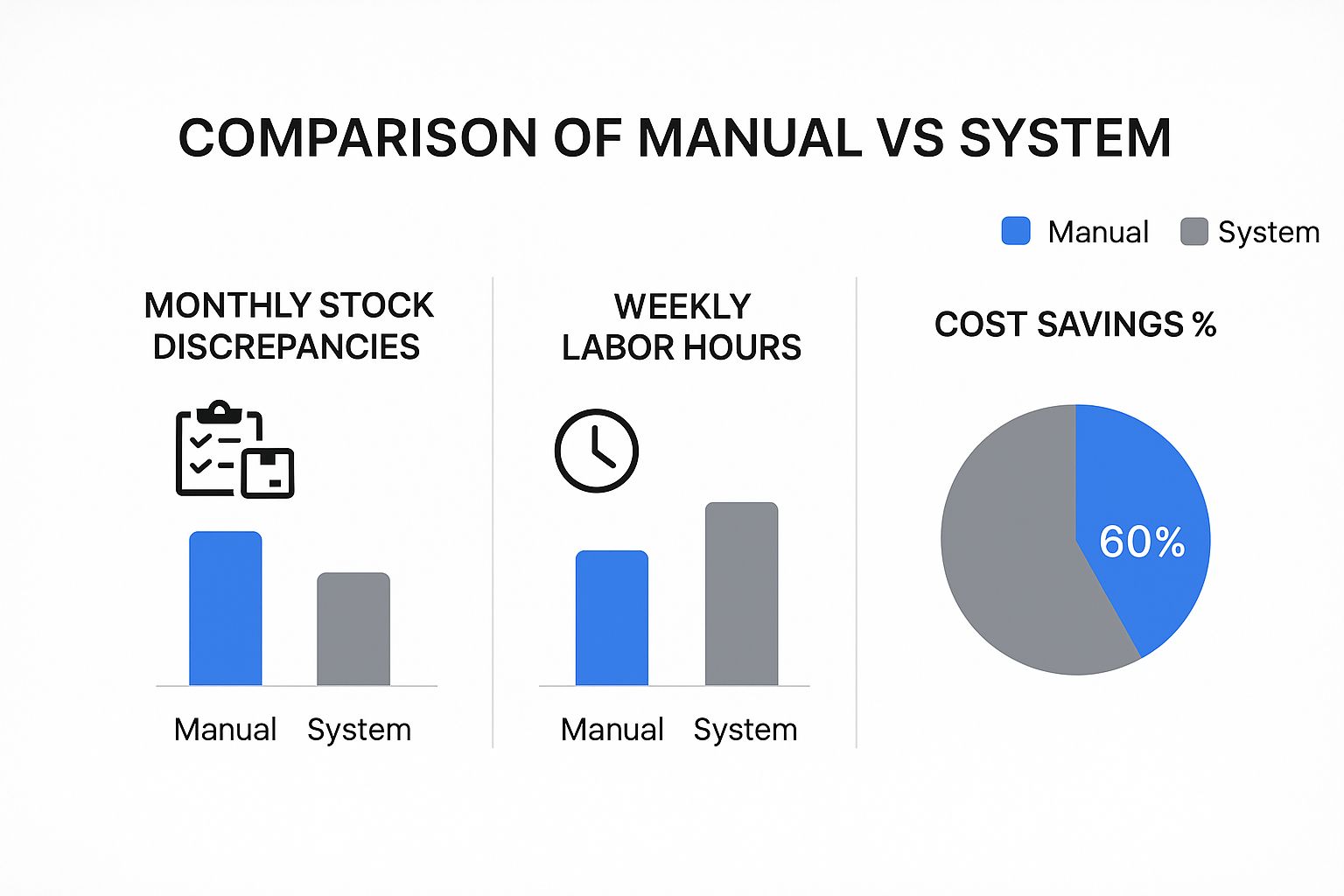
Automated inventory systems significantly reduce the time managers spend performing manual counts and preparing purchase orders.
Restaurants that adopt inventory analytics tools often report improved operational efficiency and reduced labor costs associated with inventory management.
These improvements help restaurants maintain healthy profit margins in an industry where typical net profits range between 3% and 5%.
A Step-by-Step Guide to Getting Your System Up and Running

Implementing a new inventory management system requires careful planning to ensure accurate data and successful integration with restaurant operations.
Phase 1: Data Preparation
Restaurants must begin by digitizing recipes, supplier information, and ingredient pricing. Accurate data entry ensures the system can calculate recipe costs and track inventory effectively.
Phase 2: System Configuration and POS Integration
After entering initial data, the inventory system should be connected to the restaurant’s POS platform. This integration allows ingredient quantities to update automatically when menu items are sold.
Phase 3: Staff Training and Workflow Implementation
Staff training is critical for successful system adoption. Kitchen staff, managers, and purchasing teams must understand how to perform inventory counts, update stock records, and interpret reports.
Best Practices for Maximizing Your System’s ROI
To achieve the full benefits of an inventory management system, restaurants must establish consistent operational practices.
Maintain Accurate Inventory Counts
Regular inventory counts ensure system data remains accurate. Restaurants should perform weekly or biweekly inventory checks for key ingredients.
Update Ingredient Prices Regularly
Supplier price fluctuations should be reflected in the system immediately. This ensures recipe costing calculations remain accurate.
Use Data to Improve Decision Making
Managers should review inventory reports regularly to identify inefficiencies and opportunities for improvement.
Restaurants interested in improving operational efficiency can explore additional restaurant management strategies that support data-driven decision making.
How Biyo Helps Restaurants Manage Inventory Efficiently
Managing restaurant inventory becomes significantly easier with an integrated POS and inventory management platform. Biyo POS provides restaurant operators with powerful tools that simplify ingredient tracking, cost control, and purchasing decisions.
With real-time sales integration, Biyo automatically updates inventory levels whenever menu items are sold. This ensures managers always have accurate visibility into ingredient usage and stock levels.
Restaurant owners interested in improving cost control and operational efficiency can schedule a consultation with the Biyo team to explore how Biyo’s integrated POS and inventory tools support modern restaurant management.
Businesses ready to streamline operations can also create a Biyo account and begin managing inventory with advanced POS technology. By combining sales analytics, inventory tracking, and purchasing insights, Biyo helps restaurants reduce waste and improve profitability.
Frequently Asked Questions
What is a restaurant inventory management system?
A restaurant inventory management system is a software platform that tracks ingredient usage, monitors stock levels, and helps restaurants control food costs.
Why is inventory management important for restaurants?
Inventory management helps restaurants reduce food waste, control costs, and ensure essential ingredients remain available during service.
How often should restaurants perform inventory counts?
Most restaurants perform full inventory counts weekly, with daily spot checks for high-cost ingredients.
Can inventory systems integrate with POS systems?
Yes. Modern inventory platforms integrate directly with POS systems to automatically update stock levels whenever menu items are sold.
How does inventory tracking reduce food waste?
Inventory tracking helps restaurants monitor ingredient expiration dates and usage patterns, allowing managers to order more accurately and reduce spoilage.
Do small restaurants need inventory management systems?
Yes. Even small restaurants benefit from inventory systems because they help track ingredient costs, reduce waste, and improve operational efficiency.
How quickly can restaurants see results from inventory systems?
Many restaurants begin seeing measurable cost savings within a few months after implementing inventory management software.