A catering POS system is no longer a luxury but a necessity for catering businesses that want to stay competitive, efficient, and profitable. From managing event schedules to handling guest counts, a robust catering POS system streamlines operations and eliminates the headaches that come with manual processes. By integrating everything from menu customization to billing automation, these systems empower catering companies to deliver exceptional service while keeping costs under control. In this article, we’ll explore the essential features, benefits, and strategies for choosing the right catering POS system for your business.
Table of Contents
- Key Features of a Catering POS System
- Managing Events and Operations Efficiently
- Enhancing Customer Experience with Technology
- Financial Management and Reporting
- How a Catering POS System Supports Business Growth
- Why Choose Biyo POS for Your Catering Business
- Frequently Asked Questions
Key Features of a Catering POS System
A catering POS system comes packed with features designed to address the unique needs of catering businesses. These tools go far beyond standard restaurant POS setups, ensuring smooth event execution and streamlined operations.
Menu Customization and Order Scheduling
One of the most important aspects of a catering POS system is menu customization. Caterers often deal with diverse client requests that require flexible menu options. A strong POS solution allows managers to create, edit, and adjust menus on the fly. For example, if a corporate client requests gluten-free or vegan alternatives, the menu can be updated instantly without disrupting the workflow. This flexibility helps caterers stand out in competitive markets where client demands are constantly evolving.
Order scheduling is equally critical. Caterers must often juggle multiple events on the same day, each with unique menus and guest counts. A catering POS system ensures that scheduled orders are tracked accurately, avoiding missed deadlines or food preparation errors. The ability to schedule orders ahead of time also means staff can prepare ingredients in advance and allocate resources appropriately, which leads to reduced waste and greater efficiency.
By combining menu customization and order scheduling, catering companies can meet customer demands while keeping internal operations organized. This synergy improves reliability and creates a professional impression that strengthens client trust. Over time, businesses that deliver consistent results are more likely to secure repeat contracts and long-term relationships with corporate and private clients alike.
Guest Count Tracking and Contract Management
Caterers must manage guest counts with precision. A catering POS system simplifies guest list adjustments and provides accurate headcounts for better inventory planning. Instead of over-ordering and wasting resources, businesses can prepare exact quantities based on updated numbers. This reduces costs while ensuring that clients always have enough food to satisfy their guests. Accuracy in guest counts is especially important for weddings, conferences, and large-scale events where expectations are high.
Contract management is another essential feature. With built-in contract templates and automated updates, caterers can save time and reduce errors. Contracts can be linked directly to event orders, ensuring consistency between client expectations and service delivery. This eliminates the need for manual paperwork and ensures legal protection for both parties, as all terms are stored and tracked digitally within the POS system.
By linking guest tracking with contracts, businesses gain better control over expenses and commitments. This feature minimizes disputes, avoids misunderstandings, and ensures transparency with clients. When clients can see clear terms and accurate records of their event details, it builds confidence in the catering provider and strengthens the professional relationship.
Kitchen Display Systems and Staff Scheduling
A kitchen display system integrated into a catering POS system ensures that chefs and kitchen staff receive orders instantly. Instead of relying on paper tickets or verbal communication, digital displays reduce mistakes and keep teams on the same page. Real-time updates also ensure immediate adjustments when clients change orders. For instance, if a client suddenly increases their guest count, the change reflects instantly on the display, helping the kitchen adapt without confusion.
Staff scheduling is equally important in catering, where teams may need to expand or shrink depending on event size. A catering POS system simplifies this process with drag-and-drop scheduling tools, making it easier to assign tasks and shifts. This ensures that events are adequately staffed while avoiding unnecessary labor costs. Caterers can also track staff availability and skills, ensuring that the right people are assigned to the right roles.
When paired, a kitchen display system and staff scheduling allow catering companies to maximize efficiency. Staff members know their roles, kitchens stay organized, and events run smoothly from start to finish. This coordination also reduces stress for managers, as they can oversee operations from a single dashboard and step in only when issues arise, rather than micromanaging every detail.

Managing Events and Operations Efficiently
A successful catering business depends on flawless event execution. A catering POS system helps managers plan, monitor, and adjust operations in real time to meet client expectations.
Event Management and Delivery Tracking
Event management modules within a catering POS system allow operators to create event-specific dashboards. These dashboards display schedules, menus, guest counts, and assigned staff. Managers can monitor progress at a glance and make quick decisions if something changes. This centralization reduces the risk of miscommunication and ensures that every team member is aligned with the event plan.
Delivery tracking is another critical feature, especially for off-site catering. A catering POS system with integrated delivery tools ensures that drivers know where to go, what to deliver, and when to arrive. GPS tracking and real-time notifications help clients stay informed and reassured. This creates a more professional image and reassures clients that their event will proceed as planned.
By combining event management and delivery tracking, catering businesses can promise and deliver punctual, well-coordinated services. These tools not only improve efficiency but also create opportunities for upselling services such as on-site staff support, equipment rentals, or extended service hours.
Inventory Control and Expense Tracking
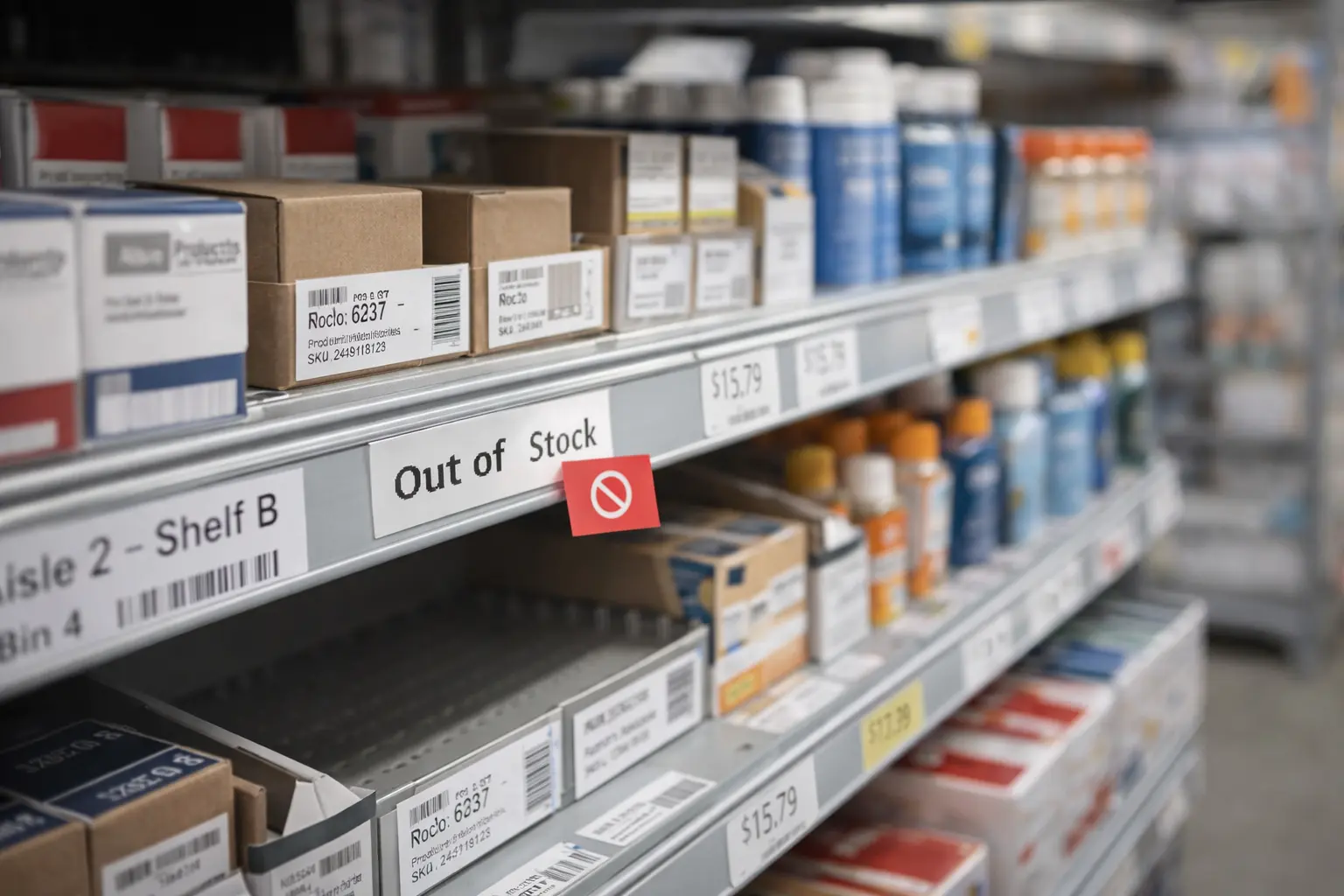
Inventory control is vital for preventing shortages and reducing waste. A catering POS system provides real-time tracking of ingredients and supplies. Managers can view current stock levels, forecast needs for upcoming events, and generate purchase orders automatically. This prevents costly last-minute shortages and ensures that every ingredient is fresh and available when needed.
Expense tracking ensures that businesses monitor costs at every stage. From purchasing ingredients to paying staff, every expense can be recorded and categorized. Automated tracking reduces the risk of overspending and highlights areas where savings are possible. For example, if certain ingredients consistently go unused, managers can adjust purchasing patterns accordingly.
Together, inventory and expense management improve profitability. Caterers can manage resources wisely, reduce waste, and maximize return on investment. These insights also allow businesses to set accurate prices for services and ensure sustainable profit margins.
Multi-Location Support and Real-Time Reporting
For caterers with operations across multiple locations, a catering POS system provides centralized management. Business owners can monitor different branches, share menus, and unify reporting. This saves time and maintains brand consistency across regions, which is critical for larger catering companies servicing corporate clients or franchises.
Real-time reporting delivers insights into sales, expenses, and customer trends. Managers can make informed decisions based on data, not guesswork. Reports also highlight which services, menus, or event types are most profitable. Over time, this data-driven approach helps businesses refine their strategies for better performance.
By combining multi-location support with real-time reporting, catering businesses gain the tools to expand while maintaining efficiency and quality. They can compare the performance of each branch, identify best practices, and implement improvements across the organization.
Enhancing Customer Experience with Technology
Customer satisfaction is the foundation of catering success. A catering POS system enhances communication, service delivery, and client trust. When customers feel that the process is smooth and transparent, they are more likely to book again or recommend the service to others.
Online Ordering Integration and Mobile POS
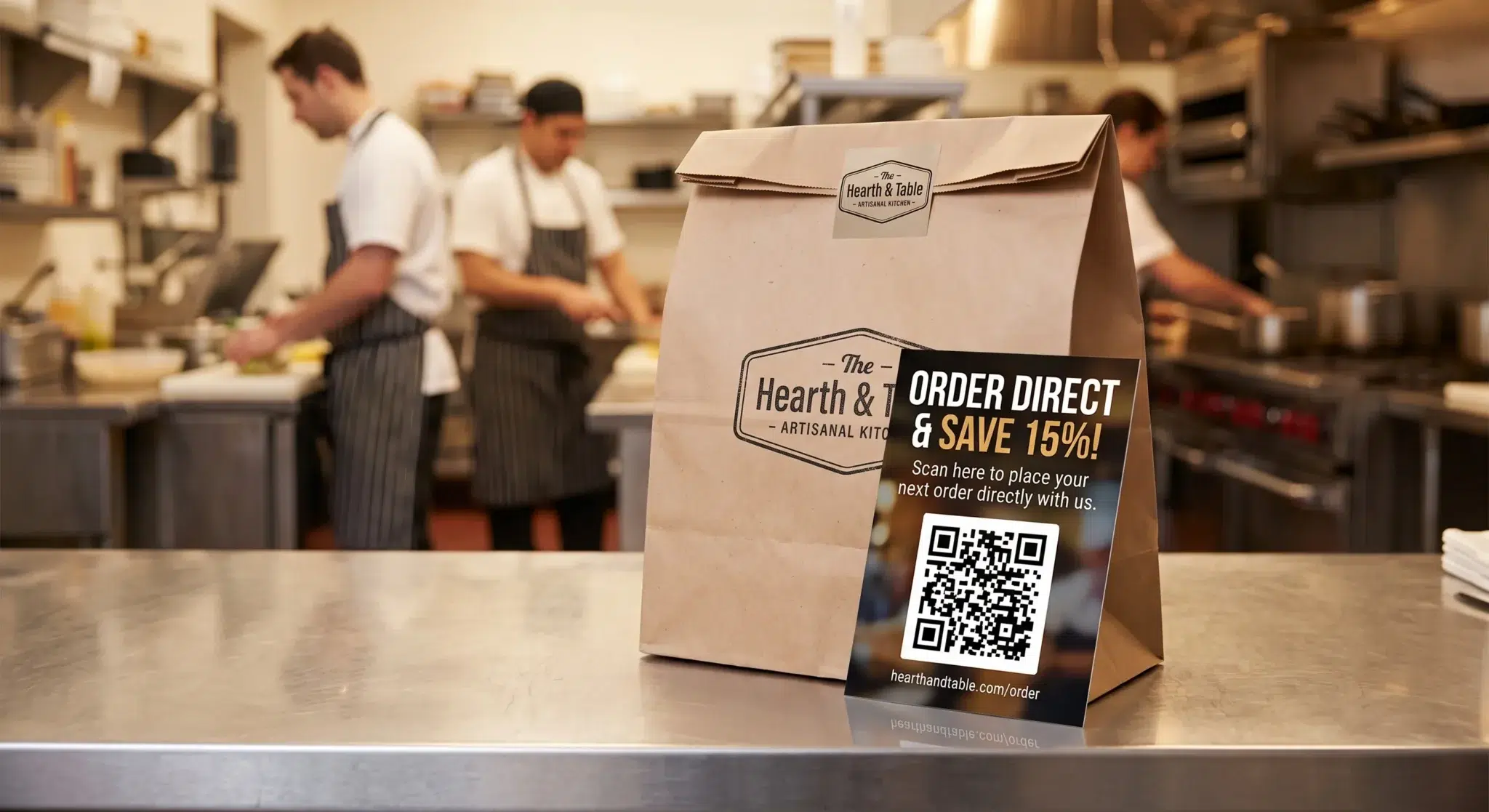
Modern clients prefer convenience, and online ordering integration delivers just that. A catering POS system lets clients browse menus, request quotes, and place orders directly from their devices. This not only saves time but also eliminates miscommunication between clients and staff. With real-time updates, customers can see immediate confirmations, reducing anxiety about whether their orders were properly received.
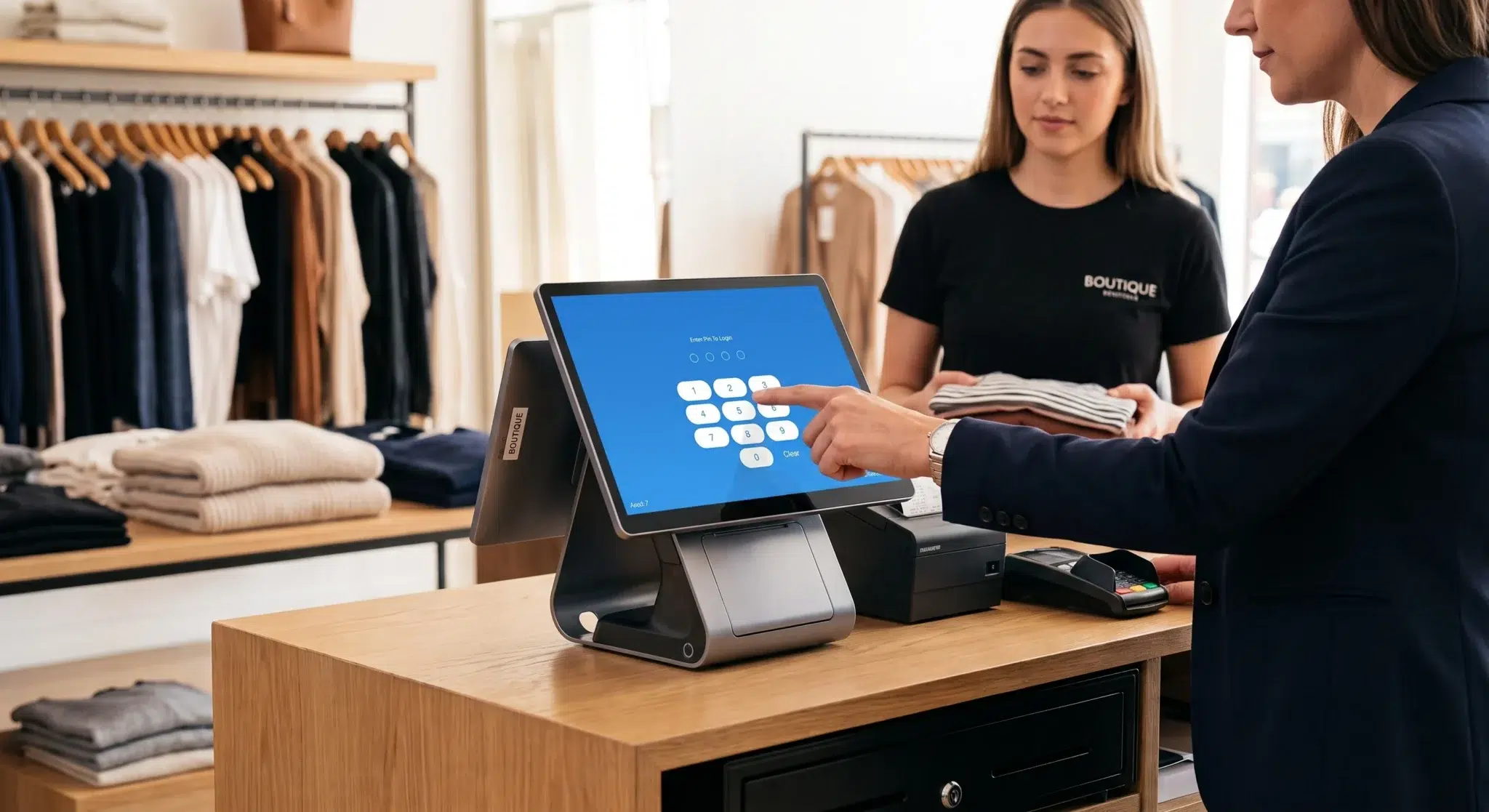
Mobile POS capabilities further improve flexibility. Staff members can take payments, update orders, and track guest requests directly on tablets or smartphones. At large events such as weddings or conferences, the ability to move freely with mobile devices is invaluable. It enables staff to address customer needs on the spot, whether that’s processing a last-minute order change or finalizing a payment quickly.
Together, online ordering and mobile POS create a seamless client experience. The blend of digital convenience and human support ensures that clients feel valued at every step. This technology helps build trust and makes the overall experience stress-free for clients planning important events.
Client Database and Customer Communication
A catering POS system often includes a client database that stores preferences, history, and event details. This enables caterers to offer highly personalized services. For instance, remembering that a client ordered vegan appetizers for a previous event can make it easier to offer tailored suggestions for their next booking. This level of detail helps build loyalty and makes clients feel remembered and appreciated.
Customer communication features within the POS keep clients informed throughout the event planning process. Automated notifications and reminders ensure that clients are always updated on invoices, delivery times, or menu changes. Clear communication prevents misunderstandings and shows clients that their events are being managed with professionalism and care.
The combination of client databases and communication tools helps create stronger long-term relationships. As the POS tracks feedback and preferences, caterers can anticipate client needs better, making each new event smoother and more satisfying. This proactive approach turns one-time clients into repeat customers.
Invoice Generation and Billing Automation
Manual billing often leads to errors and delays, which can harm client relationships. A catering POS system solves this by automating invoices and ensuring accurate billing. Businesses can customize invoice templates to match branding while including all relevant event details. Professional invoices not only improve the client’s impression but also reduce confusion about charges.
Billing automation also helps with cash flow management. Automated reminders encourage timely payments, while integrated payment options give clients flexibility in how they pay. These features reduce the time spent chasing late payments and improve overall efficiency for catering businesses.
With billing tied directly to event orders and contracts, disputes are minimized. Clients can see a clear breakdown of services and costs, making it easy to confirm accuracy. This transparency builds trust and reduces unnecessary back-and-forth communication between caterers and clients.
Financial Management and Reporting
Strong financial oversight is essential for catering businesses. A catering POS system simplifies everything from tracking payments to managing tips and expenses. By providing clarity into financial operations, it enables managers to make better decisions and maintain profitability.
Payment Processing and Tip Management
Clients expect flexible and secure payment options. A catering POS system supports multiple payment types, including credit cards, mobile wallets, and direct transfers. Offering this flexibility ensures that no client feels limited or inconvenienced when settling their bill. Security features like encrypted transactions also protect sensitive financial data, building client trust.
Tip management is another valuable feature. Catering often involves large teams, and distributing tips fairly can become complex. A POS system can automate tip splitting based on staff hours, roles, or event contributions. This ensures fairness and avoids disputes among team members, boosting morale and encouraging better performance.
When payments and tips are handled smoothly, clients feel at ease and staff members feel appreciated. This balance leads to higher-quality service and increased satisfaction on both sides of the catering relationship.
Expense Tracking and Profitability Analysis
Expense tracking is critical for profitability. A catering POS system records every cost, from food purchases to staff wages and transportation. Having all expenses in one place makes it easier to spot areas where money is being wasted. For example, if a particular menu item consistently leads to high ingredient costs but doesn’t generate sufficient revenue, managers can make adjustments.
Profitability analysis builds on expense tracking by evaluating overall performance. Reports can show which events, menus, or service packages generate the highest returns. With this insight, managers can prioritize profitable offerings while phasing out less effective ones. This type of analysis supports data-driven decision making, rather than relying on guesswork.
These financial tools help businesses set sustainable prices, plan budgets accurately, and identify opportunities for growth. Without clear financial visibility, many catering companies risk overspending or undercharging, which can limit their success.
Real-Time Financial Reporting
Waiting until the end of the month for financial reports leaves businesses vulnerable to unexpected issues. A catering POS system eliminates this delay by offering real-time financial reporting. Managers can log in at any time to see current revenue, outstanding invoices, and expenses. This instant access makes it easier to make proactive decisions.
Real-time reporting also improves forecasting. By comparing current results with historical performance, managers can anticipate busy seasons and adjust resources accordingly. This prevents overstaffing during slow months or under-preparation during peak seasons, both of which can harm profitability.
Having financial insights available instantly also reassures stakeholders and investors. Whether it’s business owners, partners, or financial advisors, everyone can access accurate information quickly to make better decisions. This transparency strengthens the financial stability of the business and prepares it for future growth.
How a Catering POS System Supports Business Growth
Growth is the ultimate goal for catering businesses, and a catering POS system provides the tools to scale effectively. By streamlining operations, delivering better customer experiences, and offering financial clarity, these systems allow caterers to expand confidently.
Operational Efficiency and Scalability
A catering POS system improves efficiency by automating repetitive tasks. From order entry to billing, automation reduces manual work and minimizes errors. This frees staff to focus on customer service and event quality, which are critical to client satisfaction. As a result, the business can handle more clients without sacrificing service quality.
Scalability is also built into modern POS systems. As catering businesses grow, they need solutions that can handle more complex operations, larger guest counts, and multiple event schedules. A POS system can easily adapt to these changes, ensuring that the company continues to operate smoothly even as demand increases.
By combining efficiency with scalability, catering businesses avoid common growing pains. Instead of being held back by outdated systems, they can expand operations seamlessly and deliver consistent results across all events.
Data-Driven Decision Making
A catering POS system collects and organizes valuable data. This data includes customer preferences, sales trends, and expense reports. Managers can analyze these insights to identify opportunities for growth, such as which types of events are most profitable or which menu items sell the most. This helps companies allocate resources wisely and market more effectively.
Data also supports smarter budgeting. If reports show that certain events require higher staffing costs but generate lower profit margins, managers can adjust pricing or service packages accordingly. This ensures that every event contributes positively to the bottom line.
Using data as a guide eliminates much of the guesswork in business management. Instead of reacting to problems after they arise, catering companies can anticipate trends and prepare in advance, creating a more stable foundation for growth.
Competitive Advantage in the Catering Industry
The catering industry is competitive, and businesses need an edge to stand out. A catering POS system provides that advantage by improving efficiency, financial transparency, and client experience. These improvements directly translate into better service, making clients more likely to choose your company over competitors.
Clients value reliability, transparency, and convenience. When a catering business uses modern tools to deliver on these expectations, it gains a reputation for professionalism. In competitive bidding situations, this reputation can be the deciding factor in securing contracts.
Over time, a strong POS system becomes a cornerstone of competitive strategy. It enables businesses to consistently exceed client expectations, improve margins, and grow market share while competitors struggle with outdated processes.

Why Choose Biyo POS for Your Catering Business
Choosing the right catering POS system is critical, and Biyo POS delivers the perfect balance of functionality and simplicity. With features like menu customization, inventory management, real-time reporting, and mobile ordering, Biyo POS empowers catering businesses to deliver outstanding service every time. Best of all, you can schedule a call with the team to explore how it fits your needs or sign up directly for a free system setup. Biyo POS is built for modern catering businesses that want to stay ahead in a fast-changing industry.
Frequently Asked Questions
What is a catering POS system?
A catering POS system is a software and hardware solution designed specifically for catering businesses. It manages orders, events, staff, and finances while streamlining operations and improving customer service.
How does a catering POS system help with event management?
It provides tools for scheduling, guest count tracking, contract management, and delivery coordination. These features ensure smooth execution and minimize errors during events.
Can a catering POS system integrate with online ordering?
Yes, many systems offer online ordering integration, allowing clients to place orders directly. This saves time, reduces errors, and improves customer convenience.
Is a catering POS system suitable for small catering businesses?
Absolutely. Even small catering businesses benefit from automation and reporting tools. A catering POS system helps save time, cut costs, and deliver professional services.
Why should I consider Biyo POS for catering?
Biyo POS offers advanced features tailored for catering, including mobile POS, inventory control, real-time reporting, and contract management. It’s easy to set up, and you can start using it right away with the support of the Biyo POS team.