In the fast-paced restaurant industry, efficient and secure payment processing is essential to keep customers happy and operations smooth. Restaurant payment solutions have evolved significantly, incorporating the latest technology to meet the growing demands for speed, convenience, and security. From contactless payments to integrated POS systems, today’s payment options empower restaurants to streamline transactions, reduce errors, and improve overall customer experience. In this article, we will explore various aspects of restaurant payment solutions and how adopting the right technology can transform your business.
Table of Contents
- Modern Payment Technologies in Restaurants
- Security Features in Restaurant Payment Solutions
- Benefits of Integrated Payment Processing
- Innovative Payment Methods Reshaping Restaurant Payments
- Choosing the Right Restaurant Payment Solution
- About Biyo POS
- FAQ
Modern Payment Technologies in Restaurants
The landscape of payment technology in restaurants has changed dramatically over the past decade. Today’s restaurant payment solutions combine convenience with flexibility, offering customers various options beyond cash and traditional credit cards. These advancements help restaurants keep pace with customer expectations for faster, more secure, and frictionless transactions.
Contactless Payments and Mobile Wallets
Contactless payments have rapidly become one of the most preferred payment methods in restaurants due to their speed and ease of use. Utilizing Near Field Communication (NFC) technology, contactless payments allow customers to simply tap their credit or debit card, or smartphone, on a compatible terminal to complete a transaction within seconds. This eliminates the need to swipe or insert cards, reducing physical contact points which is particularly valuable in maintaining hygiene standards post-pandemic. The adoption of mobile wallets such as Apple Pay, Google Wallet, and Samsung Pay further enhances this experience by securely storing payment credentials on the user’s device, making payments not only fast but also secure.
Restaurants benefit from contactless payments by reducing queue times and improving the overall dining experience. For example, a busy coffee shop that integrates contactless payments can significantly cut down customer waiting time during peak hours, thereby increasing customer turnover and daily sales. Furthermore, these payments incorporate tokenization technology, which replaces sensitive card details with a unique token for each transaction. This greatly minimizes the risk of fraud and unauthorized access to financial data, providing peace of mind to both customers and restaurant owners.
Incorporating mobile wallets and contactless payment options within your restaurant’s POS system not only caters to the evolving preferences of modern diners but also positions your business as technologically advanced. For instance, a fine dining restaurant that accepts Apple Pay and Google Wallet may attract a younger, tech-savvy clientele who value convenience and speed. Overall, contactless payments contribute to a seamless checkout process that benefits everyone involved.
EMV Card Readers and Chip & PIN Technology
EMV (Europay, Mastercard, and Visa) card readers have become the industry standard for secure card payments in restaurants worldwide. These devices read the embedded microchip on credit and debit cards, which provides superior protection against counterfeit fraud compared to the traditional magnetic stripe cards. The chip and PIN technology requires customers to enter their personal identification number (PIN) to authenticate the transaction, which adds an additional layer of security by verifying the cardholder’s identity.
Using EMV-enabled terminals helps restaurants comply with global payment security standards and reduces their liability in fraudulent chargebacks. For example, if a restaurant does not support EMV transactions, it may bear the financial burden of fraud losses due to card cloning or skimming. By adopting chip and PIN technology, restaurants protect themselves from such risks while offering diners peace of mind that their payments are safe. Furthermore, EMV transactions are faster and reduce errors caused by incorrect swiping or card damage, leading to smoother payment experiences for both customers and staff.
Beyond security, EMV card readers can also speed up the reconciliation and accounting processes. Because chip transactions are more secure and harder to dispute, they simplify tracking and auditing of payments. For example, end-of-day reports generated by POS systems integrated with EMV readers provide accurate transaction records that help finance teams balance sales and deposits effortlessly. This reduces manual work and potential mistakes during invoicing or tax filing, which can save restaurants valuable time and resources.
Online Payments and Payment Gateways
The expansion of online ordering in the restaurant industry has made the integration of secure online payment gateways a necessity. A payment gateway acts as a bridge between the restaurant’s online ordering platform and financial institutions, encrypting sensitive card information and securely transmitting payment data for authorization. This ensures that customers can safely pay for delivery or pickup orders from any device, such as smartphones, tablets, or computers.
Offering multiple payment options online, such as credit/debit cards, PayPal, or mobile wallets, enhances customer convenience and reduces barriers to completing an order. For instance, a family placing a dinner order on a restaurant’s website may prefer to use their mobile wallet for its speed, while another customer might opt for a credit card. A well-implemented payment gateway supports these diverse methods, ensuring smooth transactions regardless of the customer’s choice.
Additionally, online payments integrate seamlessly with restaurant billing solutions and POS systems to centralize all sales data, whether in-house or online. This unified system improves payment reconciliation by automatically matching orders with payments and updating inventory in real-time. As a result, restaurant managers can gain better insights into sales trends and operational performance without manual data entry, enhancing decision-making and operational efficiency.

Security Features in Restaurant Payment Solutions
As restaurants embrace digital payment methods, security becomes a critical concern to protect sensitive customer information and maintain trust. Modern restaurant payment solutions embed advanced security measures to safeguard transactions and prevent fraud, helping both businesses and diners feel secure.
Tokenization and Fraud Prevention
Tokenization is a groundbreaking technology that replaces sensitive payment card information with a unique identifier or token that has no exploitable value outside the transaction context. When a customer pays using a mobile wallet or contactless card, the actual card number is never transmitted or stored by the restaurant’s payment system. Instead, the tokenized data is used to process the payment, which makes intercepting and misusing card information nearly impossible.
This technology is a cornerstone of secure transactions and drastically reduces the chances of data breaches. For example, if a hacker intercepts a token during a payment, it would be useless because it cannot be reverse-engineered to obtain the original card details. Restaurants that implement tokenization protect their reputation and avoid the financial and legal consequences of data breaches, which can be devastating in the highly competitive foodservice market.
Alongside tokenization, robust fraud prevention systems continuously analyze transaction patterns to detect unusual or suspicious activities. These systems use machine learning algorithms to flag high-risk payments for manual review or decline transactions outright. For instance, a sudden large order from an unfamiliar card or multiple rapid transactions in a short timeframe may trigger alerts. Such vigilance helps restaurants reduce fraudulent chargebacks and associated costs, ultimately protecting their revenue streams and fostering a safer payment environment.
Multi-Currency Support and Global Payments
Restaurants located in tourist hotspots or cosmopolitan cities often serve customers from diverse countries who prefer to pay in their own currency. Multi-currency support in restaurant payment solutions enables restaurants to accept payments in various currencies, automatically converting the amounts based on current exchange rates. This flexibility not only improves customer convenience but also enhances the restaurant’s appeal to international guests.
For example, a luxury restaurant in a major tourist city like Istanbul or Dubai can accept payments in USD, Euro, British Pounds, or the local currency without any hassle for the customer. The payment system handles conversion seamlessly and displays final amounts clearly, reducing confusion and potential disputes. This level of service elevates the dining experience and encourages repeat visits from global travelers.
Behind the scenes, multi-currency support simplifies accounting by providing detailed breakdowns of sales by currency, allowing the finance team to manage foreign exchange differences and comply with tax regulations efficiently. Restaurants benefit from this feature as it expands their market reach while keeping financial operations organized and transparent.
Payment Reconciliation and Invoicing Tools
Payment reconciliation is a vital process that ensures all sales transactions recorded by the POS system match the deposits made into the restaurant’s bank account. Modern restaurant payment solutions include automated invoicing tools and reconciliation features that cross-reference payment records with order details, minimizing human error and administrative burden.
For instance, when a diner pays via contactless card or mobile wallet, the transaction automatically syncs with the restaurant’s accounting software. This integration allows managers to generate accurate invoices and reports without manual data entry, speeding up financial closing periods. Restaurants can also track partial payments, split bills, and recurring payments with ease, providing comprehensive visibility over cash flow.
Efficient reconciliation and invoicing help restaurants detect discrepancies quickly, preventing revenue leakage and ensuring compliance with financial reporting requirements. These features enable business owners to focus more on enhancing customer service rather than spending hours balancing accounts.
Benefits of Integrated Payment Processing
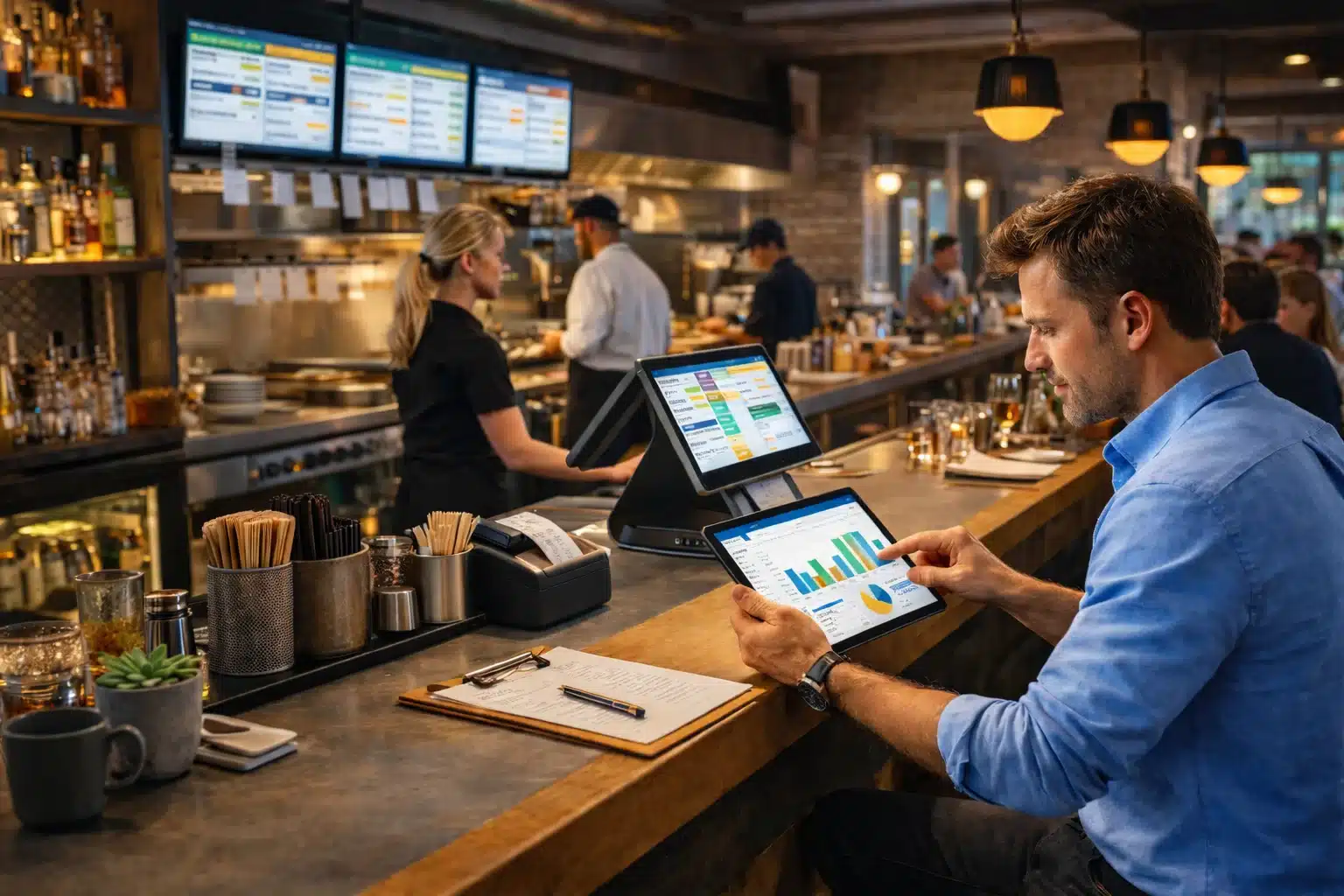
Integrated payment processing merges payment acceptance directly into a restaurant’s POS system, offering a cohesive and streamlined approach to managing orders, payments, and reporting. This integration creates significant advantages for restaurant operations and customer satisfaction.
Streamlined Restaurant Checkout Systems
When payment processing is integrated into the POS system, servers and cashiers can enter orders and accept payments without switching between multiple devices or software platforms. This unified process eliminates bottlenecks during checkout, reducing wait times and enabling quicker table turnover during peak periods. For example, a busy lunch service at a popular bistro can operate smoothly because the staff spends less time handling payment procedures and more time attending to guests.
Additionally, integrated systems provide real-time synchronization of order and payment data, which helps prevent errors such as double billing or missed charges. Accurate order totals appear automatically at checkout, and receipts reflect all charges including taxes, tips, and discounts. This transparency enhances customer trust and satisfaction, as diners receive clear and correct bills every time.
Moreover, integrated payment processing supports split billing features, allowing groups to divide the bill effortlessly based on items or equal shares. This convenience reduces awkward payment scenarios and improves the dining experience, encouraging larger groups and repeat visits.
Digital Tipping and Cashless Options
Digital tipping has become a standard expectation in many restaurants, providing guests with the ability to leave gratuity directly on their payment device or mobile app. Integrated payment solutions simplify this by offering tip suggestions and customizable options during checkout. This can lead to increased tip amounts, as customers are gently encouraged to reward excellent service with minimal effort.
Cashless payment options, including contactless cards and mobile wallets, have surged in popularity for their speed and hygienic benefits. Restaurants that support these methods appeal to customers who prefer to avoid cash handling or who rely primarily on digital wallets. For example, a fast-casual restaurant with high foot traffic benefits from cashless options by reducing cash drawer management and associated security risks.
By combining digital tipping and cashless payments into one integrated platform, restaurants improve staff satisfaction through higher tips and streamline their cash management processes. This dual advantage boosts both employee morale and operational efficiency.
Recurring Payments and Subscription Models
Some restaurants explore subscription-based models or loyalty programs that involve recurring payments, such as weekly meal kits or exclusive member discounts. Integrated payment processing allows these recurring transactions to be managed automatically within the POS system, reducing manual intervention and the risk of missed payments.
For example, a restaurant offering a monthly subscription box can automatically charge customers each billing cycle while updating order fulfillment accordingly. This automation simplifies revenue collection and improves cash flow predictability, allowing the business to plan resources more effectively.
From the customer’s perspective, recurring payments eliminate the hassle of re-entering payment information for each purchase, increasing convenience and satisfaction. For the restaurant, integrated recurring payment support opens new revenue streams and strengthens long-term customer relationships by ensuring continuous engagement.
Innovative Payment Methods Reshaping Restaurant Payments
As consumer expectations evolve, restaurants are adopting innovative payment methods that enhance convenience, speed, and engagement. These technologies not only improve the payment experience but also provide operational benefits.
QR Code Payments and NFC Technology
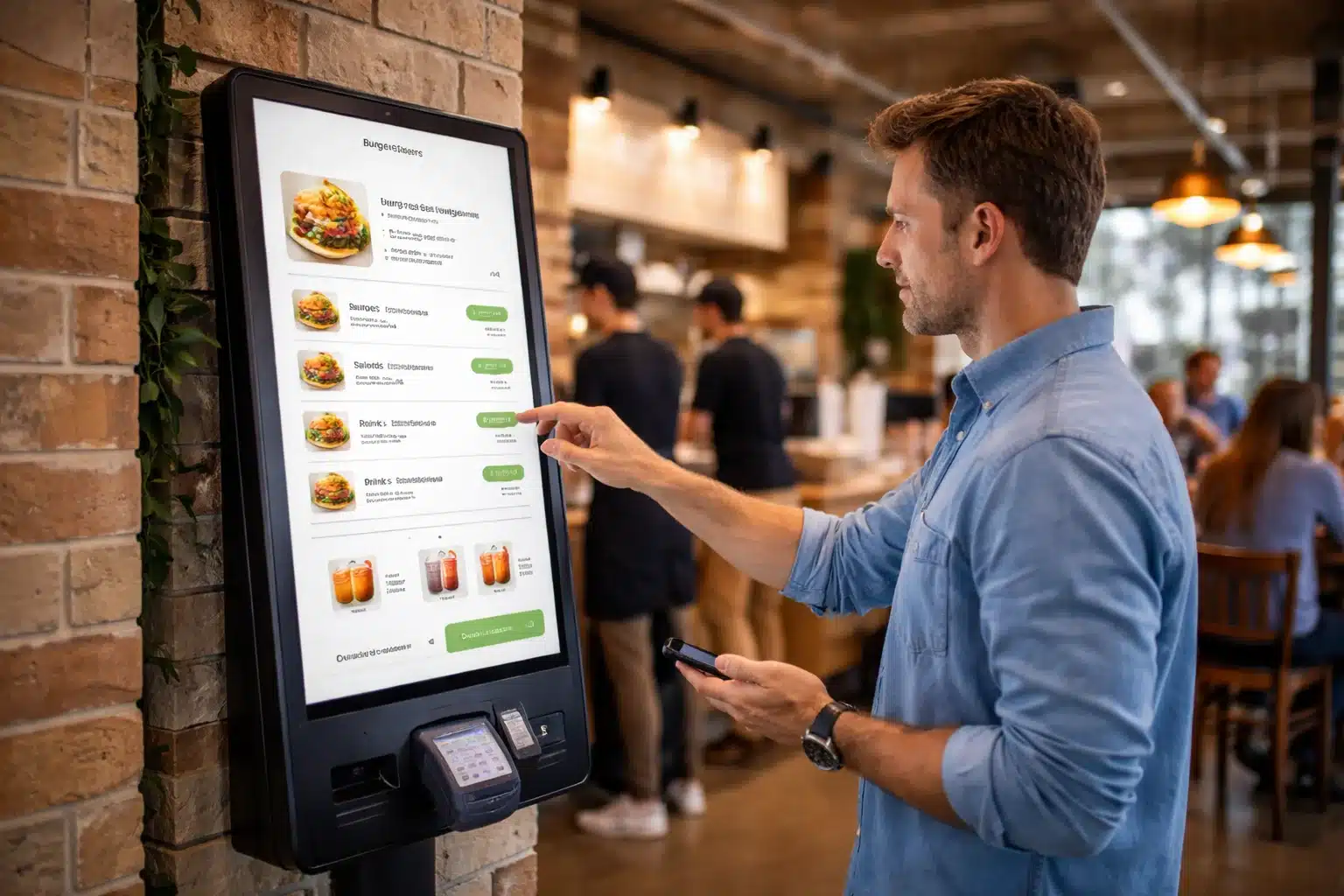
QR code payments have gained widespread traction, especially in casual dining and quick-service environments. This method allows customers to scan a QR code displayed at their table or on menus with their smartphones, which directs them to an online payment portal. Once the order is complete, payment is made directly via the phone, eliminating the need for a physical terminal. This reduces staff workload and shortens wait times during busy hours.
NFC technology complements QR codes by enabling tap-to-pay functionality with contactless cards or mobile wallets. Both technologies offer cashless payment options that meet the demands of today’s customers, who value speed and minimal contact. For instance, a café that uses QR code ordering and NFC terminals provides a fully digital experience that appeals to younger demographics and tech enthusiasts.
Adopting QR code payments and NFC technology also reduces the costs and risks associated with cash handling, such as theft or errors. Restaurants benefit from faster payment cycles and improved accuracy, enhancing overall efficiency and customer satisfaction.
Split Billing and Group Payments
Split billing is a crucial feature for restaurants catering to groups who prefer to pay separately. Modern restaurant payment solutions facilitate this by allowing diners to divide the check by item, percentage, or equal shares with ease. This feature removes common pain points in group dining situations, such as arguments over who owes what or delays caused by complicated payment arrangements.
Advanced POS systems track individual orders and assign payments accurately, even in cases where some guests pay with cash while others use cards or mobile wallets. This flexibility ensures smooth and efficient checkouts for all parties involved. For example, a group of coworkers dining together can each pay their share via their preferred method without confusion.
Implementing split billing not only enhances customer convenience but also encourages larger group visits and repeat business, as diners know they can settle bills quickly and fairly.
Digital Loyalty Programs and Rewards Integration
Integrating payment systems with digital loyalty programs enables restaurants to reward customers automatically based on their spending patterns. These programs track purchases and offer points, discounts, or special offers redeemable at checkout, all tied seamlessly to the payment process.
For example, a customer who frequently orders lunch at a restaurant may accumulate points that grant them a free meal or discount after a certain threshold. This integration increases customer retention by incentivizing repeat visits and boosting average order values. The payment system can prompt customers with personalized offers during checkout, enhancing engagement.
From an operational perspective, loyalty integration provides valuable data insights into customer behavior and preferences. Restaurants can tailor marketing campaigns and menu offerings based on these analytics, improving business performance while fostering stronger customer relationships.
Choosing the Right Restaurant Payment Solution
Selecting the best payment solution for your restaurant involves evaluating your specific operational needs, customer demographics, and long-term business goals. The right choice will support growth, security, and customer satisfaction simultaneously.
Evaluating Features and Compatibility
When exploring restaurant payment solutions, begin by listing must-have features such as support for contactless payments, mobile wallets, EMV card readers, online payment gateways, and integrated invoicing. Consider if you need advanced functionalities like split billing, recurring payments, or multi-currency support to serve your clientele effectively.
Compatibility with your existing POS system and other business software is critical to ensure smooth integration and data synchronization. For example, if your restaurant uses inventory management or reservation systems, your payment solution should communicate seamlessly with these tools to streamline operations. Opting for scalable and modular solutions that grow with your business can save significant time and resources in the future.
Careful evaluation of features and compatibility upfront helps prevent costly system replacements or workflow disruptions later. Take advantage of product demos, trial periods, and customer reviews to make informed decisions that align with your restaurant’s unique requirements.
Prioritizing Security and Compliance
Security must be at the forefront when choosing a payment solution. Ensure the provider complies with the Payment Card Industry Data Security Standard (PCI DSS) and employs encryption, tokenization, and fraud prevention technologies. These measures protect sensitive customer data and reduce the risk of breaches.
Ask about regular security audits and how the provider handles software updates to stay ahead of emerging threats. A restaurant that invests in secure payment processing demonstrates commitment to customer safety and builds stronger trust. For example, a high-end restaurant that advertises its secure payment measures can attract clientele concerned about privacy and fraud.
Failing to prioritize security can lead to costly fines, reputational damage, and loss of customer confidence, which can be difficult to recover from in the competitive restaurant industry.
Considering Cost and Support
Cost considerations include upfront hardware purchases, transaction fees, monthly subscriptions, and any costs associated with integration or upgrades. While cheaper options may be tempting, weigh the total cost of ownership against the features and reliability offered.
Excellent customer support is equally vital. Payment disruptions can directly impact revenue, so having access to responsive technical assistance, training, and troubleshooting services can minimize downtime. For instance, a restaurant that experiences payment terminal failures during peak hours needs immediate support to resume operations quickly.
Choosing a solution with transparent pricing and strong support ensures your restaurant payment system remains dependable and efficient, allowing you to focus on delivering exceptional dining experiences rather than managing technical issues.

About Biyo POS
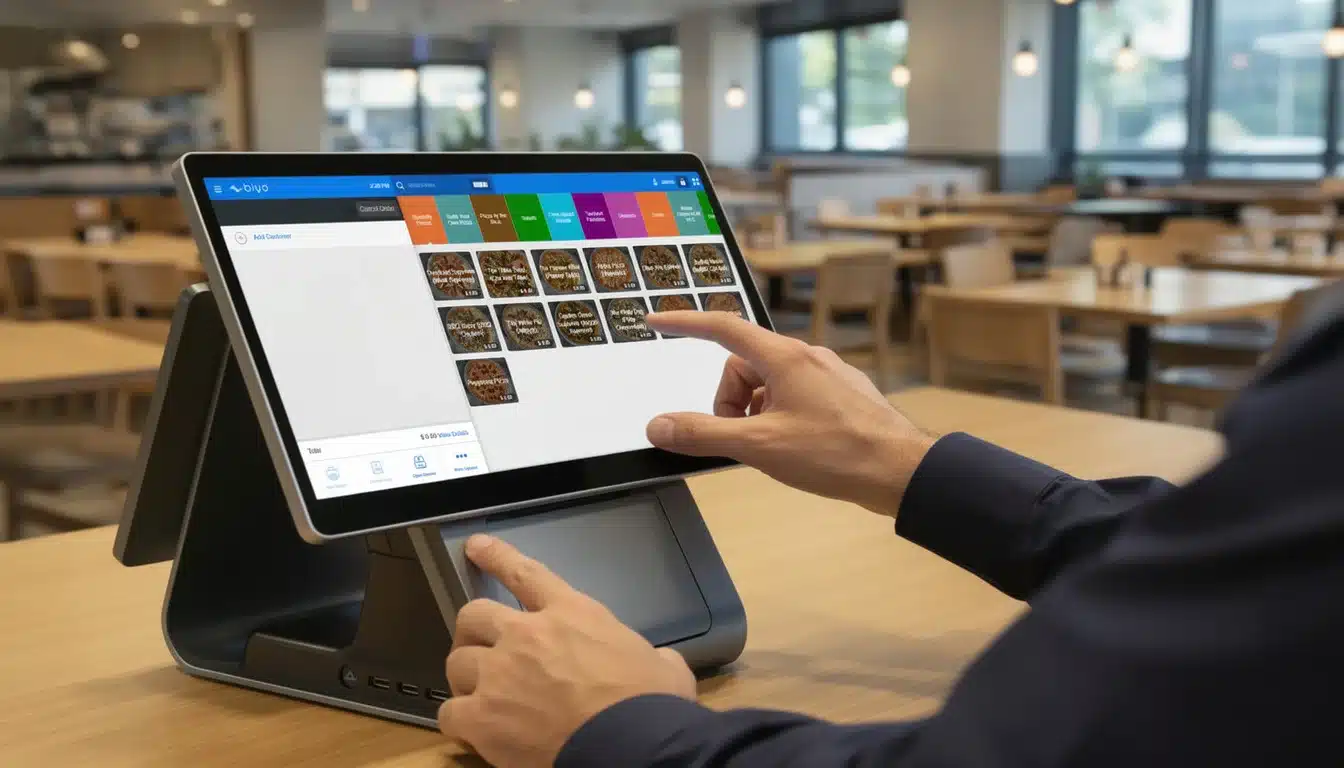
Biyo POS offers comprehensive restaurant payment solutions designed to meet the diverse needs of modern restaurants. Featuring integrated payment processing, contactless payments, EMV card readers, and robust fraud prevention, Biyo POS delivers fast and secure transactions. The system supports split billing, multi-currency payments, digital tipping, and seamless invoicing tools, helping streamline operations and enhance customer satisfaction.
With Biyo POS, restaurants can adopt the latest payment technologies like NFC and QR code payments while enjoying reliable support and easy scalability. Whether managing in-house dining or online orders, Biyo POS provides the tools to optimize your payment workflow and grow your business confidently.
FAQ
What are restaurant payment solutions?
Restaurant payment solutions are systems and technologies that facilitate the processing of customer payments within a restaurant setting. They include POS systems, contactless payments, mobile wallets, online payment gateways, and hardware like EMV card readers. These solutions aim to make transactions faster, more secure, and more convenient.
How do contactless payments benefit restaurants?
Contactless payments speed up checkout times, reduce physical contact, and improve hygiene. They enhance customer experience by offering quick and easy payment options, which can increase table turnover and overall revenue for the restaurant.
Why is integrated payment processing important for restaurants?
Integrated payment processing combines order management and payment acceptance into a single system. This integration streamlines operations, reduces errors, supports split billing and digital tipping, and simplifies financial reconciliation, improving both staff efficiency and customer satisfaction.
Can restaurant payment solutions support multiple currencies?
Yes, many modern restaurant payment solutions include multi-currency support, allowing restaurants to accept payments from international customers in their preferred currencies. This feature enhances convenience and broadens the restaurant’s appeal to tourists and global clientele.
How does Biyo POS enhance restaurant payment processing?
Biyo POS offers an all-in-one payment platform that supports various payment methods such as contactless payments, mobile wallets, EMV card readers, and QR code payments. It provides secure transaction processing, split billing, digital tipping, and robust invoicing tools, helping restaurants operate efficiently while improving customer experience.